

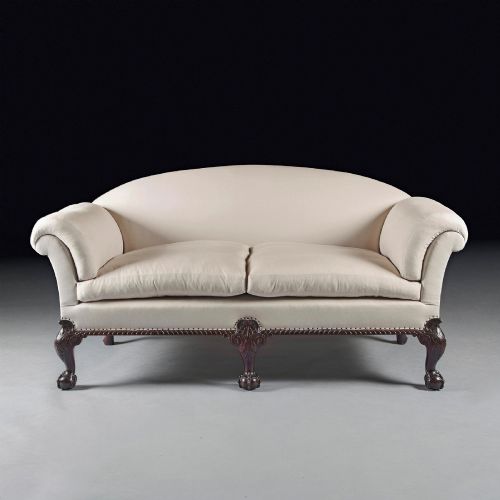
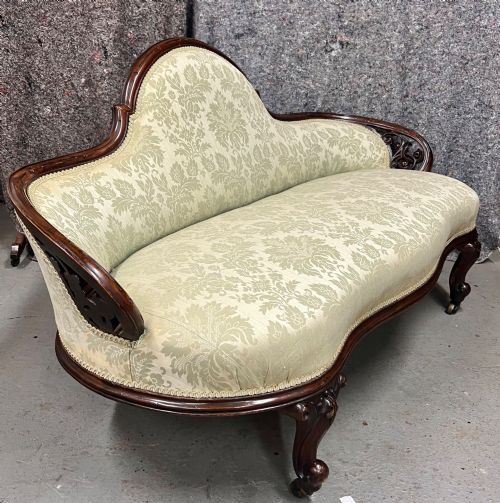
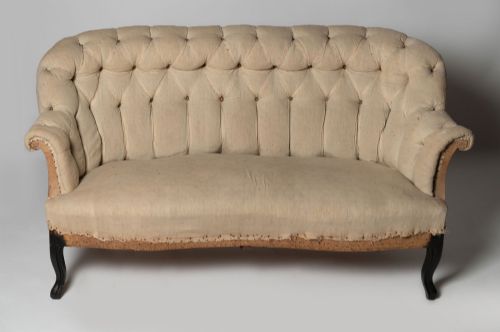
Victorian Cabriole Leg Sofa
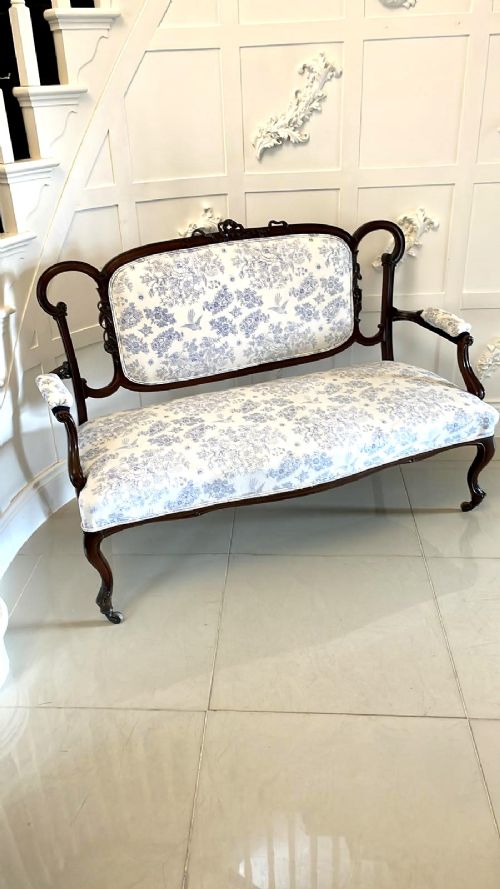
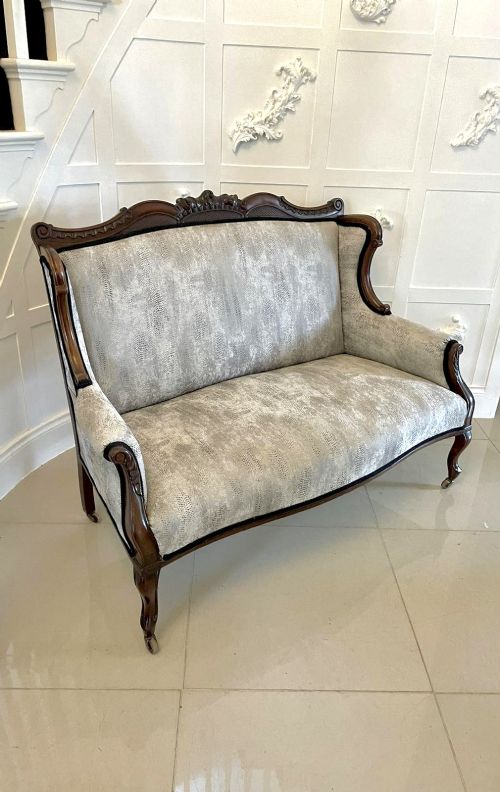
A victorian cabriole leg sofa brings curved, rhythmic woodwork and deep seating into a room.
Victorian Cabriole Leg Sofa
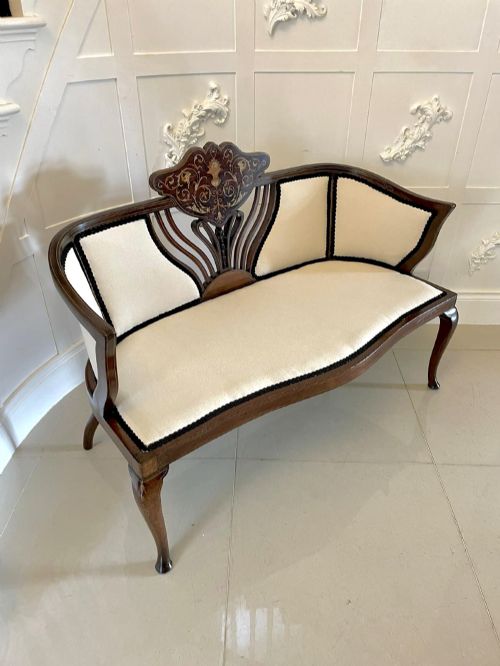
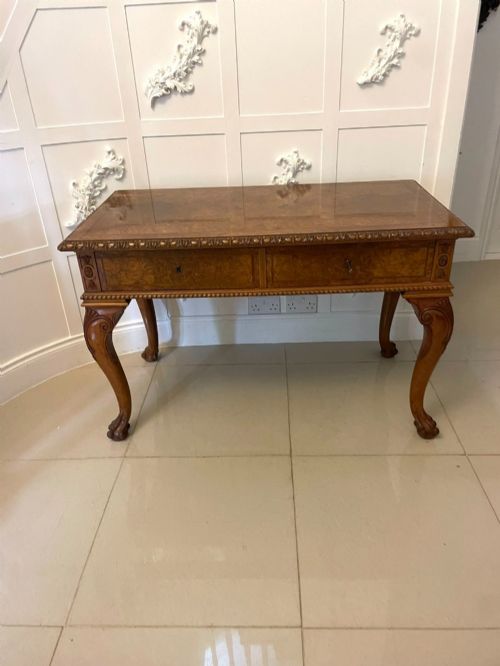
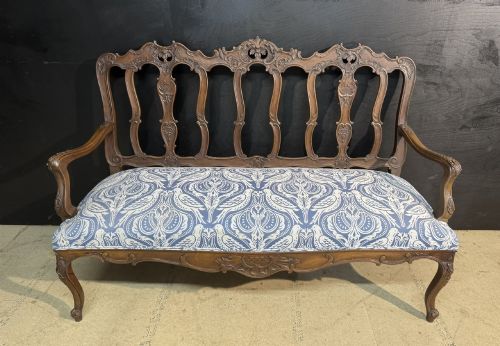
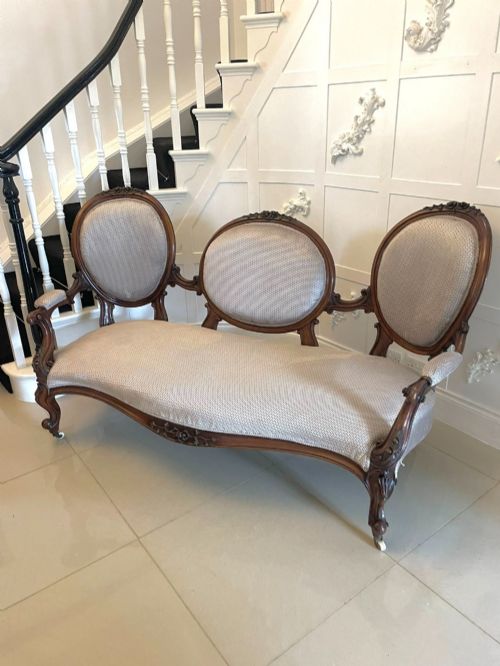
A victorian cabriole leg sofa combines nineteenth-century framing with the distinctive double-curved leg style derived from earlier furniture designs. The listings feature various iterations including walnut frames, mahogany settees, and rosewood chaise longues spanning from eighteen-fifty to nineteen-twenty.
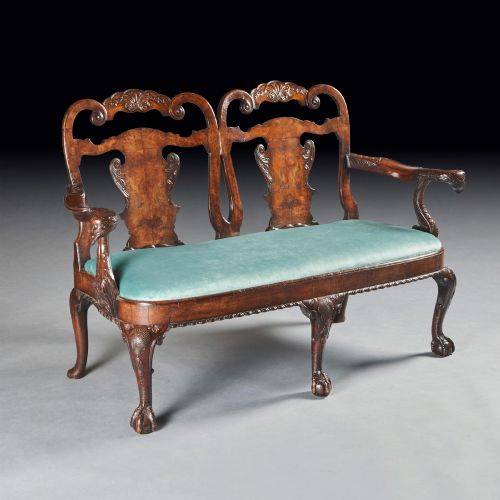
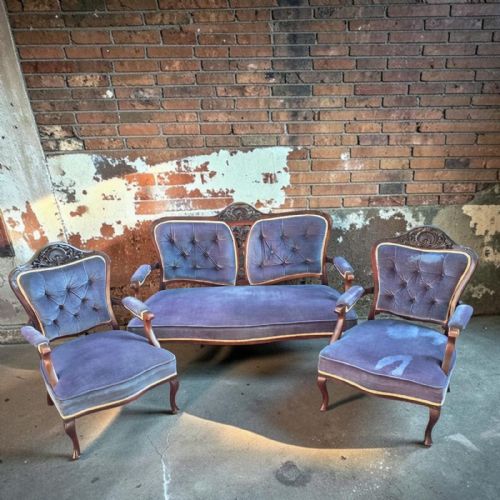
Buyers encounter different seating configurations, from two-seater settees and three-seater couches to larger salon suites and daybeds. Walnut and mahogany predominate, often styled after earlier revival periods like Rococo or George the Second.
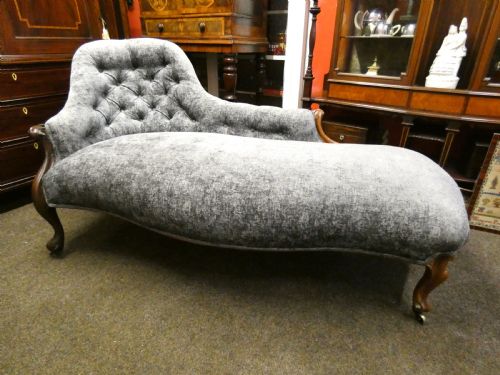
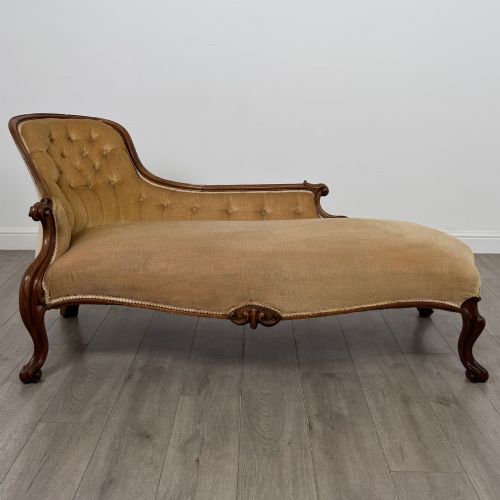
Many examples incorporate carved details, cameo backs, or buttoned upholstery alongside the characteristic curved supports. The form appears both in standard domestic sofas and in open lounge variants such as the chaise longue.
Materials and construction
Cabinet makers utilised dense hardwoods such as mahogany, walnut, burr walnut, and rosewood to carve the flowing lines of the frame and legs. These timbers provided the structural strength required to support slender curved legs without risking fracture under weight.
Upholstery methods involved horsehair stuffing, springs, and deep buttoning secured beneath fabrics like velvet, damask, leather, or standard woven textiles. Frames were frequently shaped by hand, featuring intricate carved foliage or smooth polished surfaces depending on the revival style followed.
Listings feature nineteenth-century seating constructed primarily from walnut, mahogany, and rosewood.
Assessing craftsmanship and finish
The distinction between standard pieces and finer examples rests on the crispness of the wood carving and the selection of timber veneers. Burr walnut and figured mahogany show superior grain selection, whereas simpler pieces utilise plain stock timbers.
Frame rigidity and the harmony of the leg proportions dictate structural merit. Pieces maintaining original upholstery framing and precise joinery demonstrate superior workshop origin compared to later alterations.
Howard and Sons·W. Turner Lord and Co·Butlers of Dublin·Gillow·Morison and Co
The Victorian Cabriole Leg Sofa Glossary
- Cabriole leg
- A furniture leg that bends outward in a convex curve at the top and inward in a concave curve at the bottom, traditionally ending in a pad, claw, or scroll foot. This shape mimics the leaping posture of an animal.
- Chaise longue
- An upholstered sofa shaped like a chair with a long seat large enough to support the legs. It serves as a daybed for reclining.
- Buttoned upholstery
- A method of securing interior padding by pulling twine tightly through the fabric and stuffing at regular intervals to form diamond patterns with recessed buttons. It adds both tension and decorative texture to the backrest.
- Rococo Revival
- A nineteenth-century design movement that reinterpreted the ornate, asymmetrical scrolls and natural motifs of the eighteenth-century French style. It heavily influenced parlour seating and carved wooden frames.
- Salon suite
- A matching set of upholstered seating comprising a settee and accompanying armchairs designed for a formal drawing room. These suites share uniform wood finishes and textile coverings.
Victorian Cabriole Leg Sofa: Frequently Asked Questions
How do I care for the wooden frame?
Dust the polished hardwood regularly with a soft, dry cloth to prevent grit accumulation on the carved surfaces. Avoid placing the timber near direct heat sources to prevent the wood from drying out or splitting.
Apply a traditional beeswax polish sparingly when the grain appears dry, buffing it gently to maintain the natural sheen of the walnut or mahogany.
How do I distinguish between revival periods?
Examine the specific carving motifs and leg profiles to determine which historical design the maker sought to emulate. Rococo revival pieces display flowing asymmetrical curves and floral crests, whereas George the Second styles feature heavier proportions and ball and claw feet.
Cabinet makers during the Victorian era frequently combined elements from multiple preceding centuries, making secondary details like timber choice and secondary wood framing essential clues.
What is the difference between a settee and a couch?
A settee generally describes a small, upholstered bench with a back and arms designed to seat two or more people formally. A couch often implies a more relaxed piece intended for reclining, sometimes featuring a raised end or single armrest.
In nineteenth-century terminology these names occasionally overlap, though specific forms like the chaise longue remain distinct through their extended single-person length.