




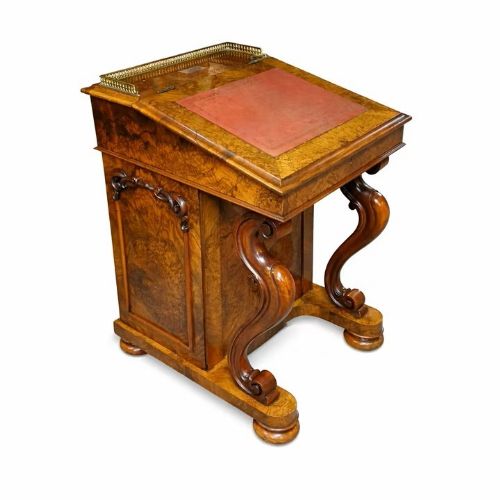
Victorian Burr Walnut Bureau
A victorian burr walnut bureau brings rich timber grain and fitted writing compartments together from the nineteenth century for the modern study.
Victorian Burr Walnut Bureau
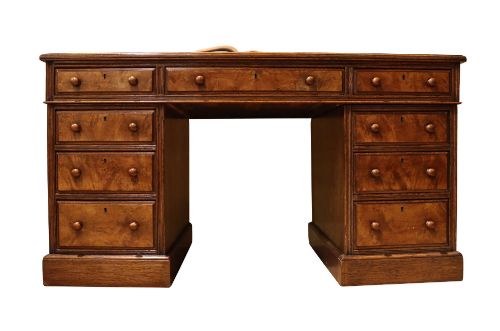
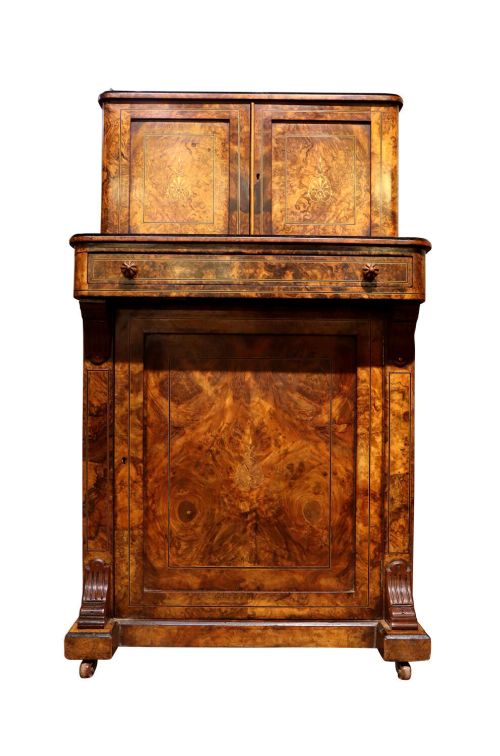
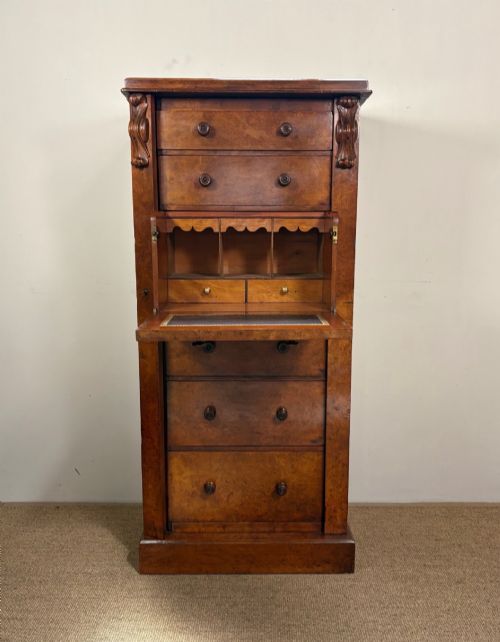
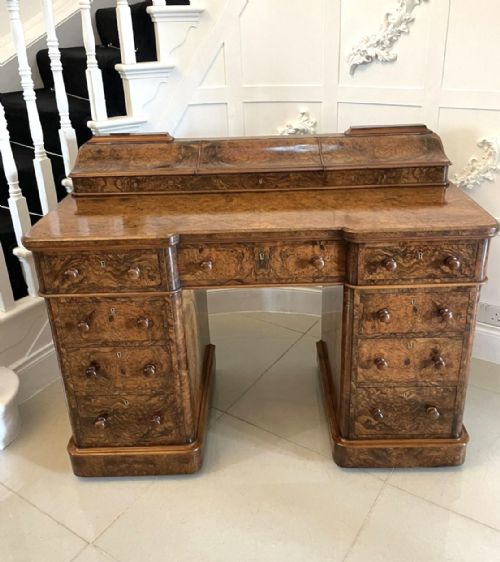
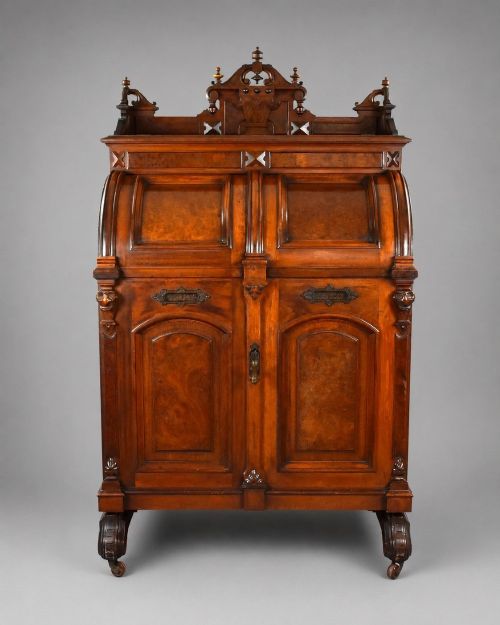
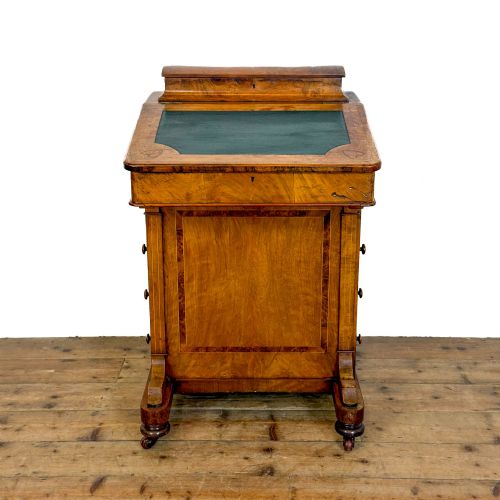
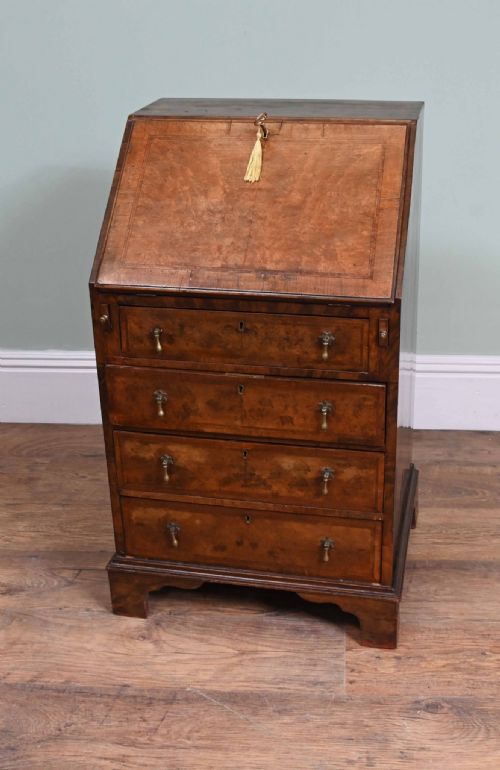
A victorian burr walnut bureau combines nineteenth-century cabinet-making with distinctive wood figuring, predominantly appearing in forms such as Davenport desks, pedestal desks, and slope-front writing cabinets.
The pieces on this page span the Victorian period from 1850 to 1900, reflecting diverse writing furniture formats including bureau de dame, bonheur du jour, and pedestal writing tables.
Buyers seeking this phrase encounter compact slant-front writing desks alongside stationary cabinets and multi-drawer pedestals designed for domestic correspondence.
How they were made
Cabinet-makers applied highly figured burr walnut veneers over solid secondary timbers such as oak, often embellishing surfaces with marquetry inlay and brass mounts.
Interiors frequently incorporate satinwood drawer linings, leather writing surfaces, and secondary woods like oak, secured with brass hardware and ormolu mounts.
Listings feature Victorian bureau forms from 1850 to 1900, constructed primarily in burr walnut, oak, and brass.
What varies in quality
Distinctions in quality rest upon the selection and matching of the burr walnut veneer across the primary surfaces and the intricacy of the internal satinwood fittings.
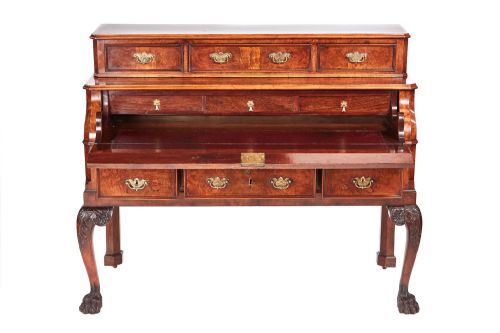
Superior examples demonstrate refined carving on elements like paw feet, precise marquetry work, and robust construction using secondary timbers such as oak.
Maple & Co
The Victorian Burr Walnut Bureau Glossary
- Burr walnut
- A prized timber veneer taken from the wart-like growths of walnut trees, noted for swirling, knotty grain patterns. It creates highly decorative patterned surfaces on Victorian writing furniture.
- Davenport
- A compact writing desk featuring a sloped, hinged writing surface above a bank of drawers. This form became particularly popular during the Victorian era for domestic correspondence.
- Bonheur de jour
- A light lady's writing desk featuring a small cabinet or superstructure above the writing surface. These French-influenced pieces often display marquetry inlay and ormolu mounts.
- Bureau-plat
- A flat-topped writing table, often mounted with ormolu and leather inserts. These freestanding tables derive from French Louis XV revival designs seen in Victorian interiors.
- Secretaire
- A piece of furniture containing a concealed writing drawer or drop-front desk section. They frequently disguise themselves as standard chests of drawers or bookcases.
Victorian Burr Walnut Bureau: Frequently Asked Questions
What is a bureau de dame?
A bureau de dame is a small, elegant lady's desk typically featuring a sloping writing flap and internal compartments. These pieces were designed for lighter correspondence in private sitting rooms.
They frequently incorporate decorative elements such as brass inlay, marquetry, and fine burr walnut veneers characteristic of nineteenth-century French revival styles.
How do I care for burr walnut?
Burr walnut requires protection from direct sunlight and excessive humidity to prevent veneer lifting and timber drying. Regular dusting with a soft, dry cloth preserves the polished surface.
Avoid placing these desks near heat sources or applying modern silicone polishes. Traditional wax feeds the old finish safely.
What is a Davenport desk?
A Davenport desk is a compact nineteenth-century writing form featuring a sloping desk lid with a leather writing insert. The upper section often includes stationary compartments.
Beneath the writing slope, these desks typically house a bank of side drawers or faux drawers paired with pedestals.
How can I date a Victorian bureau?
Dating relies on observing construction methods, secondary timbers like oak, hardware styles, and stylistic influences such as French revival or Rococo motifs. Cabinet makers often incorporated specific design markers across decades.
Pieces span from 1850 to 1900, with stylistic shifts visible in the presence of ormolu mounts, marquetry, and specific desk configurations.