




Victorian Bronze Art
Victorian bronze art brings sculptural depth and organic line into a room through cast metal and patinated finishes.
Victorian Bronze Art
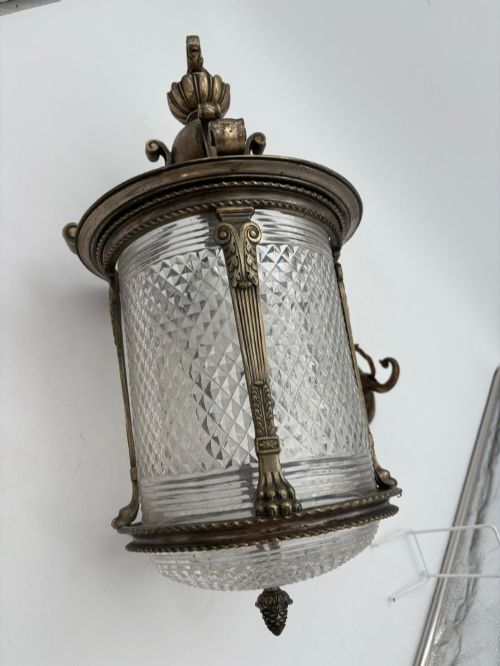
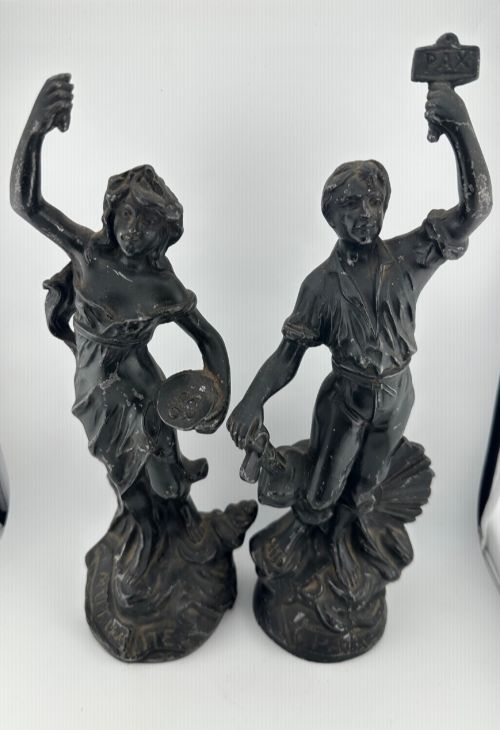
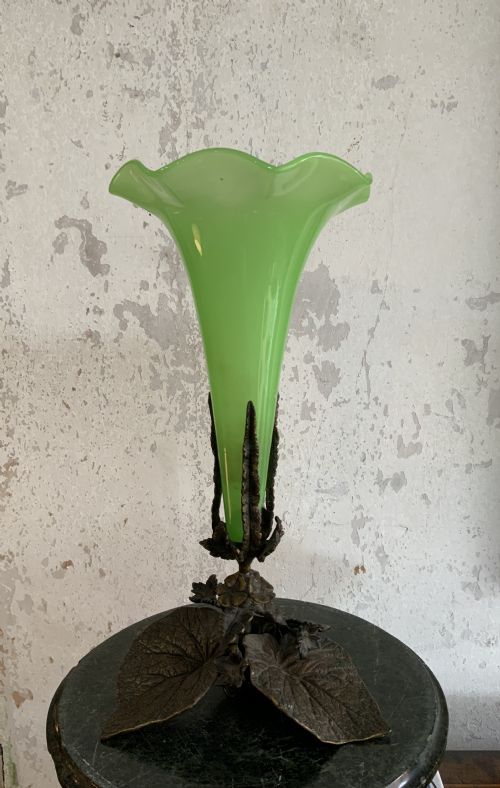
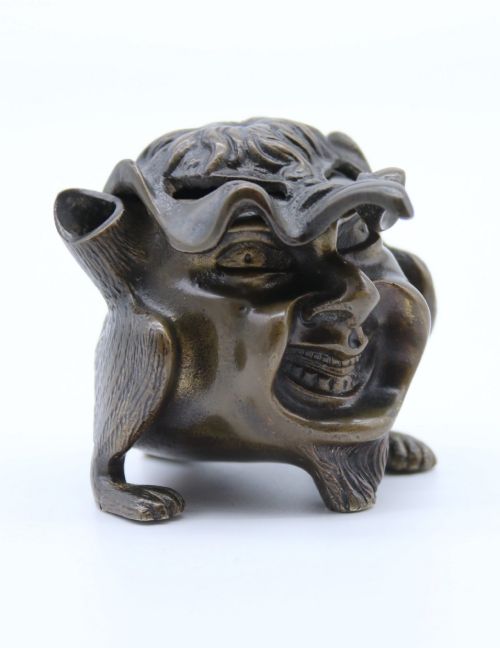
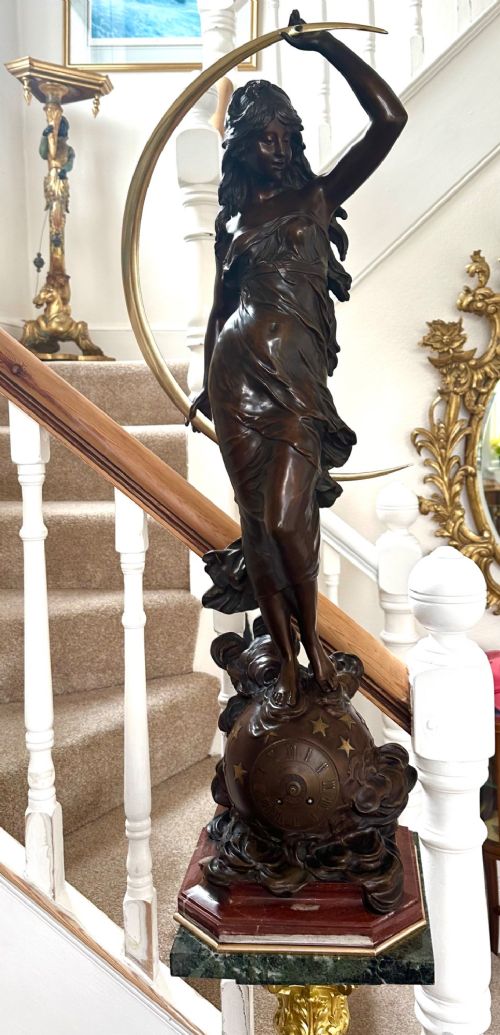
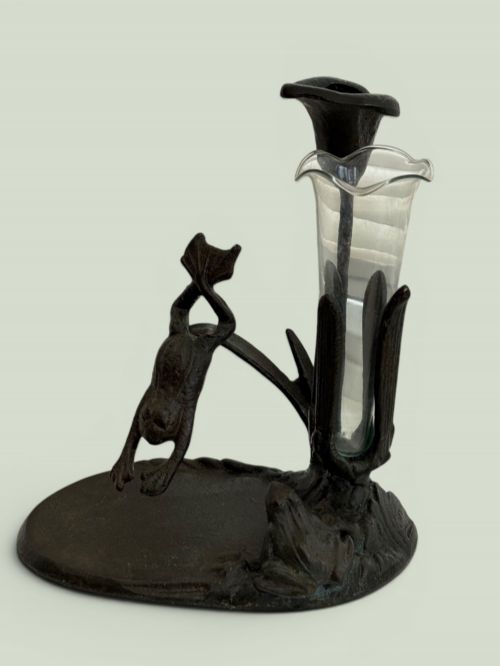
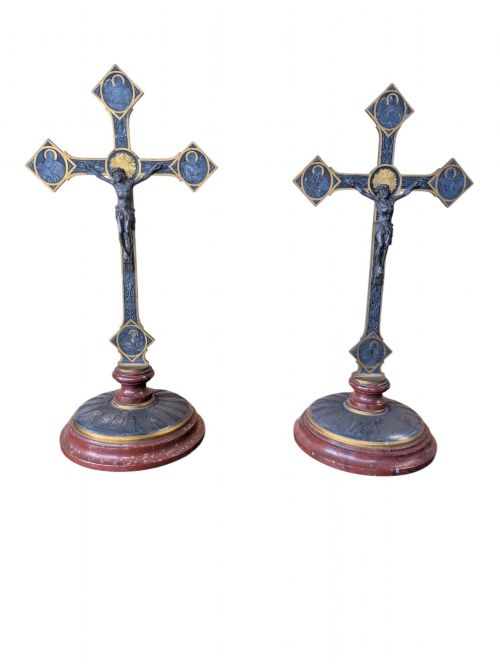
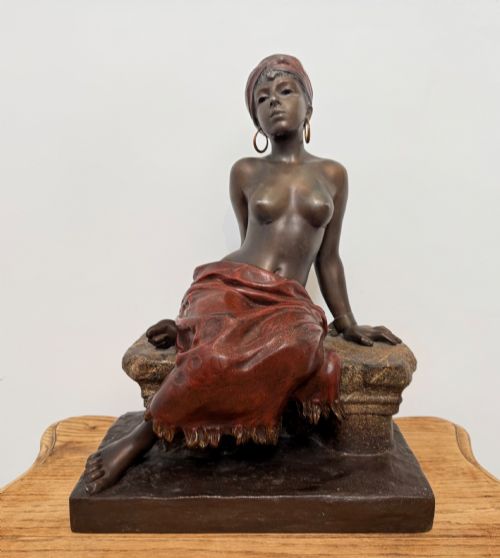
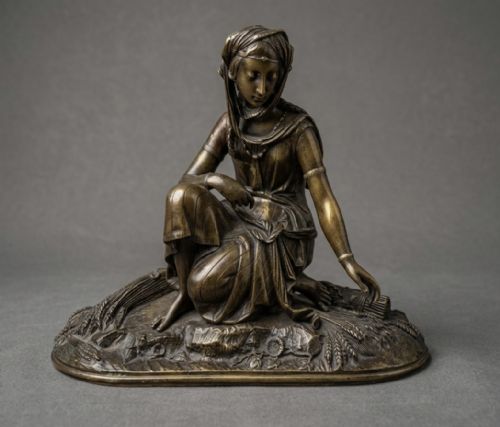
Victorian bronze art encompasses sculptural figures, functional desk items, lighting fixtures, and architectural plaques produced during the nineteenth century and associated eras. A buyer examining this selection encounters French allegorical figures, Austrian studies, and domestic items styled with organic curves or classical revival motifs. These pieces range from substantial mantel figures and figural lamp bases to smaller inkwells and wall reliefs.
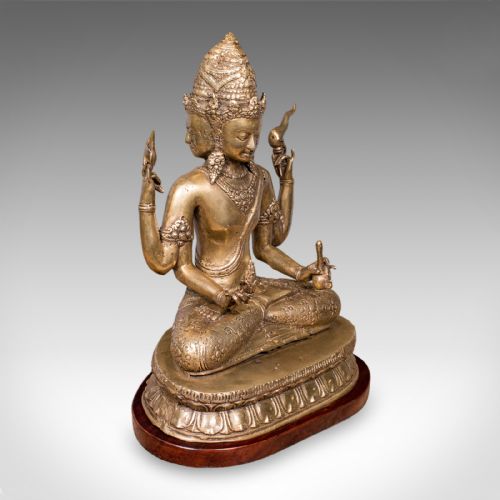
The objects frequently cross paths with related movements such as Art Nouveau, Arts and Crafts, and Orientalism. Figures of maidens, mythological subjects, and animals dominate the sculptural forms, while utilitarian pieces integrate metal with glass, marble, or wood. The materials stretch beyond pure bronze to include spelter, white metal, and bronzed plaster, reflecting the broader manufacturing methods of the period.
Materials and methods
Makers utilised traditional lost-wax casting and sand-casting techniques to shape molten metal into intricate figural and decorative forms. Bronze surfaces received varied treatment, from dark patination and silvering to fire-gilding, creating tonal contrast across drapery and skin.
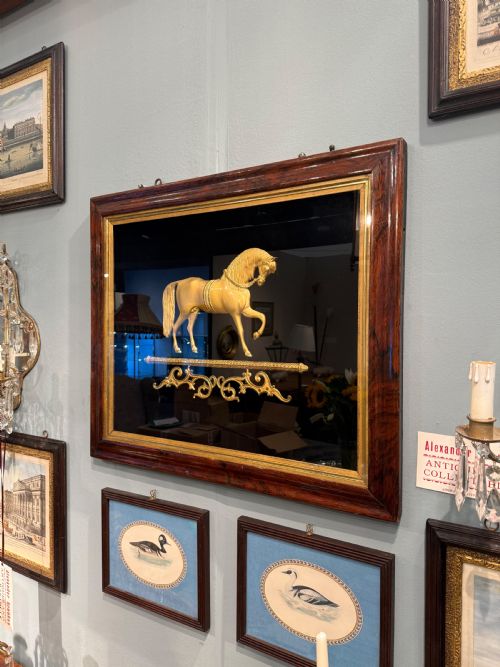
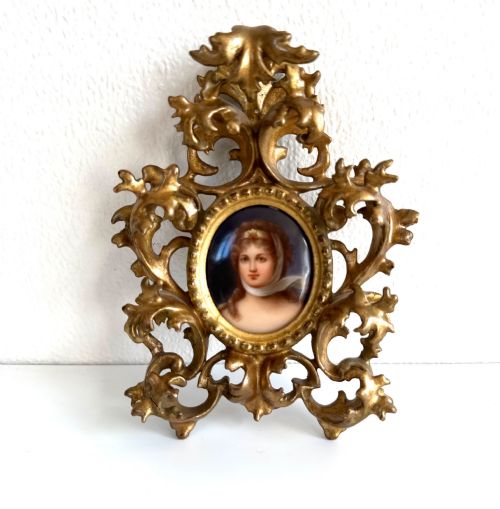
Many domestic objects combine cast metal with contrasting media such as cut glass, uranium glass, marble bases, or carved rosewood frames. Alternative metals like spelter and white metal appear in place of copper-alloy bronze, offering similar sculptural weight at a different cost of production.
Victorian Bronze Art Retail Price Guide 2026
Typical asking prices for victorian bronze art among the pieces listed under this phrase on Sellingantiques today, from the lower quarter to the upper quarter. They describe what is for sale here now, not the wider market.
A coal box disguised as industrial art proves that even the hearth could participate in nineteenth-century decorative ambition.
Markers of distinction
The integrity of the patina and the quality of the secondary materials set finer works apart from standard commercial output. Pieces bearing recognisable foundry marks or artist signatures demonstrate a higher tier of period craftsmanship.
August Moreau·E Villanis·Sir Thomas Brock·Antonin Mercié·Jennings Brothers·Carl Kauba·Houdebine·Coalbrookdale
The Victorian Bronze Art Glossary
- Patination
- The chemical treatment or natural ageing process that colours the surface of a metal object. This finish can range from deep brown and green tones to bright gilt applications.
- Spelter
- An alloy of zinc and lead used as a less expensive substitute for bronze. It frequently receives a bronze-coloured paint or electroplate finish to mimic genuine metal.
- Lost-wax casting
- A method of metal casting where a molten metal is poured into a mould that has been created by means of a wax model. This technique allows for high detail in sculptural work.
- Gilt bronze
- Bronze that has been coated with a thin layer of gold or gold amalgam. It creates a bright, reflective surface often seen on decorative mounts and frames.
- Cold-painted bronze
- A process where bronze sculptures are painted with oil-based colours after casting and patination. The paint is generally dried without high heat, making it susceptible to flaking.
Victorian Bronze Art: Frequently Asked Questions
How do I clean a bronze sculpture?
Dust the surface gently with a soft, dry brush to remove particles without disturbing the underlying patination. Avoid abrasive cleaners, water, or chemical solvents that strip the historic finish.
Apply a very thin coat of microcrystalline wax if the metal requires protection against humidity. Buff the wax gently with a clean cloth after application to restore a soft lustre.
Is spelter the same as bronze?
Spelter is a softer zinc-based alloy, whereas bronze is a durable alloy of copper and tin. Spelter objects feel lighter and often show a more brittle fracture if damaged.
Victorian makers used spelter as an affordable alternative to bronze for decorative figures and clocks. Examining the underside or the base usually reveals the lighter grey metal beneath any surface plating.
How are these pieces displayed at home?
Sculptures and figural lamp bases suit prominent locations on mantelpieces, sideboards, or dedicated pedestals where lighting highlights their contours. Smaller items like inkwells and letter openers function effectively on desks or writing tables.
Pairing metal works with contrasting surfaces such as wood, marble, or glass enhances their visual weight. Keeping pieces away from direct heat sources prevents damage to patinated surfaces and mixed-media elements.
What defines Art Nouveau bronze work?
Art Nouveau bronze pieces feature asymmetrical compositions, whiplash lines, and natural motifs drawn from plants and female forms. These designs broke away from strict classical revival styles dominant earlier in the nineteenth century.
Objects from this movement often blur the line between utility and sculpture, integrating functional elements like ink wells or lamp stems into organic floral shapes.