


Victorian Brass Stamp
These Victorian brass stamp items and related marked desk pieces offer practical desk utility and heavy nineteenth-century metalwork for everyday use.
Victorian Brass Stamp
When you search for Victorian brass stamp, you find desk accessories and boxes made during the nineteenth century, including single and multiple compartment stamp boxes, letter racks, and rubber stamp stands. These items served administrative tasks in offices and homes, often featuring hinged lids and divided interiors.
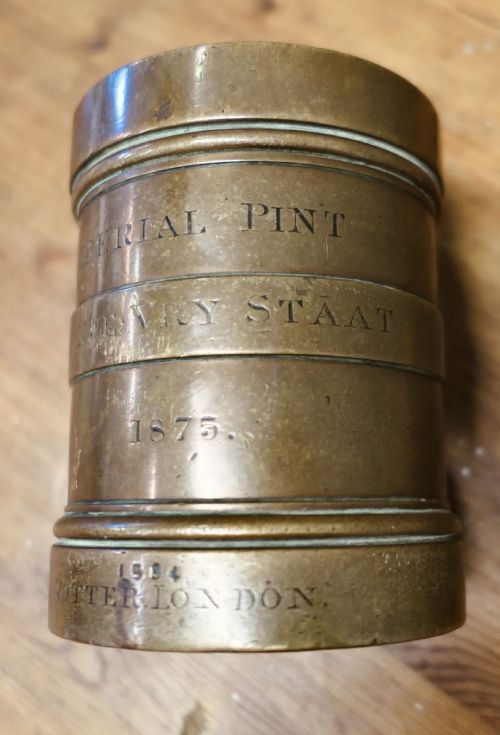
You also encounter related marked items carrying maker or retailer marks, such as printing blocks and measures made from brass, bronze, and copper. The selection ranges from utilitarian desk furniture to decorative novelty pieces modelled as animals.
The objects stem predominantly from the Victorian period, spanning the mid to late nineteenth century, and frequently incorporate stamps or inscriptions on the metal or wood bodies.
Materials and construction
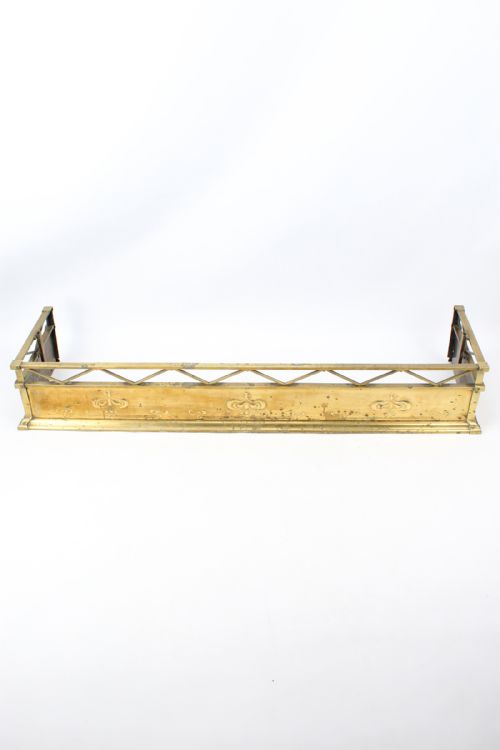
Makers utilised cast and sheet brass, frequently combining the metal with iron, glass, and wood to build sturdy desk boxes and stands. Metal components were often shaped through casting, stamping, or embossing to create decorative surfaces and secure frames.
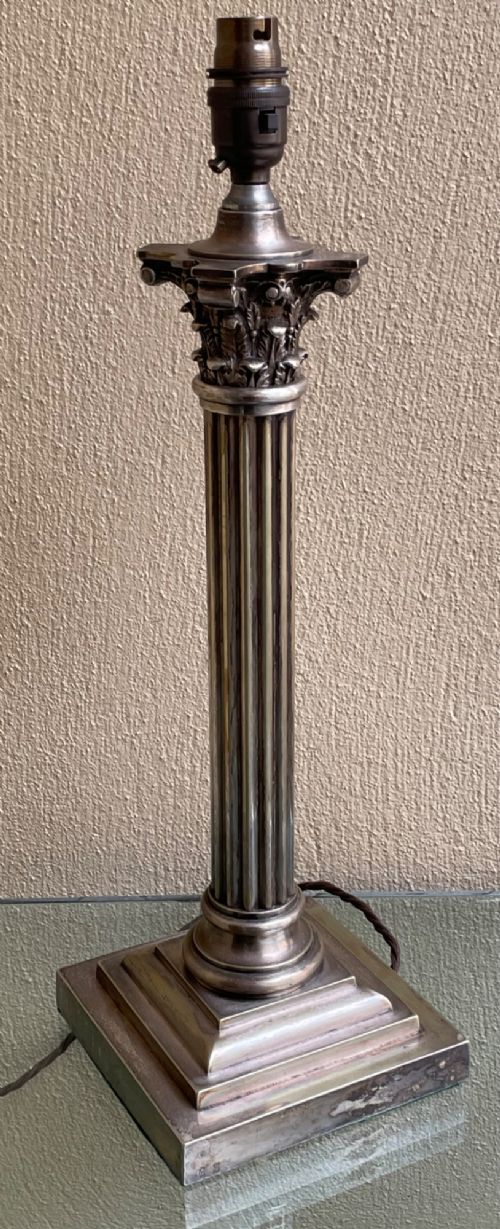
Surface finishes include polished brass, silver plating, and gilt highlights applied to bronze and brass bases. Wooden elements like oak appear alongside metal work, joined by hinges and pins designed for daily handling.
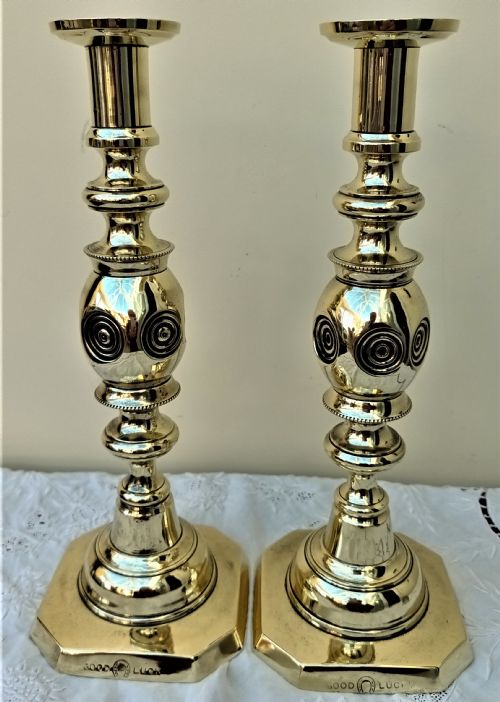
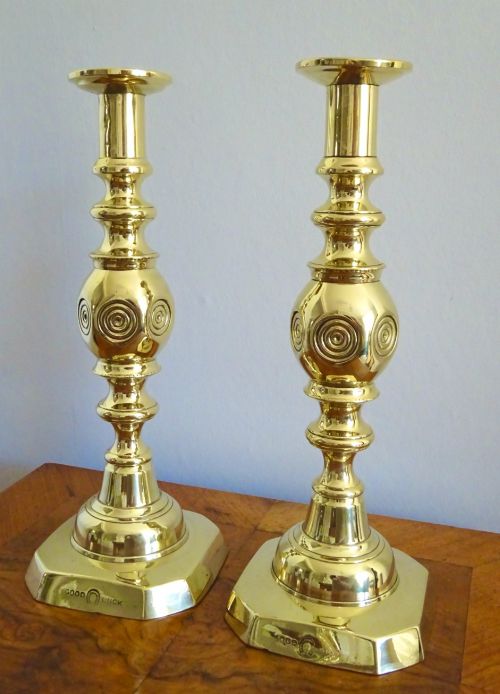
Listings combine utilitarian Victorian stamp boxes with printing blocks, candlesticks, and haystack measures in brass and copper.
Quality factors
The calibre of a piece depends on the crispness of the cast or embossed detail on the brass and the structural integrity of the hinges and internal partitions. Better examples exhibit clean lines, tight joints, and clear maker or patent stamps rather than soft or worn detailing.
Design complexity also sets items apart, moving from plain utilitarian boxes to multi-compartment stationary holders and novelty animal figures with working mechanisms. Original components, such as intact glass inserts and functional lids, distinguish superior survivals.
Potter of London·Mc Gary·GS·J. Bower·Howard and Sons·A Richardson·Harrods
The Victorian Brass Stamp Glossary
- Stamp box
- A small desktop container designed to hold postage stamps, often featuring hinged lids and divided interior sections. These boxes frequently match inkwells and letter racks in desk suites.
- Rubber stamp stand
- A specialised desktop rack or holder made to support rubber stamps and ink pads for office use. They typically combine brass frames with iron or wood bases.
- Gilt brass
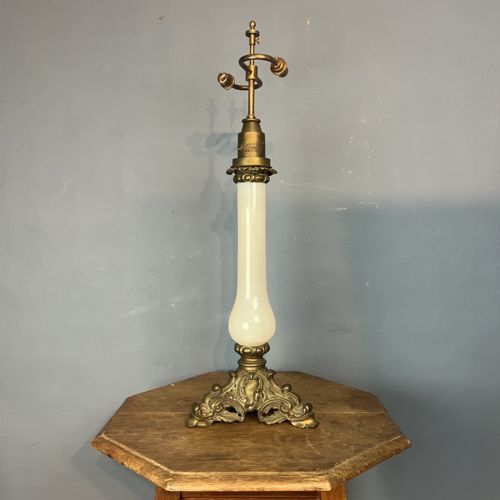
- Brass treated with a thin layer of gold or gold-coloured wash to enhance the surface appearance. This finish appears on lamps and decorative accessories from the period.
- Printing block
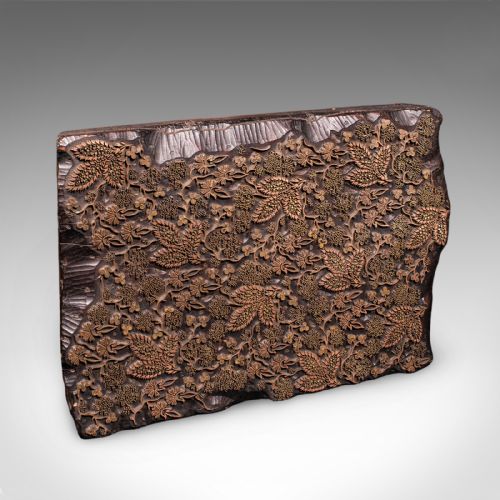
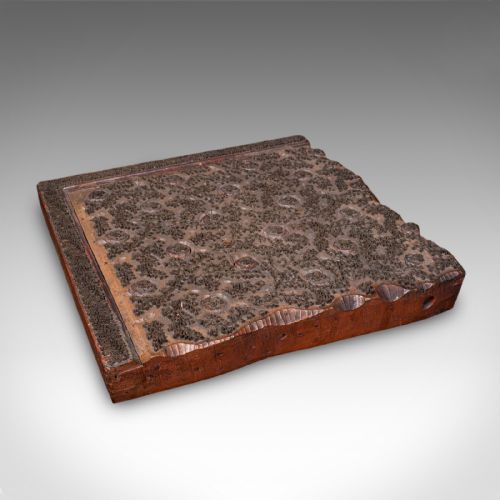
- A carved block of wood inset with brass strips used for applying patterns to textiles or wallpaper. These blocks show intricate metalwork driven into wooden bases.
Victorian Brass Stamp: Frequently Asked Questions
What did stamp boxes hold?
Stamp boxes held adhesive postage stamps in the nineteenth century, keeping them flat and dry on a desk.
Divided interiors allowed users to separate different denomination stamps for letters and parcels.
How do you date Victorian brass?
Dating relies on style, manufacturing techniques, and any stamped maker marks or patent dates found on the metal.
Heavier cast forms and specific hinge types help distinguish mid-nineteenth century items from later production.
Are these pieces marked?
Many items carry stamps, initials, or registration marks left by the maker, retailer, or patent holder.
Marks can appear on the underside, inside the lid, or along the metal edge near hinges.
How should brass be cleaned?
Most dealers recommend leaving historical patina untouched unless active corrosion threatens the metal.
Gentle dusting with a soft cloth preserves the aged surface finish without removing character.