


Victorian Brass Figurines
Victorian brass figurines combine sturdy utility with decorative charm, offering buyers characterful doorstops, bookends, and small sculptures shaped by nineteenth-century tastes.
Victorian Brass Figurines
When searching for victorian brass figurines, buyers encounter a diverse selection of decorative items originating predominantly from the nineteenth century. These pieces encompass functional items such as doorstops and bookends alongside purely ornamental sculptures and desk ornaments.
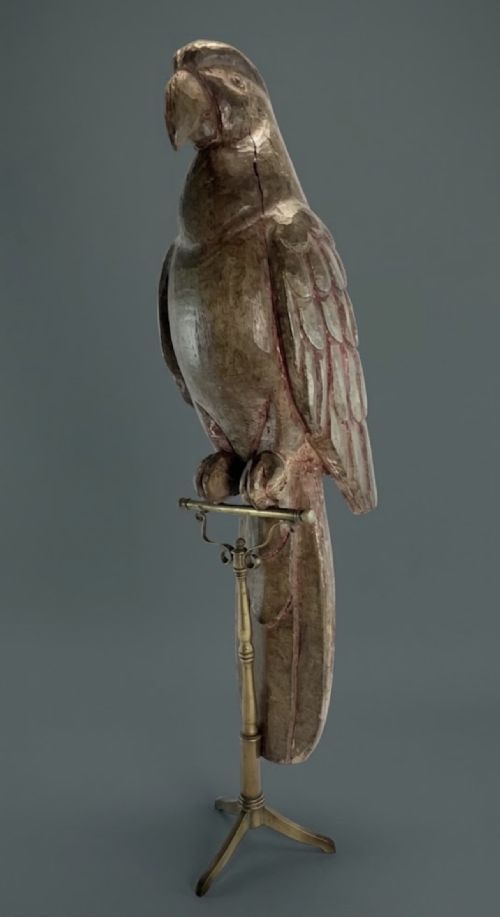
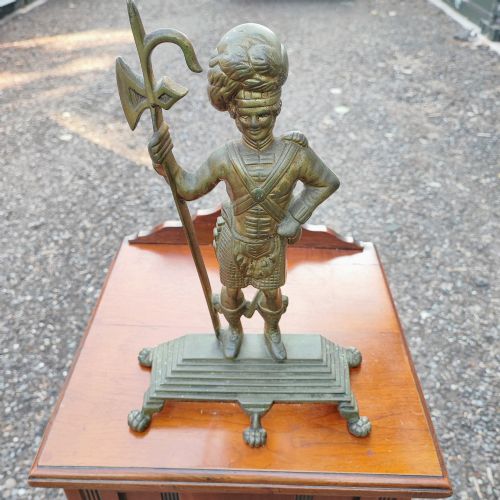
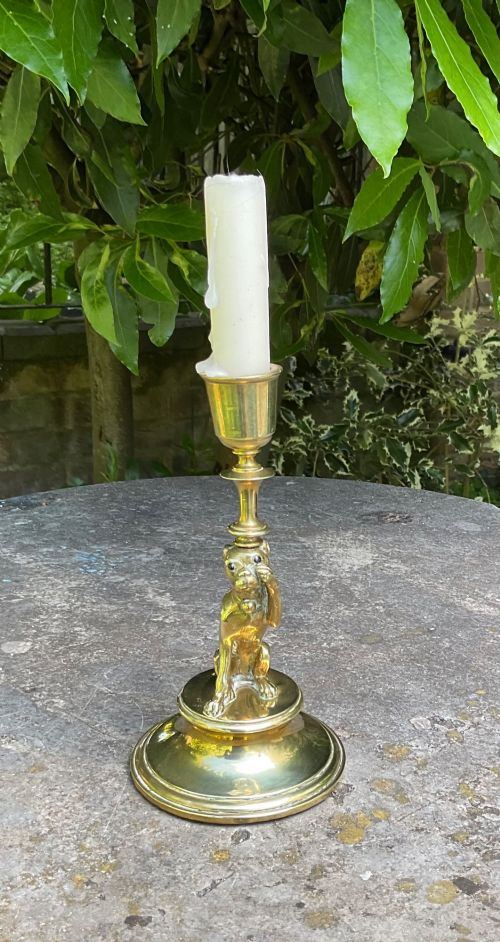
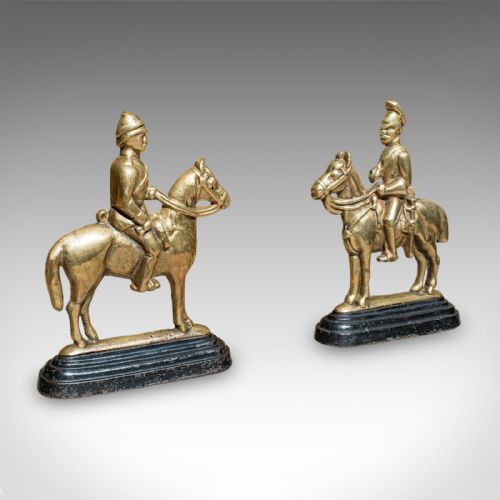
Animal subjects appear frequently among the listings, including dogs, horses, elephants, and birds rendered in cast brass or bronze. Human figures also feature prominently, ranging from soldiers and cavaliers to historical and literary characters.
Stylistic influences span traditional Victorian design, Rococo Revival, and folk art interpretations. Many items serve practical domestic roles within the Victorian home while displaying considerable sculptural detail.
Evaluating craftsmanship and detail
The weight and stability of the piece also distinguish superior items, particularly in functional forms like doorstops and bookends where substantial metal gauge matters. Additionally, integrated bases, gilding quality, and the preservation of original patination elevate certain examples above standard production pieces.
Object types range widely from utilitarian doorstops and bookends to clocks, desk sets, and Grand Tour classical souvenirs.
Palais Royal
The Victorian Brass Figurines Glossary
- Cast brass
- An alloy of copper and zinc poured into a mould to form solid or hollow shapes. This method enabled nineteenth-century foundries to mass-produce decorative figurines with consistent underlying forms.
- Doorstop
- A heavy utilitarian object designed to hold interior doors open. In Victorian households, these often took decorative sculptural forms featuring animals, figures, or heraldic subjects.
- Gilded bronze
- Bronze metal coated with a thin layer of gold or gold-coloured alloy. This technique imparted a rich metallic lustre to small decorative sculptures and desk accessories.
- Grand Tour souvenir
- A portable artwork or antiquity acquired by travellers touring European cultural sites during the eighteenth and nineteenth centuries. These included small-scale bronze copies of classical statues.
- Patina
- The surface sheen and colour acquired by metal through age, handling, and oxidation. Collectors often value undisturbed patination for historical authenticity.
Victorian Brass Figurines: Frequently Asked Questions
What were Victorian brass figurines used for?
Many of these objects served dual purposes in the nineteenth-century home, functioning as decorative ornaments while performing practical tasks. Items such as doorstops and bookends kept heavy doors in place and supported volumes on library shelves.
Other pieces were purely decorative or decorative-functional hybrids, including desk stands, jewellery boxes, mantel clocks, and small animal sculptures placed on tables and mantels.
How do I distinguish Victorian pieces from later copies?
Examining the underside, casting seams, and surface wear helps determine the age of a metal object. Nineteenth-century casting methods often leave specific tool marks and heavy metal gauge variations that differ from modern reproductions.
Reviewing the material composition, such as genuine patination on brass or bronze and the integration of period secondary materials like coromandel-wood or early porcelain, provides further clues to dating.
How should I clean antique brass?
Most dealers and collectors advise against aggressive polishing that removes the historic surface patination. Dusting with a soft dry cloth is usually sufficient for regular maintenance.
If cleaning is necessary to remove grime, mild soap and water applied sparingly with a soft brush works best, followed by thorough drying to prevent moisture damage.
Are all these items made entirely of brass?
While the search phrase focuses on brass, the material evidence includes related metals such as bronze, gilded bronze, and copper. Some examples also combine metal figures with porcelain, glass, marble, or wood.
Items like desk stands and clocks frequently incorporate multiple materials to achieve contrasting textures and decorative appeal.