

Victorian Bracelet
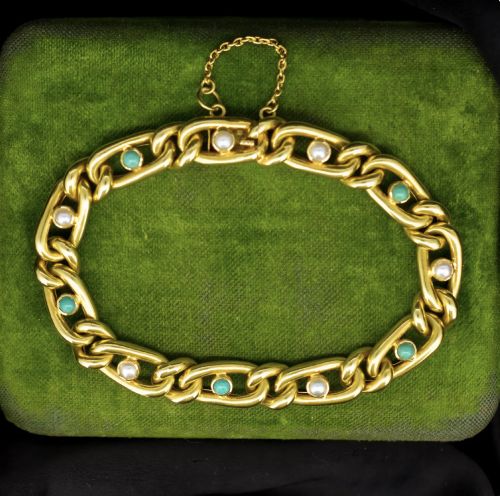
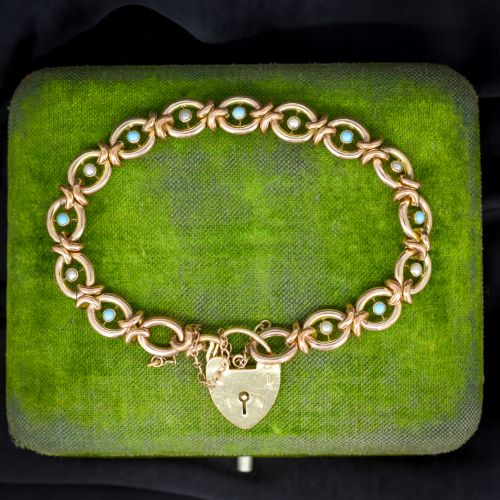
A victorian bracelet brings together heavy gold links, hinged silver cuffs and intricate padlock clasps crafted to last.
Victorian Bracelet
When you search for a victorian bracelet, you encounter hinged silver cuffs, heavy gold curb chains with padlocks, and rigid bangles set with gemstones. These pieces span the nineteenth century and into the early twentieth century, carrying distinct regional characteristics from British workshops and European travels.
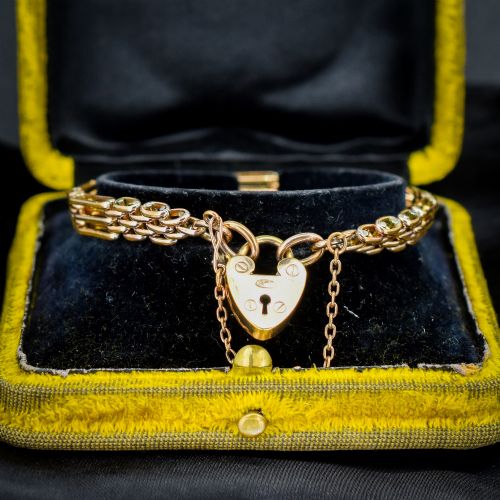
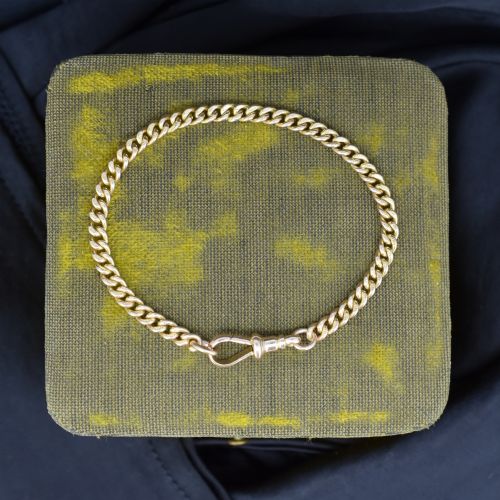
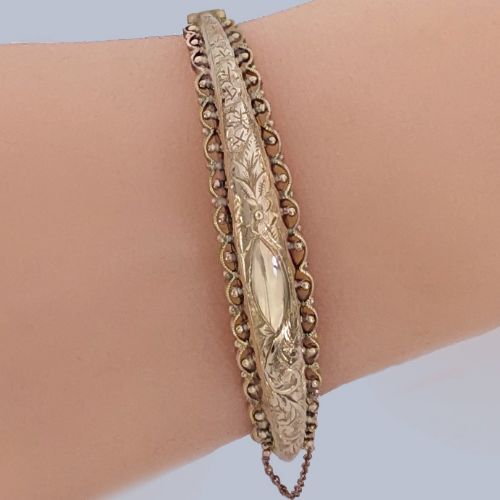
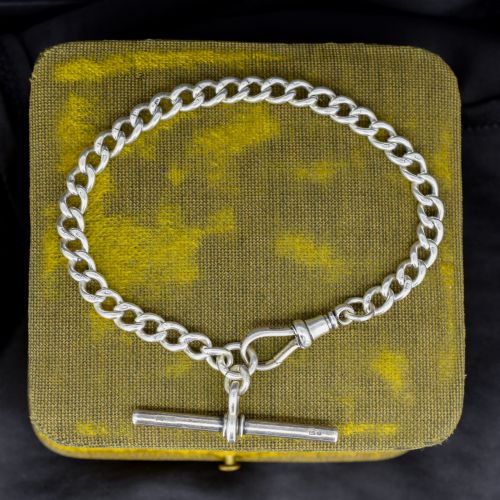
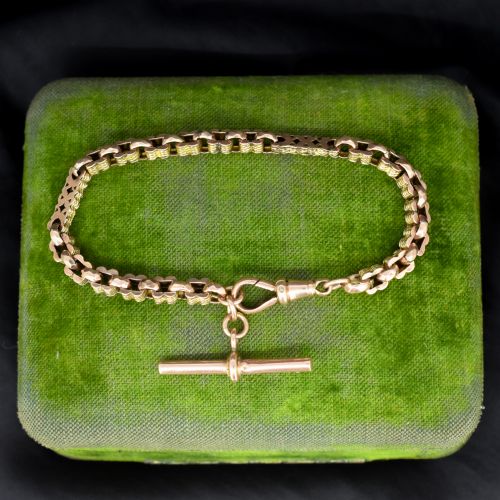
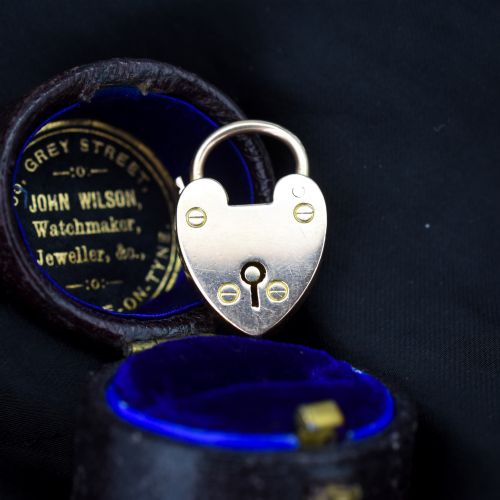
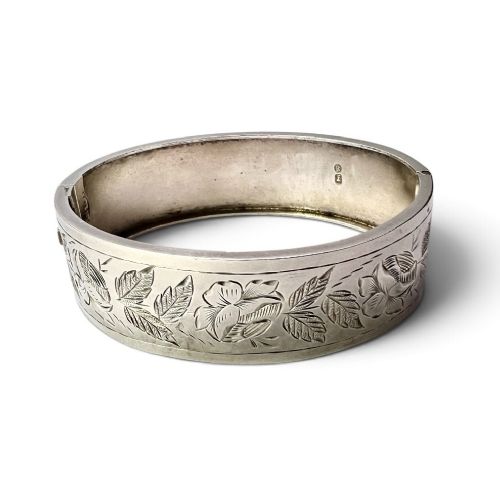
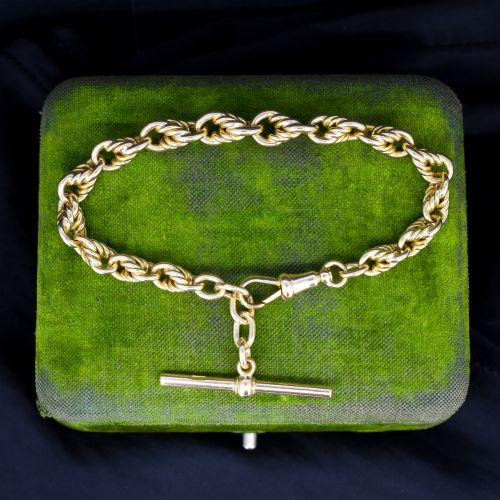
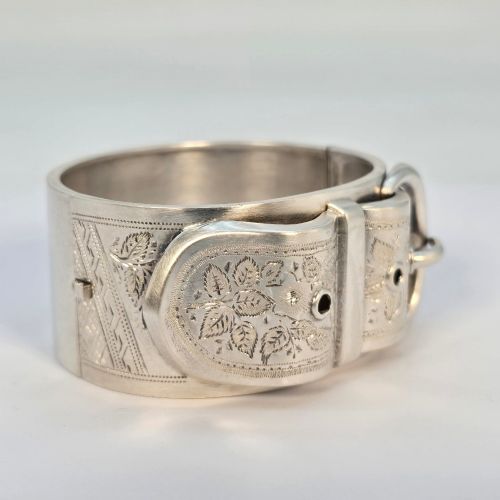
The versions most common on this page are 9ct rose and yellow gold curb links fitted with dog clips or heart padlocks, alongside sterling silver bangles with floral or engraved surface work. Chain links often incorporate T-bars derived from pocket watch alberts, while bangles utilise secure hinged mechanisms.
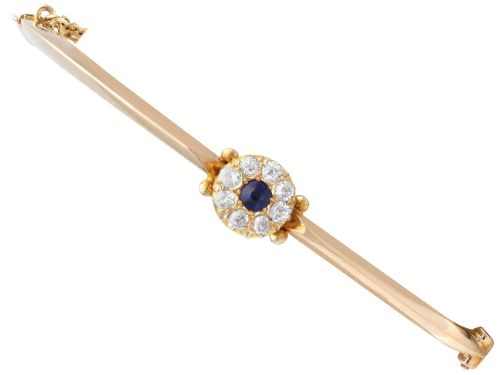
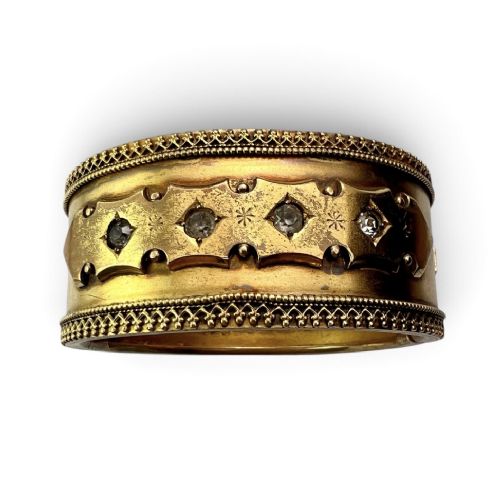
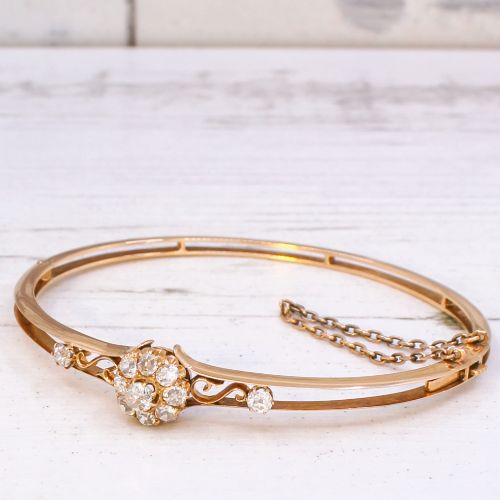
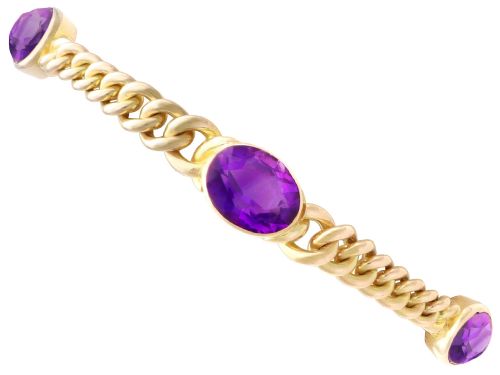
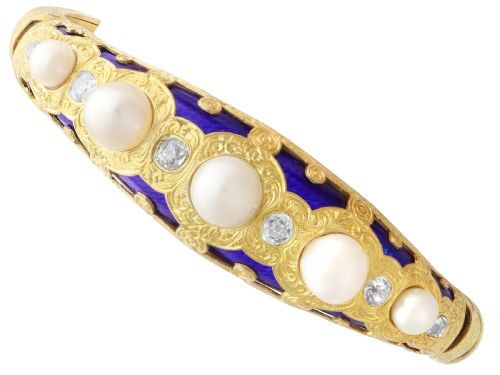
Other variations appearing here include gem-set pieces featuring diamonds, amethysts, pearls and turquoise, as well as specialised styles like Scottish agate designs and Italian micro mosaics. These range from everyday sentimental jewellery to substantial statement pieces created for formal wear.
Materials and Technique
The construction of these items relies heavily on yellow and rose gold of varying carat weights, alongside sterling silver and niello work. Goldsmiths and silversmiths formed links by hand or utilised early machinery for uniform curb and gate patterns, attaching functional fasteners such as dog clips and concealed clasps.
Surface decoration involves hand engraving, repoussé floral motifs, and grain-setting for diamonds, pearls and turquoise. Enamel work and micromosaic assembly demonstrate precise miniature craftsmanship embedded directly into gold and silver backings.
Victorian Bracelet Retail Price Guide 2026
Typical asking prices for victorian bracelet among the pieces listed under this phrase on Sellingantiques today, from the lower quarter to the upper quarter. They describe what is for sale here now, not the wider market.
Periods represented span from the nineteenth century through Edwardian times up to mid century vintage items.
Assessing Quality
The standard of a piece depends on the structural integrity of its links, hinges and safety chains, ensuring the metal retains its intended gauge without thinning. Substantial weight in gold and silver chains distinguishes solid construction from hollow alternatives.
Gemstone selection and setting precision dictate the upper tier, where old cut diamonds, natural pearls and matched amethysts are secured with neat, even claws or bezels. Crispness in hand-engraved patterns and the original working condition of padlocks and dog clips further separate fine examples.
The Victorian Bracelet Glossary
- Padlock
- A heart-shaped clasp commonly attached to curb link chains acting as both a secure fastening and a decorative pendant. These often feature detailed engraving on the front.
- Dog clip
- A spring-loaded swivel fastener used on watch chains and bracelets to attach securely to rings or T-bars. It allows the chain to drape without twisting.
- T-bar
- A short transverse bar attached to the centre of a chain, originally designed to slip through a waistcoat buttonhole. On bracelets, it hangs as a decorative drop.
- Curb link
- A type of chain formed of interconnected uniform links that lie flat against the wrist. Variations include hollow, half-engraved and graduated sizes.
- Micro mosaic
- An intricate image assembled from tiny coloured glass tesserae set into a cement bed. These Italian souvenir pieces depict architectural scenes and flora.
Victorian Bracelet: Frequently Asked Questions
How do I secure a padlock clasp?
Most heart padlocks operate with a hidden spring mechanism that releases the hinged bail when pressed. Ensure the internal spring feels firm before fastening it to a jump ring.
For added security, many owners pair these clasps with a fine safety chain attached to the main body of the bracelet.
Can I wear my bracelet every day?
Solid gold curb links and heavy silver cuffs stand up well to daily wear if handled with reasonable care. Hollow chains and delicate gem-set bangles require more caution to avoid dents and stone loss.
Removing the jewellery before sleeping or engaging in physical work preserves the integrity of the metal and clasps.
What is an albert bracelet?
An albert bracelet is adapted from the watch chains worn during the nineteenth century, featuring graduated links and a T-bar drop. They were designed to hold pocket watches but translate easily into substantial wristwear.
These pieces often showcase hallmarks stamped directly onto the individual links or the final ring.
How do I date silver bangles?
Dating relies on a combination of Birmingham or other assay office hallmarks, specific decorative styles such as floral repoussé, and the presence of hinged mechanisms. The introduction of wide cuff bangles gained particular momentum during the late nineteenth century.
Comparing the clasp type and engraving depth against known period examples helps narrow the production window.