

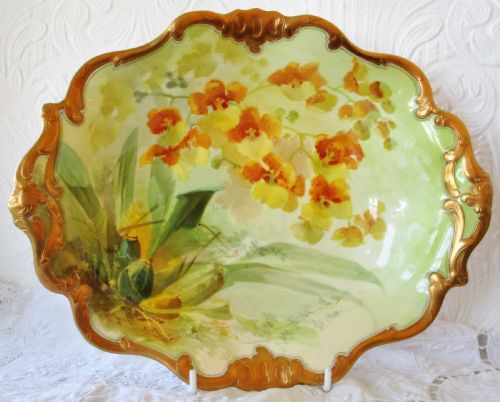


Victorian Botanical Plate
A victorian botanical plate brings the disciplined study of flora into the interior, offering hand-painted flowers on porcelain.
Victorian Botanical Plate
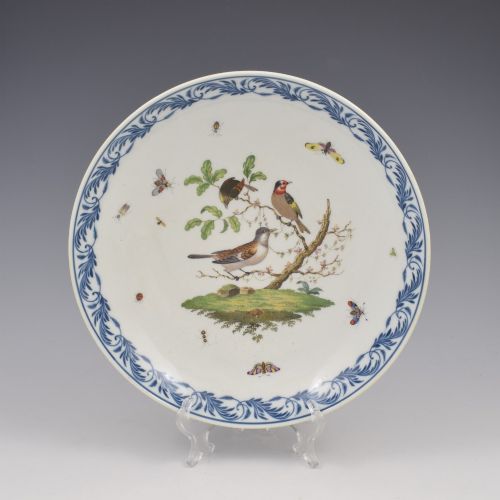
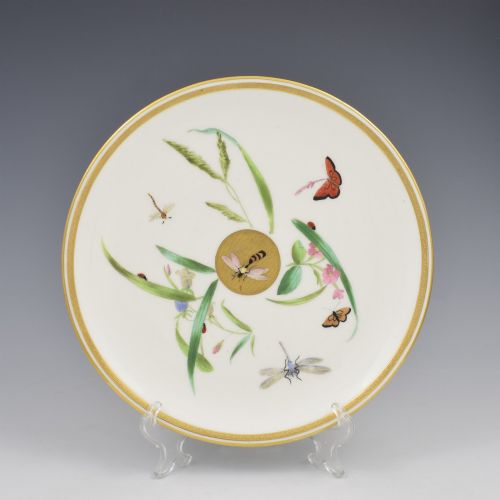
A victorian botanical plate serves primarily as a decorative cabinet piece or part of a larger dessert service, featuring detailed renderings of plants, flowers, or orchids. These items bridge natural science and domestic display, reflecting the nineteenth-century passion for gardening and taxonomy.
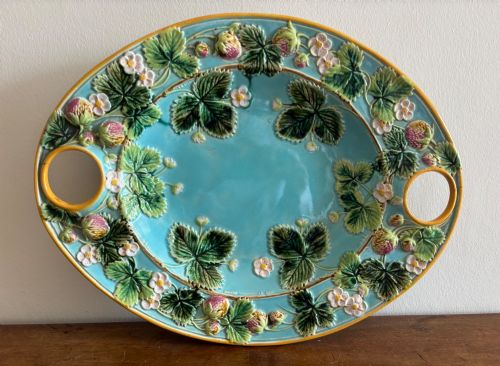
You are most likely to encounter porcelain and bone china examples decorated with hand-painted botanical motifs, often supplemented by gilt highlights or blue and white transfer printing. Forms range from standard circular cabinet plates to specialised dessert dishes and tazzas dating across the nineteenth century.
Materials and Manufacture
Potteries relied on porcelain, bone china, and earthenware as foundations, shaping them into plates and cabinet dishes before applying pigments and glazes. Artisans utilised hand-painting techniques for floral subjects, sometimes incorporating gold leaf or gilt details to accentuate the rims and borders.
Firing processes secured the polychrome enamels and underglaze colours to the ceramic body, ensuring the botanical details survived centuries of handling. Certain pieces combined these ceramic techniques with metal mounts or silver plate components, uniting different workshops in a single finished object.
Victorian Botanical Plate Retail Price Guide 2026
Typical asking prices for victorian botanical plate among the pieces listed under this phrase on Sellingantiques today, from the lower quarter to the upper quarter. They describe what is for sale here now, not the wider market.
Antler handles on serving forks prove that nineteenth-century diners enjoyed bringing the forest directly to the fish course.
Assessing Quality and Execution
The standard of painting forms the primary distinction between ordinary wares and exceptional cabinet pieces, particularly when botanical specimens are rendered with precise scientific accuracy rather than generic floral decoration. Hand-painted works by named artists or major potteries display superior brushwork, subtle colour blending, and finer ceramic bodies.
Gilt application and enamel preservation also dictate the standing of a piece, with heavy, well-burnished gold leaf indicating high-end manufacture. The crispness of the glaze and the sophistication of the moulding on shapes like dessert dishes further separate standard domestic wares from exhibition-grade examples.
George Jones·Meissen·Minton·Royal Doulton·Royal Worcester·Kornilov Brothers·Thomas Moorcroft·Coalport·Elkin & Newbon·Royal Crown Derby·Wedgewood
The Victorian Botanical Plate Glossary
- Cabinet plate
- A decorative ceramic plate intended for display in a cabinet or on a wall rather than for daily dining.
- Bone china
- A type of porcelain incorporating bone ash, yielding a strong, white, translucent body common in nineteenth-century English tableware.
- Gilt
- A thin layer of gold or gold-like material applied to ceramic surfaces and metal mounts for decoration.
- Tazza
- A shallow bowl or plate mounted on a stem and foot, often used as a comport or centrepiece for dessert services.
- Enamel
- Opaque vitreous composition fused to ceramics or metals by heat to provide coloured decoration.
Victorian Botanical Plate: Frequently Asked Questions
What is a victorian botanical plate?
A victorian botanical plate is a ceramic dish decorated with painted flowers, plants, or ornithological motifs, produced during the nineteenth century.
These pieces were typically used for dessert services or displayed as cabinet plates in formal parlours.
How were these plates used originally?
They functioned as part of dessert services for serving fruit and sweet courses in prosperous nineteenth-century homes.
Many higher-quality examples were designated as cabinet pieces, meant solely for visual appreciation behind glass.
How do I identify the period?
Period identification relies on ceramic bodies, glaze characteristics, backstamps, and stylistic movements such as the Aesthetic Movement or Victorian Naturalism.
Hand-painted details and specific potteries active in the nineteenth century provide further chronological markers.
How should I care for them?
These ceramic items require gentle hand washing in warm water without abrasive cleaners to protect the hand-painted enamels and gilt edges.
Displaying them securely on plate stands prevents accidental slips and preserves their condition.