


Victorian Botanical Jewellery
Victorian botanical jewellery captures nature in precious metals and gemstones, offering delicate floral and leaf designs for daily wear.
Victorian Botanical Jewellery
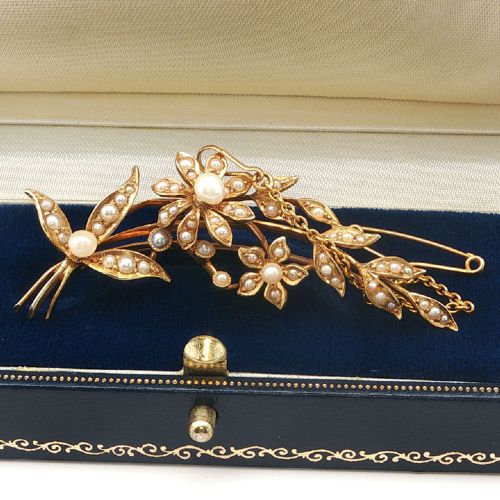
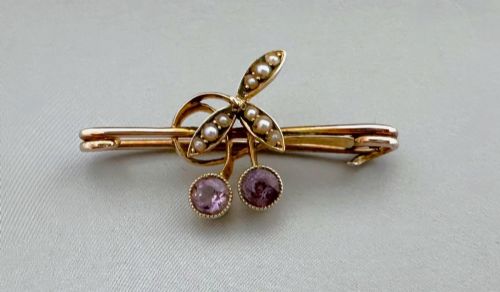
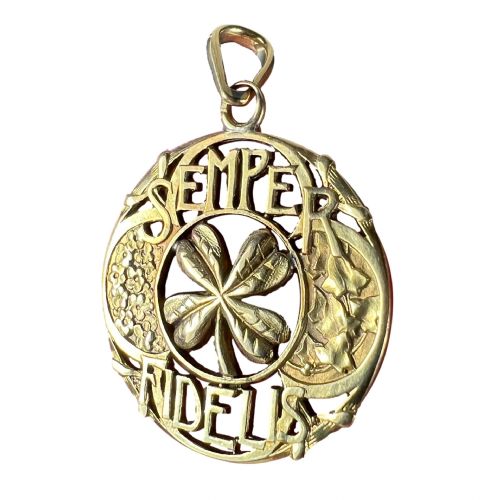
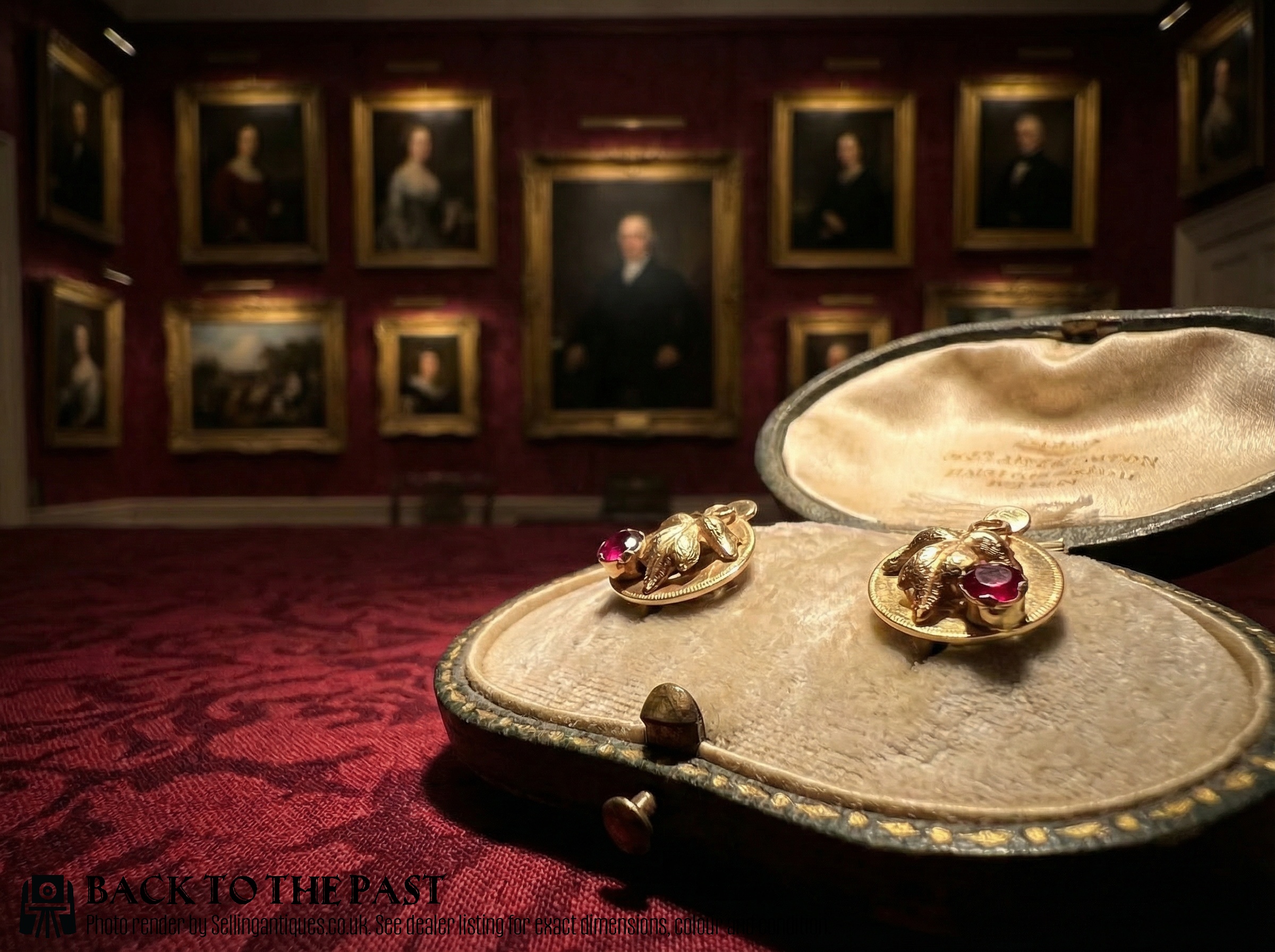
Victorian botanical jewellery encompasses brooches, earrings, pendants, and bracelets shaped as flowers, leaves, clovers, and acorns. The evidence shows these pieces appearing in periods spanning from the nineteenth century through the Edwardian era and into the early twentieth century.
The most common items meeting this description are brooches and earrings fashioned in gold or silver. Natural motifs dominate the forms, frequently incorporating clusters of leaves or floral sprays.
Makers utilised various regional styles, ranging from Victorian aesthetic designs to French antique work and Arts and Crafts copper pieces. This selection reflects diverse interpretations of flora across different decades.
Materials and construction
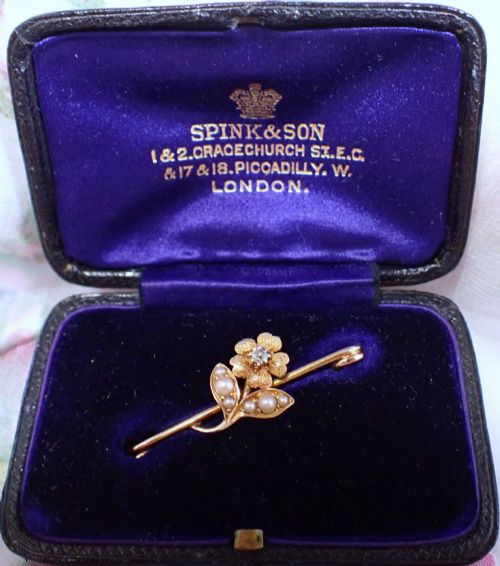
Goldsmiths worked primarily in 9ct, 15ct, and 18ct gold, alongside sterling silver and base metals. Gemstones such as diamonds, rubies, pearls, seed pearls, opals, chalcedony, amethyst, and coral decorate these metal frameworks.
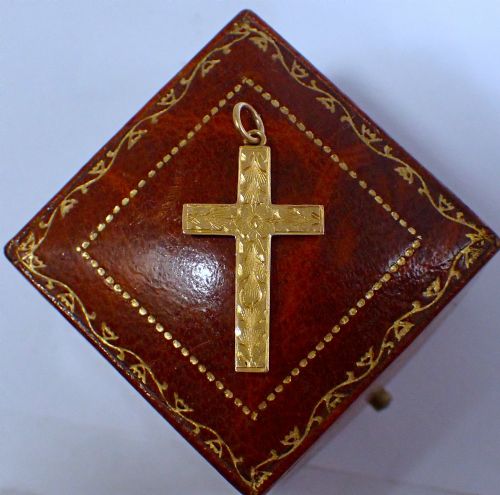
Techniques recorded in the evidence include engraving, repousse work, pokerwork, and plique-a-jour enamel. Artisans also hand-decorated surfaces and carved materials like coral to achieve detailed natural textures.
Listings feature periods from the nineteenth century through the Edwardian era, spanning gold, silver, diamond, pearl, and enamel materials.
Judging quality in botanical pieces
Quality rests upon the precision of the botanical carving or engraving and the secure setting of stones like diamonds and seed pearls. Superior examples display realistic botanical contours and balanced proportions within leaf and flower sprays.
The choice of metal alloy and enamel work also defines the standard of a piece. Finer items employ higher gold purities and complex enamelling techniques that require skilled handwork.
The Victorian Botanical Jewellery Glossary
- Plique-a-jour
- An enamelling technique where enamel is applied in cells without a backing, resembling miniature stained glass. This method allows light to pass through the translucent colour.
- Repousse
- A metalworking method where the metal is hammered from the reverse side to form a raised design in relief. Artisans then refine the details on the front.
- Seed pearl
- Very small natural pearls, often pierced and threaded or sewn onto metal settings. They commonly accent floral and leaf clusters in period pieces.
- Aesthetic Movement
- A late nineteenth-century design style emphasising visual beauty over narrative or moral themes. Pieces from this movement often feature stylised natural forms.
- Dormeuse
- A type of earring designed originally to be comfortable enough to wear while sleeping. They typically feature secure fastenings suited for continuous wear.
Victorian Botanical Jewellery: Frequently Asked Questions
What is victorian botanical jewellery?
It is wearable art depicting flowers, leaves, and natural foliage produced during the nineteenth and early twentieth centuries.
Pieces range from gold flower spray brooches to silver leaf earrings set with diamonds and pearls.
How do I date these pieces?
Dating relies on metal purity marks, fastening types, and stylistic indicators such as Aesthetic Movement or Arts and Crafts motifs.
Periods often overlap, moving from mid-nineteenth-century coral carvings to later Edwardian and Art Nouveau enamel work.
How were these jewels worn?
Brooches were pinned to lapels and bodices, while drop earrings and pendants adorned the head and neck. Bracelets graced the wrist as part of coordinated suites.
Many items served as daily personal adornments rather than strictly ceremonial pieces.
How do I care for botanical jewellery?
Store delicate items separately to protect vulnerable seed pearls, enamel work, and soft stones like coral or opal. Avoid harsh chemical dips, cleaning gently with a soft cloth.
Professional inspection helps maintain the security of intricate stone settings.