

Victorian Bookcase Storage
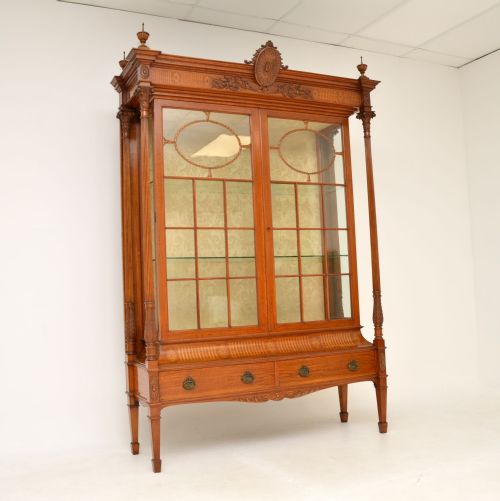
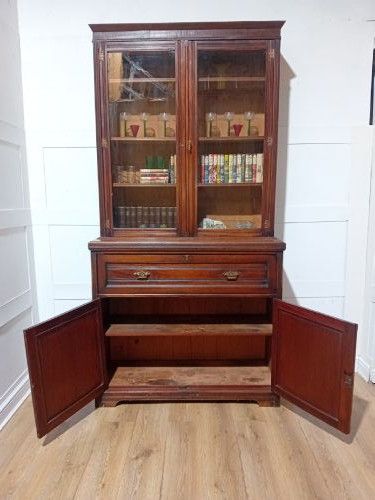
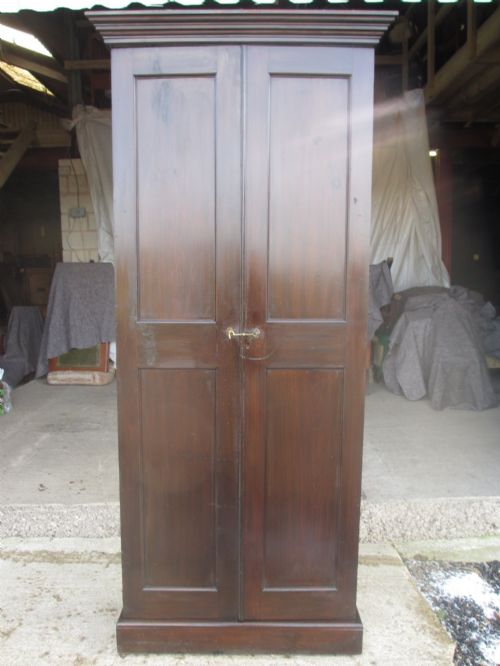
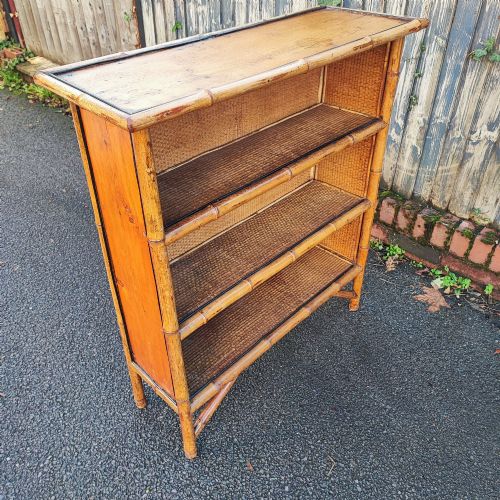
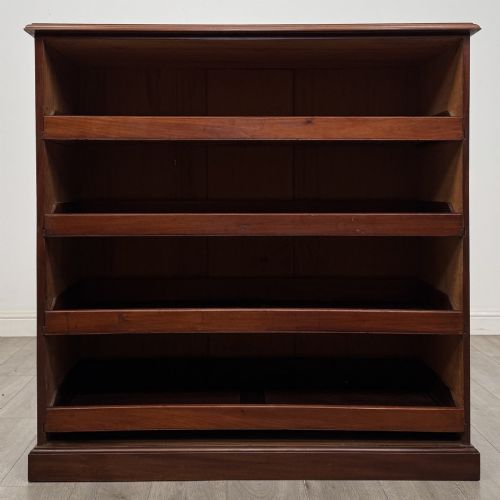
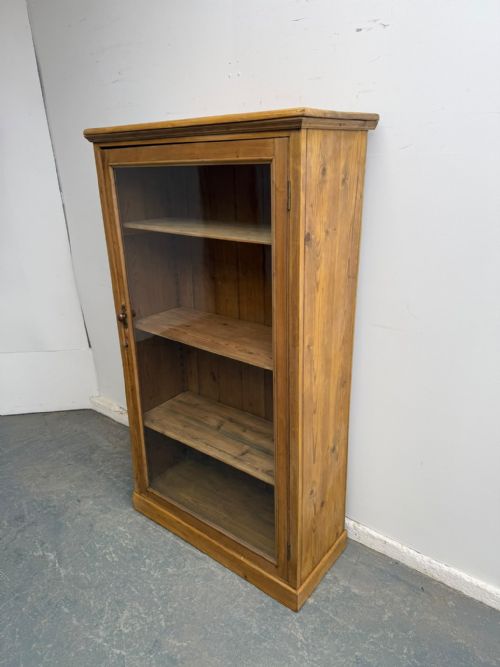
Victorian bookcase storage pieces combine practical shelving with timber cabinetry, offering substantial capacity for books and collections.
Victorian Bookcase Storage
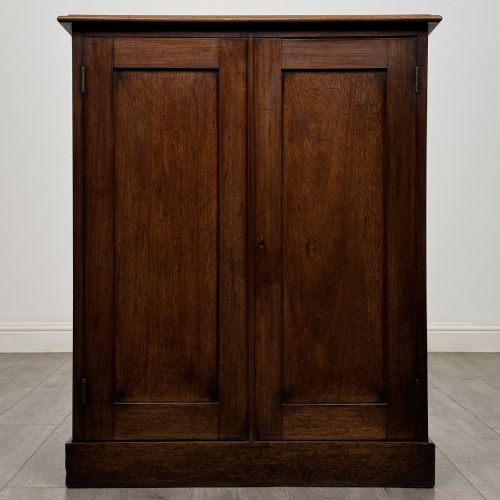
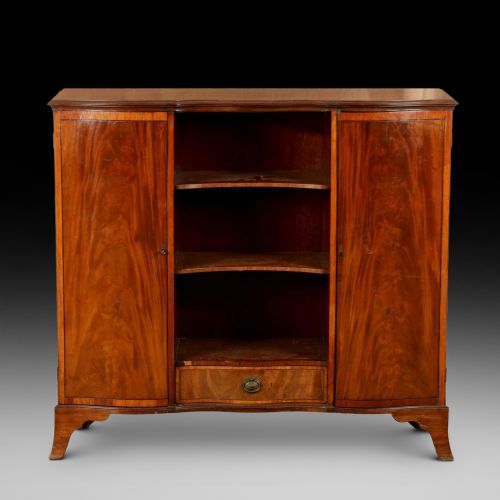
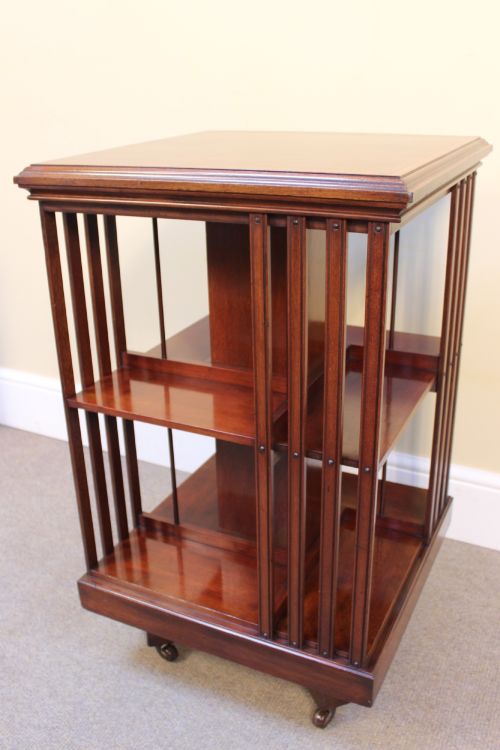
Victorian bookcase storage encompasses tall library cabinets, glazed display cupboards, open bookshelves, and multi-tier compartments designed to house volumes and display objects. These pieces originate predominantly from the nineteenth century, spanning decades from the eighteen-fifties through to the eighteen-nineties.
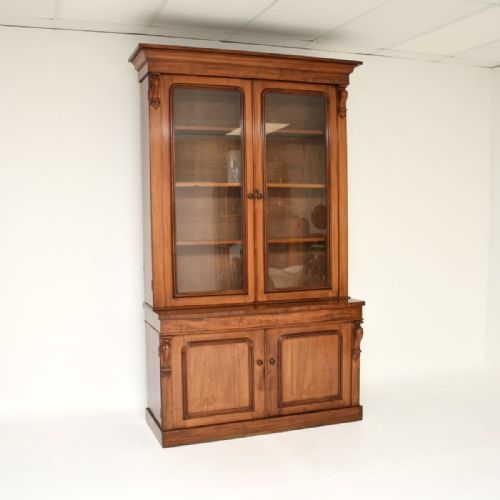
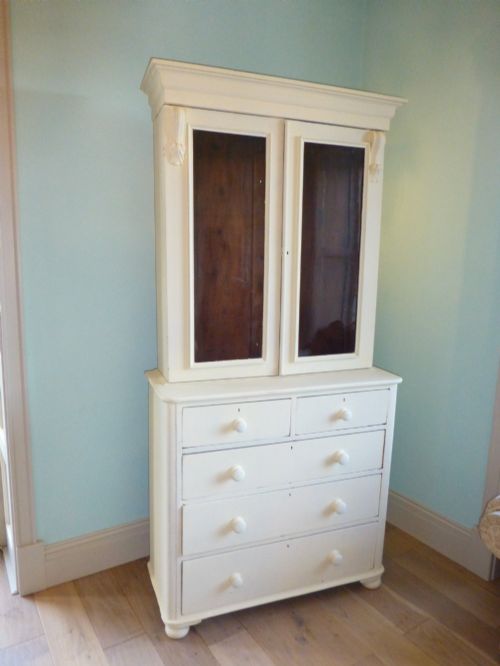
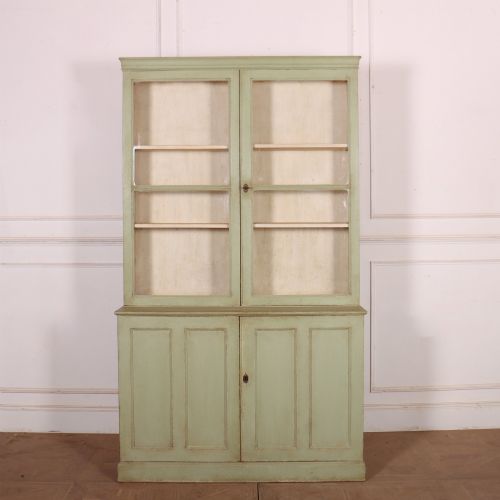
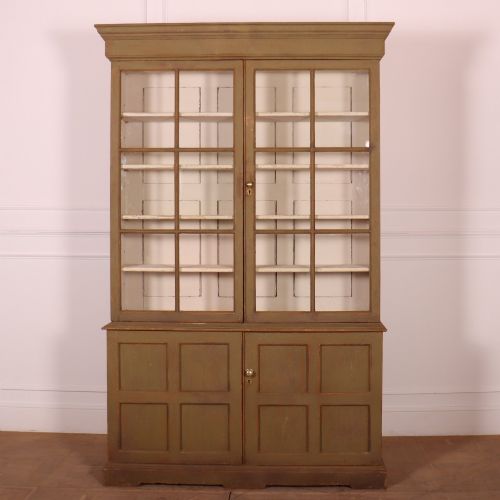
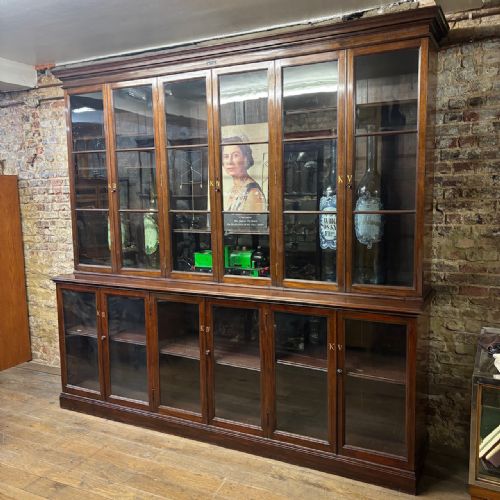
The version most commonly encountered on this page is the upright mahogany or pine bookcase, often featuring glazed upper doors above a lower wooden storage cupboard or drawer section. Such items reflect the domestic expansion of personal libraries during the Victorian era, ranging from country house estate office cabinets to narrow salon units.
Materials and construction methods
Cabinet makers utilised dense hardwoods such as mahogany, walnut, rosewood, and oak for formal reception rooms, alongside sturdy pine for domestic kitchens and country houses. Surfaces frequently display figured veneers, satinwood inlay, or ebonised detailing, while internal components rely on solid timber construction.
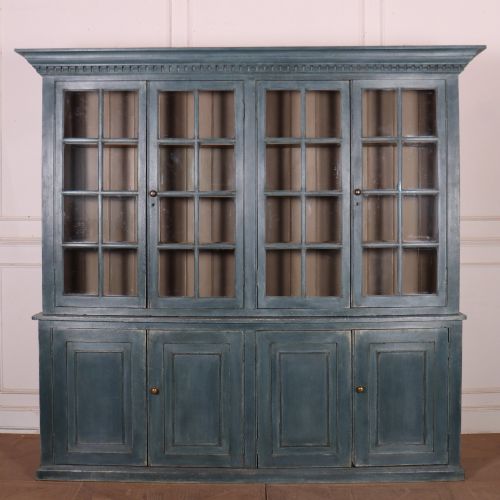
Glazing bars hold individual panes of glass within door frames, and brass fittings secure closures on larger cupboards. Shelving is often adjustable via wooden ratchets or metal supports, accommodating books of varying heights within the fitted interior.
Victorian Bookcase Storage Retail Price Guide 2026
Typical asking prices for victorian bookcase storage among the pieces listed under this phrase on Sellingantiques today, from the lower quarter to the upper quarter. They describe what is for sale here now, not the wider market.
The listings on this site span the Victorian period, the nineteenth century, the Regency era, and the early twentieth century, utilising mahogany, pine, oak, walnut, rosewood, bamboo, and iron.
Indicators of refinement in construction
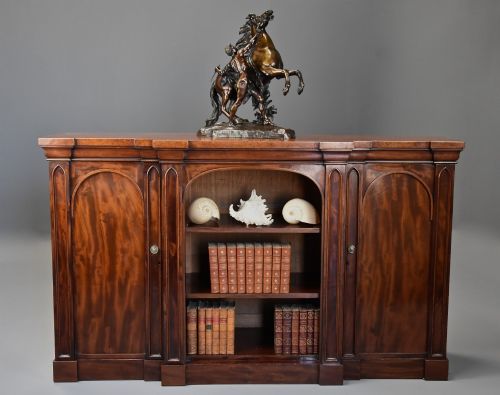
Refinement in these cabinets is determined by the selection of figured timber veneers, the precision of inlay work, and the delicacy of carved ornamentation, such as Gothic revival motifs or panel mouldings. Superior examples demonstrate balanced proportions and thoughtful integration of glazing alongside secure cabinetry.
Internal joinery, including dovetailed drawer construction and the stability of adjustable shelving systems, distinguishes utilitarian pieces from workshop items of higher ambition. The retention of original glass, brass hardware, and polished surfaces preserves the structural integrity established by nineteenth-century makers.
Heals·Leonard Wyburd for Liberty and Co
The Victorian Bookcase Storage Glossary
- Glazed
- Fitted with glass panels in doors or sides to display contents while protecting them from dust. This treatment is typical of upper bookcase sections.
- Burr walnut
- Timber cut from abnormal growths on walnut trees, yielding highly figured grain patterns with swirling knots. Cabinet makers prized this material for decorative veneering on Victorian salon pieces.
- Adjustable shelves
- Shelves that can be moved to different heights using internal slots, pegs, or racks. This adaptability was essential for housing libraries of varying book sizes.
- Cornish dresser
- A regional kitchen storage form combining lower cupboards with upper open shelves or display space. These pieces utilise practical painted or waxed pine construction.
- Whatnot
- An open set of multi-tiered shelves designed for displaying small ornaments and books. These freestanding pieces gained popularity during the nineteenth century.
Victorian Bookcase Storage: Frequently Asked Questions
How were Victorian bookcases used?
Victorian households utilised these storage units primarily in libraries, studies, and formal parlours to organise bound volumes and safeguard delicate paper collections from soot and dust.
Lower enclosed cupboards provided supplementary space for ledgers, portfolios, or household items that required concealment behind wooden doors.
Where should I place a bookcase?
Position these substantial pieces against interior walls away from direct sunlight, which can fade polished mahogany, rosewood, and walnut surfaces over time.
Maintain a stable distance from direct heat sources to prevent the solid timbers and decorative wood veneers from drying out or splitting.
How do I identify a Victorian piece?
Examine the timber selection, construction methods, and hardware style, noting the presence of dense native or imported hardwoods, hand-cut dovetails, and traditional glass panes.
Stylistic markers such as Gothic revival carving, ebonised accents, or proportions typical of the nineteenth century help distinguish these items from later reproductions.
Can shelves be adjusted easily?
Many nineteenth-century bookcases feature adjustable shelving systems utilising wooden sawtooth racks, brass tracks, or peg holes cut into the interior uprights.
Owners can reposition these internal boards to accommodate books of different heights without altering the original structural framework of the cabinet.