


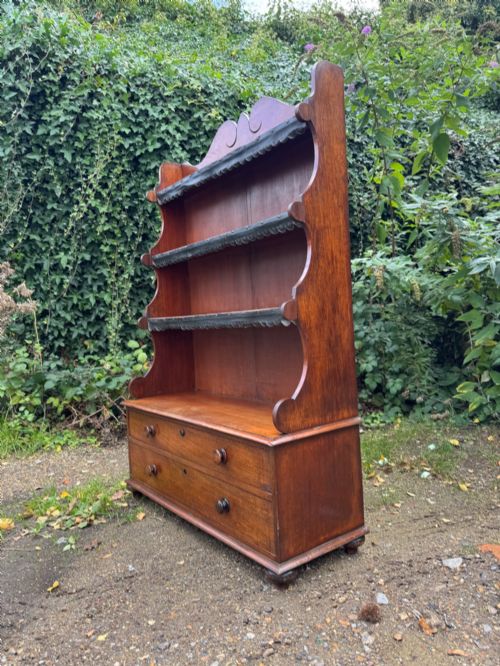
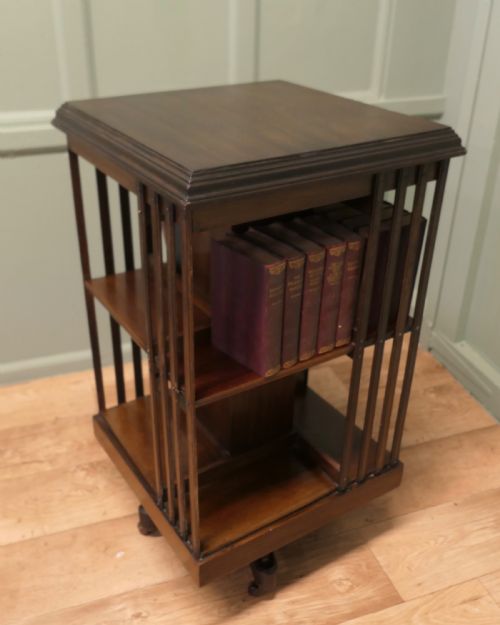
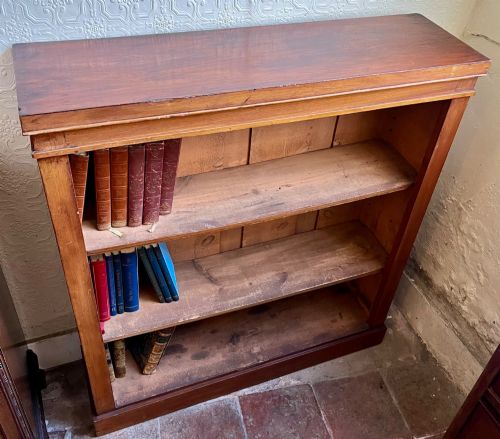
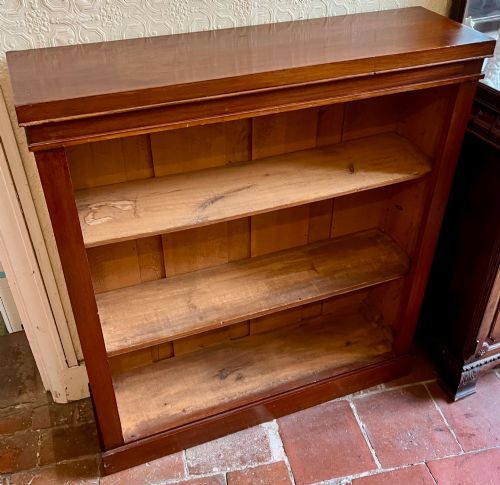

Victorian Book Shelf
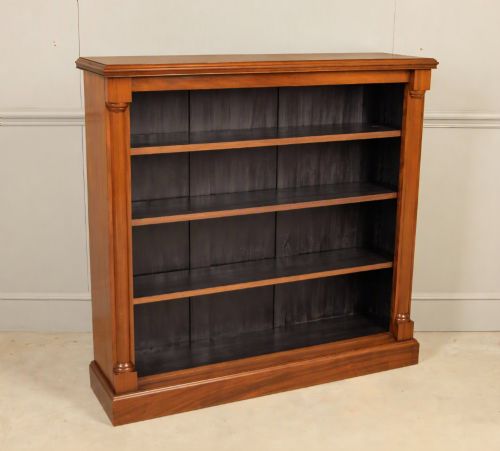
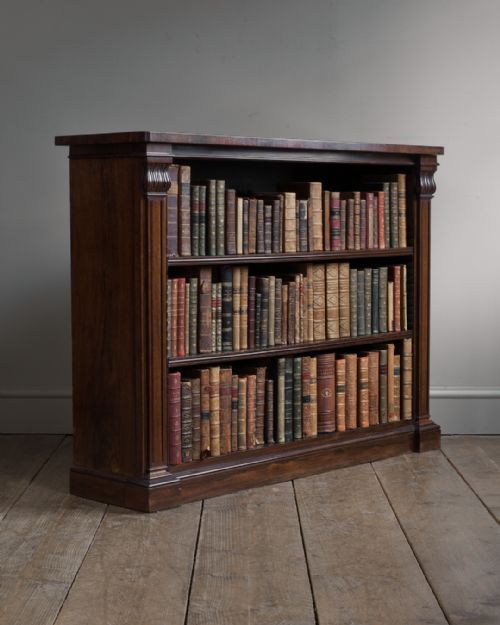
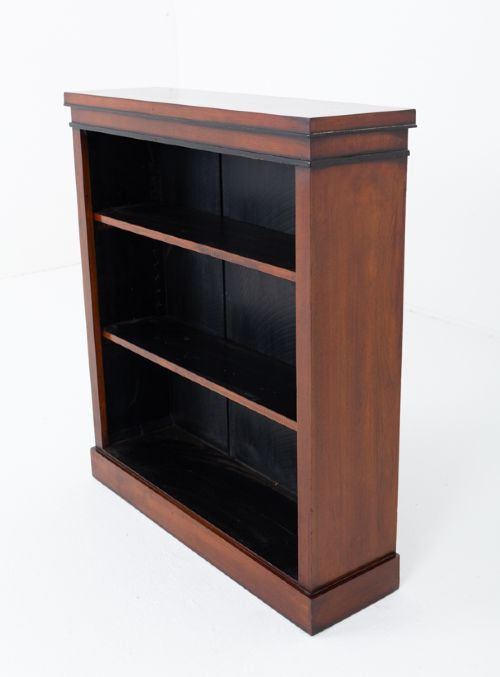
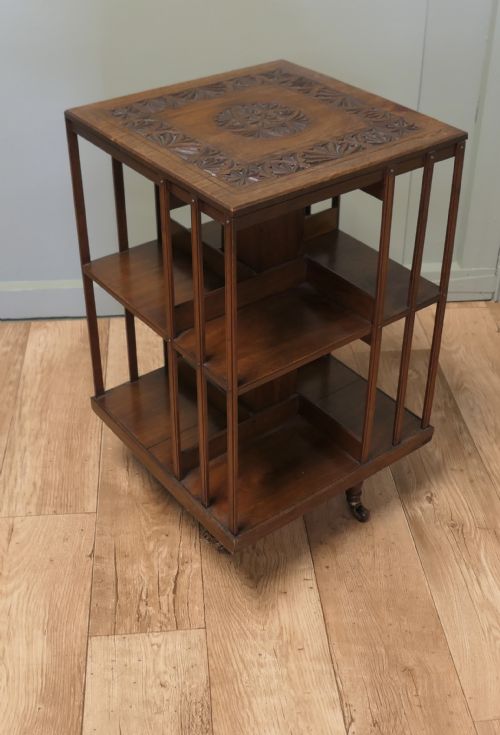
When a room calls for a victorian book shelf, open mahogany and walnut tiers bring structure and warmth to collections.
Victorian Book Shelf
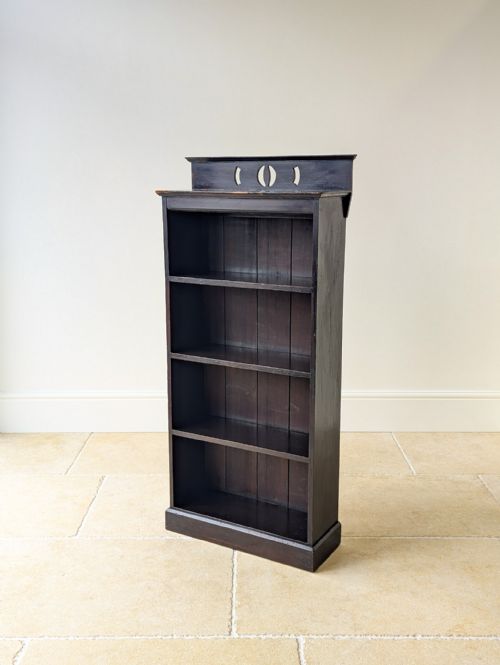
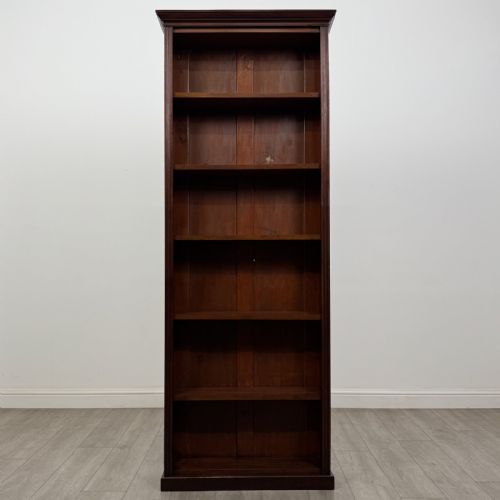
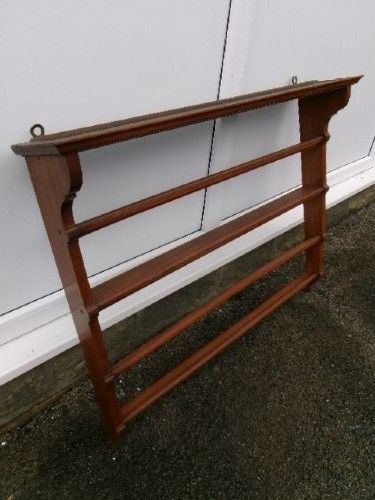
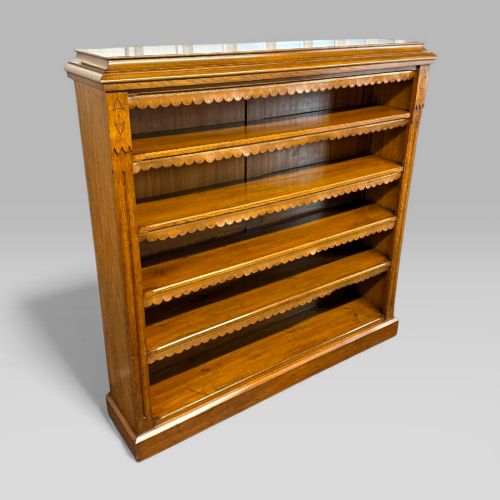
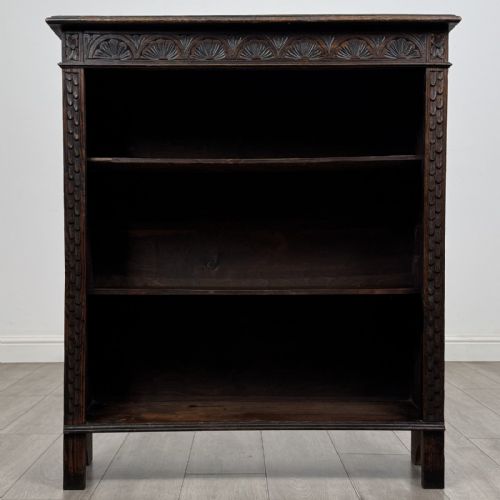
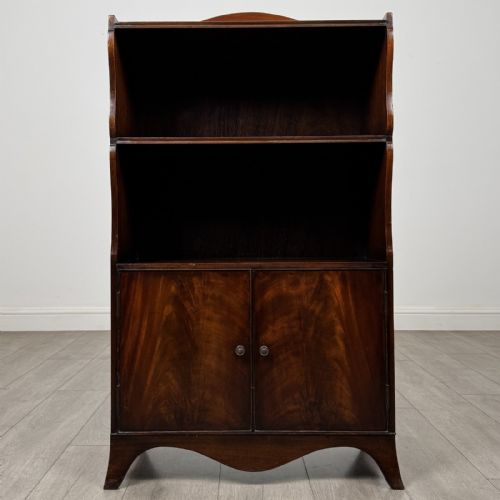
A victorian book shelf on this page typically takes the form of an open bookcase, a wall hanging shelf rack, or a tiered whatnot. These pieces provide accessible display and storage for volumes and decorative objects in domestic interiors.
The materials span mahogany, oak, walnut, rosewood, and pine, reflecting the timber preferences of the nineteenth century and subsequent periods. Makers utilised these dense woods to build sturdy frames capable of supporting heavy rows of books.
Most examples date from the nineteenth century, including specific decades like the eighteen-sixties and eighteen-eighties, alongside occasional later pieces from the early twentieth century. Forms range from compact single sections to large breakfront multi-section bookcases.
Materials and Construction
Cabinet makers constructed these shelves primarily from solid timbers like mahogany, oak, and walnut, frequently applying burr walnut veneers for decorative grain patterns on prominent surfaces. Hardwoods provided the structural integrity needed for upright sides and supporting plinths.
Metal elements such as brass galleries appeared on top surfaces and whatnots to secure displayed items, while adjustable shelving mechanisms allowed owners to alter shelf heights for different book sizes. Joinery methods relied on traditional fitted joints to ensure long-term stability under weight.
Victorian Book Shelf Retail Price Guide 2026
Typical asking prices for victorian book shelf among the pieces listed under this phrase on Sellingantiques today, from the lower quarter to the upper quarter. They describe what is for sale here now, not the wider market.
Listings feature woods including mahogany, oak, walnut, rosewood, and pine across nineteenth-century and early twentieth-century periods.
Distinctions in Quality
The standard of timber selection and veneer matching defines the visual appeal of a piece, with figured burr walnut and rich rosewood sitting at the upper end of the scale. Superior examples display thoughtful grain continuity across the front elevation.
The presence of functional refinements, such as smoothly operating adjustable shelving systems and sturdy brass galleries, separates standard utility items from more elaborate workshop productions. Finely carved architectural details and clean lines demonstrate the hand of a skilled cabinet maker.
The Victorian Book Shelf Glossary
- Whatnot
- A set of open shelves used for displaying ornaments and books, popular in nineteenth-century interiors.
- Breakfront
- A piece of furniture where the central section projects forward from the flanking outer sections.
- Etagere
- A piece of furniture consisting of a series of open shelves for displaying small objects.
- Gallery
- A raised ornamental border along the edge of a shelf or top surface, often made of brass.
Victorian Book Shelf: Frequently Asked Questions
Where should I place a wall shelf?
Compact wall hanging shelf racks suit smaller spaces such as studies or hallways where floor area is limited. They attach securely to wall studs to hold lighter volumes and decorative items.
Position them at eye level to make practical use of vertical space while keeping everyday reading material within easy reach.
How do open bookcases differ from cabinets?
Open bookcases provide direct, unhindered access to books without doors or glass panels in front. This design suits active libraries where volumes are retrieved frequently throughout the day.
Enclosed cabinets protect fragile bindings from dust and light, whereas open shelves present the spines as part of the room decor.
Can I adjust the shelf heights?
Many nineteenth-century examples feature adjustable shelves supported by wooden ratchets or metal pins. This system allows you to reconfigure the interior spacing for oversized folios or compact novels.
Check the internal uprights for support tracks to see if the shelf positions can be changed.
How do I care for mahogany shelves?
Maintain finished mahogany and walnut surfaces by dusting regularly with a soft, dry cloth. Avoid placing wooden furniture in direct sunlight or near heat sources to prevent timber splitting.
Apply traditional wax polish occasionally to nourish the grain and preserve the sheen of the wood.