



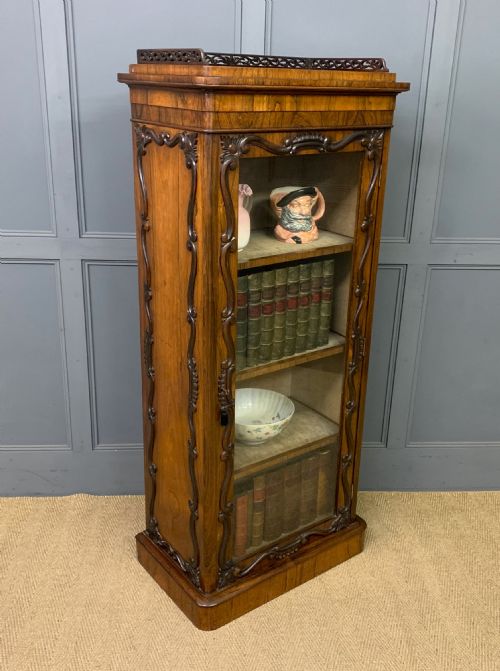
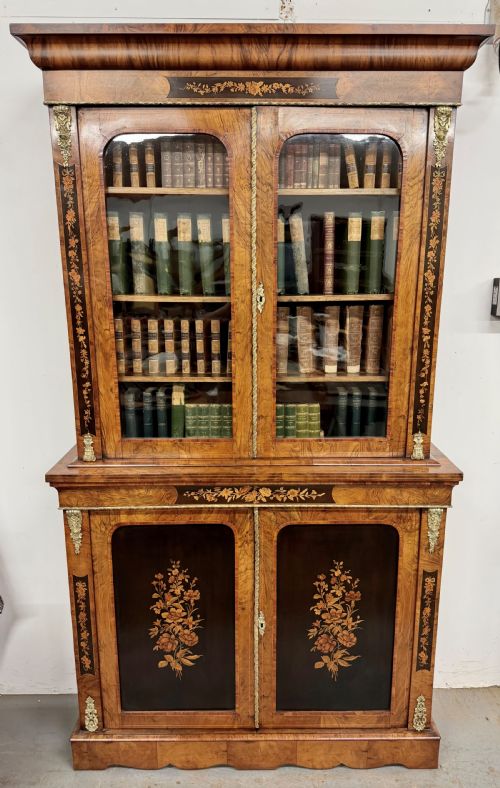


Victorian Book Case
A victorian book case brings period character and substantial timber storage to a room, ranging from grand mahogany cabinets to compact oak shelving.
Victorian Book Case
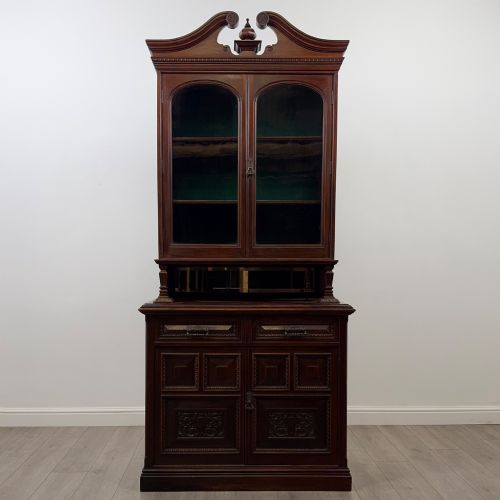
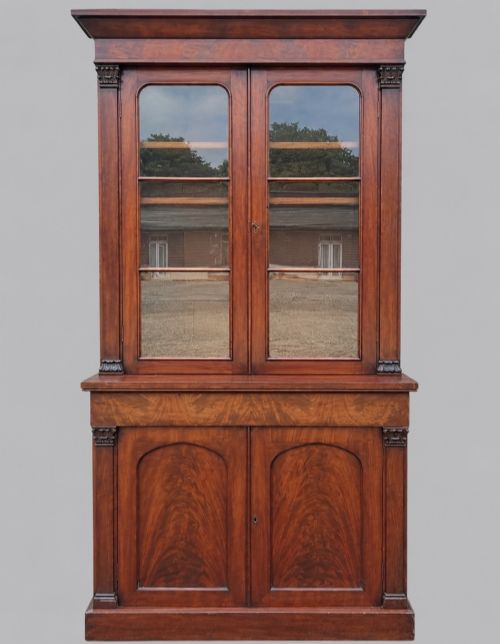
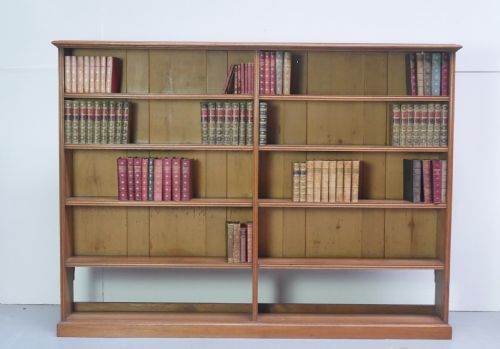
When searching for a victorian book case, buyers encounter a variety of forms including large breakfront library pieces, tall two-section cabinets, and narrower display shelving. These items originate predominantly from the nineteenth century, spanning periods from early Victorian mahogany designs to late nineteenth-century oak and walnut iterations.
The primary function remains housing volumes and display items, often featuring glazed doors to protect contents while maintaining visibility. Pieces frequently incorporate architectural details such as swan neck pediments, adjustable shelves, and marquetry inlay.
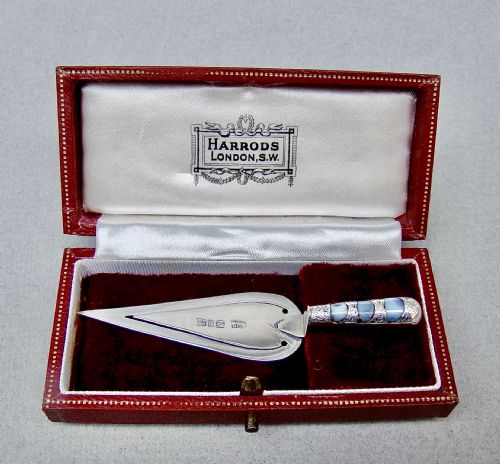
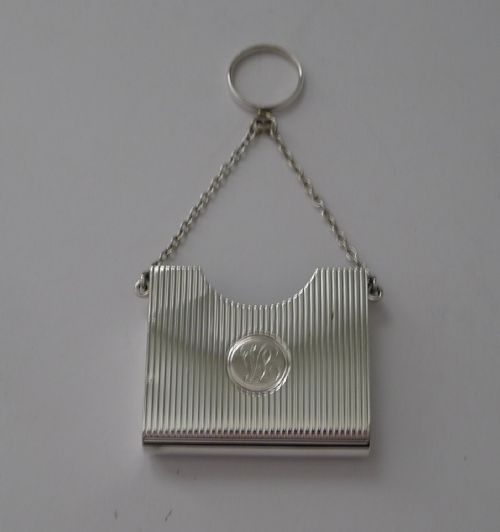
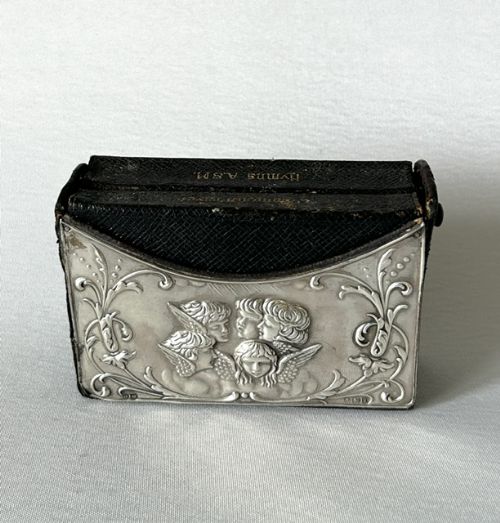
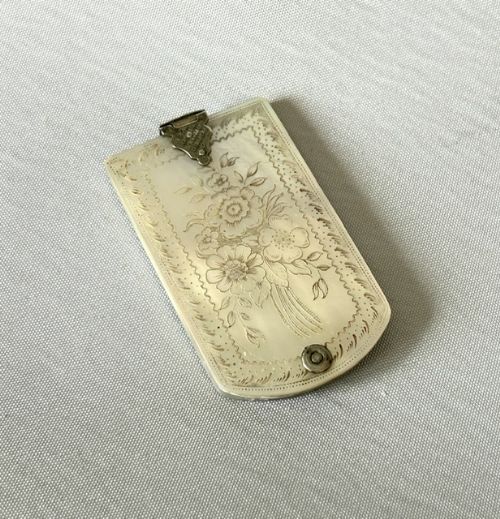
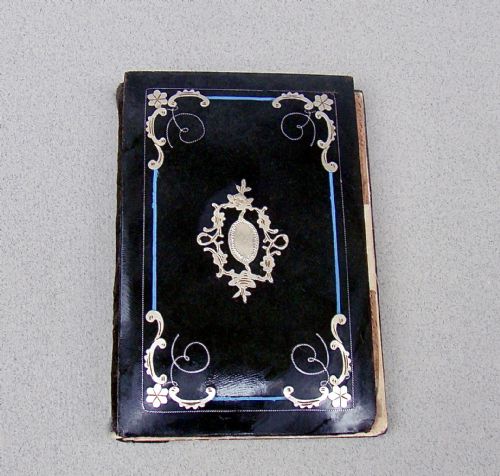
Beyond large furniture, smaller related items appear within the broader category, including bookmarks, prayer book holders, and aide-memoires fashioned from silver, mahogany, and tortoiseshell. The core offerings, however, centre on substantial timber bookcases and shelving units suited to domestic studies and libraries.
Materials and construction methods
Makers utilised dense hardwoods such as mahogany, oak, walnut, and rosewood for the structural carcasses and shelving. Timber selection dictated the visual weight of the piece, with mahogany and walnut offering rich grain patterns favoured in formal libraries.
Glass panels were incorporated into glazed doors, held by timber frames, while brass hardware provided functional hinges, locks, and handles. Interior adjustments relied on wooden supports or peg systems to accommodate varying book heights.
Victorian Book Case Retail Price Guide 2026
Typical asking prices for victorian book case among the pieces listed under this phrase on Sellingantiques today, from the lower quarter to the upper quarter. They describe what is for sale here now, not the wider market.
Listings incorporate both major library furniture in oak and mahogany, and small personal silver items such as bookmarks and prayer book holders.
Factors determining quality
The integration of functional elements such as smoothly operating adjustable shelving and fitted cabinets separates standard utility pieces from high-status library furniture commissioned for substantial homes.
Joseph Moore·Sampson Mordan·James Winter·Ludwig Krumm
The Victorian Book Case Glossary
- Breakfront
- A cabinet design where the central section projects forward from the flanking sides. This configuration creates visual depth in larger library bookcases.
- Swan neck pediment
- A broken curved pediment topping the upper cornice of a cabinet. It often terminates in a scroll or rosette motif.
- Marquetry
- Decorative veneer work arranged in geometric or floral patterns using various coloured woods. It decorates the exterior surfaces of walnut and mahogany furniture.
- Aide-memoife
- A small pocket notebook or memorandum case mounted in silver, tortoiseshell, or mother-of-pearl. These personal accessories date across the nineteenth century.
Victorian Book Case: Frequently Asked Questions
What woods were used for a victorian book case?
Makers constructed these pieces primarily using mahogany, oak, walnut, and rosewood. These hardwoods provided the necessary structural strength for heavy shelving.
Secondary timbers sometimes appear in internal components, while decorative elements incorporated satinwood and various exotic veneers.
Are the shelves adjustable?
Many examples feature fitted adjustable shelves to accommodate books of varying heights. This flexibility was essential for comprehensive domestic libraries.
Fixed shelving also occurs in certain smaller or more utilitarian formats.
How do I identify a nineteenth-century piece?
Dating relies on timber characteristics, construction methods, and prevailing architectural styles such as Gothic Revival or French influences. Hardware types and joint construction provide further chronological indicators.
Cabinet proportions and pediment designs reflect the specific decades of the Victorian era.
Do these cabinets have glass doors?
Glazed doors appear frequently on taller bookcases to protect volumes from dust while allowing visibility. These doors often feature wooden astragals dividing the glass panes.
Open shelving formats also exist without doors for immediate access.