




Victorian Book Box
These victorian book box examples disguise everyday treasures as leather-bound volumes, offering clever storage that sits quietly on a shelf.
Victorian Book Box
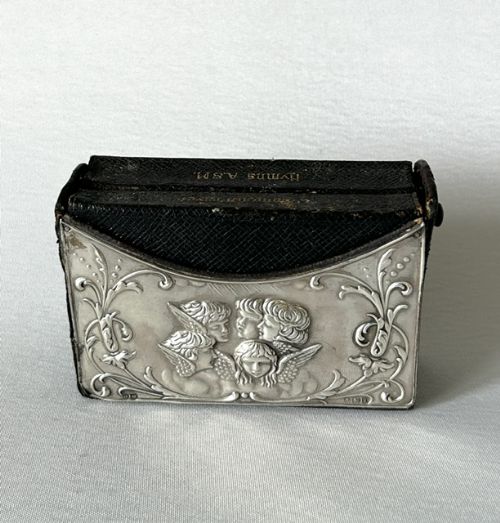
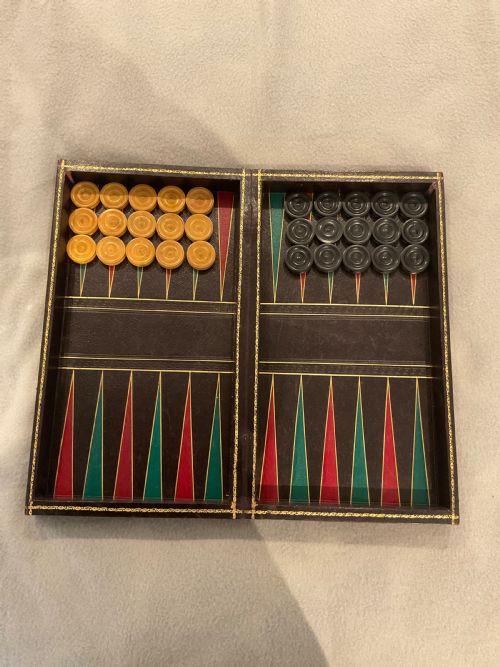
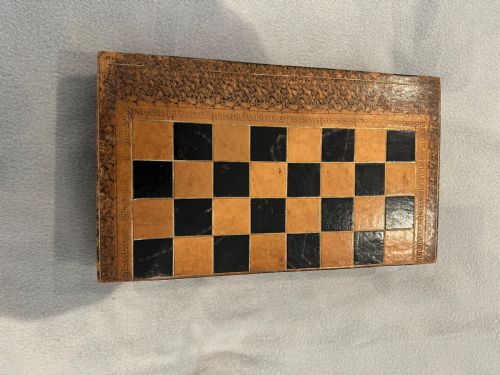
A victorian book box takes the familiar shape of a bound volume to conceal inner compartments for games, writing materials, or keepsakes. The pieces found here span the nineteenth century and into the Edwardian era, taking forms from games boards and puzzle boxes to desk repositories.
Most examples meet you as faux leather volumes or timber-carved receptacles utilising traditional English craftsmanship. Makers constructed these objects to blend seamlessly into a library shelf while holding items ranging from coins to devotional books.
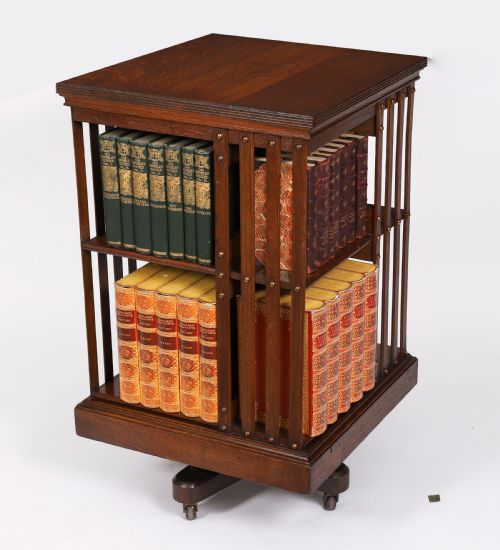
Makers occasionally shaped these as multi-purpose items, including sewing tables, revolving bookcases, and biscuit tins styled as books. The variety reflects a Victorian taste for disguised utility and elaborate novelty storage.
Materials and Construction
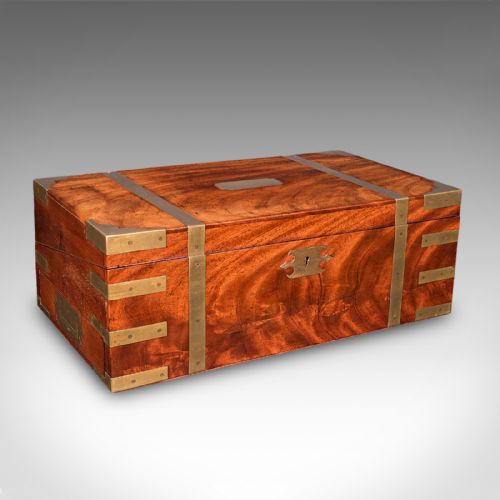
Makers relied heavily on wood and leather as the primary structural elements, often covering timber cores with tooled and gilded leather to simulate real book bindings. Woods such as mahogany, rosewood, oak, and coromandel provided sturdy frames for boxes, cabinets, and tables.
Metal accents frequently appeared alongside these organic materials, incorporating brass hinges, orolu mounts, and sterling silver cases. Gold leaf tooling added fine detail to the leather spines and covers, mimicking authentic publisher bindings.
Victorian Book Box Retail Price Guide 2026
Typical asking prices for victorian book box among the pieces listed under this phrase on Sellingantiques today, from the lower quarter to the upper quarter. They describe what is for sale here now, not the wider market.
Some Victorian biscuit tins were disguised as books so successfully that guests might try to read the tea biscuits.
Assessing Quality and Craftsmanship
Finer examples display meticulous leather tooling and precise joinery that maintain the illusion of a genuine bound volume even upon close inspection. The choice of timber dictates the baseline quality, with dense hardwoods like rosewood and coromandel marking superior production compared to simpler pine or tin alternatives.
The sophistication of the internal mechanism distinguishes standard decorative pieces from exceptional works. Clever hidden compartments, flush-fitting drawers, and heavy brass or silver mountings elevate the status of a piece within its period.
Huntley And Palmers
The Victorian Book Box Glossary
- Faux book
- An object constructed to imitate the appearance of a real book. These often conceal hollow interiors used for games boards, storage boxes, or diaries.
- Writing slope
- A portable slant-topped desk designed for correspondence. It typically opens to reveal inkwell recesses, pen trays, and a sloping writing surface.
- Coromandel
- A dense, heavily figured tropical hardwood prized for its rich dark brown colour and contrasting light streaks. It frequently appears in high-end nineteenth-century desk accessories.
- Ormolu
- Gilded bronze applied as a decorative mount or fitting on furniture and boxes. It provides a bright metallic contrast against dark timber surfaces.
- Tooling
- The process of impressing decorative designs and lettering onto leather surfaces using heated metal tools and gold leaf. It defines the spine and cover details of book-shaped boxes.
Victorian Book Box: Frequently Asked Questions
What were victorian book boxes used for?
These boxes served to conceal personal items, stationery, or gaming equipment in plain sight on a bookshelf. Owners used them to store everything from playing cards and coins to diaries and devotional books.
Their dual nature allowed people to keep everyday utilities accessible yet neatly hidden within a formal library or parlour setting.
How do I tell different periods apart?
Early nineteenth-century pieces often feature heavier timber construction and restrained Georgian proportions. As the Victorian era progressed, makers incorporated more elaborate leather tooling, brass mounts, and diverse materials like coromandel.
Edwardian iterations frequently shift toward lighter woods or novelty metal tins, reflecting changing industrial capabilities and domestic tastes.
Are these boxes waterproof?
Most leather-bound and wooden examples are not waterproof and require careful handling away from moisture. The leather covers and timber frames can warp or stain if exposed to damp conditions.
Gentle dusting and occasional wax application for the wooden surfaces keep the materials stable in modern homes.
Can I store modern books in them?
These pieces are hollow receptacles rather than functional book storage shelves, designed to hold small objects inside their disguised cavities. Placing standard modern books inside is rarely possible due to the internal partitions and fixed box dimensions.
They work best displayed upright among real books or placed flat on a table as a decorative focal point.