



Victorian Bonbonniere
These Victorian bonbonniere pieces are charming sweetmeat containers and serving dishes that bring period elegance to any table.
Victorian Bonbonniere
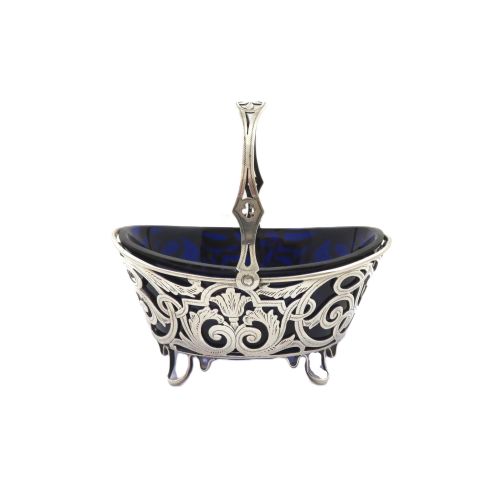
A Victorian bonbonniere encompasses small ornamental sweet dishes, lidded jars, and pierced baskets designed to hold confectionery and sweetmeats. You are most likely to meet silver-mounted glassware and solid silver baskets originating from the nineteenth century.
The objects span varied forms including oval pierced baskets, lidded storage jars, and open sweet bowls intended for formal dining tables and drawing rooms. These items reflect the elaborate hospitality customs of the period.
Makers produced these pieces using distinct regional styles, ranging from English silverwork to Dutch silver combined with cut crystal. Each item serves both a decorative and a functional purpose within the tableware category.
How they were made
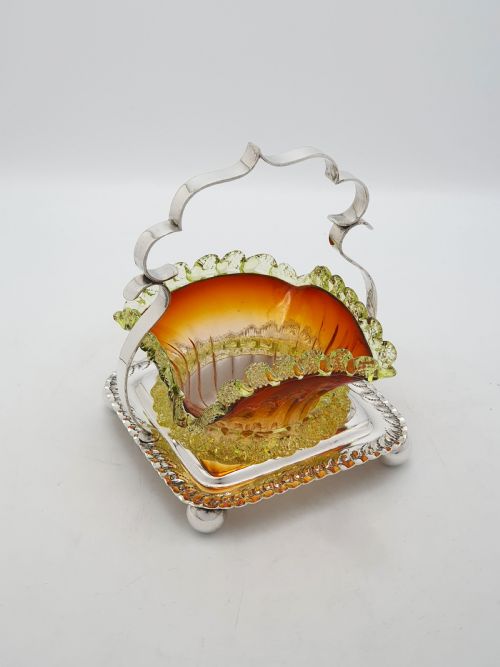
Craftsmen utilised sterling silver, silver plate, and solid silver alongside heavy lead crystal, cut glass, and coloured glass such as cobalt, amber, pink opaque, and cranberry. Metal components often feature intricate piercing and hallmarks.
Glass elements rely on traditional glass-cutting and moulding techniques to produce faceted lidded jars and patterned sweet bowls. The combination of glass vessels with pierced silver mounts demonstrates advanced nineteenth-century manufacturing methods.
Victorian Bonbonniere Retail Price Guide 2026
Typical asking prices for victorian bonbonniere among the pieces listed under this phrase on Sellingantiques today, from the lower quarter to the upper quarter. They describe what is for sale here now, not the wider market.
Listings feature items spanning the Victorian era, specifically highlighting pieces from the 1860s through to the early 1900s.
What varies in quality
Quality rests upon the weight and clarity of the glass, the crispness of the cut facets, and the substance of the silver mounts. Heavier gauge silver and deeply cut crystal represent the higher end of production.
The refinement of the design work, such as detailed piercing on baskets or the integration of coloured glass liners, distinguishes finer examples from simpler utilitarian pieces.
William Comyns
The Victorian Bonbonniere Glossary
- Bonbonniere
- A small ornamental container or dish specifically made for holding sweets, candies, or bonbons. These items often feature lids or open basket designs.
- Sweetmeat jar
- A covered glass vessel used historically for storing sweetmeats, preserved fruits, or confections. They are frequently found in matched pairs.
- Pierced basket
- A metal basket featuring openwork patterns cut or pierced through the silver. This technique lightened the object while creating decorative motifs.
- Sterling silver
- An alloy containing silver and other metals, standardised for quality in British manufacturing. Hallmarks stamped onto the metal indicate the assay office and date.
Victorian Bonbonniere: Frequently Asked Questions
What were bonbonnieres used for originally?
These pieces served as elegant receptacles for holding sweetmeats, sugared almonds, and delicate confections during formal gatherings.
Hosts placed them on dining tables or in drawing rooms for guests to help themselves during dessert courses.
How do I clean antique silver and glass?
Silver components require gentle cleaning with a specialised soft cloth to preserve the metal surface and any delicate hallmarks.
Glass sections should be washed in lukewarm water with mild soap, avoiding harsh abrasives that might scratch the material.
Are glass liners original to the baskets?
Many silver baskets were manufactured with fitted glass or crystal liners to protect the metal from sticky confectionery.
Checking for a snug fit helps determine if the liner belongs to the original piece.
How can I tell a Victorian piece apart?
Dating relies on examining silver hallmarks, which record the assay office, standard mark, and year of manufacture.
Stylistic cues such as heavy cut crystal and Rococo Revival motifs also point towards the nineteenth century.