




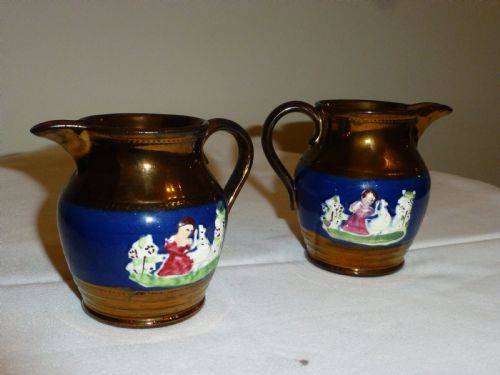


Victorian Blue Lustres
Victorian blue lustres are striking ornamental vessels that bring vibrant colour and reflective metallic sheen to a mantelpiece.
Victorian Blue Lustres
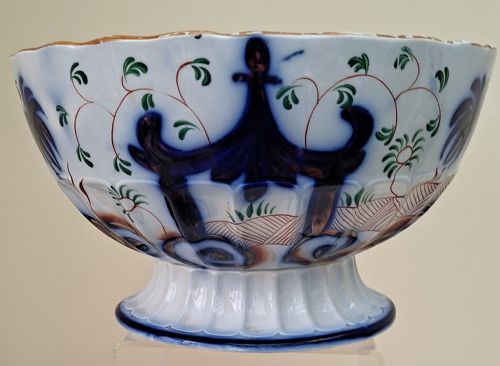
Victorian blue lustres comprise various decorative forms including mantel lustres, pitchers, jugs, basins, and footed bowls originating from the nineteenth century. These objects function primarily as decorative centrepieces rather than utilitarian vessels.
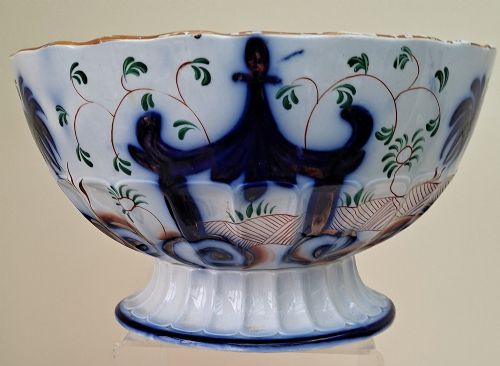
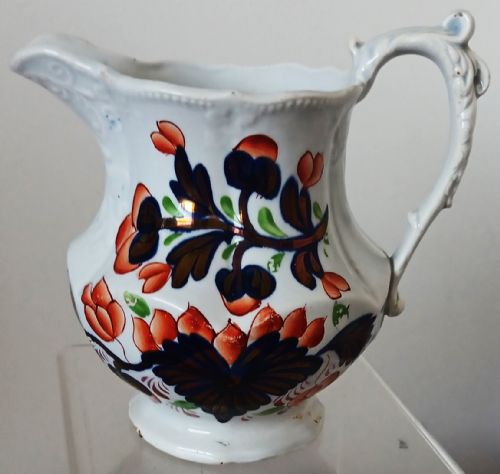
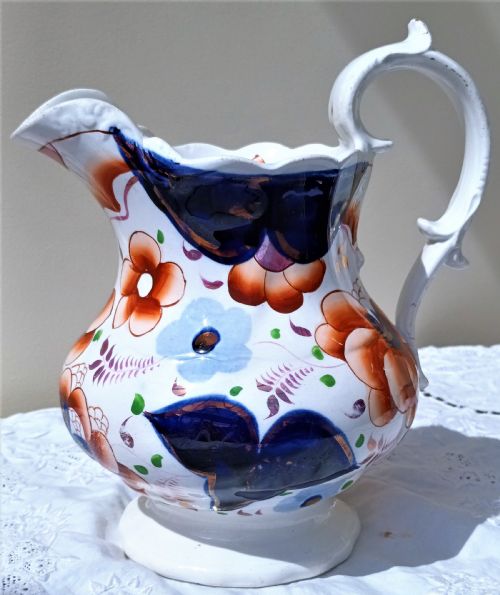
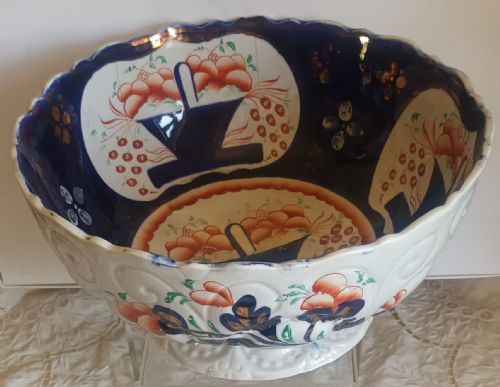
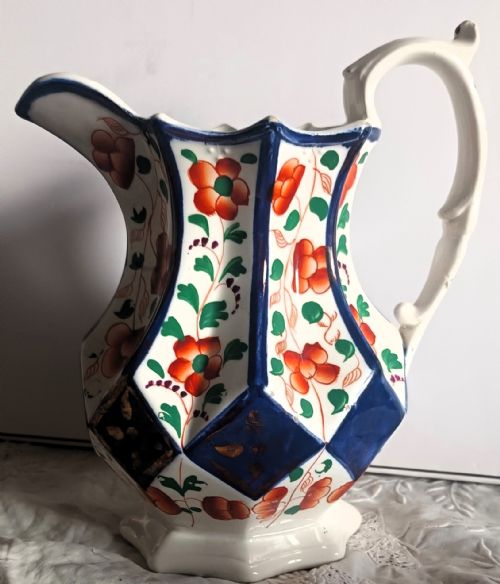
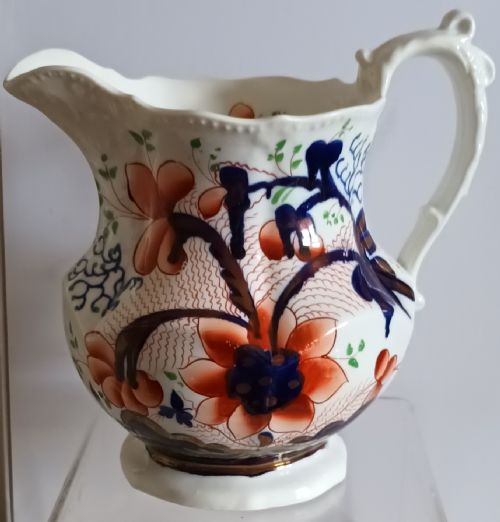
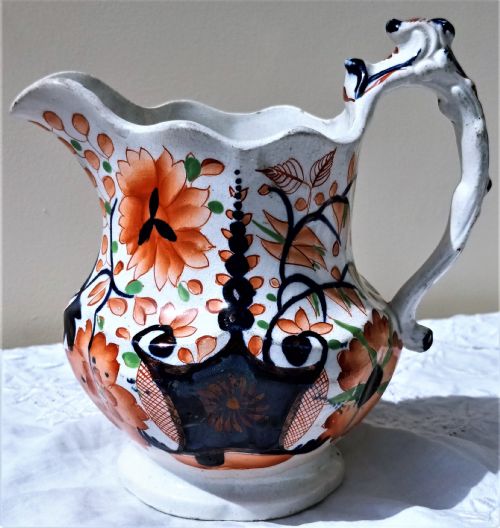
The pieces on this page heavily feature Victorian Gaudy Welsh pottery decorated with named patterns like Pagoda, Harlech, and Celyn, alongside other nineteenth-century earthenware and glass examples.
Materials and construction
Pottery and earthenware form the core of these items, shaped into jugs, basins, and footed bowls during the nineteenth century. Makers applied cobalt glaze and enamel to achieve the rich blue tones seen across the wares.
Specialised techniques produced the distinctive metallic and iridescent finishes, utilising copper lustre and glaze applications alongside overlay glass methods on specific pieces.
Victorian Blue Lustres Retail Price Guide 2026
Typical asking prices for victorian blue lustres among the pieces listed under this phrase on Sellingantiques today, from the lower quarter to the upper quarter. They describe what is for sale here now, not the wider market.
Listings span the nineteenth century and the year nineteen hundred, encompassing earthenware, enamel, copper lustre, and cobalt glaze.
Assessing quality in the range
Quality separates through the crispness of pattern application, such as the hand-painted details on Gaudy Welsh pottery motifs like Grape and Basket of Flowers. Stronger pieces display vibrant enamel adherence and consistent cobalt glaze coverage.
Form and pairing elevate certain items, distinguishing matched pairs of glass mantel lustres or complex combinations like jardiniere and griffin stands from single utility jugs and basins.
The Victorian Blue Lustres Glossary
- Lustre
- A type of pottery or glass finish that produces an iridescent metallic sheen through the application of metallic oxides during firing. This technique reflects light to create a bright, polished surface.
- Gaudy Welsh
- A distinctive style of nineteenth-century Staffordshire pottery characterised by cobalt blue, copper lustre, and bright enamel colours. These wares typically feature hand-painted floral or architectural patterns.
- Mantel lustre
- An ornamental vase fitted with hanging glass prisms designed to sit on a fireplace mantelpiece. The prisms catch and refract candle or natural light.
- Earthenware
- Porous pottery fired at relatively low temperatures and rendered impermeable through glazing. It serves as the primary ceramic body for many nineteenth-century jugs and bowls.
- Cobalt glaze
- A liquid suspension containing cobalt oxide applied to ceramics to produce a deep blue colour under the final glaze firing. It forms a durable and intense surface finish.
Victorian Blue Lustres: Frequently Asked Questions
What are Victorian blue lustres?
Victorian blue lustres are nineteenth-century ornamental ceramics and glassware featuring deep blue decoration and reflective metallic finishes. They were produced primarily as decorative mantel ornaments or display vessels.
Examples span from Gaudy Welsh pottery jugs to mantel lustres with glass prisms and Staffordshire copper lustre cream jugs.
How were these lustres used?
These items served chiefly as ornamental display pieces on mantelpieces, sideboards, and drawing-room tables during the nineteenth century. Their reflective surfaces caught the flickering light of candles and oil lamps.
Some variations, such as basins and pitchers, combined decorative lustre finishes with practical utility in domestic washstands.
How do I date these pieces?
Dating relies on identifying nineteenth-century stylistic markers, ceramic bodies, and specific pattern names associated with Staffordshire and Welsh potteries. Material analysis distinguishes early Victorian earthenware from later nineteenth-century glazed ceramics.
Documentation of makers, such as Clement Massier around nineteen hundred, provides precise benchmarks for late Victorian production.
How do I clean and care for them?
Care requires gentle dusting with a soft, dry cloth to protect delicate enamel painted details and metallic lustre surfaces from abrasion. Harsh chemical cleaners and immersion in water should be avoided, particularly on antique earthenware and glass.
Handling should focus on supporting the base rather than delicate applied elements or hanging glass prisms.