







Victorian Birdcage
A victorian birdcage brings domestic ornithology and ornate metalwork into the nineteenth-century interior.
Victorian Birdcage
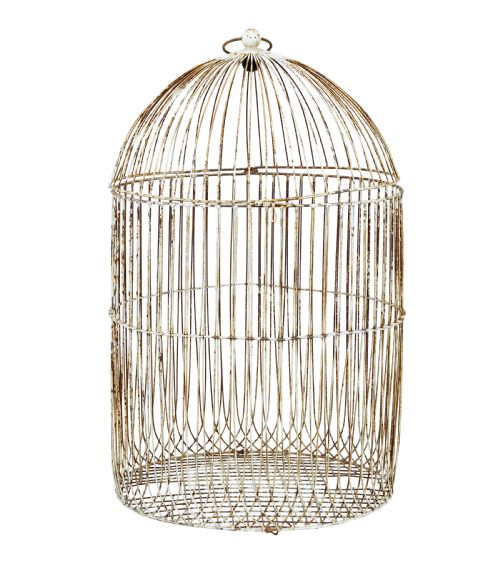
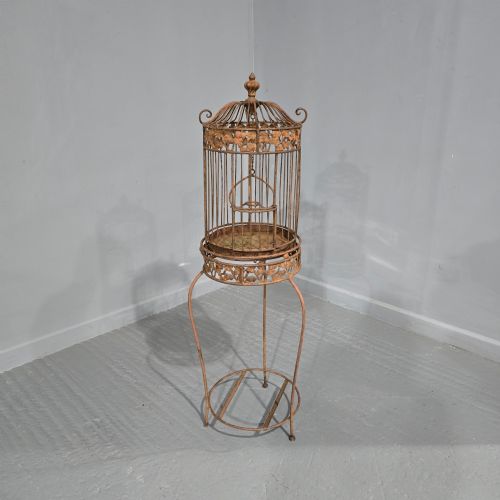
When you search for a victorian birdcage, you encounter structures built to house pet birds alongside elaborate decorative objects fashioned in the likeness of aviaries. The items on this page range from heavy brass and copper enclosures to wooden breeding cages and occasional tables styled for avian display.
The materials span brass, wrought iron, wire mesh, wood, and glass, reflecting both utilitarian animal husbandry and ornamental interior design. Pieces date from the nineteenth century into the early twentieth century, encompassing French provincial aesthetics and Rococo revival touches.
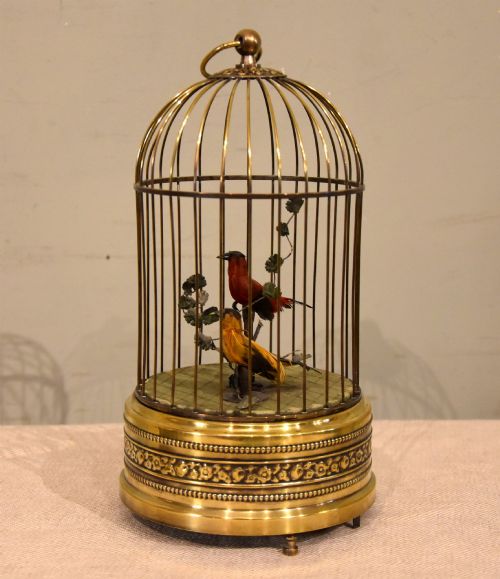
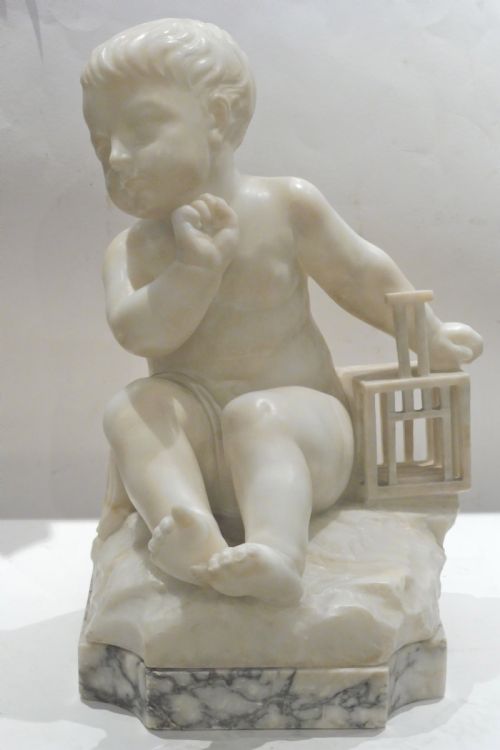
Beyond literal aviaries, the selection includes hanging chandeliers incorporating cage frameworks and automata featuring singing birds. These hybrid objects demonstrate how nineteenth-century artisans blurred the line between functional pet enclosures and decorative household focal points.
How they were made
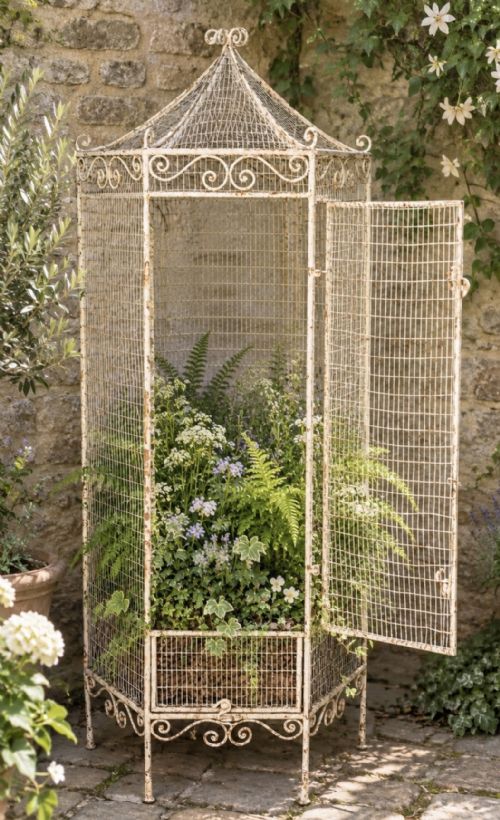
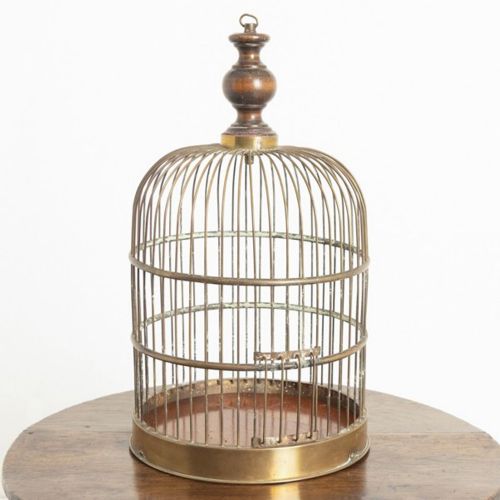
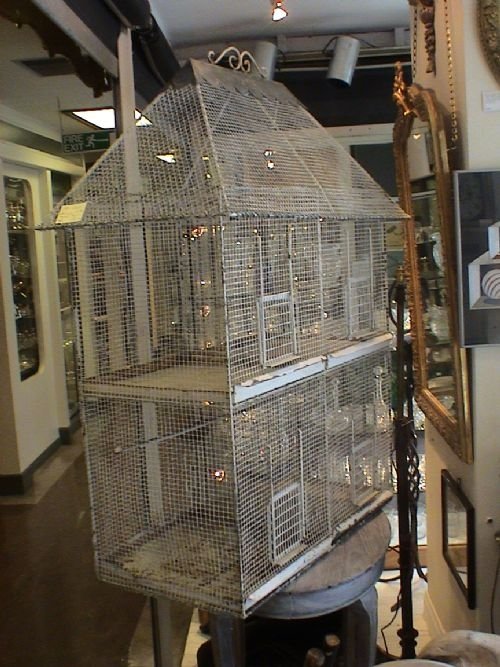
Makers constructed these enclosures using soldered wire mesh, formed brass sheets, and turned wood frames to achieve both rigidity and transparency. Structural elements frequently combine cast iron or wrought iron with lighter wire components to support hanging configurations.
Surface finishes include applied paint, gilding on bronze, and polished copper accents that highlight the metalwork. Master craftsmen integrated mechanical elements into automata and combined crystal chandeliers with structural cage frames.
Victorian Birdcage Retail Price Guide 2026
Typical asking prices for victorian birdcage among the pieces listed under this phrase on Sellingantiques today, from the lower quarter to the upper quarter. They describe what is for sale here now, not the wider market.
Listings feature periods spanning from 1870 through the Victorian era up to 1910.
What varies in quality
The distinction between standard utility items and superior examples lies in the complexity of the wirework and the quality of the primary metals. Heavy brass and substantial copper construction indicate higher status objects compared to simpler wooden breeding boxes.
Integration of secondary decorative elements, such as crystal drops on chandeliers or sculpted figures within automata, elevates a piece. The survival of original painted finishes and structural integrity across delicate wire mesh determines the overall execution.
Pugi
The Victorian Birdcage Glossary
- Automaton
- A self-operating machine or mechanism designed to imitate human or animal actions. Singing bird automata utilise internal mechanics to produce realistic bird song.
- Wire Mesh
- A barrier made of connected strands of metal wire. In these pieces, it forms the protective enclosure for the birds while maintaining visibility.
- Rococo Revival
- A nineteenth-century design style characterised by ornate curves, scrollwork, and naturalistic ornamentation. It appears on decorative metal mounts and stands.
- Occasional Table
- A small table designed for specific, intermittent use. Bird cage tables incorporate storage or display structures directly into the furniture design.
Victorian Birdcage: Frequently Asked Questions
What were victorian birdcage designs used for?
These pieces served primarily to house pet birds safely within domestic spaces while functioning as prominent decorative focal points.
Larger examples and hanging models were also integrated into interior lighting schemes, combining the enclosure with crystal chandeliers.
How do I distinguish brass from painted iron?
Brass exhibits a golden metallic hue that develops a natural patina over time and does not attract a magnet. Painted iron relies on surface coatings to prevent rust and shows distinct opacity compared to polished copper or brass alloys.
Are all listed items functional aviaries?
Many items functioned as animal enclosures, but several listings include decorative objects, occasional tables, and chandeliers that merely adopt the form. Automata use the cage motif to house mechanical singing birds rather than live animals.
How do I care for antique wire mesh?
Maintenance requires gentle dusting with soft brushes to avoid catching delicate wire joins or stripping aged patinas. Moisture should be strictly controlled to prevent oxidation on exposed iron and copper surfaces.