

Victorian Beech Seating
Victorian beech seating brings sturdy domestic utility and vernacular craftsmanship into modern interiors through time-tested chairs, stools, and armchairs.
Victorian Beech Seating
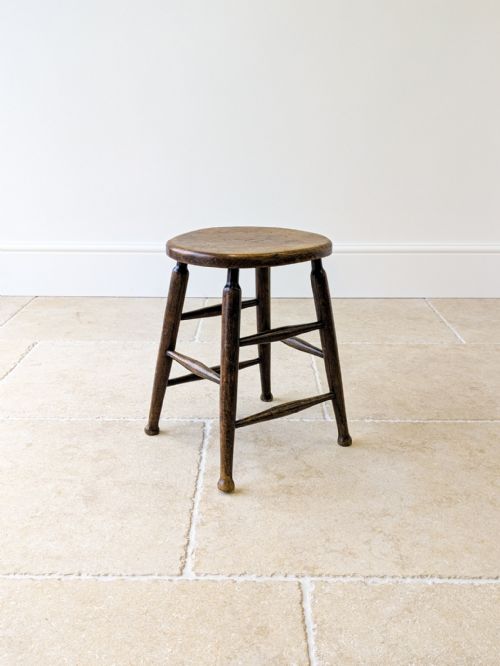
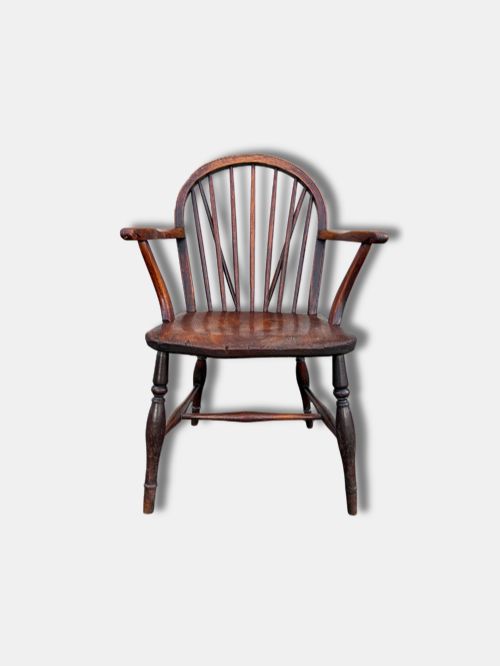
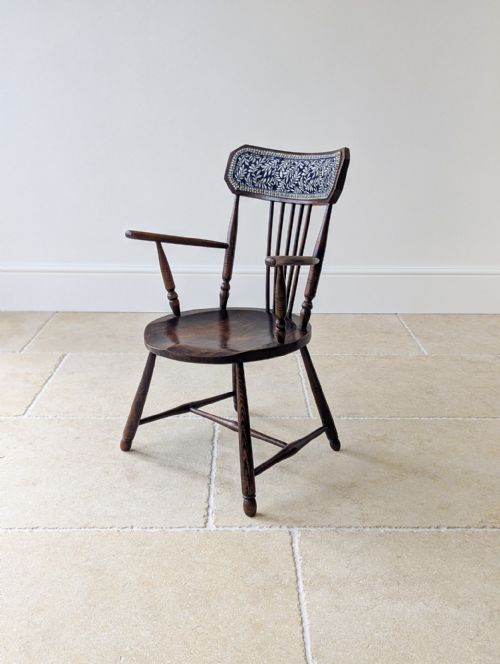
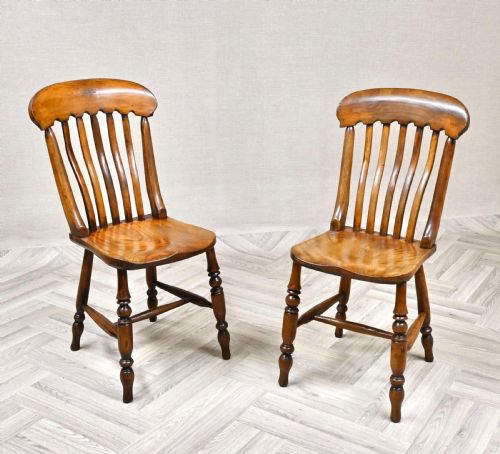
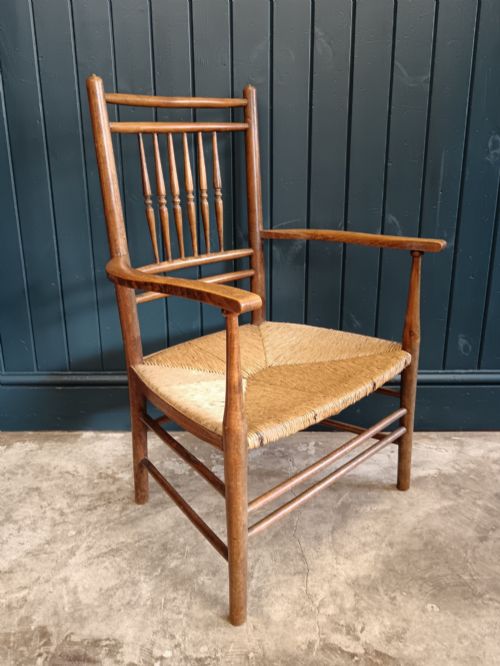
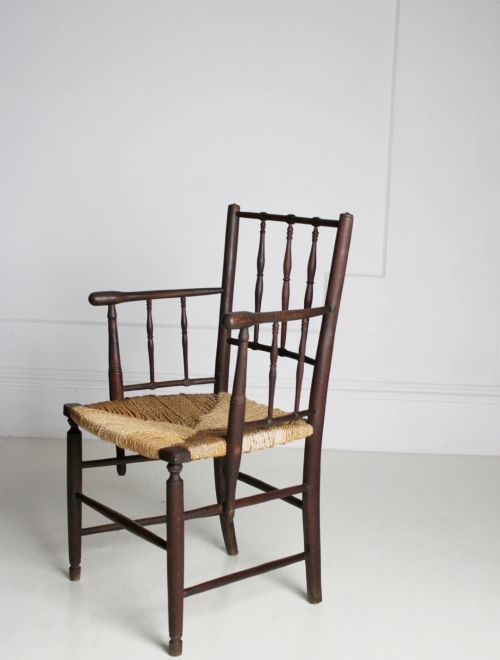
Victorian beech seating encompasses a wide domestic vocabulary spanning country kitchens, studies, and firesides. When searching for victorian beech seating, buyers typically encounter robust Windsor chairs, spindle-backed armchairs, and simple stools designed for everyday use.
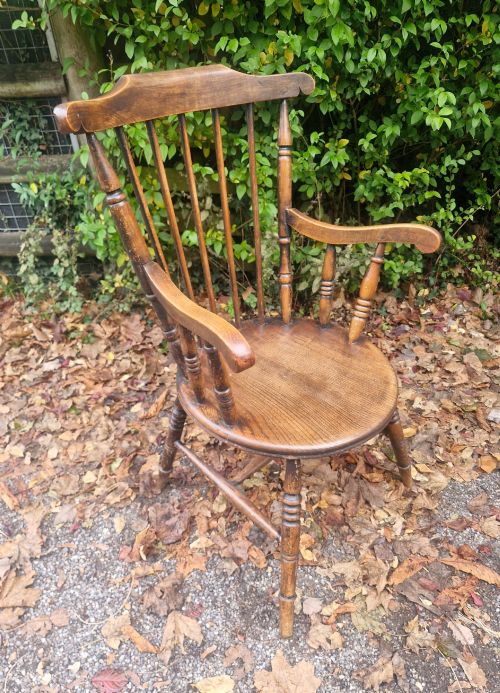
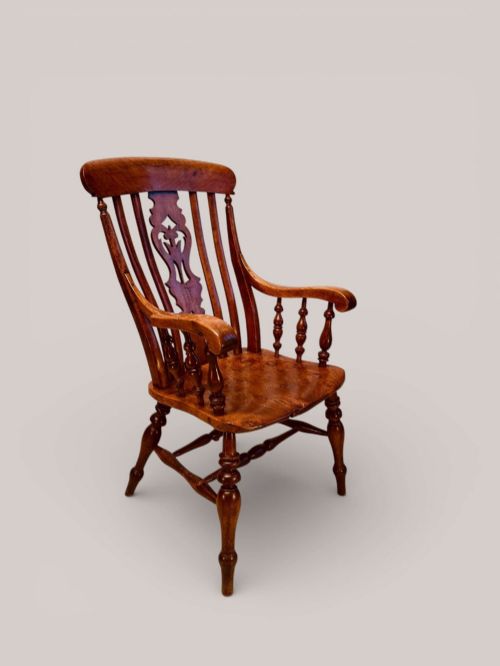
The selection ranges from classic wheel-back and lath-back kitchen chairs to designated smokers' bows, office armchairs, and Sussex chairs. Many pieces combine beech frames with contrasting elm seats or woven rush elements.
Origins lean towards English country workshops and urban production centres operating across the nineteenth century. These forms reflect both vernacular traditions and specific designer aesthetics of the period.
Materials and Construction
Makers utilised beech primarily for turned legs, spindles, and structural frames due to its reliable density and capacity to hold tight joints. Elm frequently provided a durable, figured timber for carved or moulded solid seats.
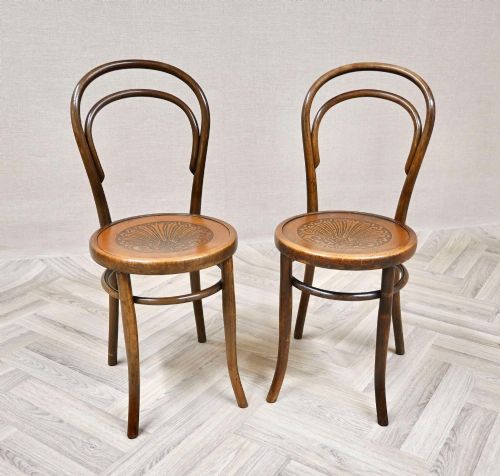
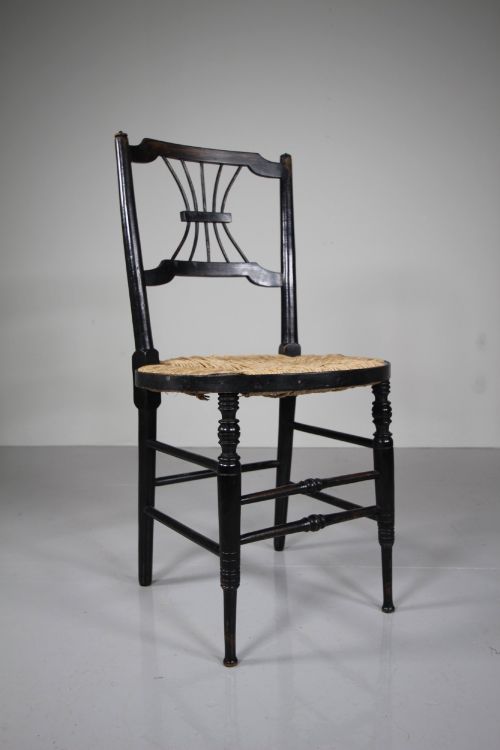
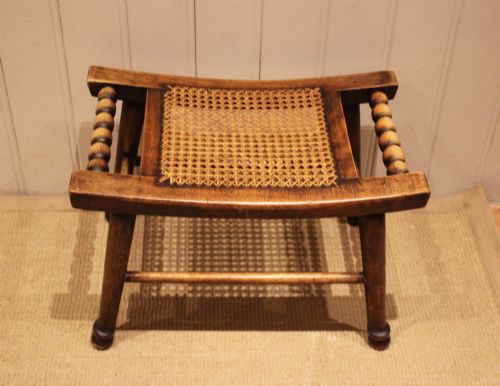
Seating surfaces often incorporated woven rush, cane, or seagrass alongside timber panels, supported by traditional framing techniques such as steam-bending for crest rails and bentwood components.
Victorian Beech Seating Retail Price Guide 2026
Typical asking prices for victorian beech seating among the pieces listed under this phrase on Sellingantiques today, from the lower quarter to the upper quarter. They describe what is for sale here now, not the wider market.
Metamorphic child's chairs allowed Victorian toddlers to convert high seating into low play rockers with a simple pivot.
Judging Quality
Quality rests upon the crispness of turned spindles, the harmony of combined timbers, and the integrity of traditional joinery. Finer examples retain balanced proportions in the back rails and sturdy stance in the leg assembly.
Subtle differences in the shaping of arm rests, the tightness of rush or cane weaving, and the retention of original stained or painted surfaces distinguish standard utility items from pieces bearing distinct design provenance.
William Morris·Philip Webb·Rossetti
The Victorian Beech Seating Glossary
- Smoker's bow
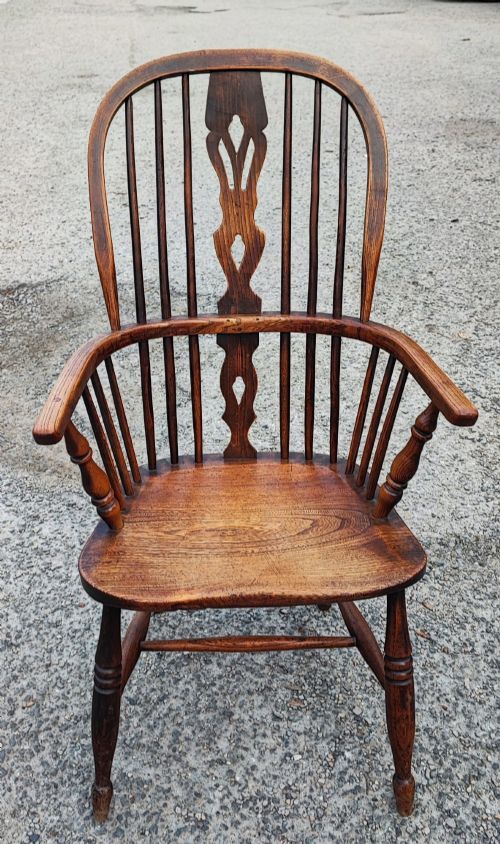
- A low-backed Windsor armchair featuring a continuous curved armrail, often utilised in offices, smoking rooms, and farmhouse kitchens.
- Windsor chair
- A chair built with a solid wooden seat into which the legs and back spindles are separately bored and wedged.
- Lath back
- A chair back featuring vertical flat wooden slats rather than turned spindles or solid splats.
- Rush seat
- A seating surface woven from dried marsh rushes around a wooden frame, creating a textured and resilient pad.
- Harlequin set
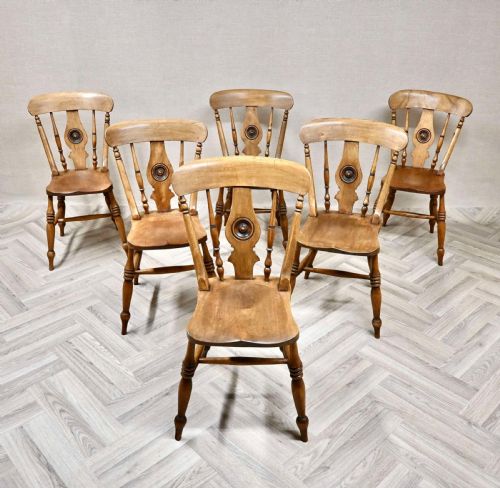
- A group of similar chairs sharing a general style, such as Windsor kitchen chairs, but displaying minor individual variations in turning or size.
Victorian Beech Seating: Frequently Asked Questions
What is a smokers bow chair?
A smokers bow is a sturdy, low-backed armchair featuring a rounded wooden rail forming both the arms and the upper back support. These pieces served commonly in offices, parlours, and country kitchens.
They are built with heavy turned spindles and a comfortable, saddle-moulded wooden seat designed for prolonged sitting.
How do I identify a Windsor chair?
A Windsor chair is characterised by a thick wooden seat into which the legs and back components are joined directly, rather than relying on a continuous frame. They often feature various back designs including lath backs, wheel backs, and stick backs.
Most examples combine beech frames for strength with elm seats for durability and comfort.
Are rush and cane seats original?
Many nineteenth-century chairs utilised woven rush, seagrass, or cane to provide lightweight yet resilient seating surfaces. Original examples show natural ageing, mellow toning, and wear consistent with domestic use.
When evaluating these materials, look for consistency in the weave and appropriate tension across the frame.
Where were these chairs used originally?
These pieces populated nineteenth-century spaces ranging from rustic farmhouses and country kitchens to drawing rooms and clerk's offices. Sturdy construction made them suitable for heavy daily traffic.
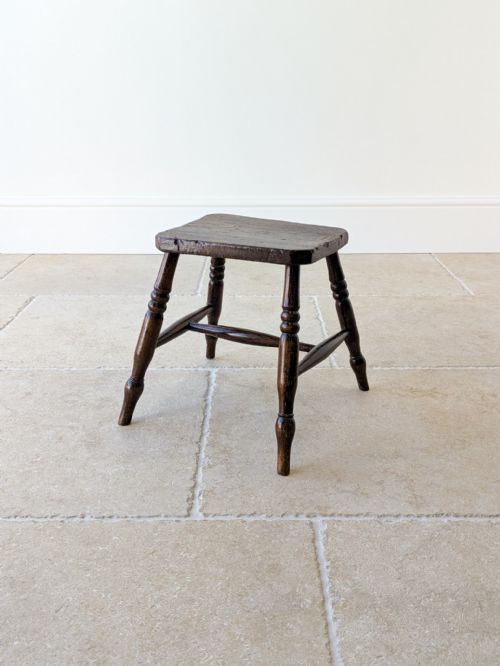
Different models suited different domestic tasks, from low fireside armchairs to tall desk stools.