




Victorian Bedside Stands
Victorian bedside stands bring practical surface space and enclosed storage to the bedroom, grounding the room in rich nineteenth-century timber.
Victorian Bedside Stands
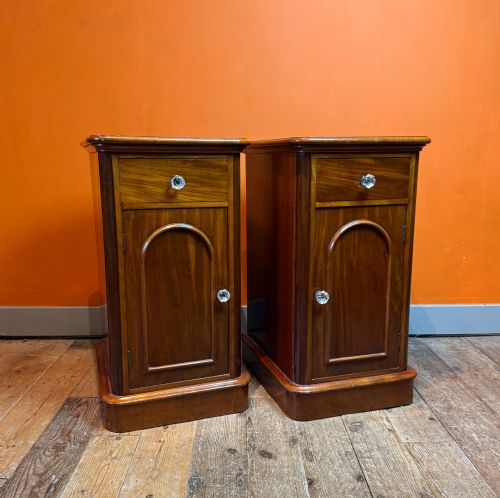
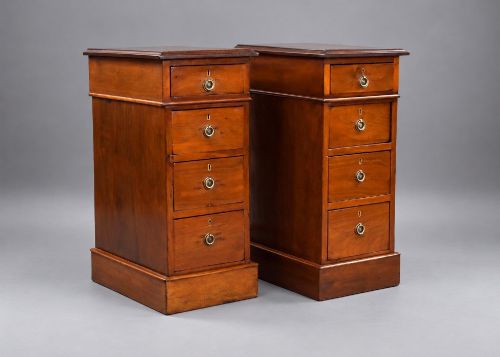
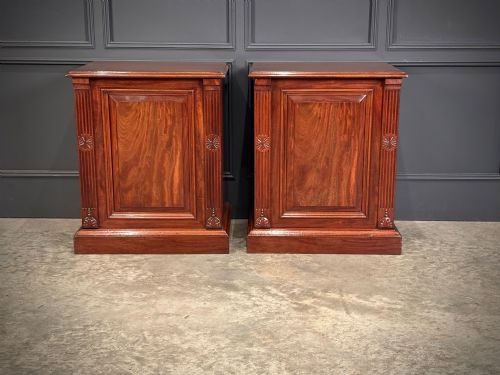
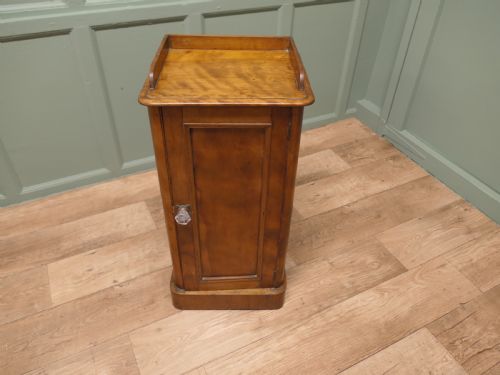
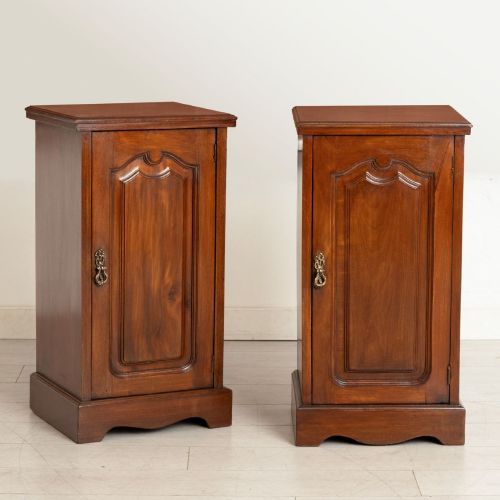
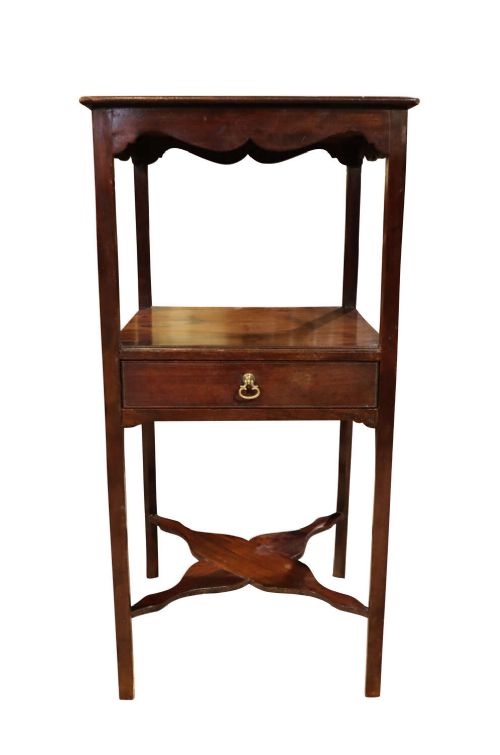
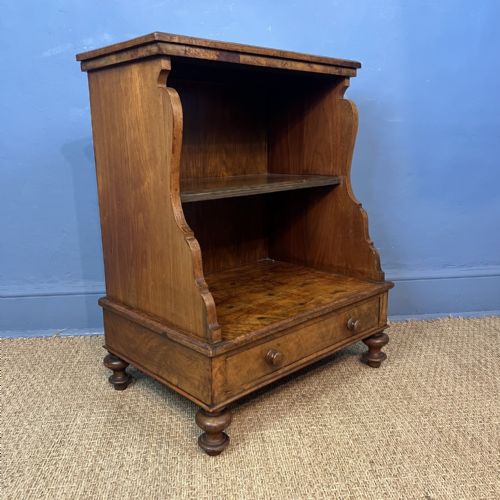
Victorian bedside stands encompass a range of compact bedroom furniture designed to hold night-time essentials, with bedside cabinets, cupboards, and chests dominating the selection. These pieces frequently appear in rich nineteenth-century mahogany, alongside burr walnut, satin birch, and pine examples from the broader Victorian and Edwardian eras.
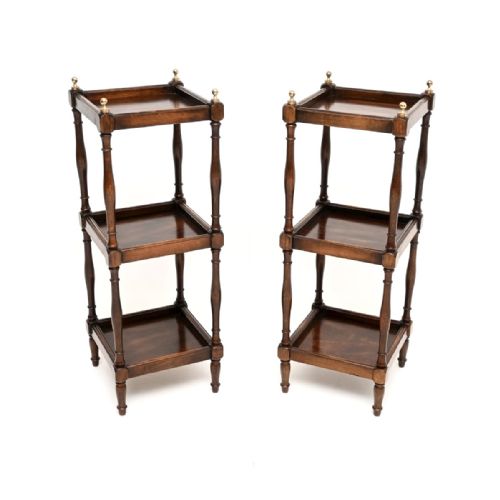
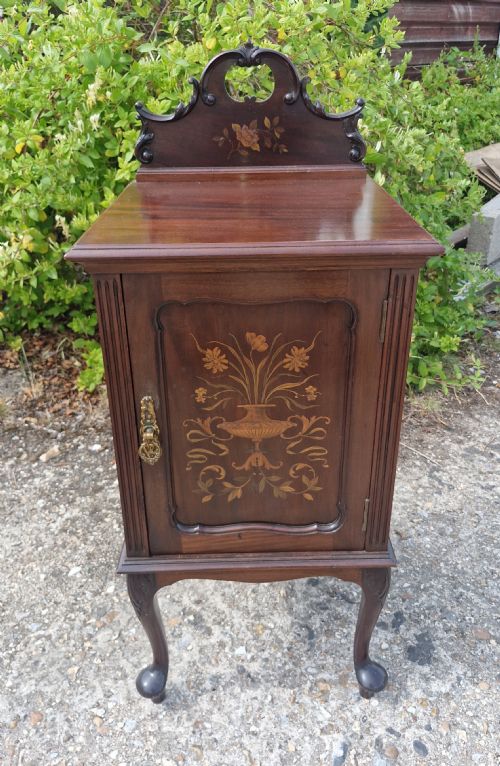
Buyers will encounter enclosed pot cupboards with single doors alongside open lamp tables, multi-tiered occasional stands, and converted washstands. Many of these items arrive as matched pairs, though single cabinets and chests remain common across the nineteenth-century period.
Materials and construction methods
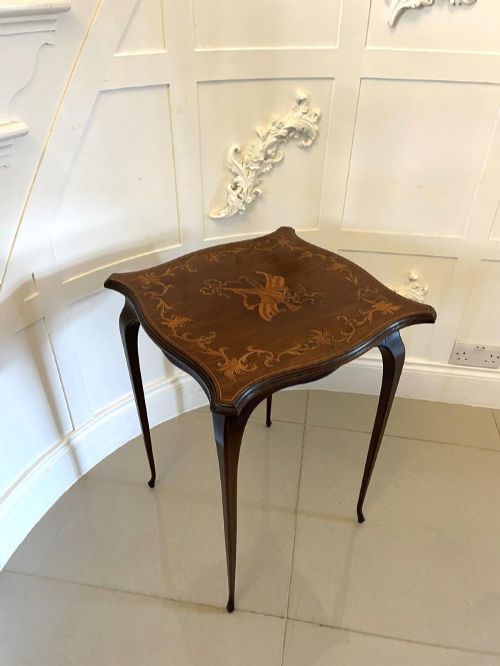
Cabinetmakers relied heavily on solid mahogany and walnut, frequently selecting figured veneers like burr walnut and satinwood for visible exterior surfaces. Brass hardware, marble tops, and detailed marquetry inlay appear on finer pieces from the later decades of the nineteenth century.
Joinery techniques reflect standard period workshop practices, utilising sturdy timber carcases for enclosed night lockers and pot cupboards. Painted finishes and faux bamboo treatments also emerge within the nineteenth-century selection, demonstrating variety in surface preparation.
Victorian Bedside Stands Retail Price Guide 2026
Typical asking prices for victorian bedside stands among the pieces listed under this phrase on Sellingantiques today, from the lower quarter to the upper quarter. They describe what is for sale here now, not the wider market.
The listings span the nineteenth century into the Edwardian era, featuring mahogany, walnut, pine, marble, and brass.
Assessing craftsmanship and proportion
The distinction between standard utility pieces and finer examples rests in the selection of timber veneers, the crispness of any inlaid marquetry, and the integration of materials like inset marble tops. Superior items maintain balanced proportions and retain original brass fittings rather than modern replacements.
Structural integrity of the internal shelving and door hinges separates robust surviving cabinets from those weakened by damp or heavy domestic use. Original painted surfaces or undisturbed polished mahogany patination carry more weight among collectors than heavily restored exteriors.
HOWARD & SONS
The Victorian Bedside Stands Glossary
- Pot cupboard
- A small enclosed bedside cabinet originally designed to house a chamber pot behind a single panelled door. These items frequently double as modern lamp tables.
- Night locker
- An alternative nineteenth-century term for a bedside cabinet or cupboard providing secure enclosed storage beside the bed. They often feature an internal shelf and a drawer above the main door.
- Marquetry
- Decorative inlay work using various coloured woods to form geometric or floral patterns on cabinet doors and tabletops. This technique appears on finer late-period examples.
- Satin birch
- A pale, grained timber utilised by nineteenth-century makers for lighter bedroom furniture schemes. It offers a distinct contrast to dark mahogany variants.
Victorian Bedside Stands: Frequently Asked Questions
What is the difference between a bedside cabinet and a lamp table?
Bedside cabinets typically feature an enclosed door or drawers to conceal personal items, functioning as miniature cupboards beside the bed. Lamp tables provide an open surface supported on legs or a pedestal, designed primarily to hold lighting rather than enclosed storage.
While both terms overlap in nineteenth-century listings, buyers should check whether the piece offers internal shelving or remains entirely open beneath the top surface.
Were these stands originally made in pairs?
Many nineteenth-century bedside stands were produced as matched pairs to flank a double bed symmetrically. Single examples also appear frequently, having been separated over generations of domestic use.
Matching pairs command distinct interest from collectors seeking symmetrical arrangements for larger master bedrooms.
How do I care for a nineteenth-century mahogany surface?
Maintenance requires simple dusting with a soft, dry cloth to prevent particulate accumulation on polished mahogany or walnut veneers. Avoid placing items that trap moisture directly onto the wood without protective coasters.
Periodic application of appropriate wax polish helps nourish the timber and preserves the natural sheen developed over the nineteenth century.
Can these stands be used in modern bedrooms?
Their compact nineteenth-century dimensions make these stands well-suited to contemporary bedroom layouts where floor space is limited. The enclosed cupboards accommodate modern bedside electronics and reading materials out of sight.
Marble-topped variants offer durable surfaces resistant to water rings from drinking glasses.