
Victorian Bedroom Table
A victorian bedroom table brings genuine nineteenth-century utility and fine cabinet-making to the domestic interior.
Victorian Bedroom Table
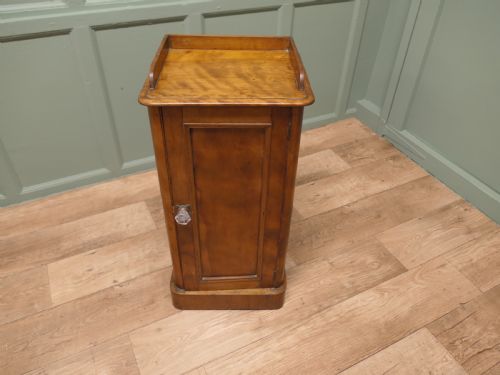
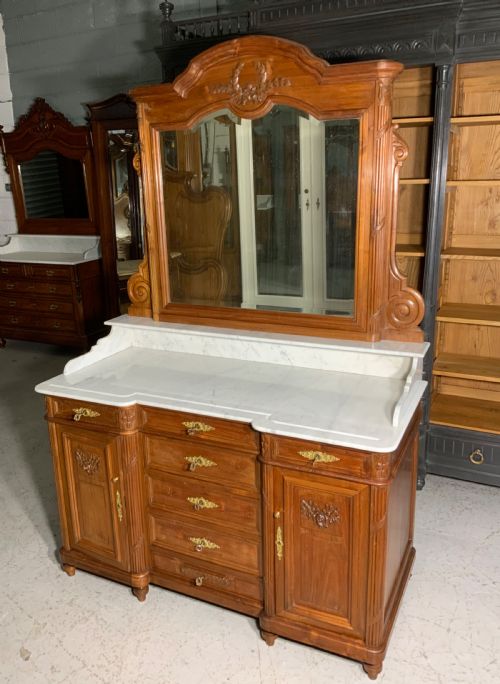
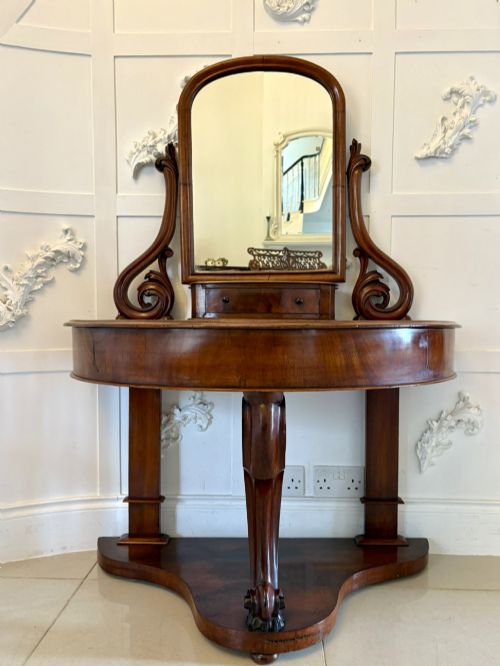
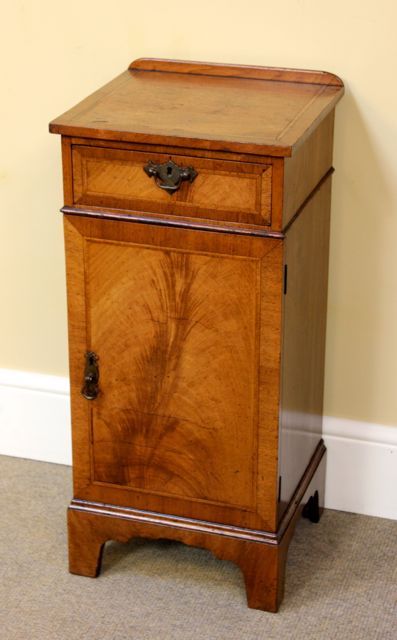
A victorian bedroom table encompasses a diverse array of functional furnishings designed for nineteenth-century chambers, predominantly featuring dressing tables, washstands, and bedside cabinets. These pieces served daily grooming and storage needs in domestic settings, offering practical surfaces alongside refined craftsmanship.
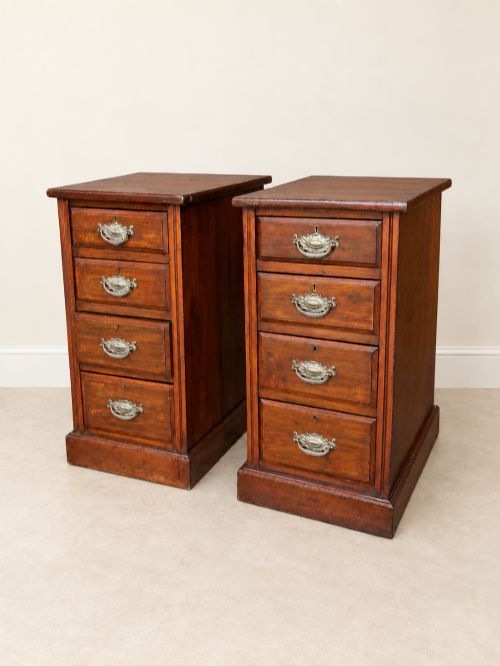
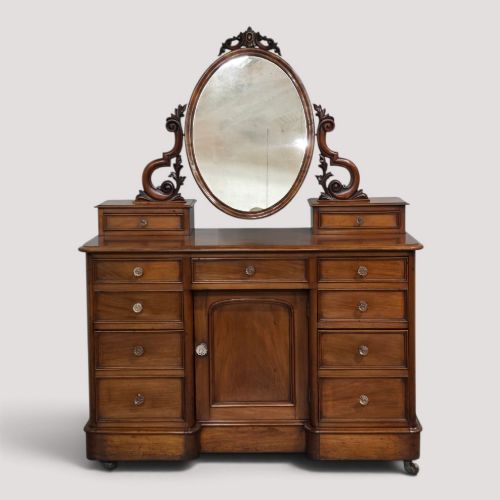
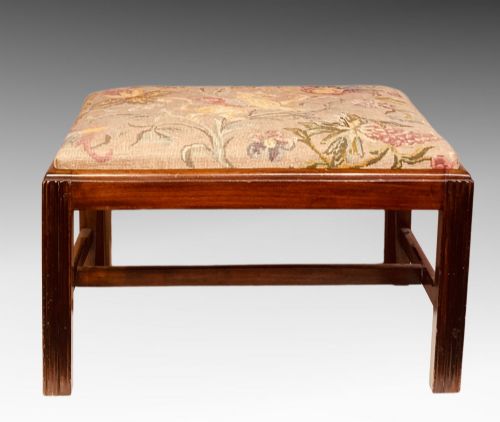
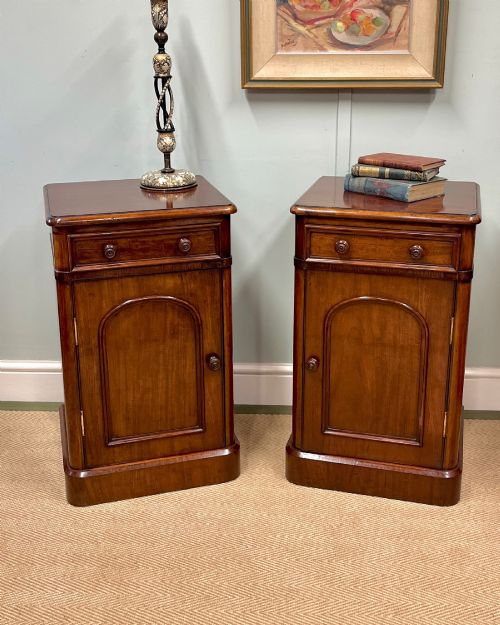
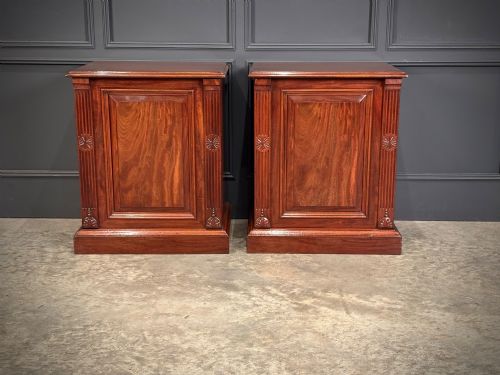
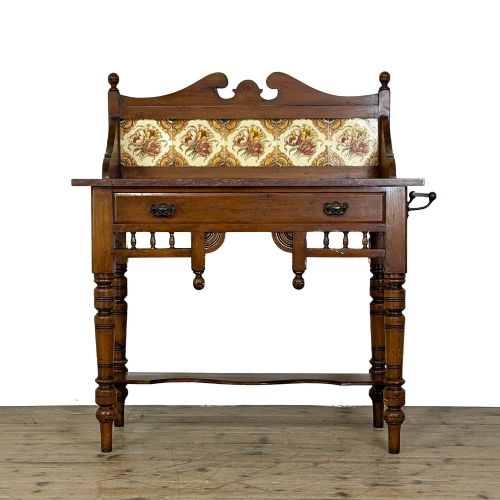
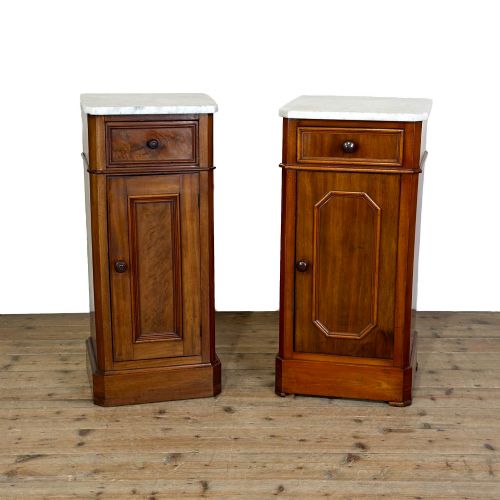
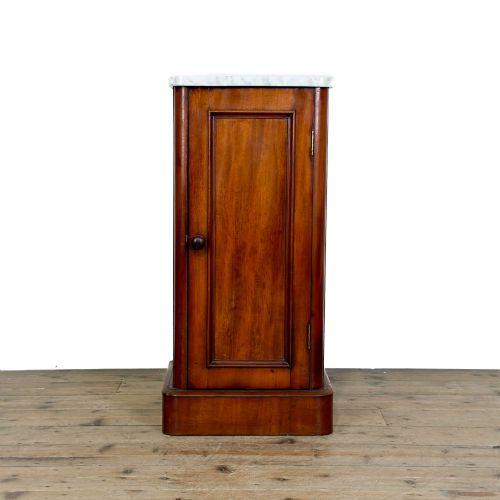
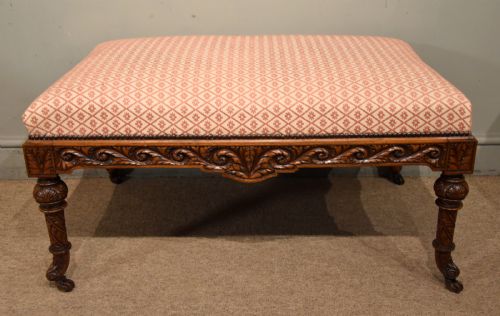
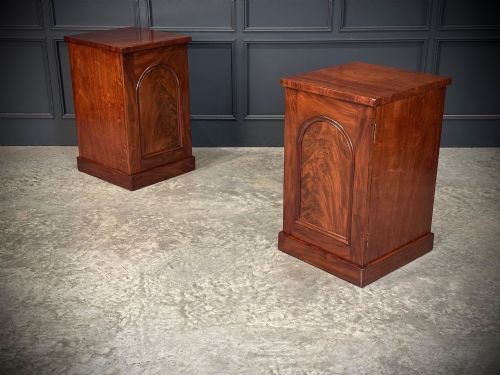
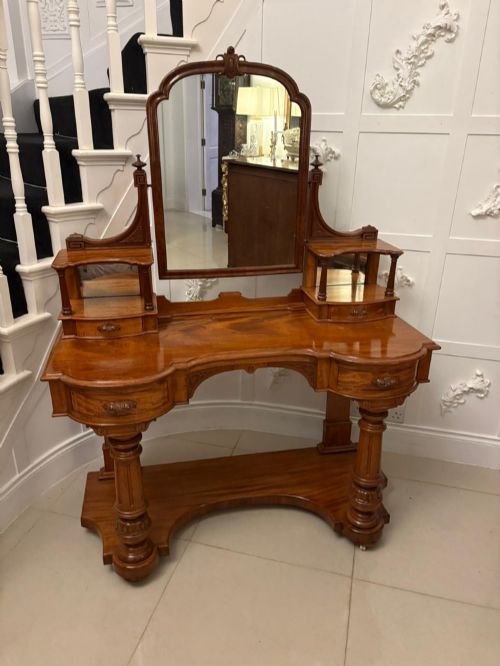
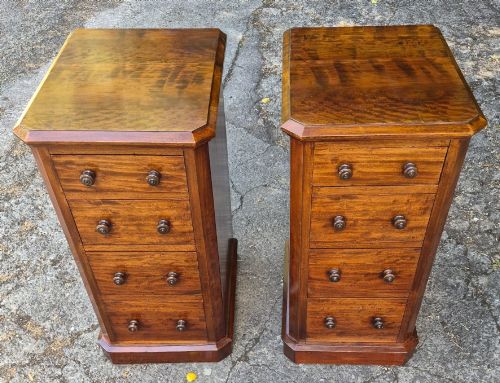
The pieces encountered on this page most frequently include mahogany and walnut bedside chests, dressing tables equipped with mirrors, and marble-topped washstands. Alongside these standard forms appear occasional bedroom suites, side tables, and upholstered stools dating from the mid-nineteenth century onward.
How they were made
Cabinet-makers relied heavily on solid and veneered timbers, selecting rich grains of mahogany, walnut, burr walnut, and satinwood for visible surfaces. These woods were shaped into chests, cabinets, and tables utilising traditional joinery methods suited to the demands of domestic use.
Decorative detailing on these items involved carved scrollwork, ebonising, inlay, and marble inserts fitted to washstand tops. Mirrors integrated into dressing tables utilised pivoted frames supported by upright arms, while seating forms incorporated turned or cabriole legs.
Bamboo and rattan unexpectedly infiltrated Victorian bedrooms alongside heavy mahogany suites, bringing a light, exotic touch to morning routines.
What varies in quality
The calibre of a victorian bedroom table is determined by the selection of timber veneers, such as flame mahogany or burr walnut, and the crispness of any carved ornamentation. Superior examples display thoughtful grain matching and robust secondary woods within drawer construction.
Design complexity and hardware also differentiate pieces within the range, moving from plain pine or painted utilitarian items to substantial walnut and satinwood forms with intricate inlay. The integration of original brass fittings, marble slabs, and pivoting mirror frames contributes significantly to the integrity of the piece.
Harrods·Maple and Co·Waring and Gillows
The Victorian Bedroom Table Glossary
- Bedside cabinet
- A small enclosed cupboard designed to stand beside a bed, frequently featuring a single door and interior shelf.
- Washstand
- A dedicated table or cabinet, often topped with marble, built to hold a wash basin and jug for morning ablutions.
- Dressing table
- A low table equipped with drawers and a fixed or adjustable mirror used for personal grooming.
- Burr walnut
- Walnut timber taken from a tree growth that produces highly figured, swirling grain patterns highly prized for veneer work.
- Cabriole leg
- A furniture leg that curves outward and then tapers inward, mimicking the shape of an animal's leg.
- Pot cupboard
- A compact bedside cupboard originally constructed to house a chamber pot.
Victorian Bedroom Table: Frequently Asked Questions
What was a victorian bedroom table used for?
These tables served specific domestic functions within nineteenth-century sleeping quarters, ranging from personal grooming at a dressing table to holding water jugs upon a washstand.
Bedside variants provided discreet storage for nighttime essentials, while smaller side tables accommodated lamps or personal items within the chamber.
How do I identify a bedside cabinet from a chest?
Bedside cabinets generally feature a single cupboard door enclosing an interior space designed to hold chamber items or personal effects.
Bedside chests instead utilise a stack of two to three small drawers, offering segmented storage rather than an open cupboard cavity.
Can I use a washstand as a dressing table?
Washstands were originally built with water-resistant surfaces like marble to support ceramic basins and protect against splashes during morning routines.
While they lack the integrated mirror of a traditional dressing table, their flat surfaces function well as contemporary display or writing areas.
What timber types are most common?
Mahogany forms the majority of surviving pieces, appearing in both solid construction and figured veneer variations throughout the nineteenth century.
Walnut and burr walnut also feature prominently in mid-to-late period items, alongside occasional uses of satinwood, pine, and rosewood.