

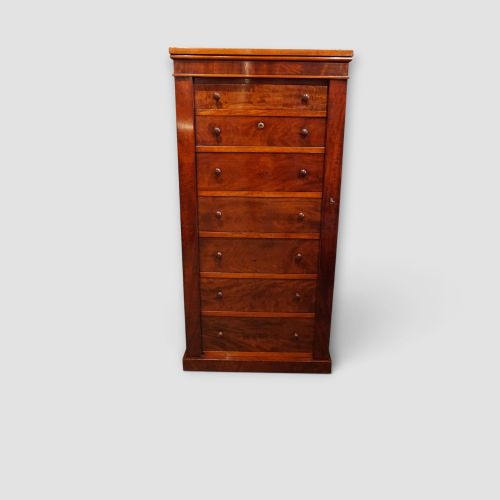
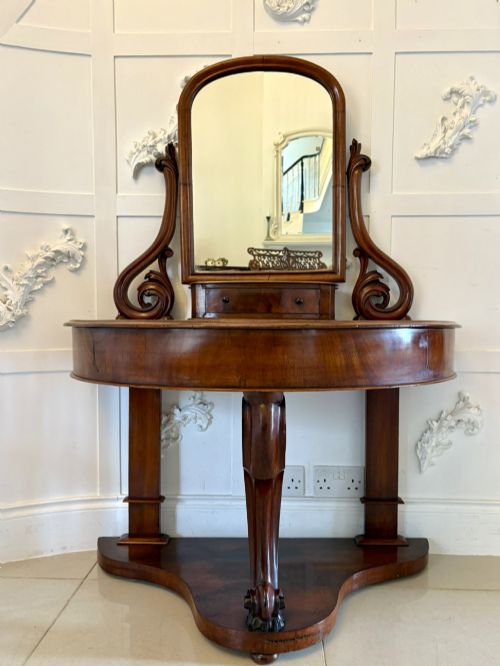
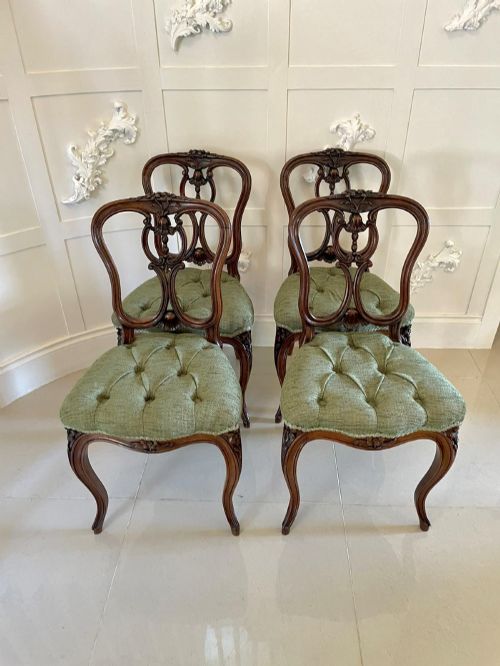
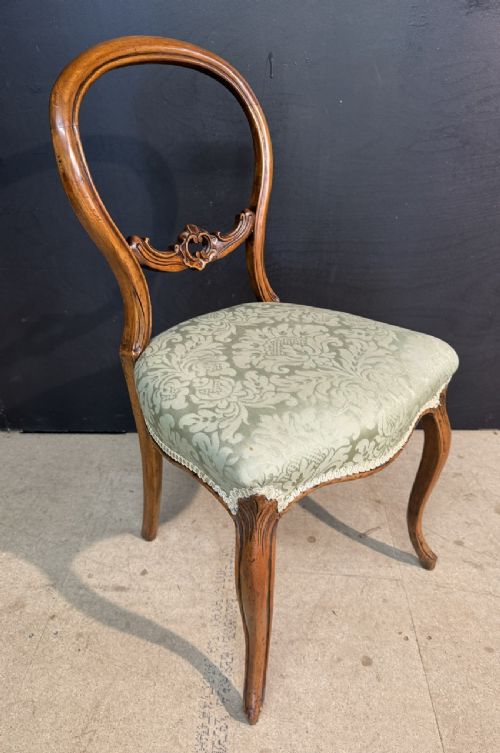
Victorian Bedroom Desk
These victorian bedroom desk options and dressing tables bring nineteenth-century timber work and practical surfaces straight into modern sleeping quarters.
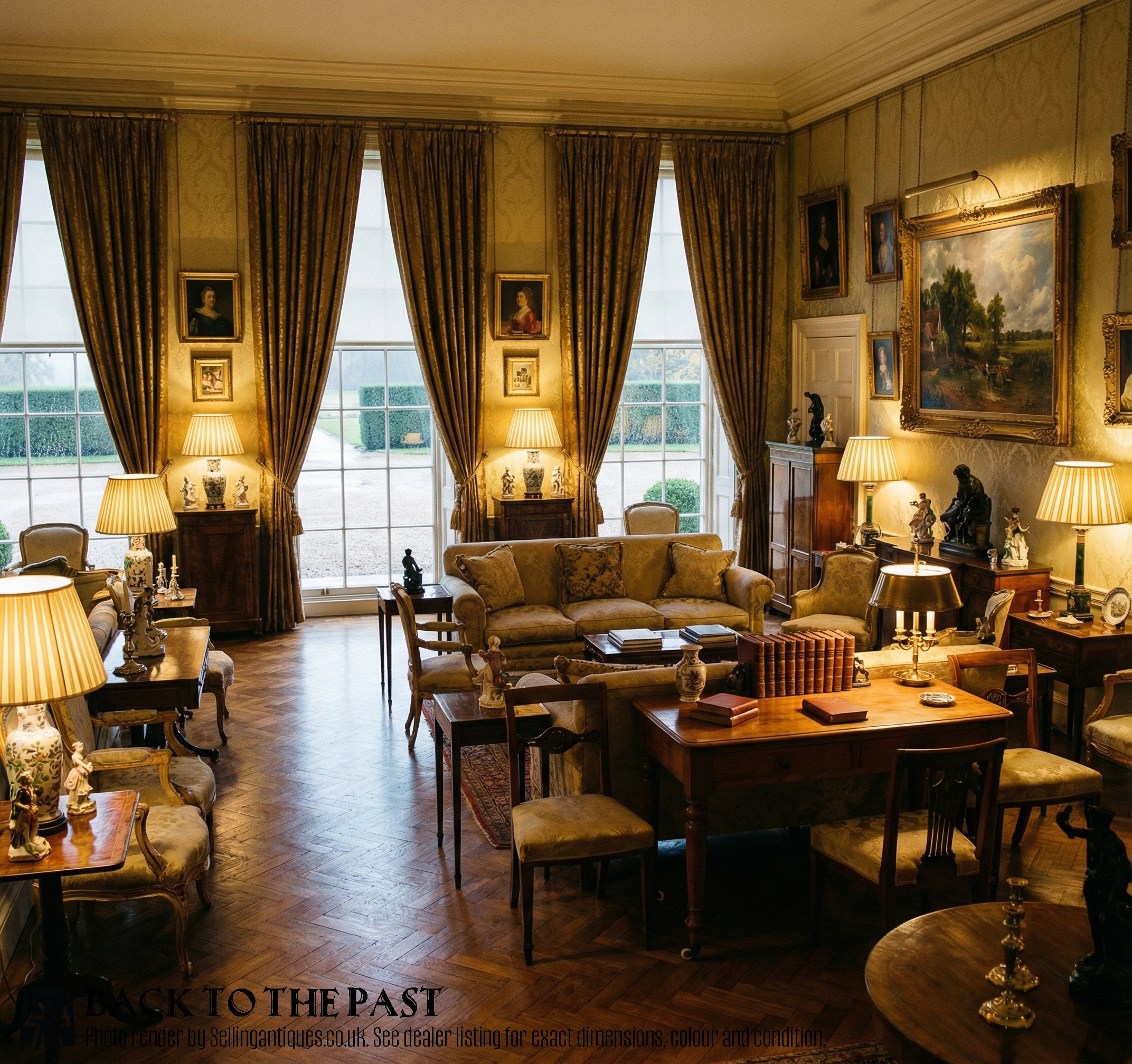
Victorian Bedroom Desk
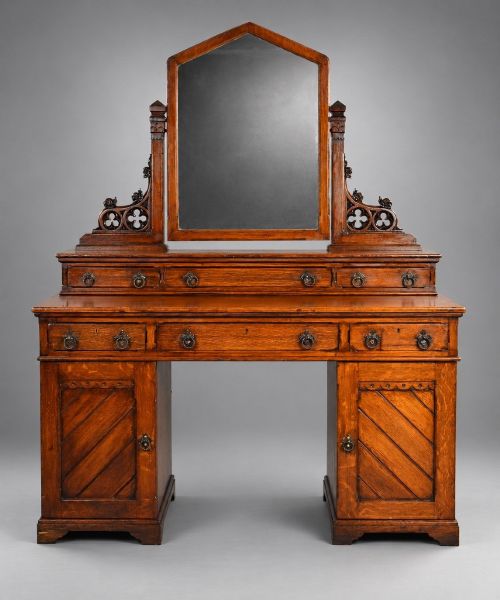
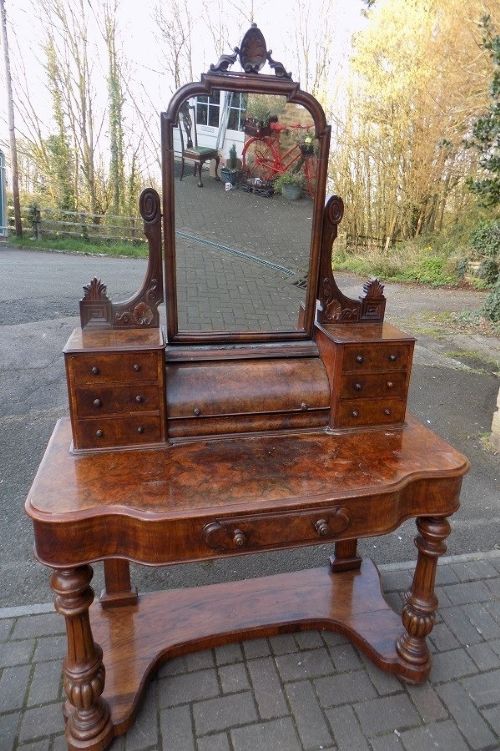
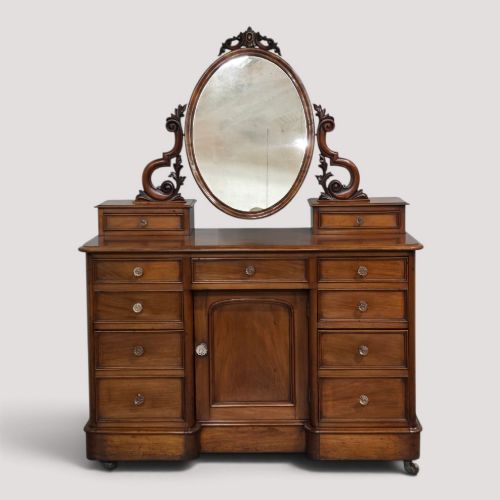
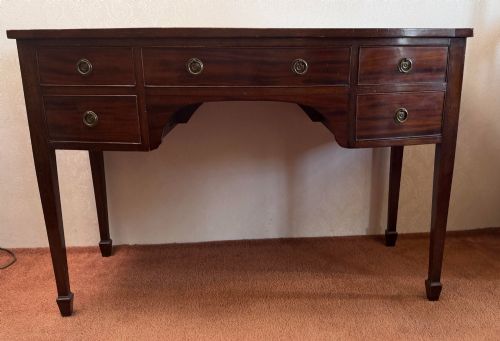
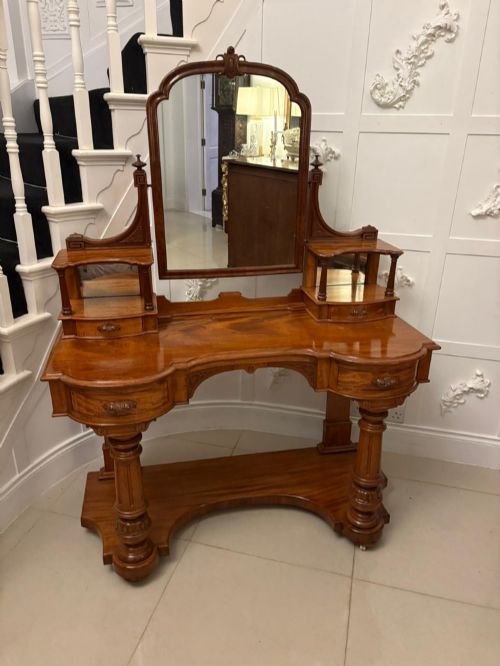
When searching for a victorian bedroom desk, buyers encounter a selection dominated by nineteenth-century dressing tables, side tables, and vanity furniture. These pieces span the Victorian and Edwardian periods, frequently appearing in forms like the Duchess dressing table, pedestal dressing table, and occasional side tables used for writing.
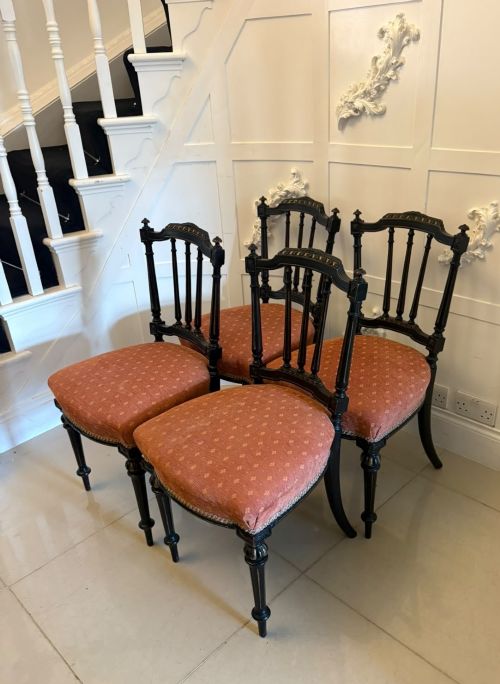
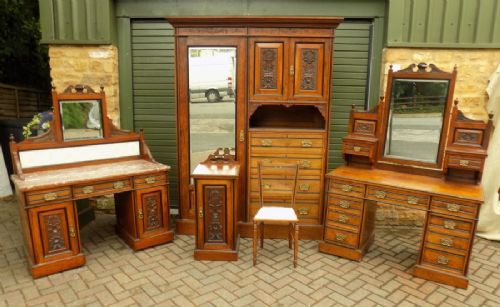
The material evidence shows a heavy reliance on rich timbers such as mahogany, burr walnut, rosewood, and satinwood, often complemented by brass hardware and mirror glass. Alongside dedicated dressing pieces, the listings include various bedroom chairs, side chairs, and writing tables from the 1850s to the 1930s.
Materials and construction
Cabinet makers of the nineteenth century built these pieces using solid timbers and decorative veneers like burr walnut and birds eye maple applied to secondary woods. Drawer construction typically employed hand-cut dovetails, while surface decoration relied on marquetry inlay, mother of pearl, ebonising, and fine carving.
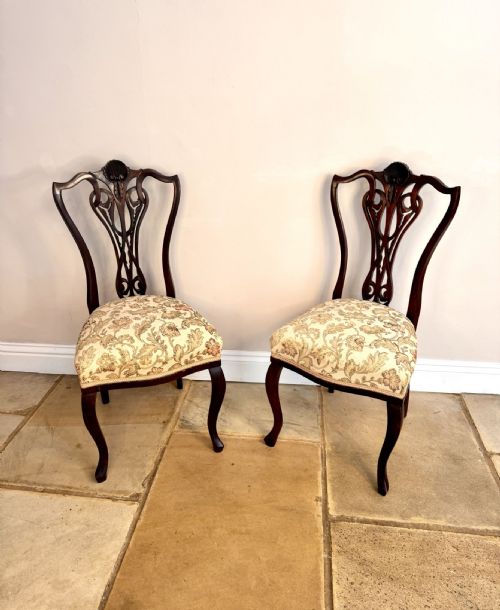
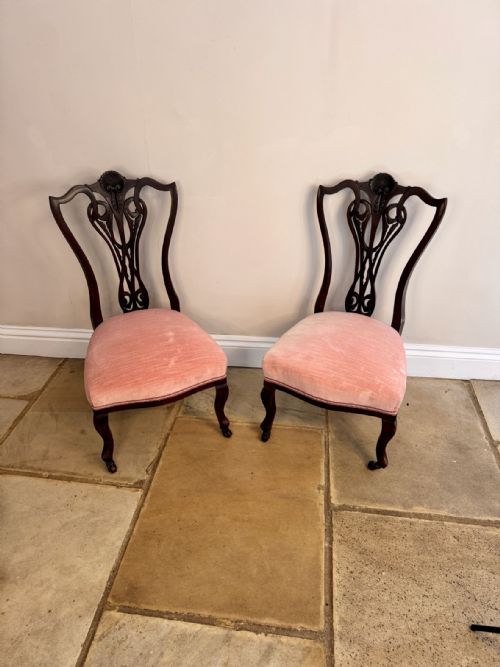
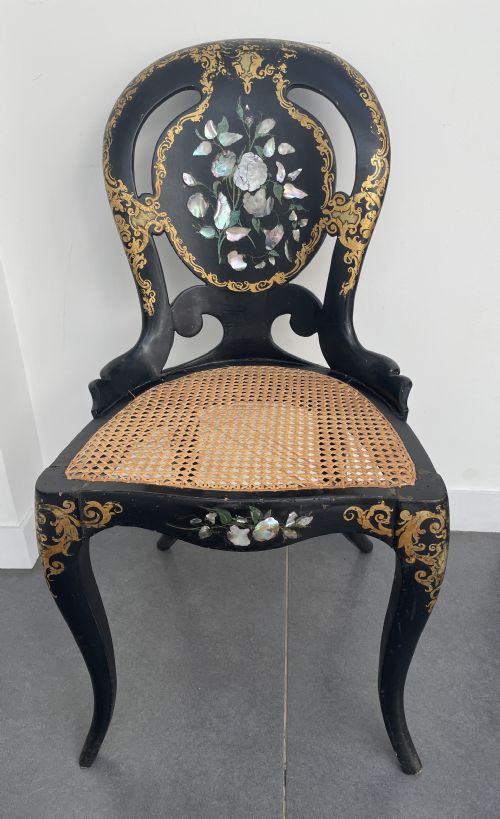
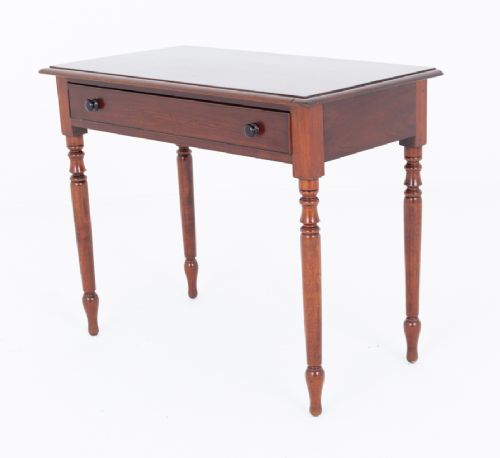
Seating and dressing elements incorporated specialised details such as barley twist turnings, scroll-carved backs, cabriole legs, and upholstery utilising tapestry fabric, velvet, and red fabric. Structural support often featured brass castors and locking flaps on secretaire models.
Victorian Bedroom Desk Retail Price Guide 2026
Typical asking prices for victorian bedroom desk among the pieces listed under this phrase on Sellingantiques today, from the lower quarter to the upper quarter. They describe what is for sale here now, not the wider market.
Materials documented across the collection include solid mahogany, burr walnut, satinwood, rosewood, brass hardware, and mirror glass.
Distinctions in quality
Quality in these bedroom pieces rests upon the choice of timber and the precision of the cabinet work, such as the grain alignment in burr walnut veneers and the crispness of hand-carved details. Pieces produced by documented firms display superior joinery and more refined marquetry inlay compared to standard workshop output.
The integrity of the original hardware, including brass handles, locking mechanisms, and swinging mirror frames, elevates a piece. Preservation of original surface finishes and upholstery fabrics, rather than heavy modern restoration, distinguishes finer examples across dressing tables and writing desks.
Edwards & Roberts·Shoolbred and Co
The Victorian Bedroom Desk Glossary
- Duchess dressing table
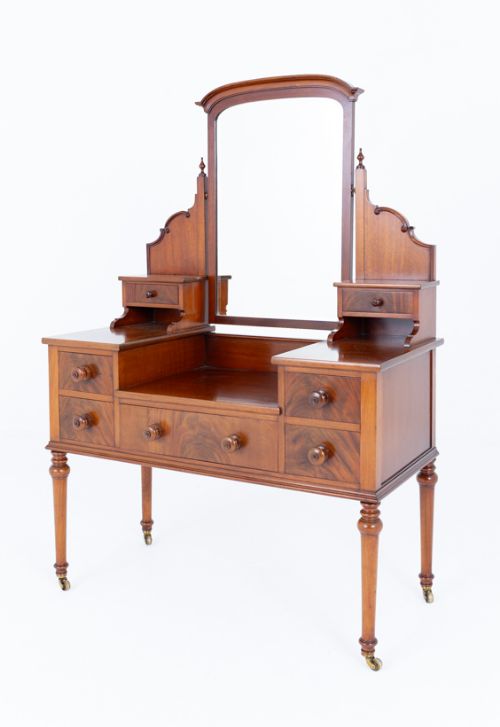
- A large Victorian dressing table featuring a central oval or circular mirror flanked by smaller drawers or trinket boxes above a main writing surface.
- Secretaire
- A cabinet or chest incorporating a fitted writing drawer with a drop-down flap to reveal small compartments and pigeonholes.
- Marquetry
- The art of applying decorative pieces of veneer to a structure to form intricate patterns and floral designs.
- Balloon-back chair
- A seating form popular in the nineteenth century featuring a solid wood backrest curved continuously into the shape of a balloon.
- Lowboy
- A small table with drawers, typically used for dressing or writing, originating earlier but produced in revival styles through the nineteenth century.
Victorian Bedroom Desk: Frequently Asked Questions
What is a Duchess dressing table?
A Duchess dressing table is a grand nineteenth-century vanity piece characterised by a large pivoting mirror set atop smaller stacked trinket drawers. These surfaces provided ample space for grooming and correspondence in larger Victorian bedrooms.
They frequently feature burr walnut or mahogany veneers and stand on carved cabriole or turned supports. Their substantial footprint makes them a prominent focal point in a modern bedroom.
How do I use an antique dressing table today?
An antique dressing table or pedestal desk functions well as a compact writing surface or a dedicated vanity station in a contemporary bedroom. The fitted drawers offer practical storage for stationery, cosmetics, or modern accessories.
Placing a protective glass top on the wooden surface prevents accidental scratching from daily use while preserving the original nineteenth-century finish.
What woods are common in these desks?
Mahogany and burr walnut dominate the surviving nineteenth-century bedroom furniture on this page, offering deep natural grain patterns and warm tones. Cabinet makers also utilised rosewood, satinwood, and occasionally oak or pine for simpler regional pieces.
Decorative accents often involved contrasting timbers, mother of pearl inlay, and ebonised detailing to enhance the visual depth of the woodwork.
How do I identify a Victorian piece?
Identifying Victorian bedroom furniture involves examining construction methods like hand-cut dovetails in the drawers, the use of solid secondary timbers, and characteristic period styles such as Rococo Revival or Aesthetic Movement. Maker signatures, registration marks, or specific hardware styles also point to the mid-to-late nineteenth century.
Stylistic cues like balloon-back chairs, barley twist legs, and rich mahogany or walnut finishes help separate these items from later twentieth-century reproductions.