
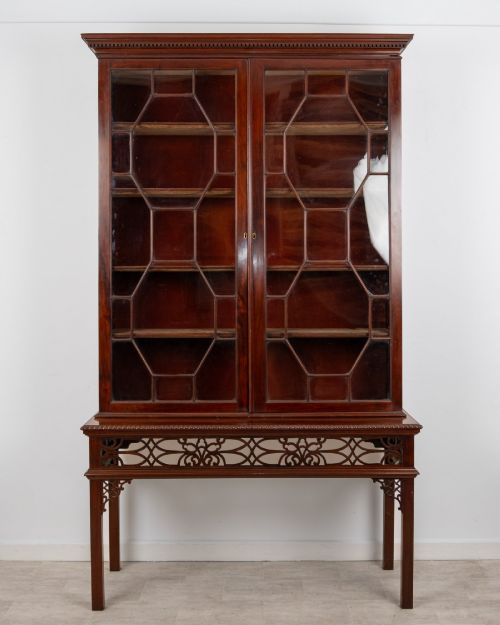
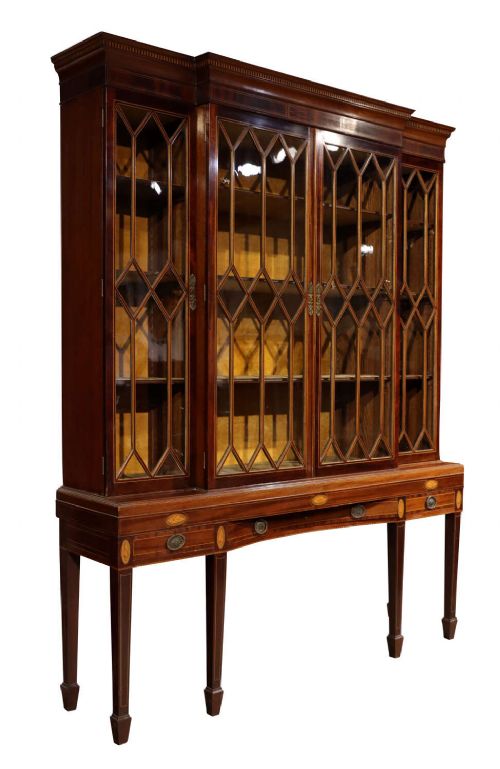
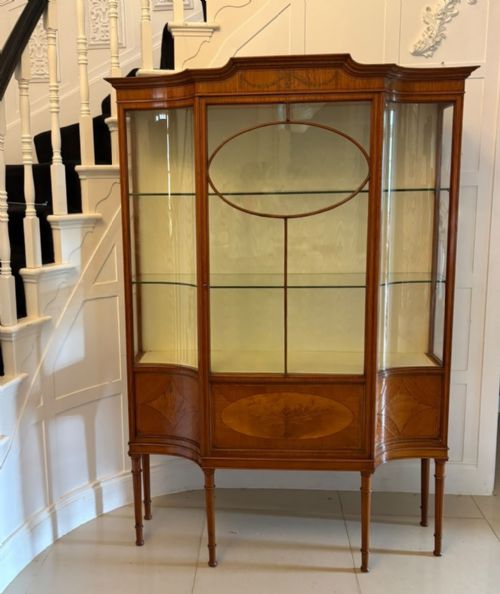
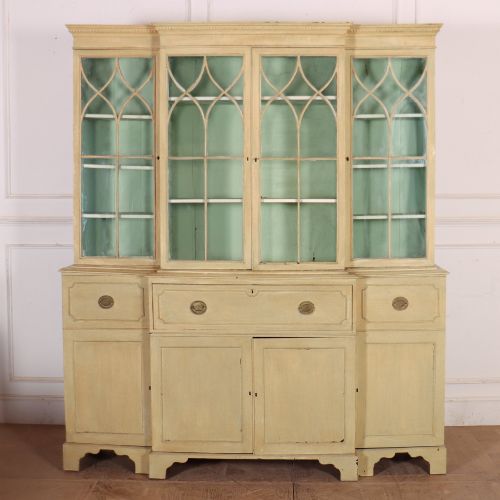
Victorian Astragal Glazed Cabinet
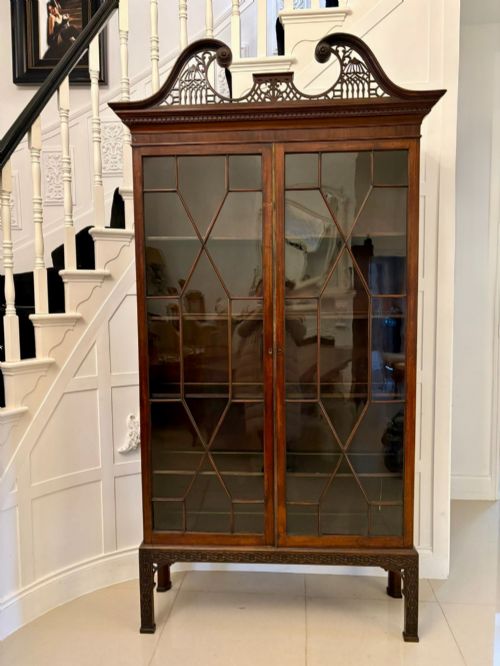
A victorian astragal glazed cabinet brings together fine timber and geometric lattice work to house books and display pieces.
Victorian Astragal Glazed Cabinet
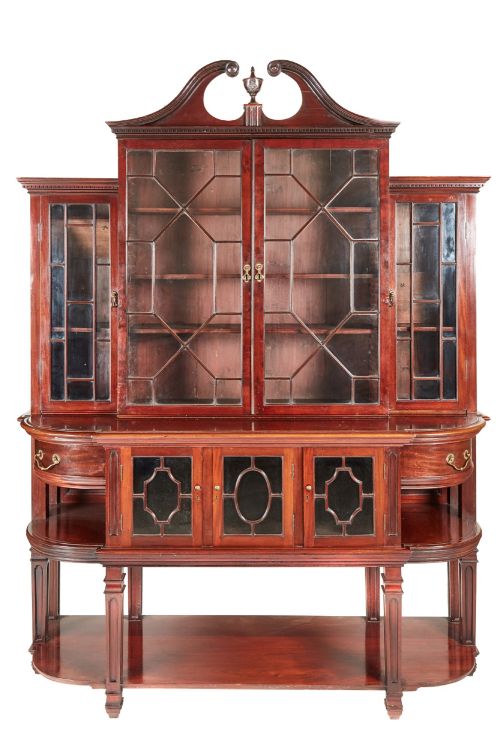
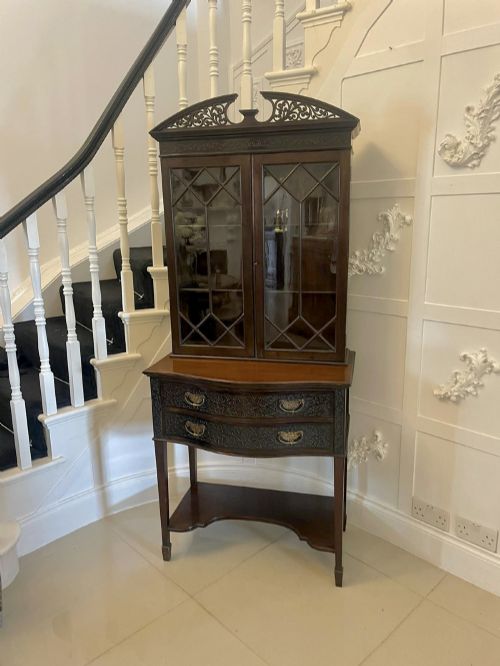
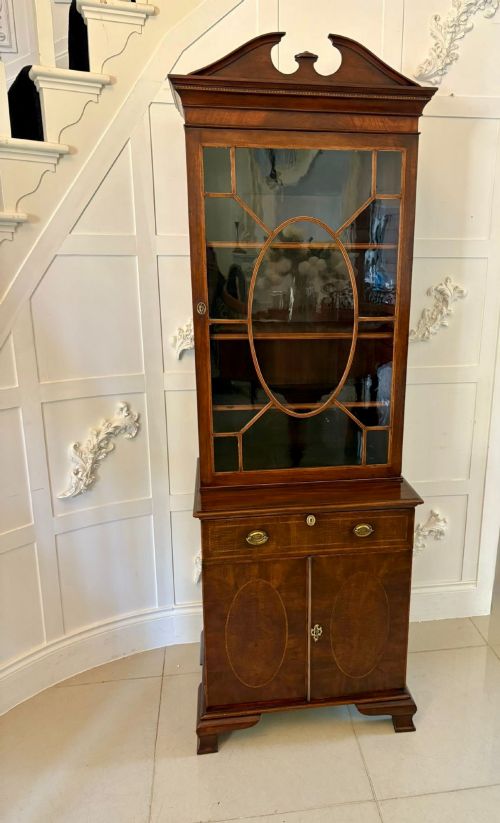
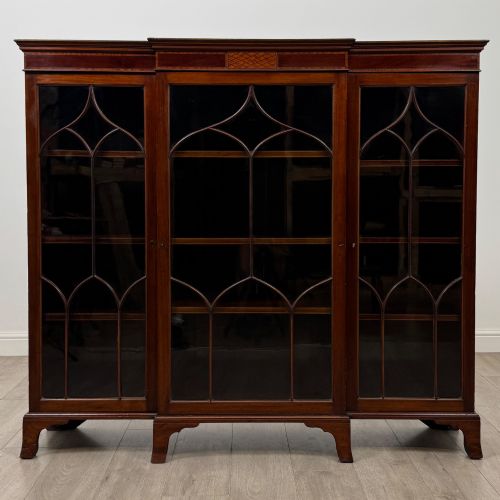
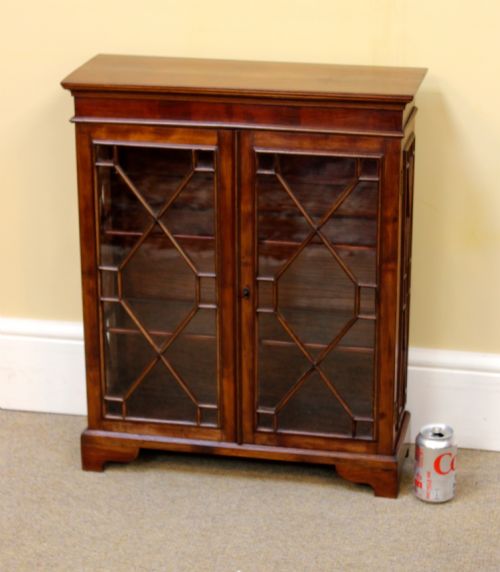
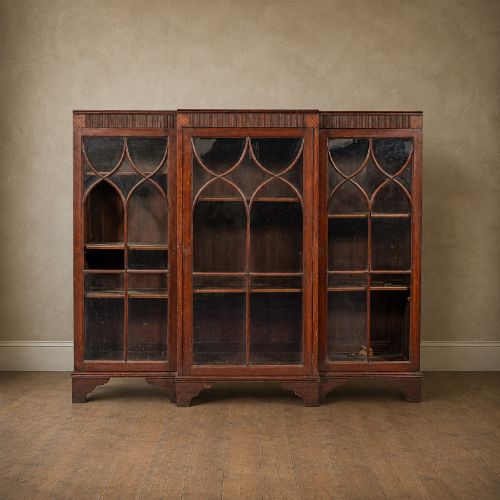
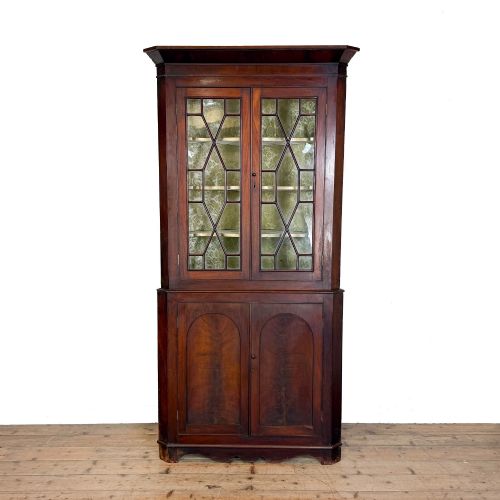
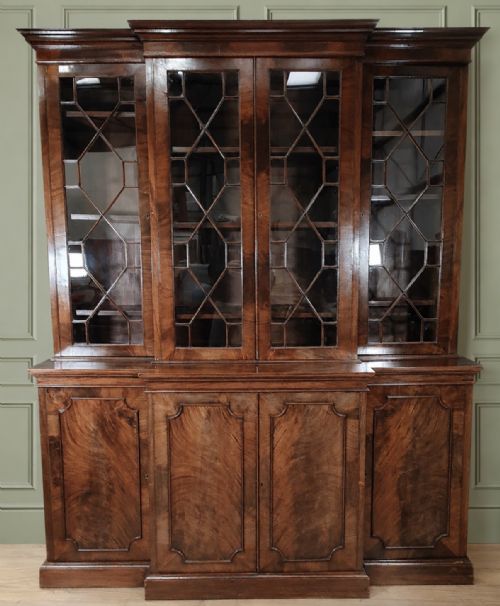
A victorian astragal glazed cabinet encompasses a broad selection of forms spanning bookcases, display cabinets, corner cupboards, and bureau bookcases originating from the nineteenth century. These pieces emerge in styles ranging from standard Victorian and late Victorian to Georgian, Regency, and various revivals including Sheraton, Chippendale, and Gothic. Pieces appear in large breakfront formats as well as smaller scale, hanging, and miniature sizes.
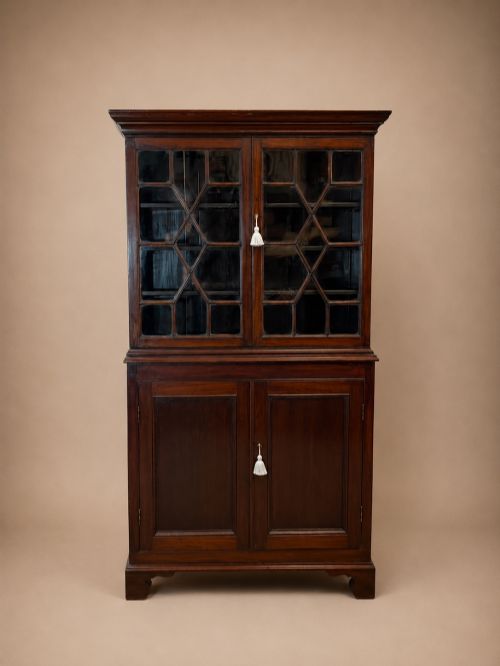
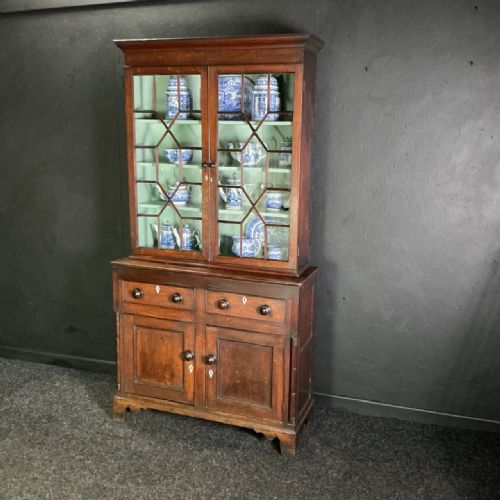
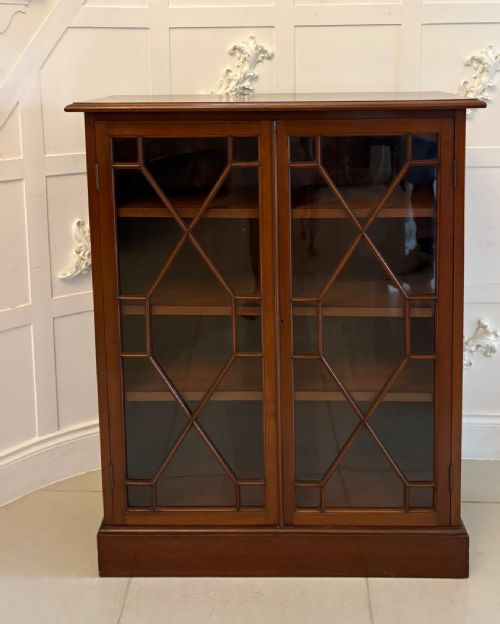
The version most commonly met on this page is the upright mahogany bookcase or display cabinet featuring glazed doors divided by wooden glazing bars. Walnut, satinwood, oak, pine, and rosewood examples also appear alongside specialised secretaire and corner variants. The structure typically combines upper display sections with enclosed lower cupboards or drawer bases.
Materials and Technique
Makers constructed these cabinets primarily using solid and figured mahogany, complemented by decorative accents of satinwood, walnut, and rosewood. Brass hardware provides functional detailing while interior fabric linings occasionally back the display spaces.
Glazing relies on timber astragal bars arranged in geometric or arched lattices to hold individual panes of glass securely within the frame. Cabinetmakers applied intricate inlay, marquetry, and carved detailing to enhance the primary wood surfaces.
Styles span standard Victorian, late Victorian, Georgian, Regency, Gothic Revival, and Chippendale Revival.
Distinctions in Execution
The refinement of the timber and the precision of the joinery separate standard production from exceptional examples. Figured grain patterns and delicate inlay demand a higher degree of cabinetmaking skill than plain surfaces.
Proportion and scale dictate the visual success of the piece, with harmonious breakfront layouts and balanced glazing bar arrangements marking the upper tier of execution.
Jas Shoolbred·James Winter & Sons·Edwards & Roberts
The Victorian Astragal Glazed Cabinet Glossary
- Astragal
- A moulding profile used on glazed cabinet doors to hold individual glass panes in a lattice grid. These wooden bars form the characteristic geometric patterns seen across the front of the furniture.
- Breakfront
- A cabinet design where the central section projects forward from the flanking wings. This configuration adds architectural depth and presence to large bookcases.
- Secretaire
- A cabinet incorporating a pull-down writing drawer fitted with internal pigeonholes and small drawers. It combines the functions of a writing desk and a bookcase.
- Marquetry
- Decorative veneer work arranged in pictorial or geometric patterns using various coloured woods. It appears on premium satinwood and mahogany surfaces.
- Pier Cabinet
- A narrow display cabinet designed to fit against the wall space between windows. These pieces often feature fine inlay and glazed doors.
Victorian Astragal Glazed Cabinet: Frequently Asked Questions
What is a victorian astragal glazed cabinet?
A victorian astragal glazed cabinet is a nineteenth century storage and display piece featuring glass doors divided by wooden lattice bars known as astragals. These items were built primarily in mahogany, walnut, and satinwood to house books and valued possessions.
Such furniture ranges from compact corner cupboards and hanging wall units to imposing breakfront bookcases and bureau variants. They reflect various aesthetic revivals popular during the Victorian era.
How were these cabinets used originally?
These cabinets served primarily in libraries, drawing rooms, and studies to protect delicate leather-bound books from dust while allowing them to remain visible. Display sections also accommodated porcelain, silverware, and curiosities.
Secretaire versions provided an integrated writing surface alongside book storage, catering to the administrative needs of a nineteenth century household. Corner cupboards maximised awkward room angles for supplemental storage.
How do I style a cabinet at home?
Placing a victorian astragal glazed cabinet in a living room or study anchors the space with traditional timber tones and vertical height. The internal shelving accommodates curated book collections or collections of ceramics.
Smaller corner or hanging variants suit compact rooms where floor space remains at a premium. The glazed doors introduce reflective light and break up heavy expanses of wall.
How do I identify different periods?
Identifying the period involves examining the primary woods, secondary timbers, and stylistic revival cues present in the construction. Mid nineteenth century pieces often favor solid figured mahogany, while late Victorian examples frequently incorporate satinwood, marquetry, and lighter aesthetic influences.
Cabinet proportions and the style of decorative carving offer further clues to whether a piece aligns with early Victorian production or late nineteenth century revival movements.