

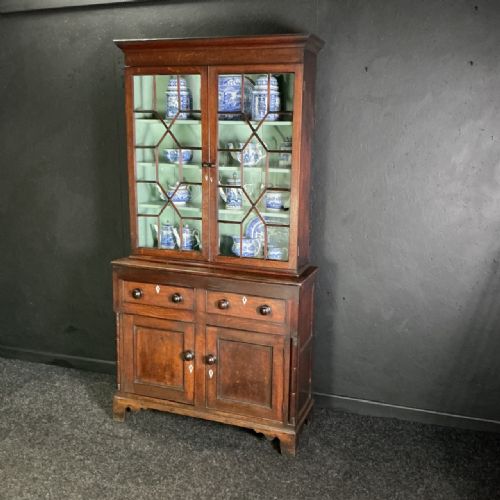
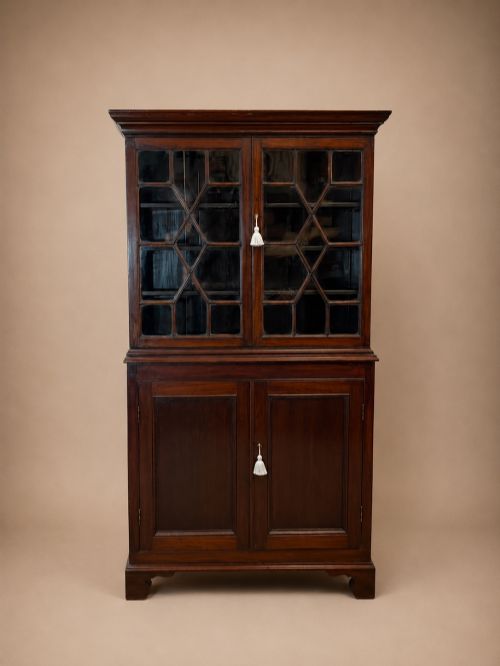
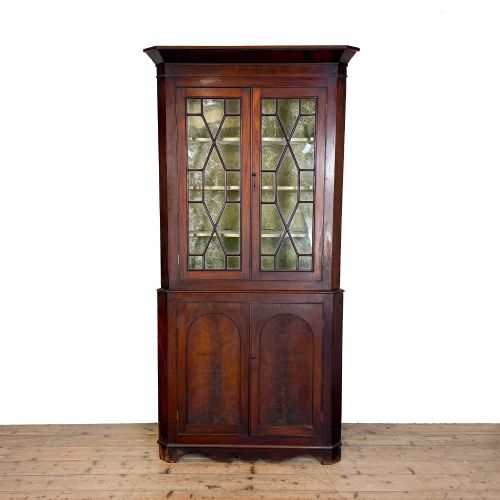
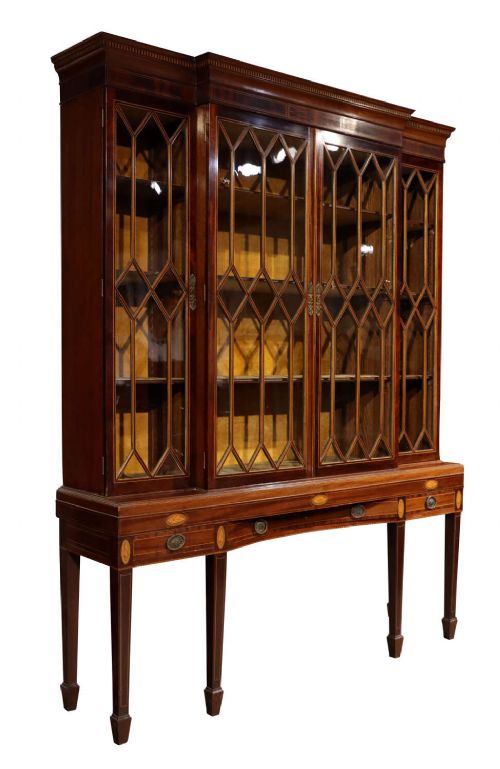
Victorian Astragal Bookcase
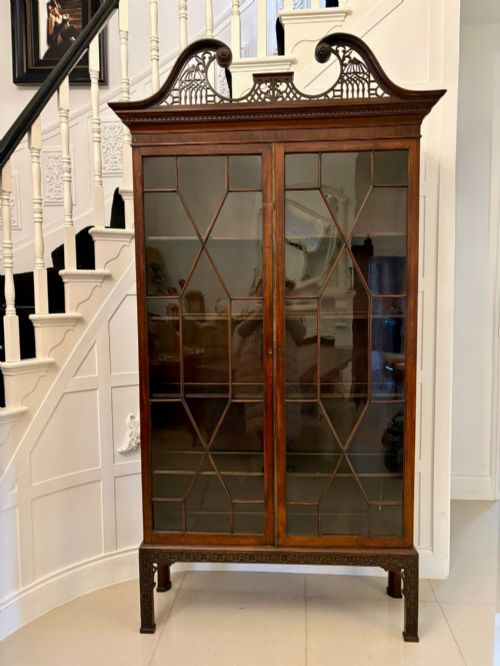
A victorian astragal bookcase brings formal nineteenth-century glasswork and figured timber together to frame a fine library.
Victorian Astragal Bookcase
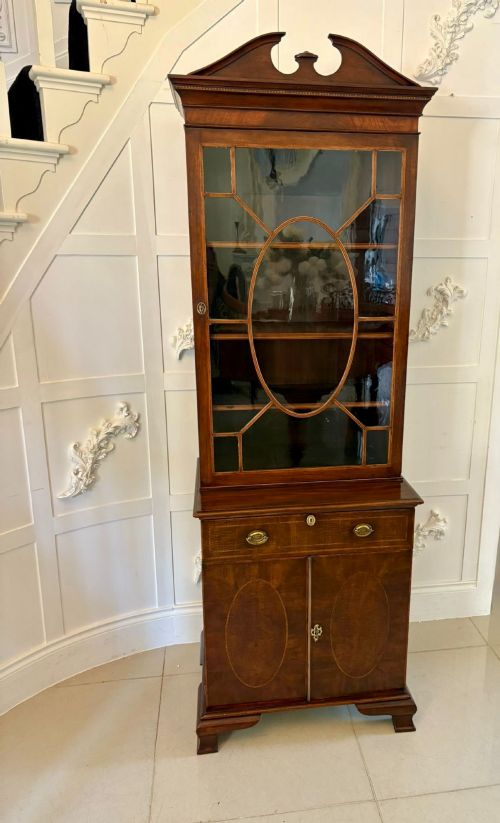
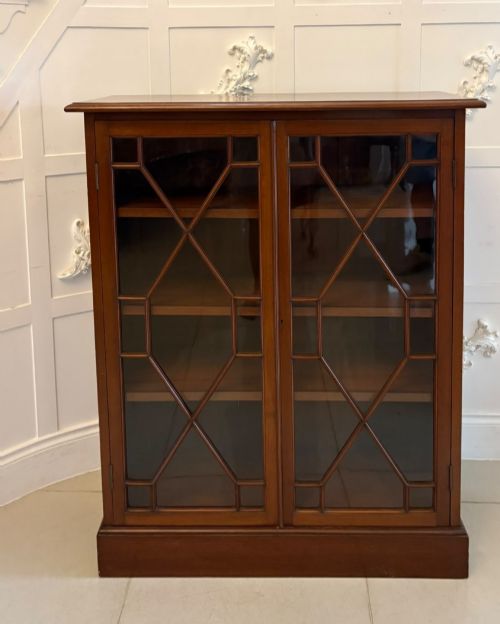
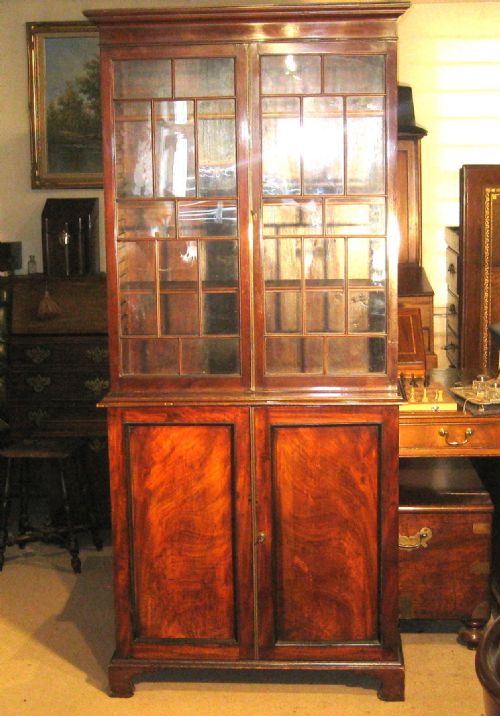
A victorian astragal bookcase combines architectural glass doors with substantial timber storage, originating primarily from the nineteenth century. These pieces serve to house and display bound volumes while protecting them behind individual glazed panes.
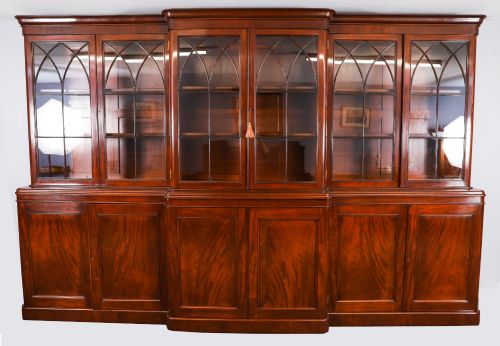
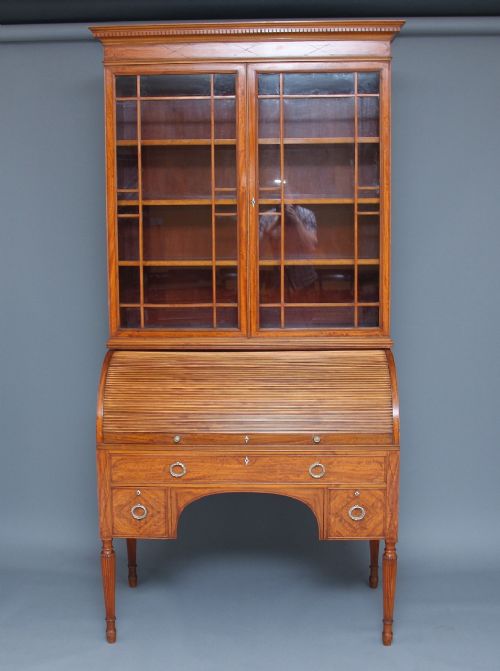
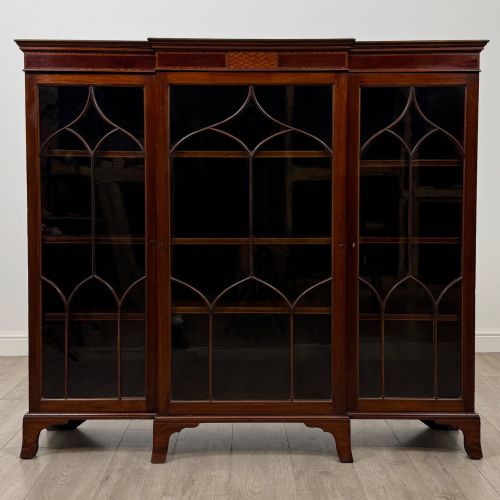
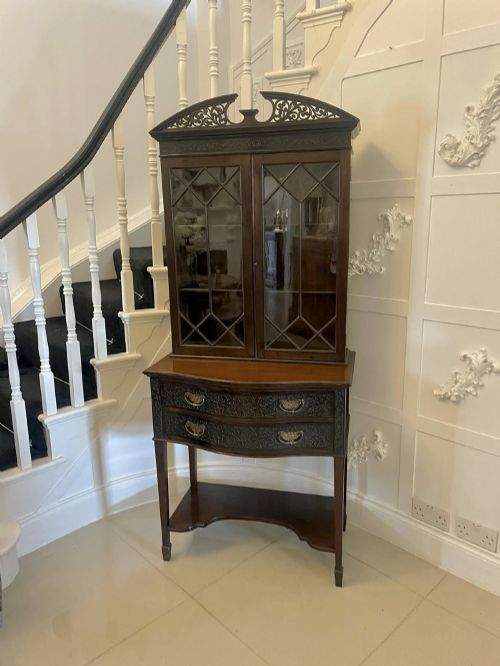
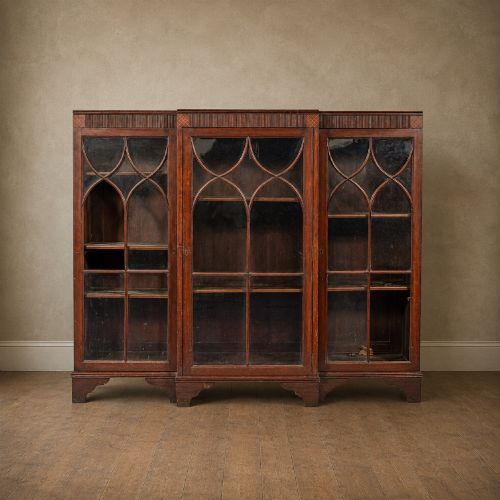
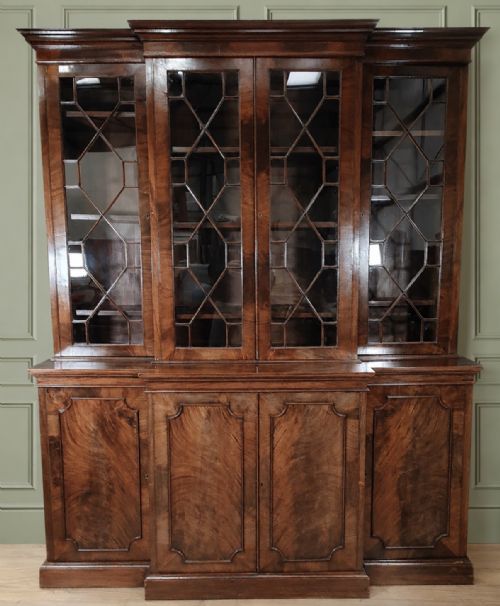
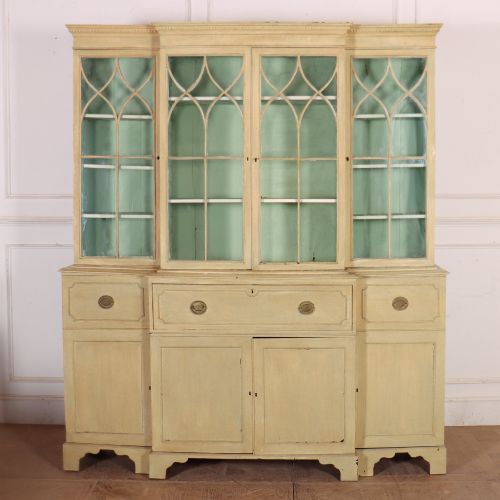
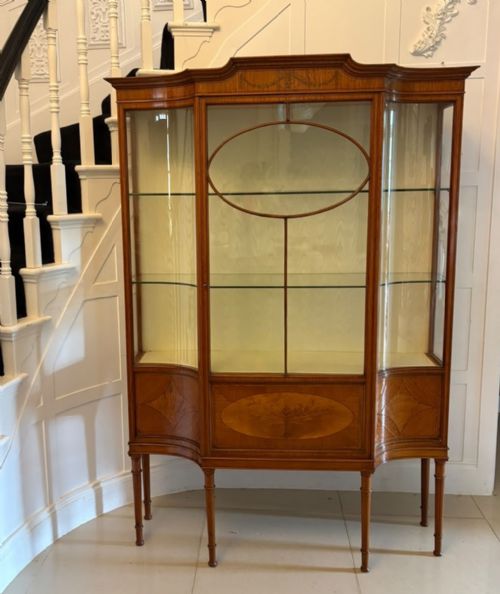
The version most commonly met on this page is constructed from mahogany, often featuring breakfront proportions or bureau sections alongside the characteristic glazed upper doors. Walnut, satinwood, and oak examples also appear across the selection.
Makers and workshops of the period applied revival styles ranging from Sheraton and Chippendale to Gothic, adapting eighteenth-century forms for nineteenth-century interiors. These cabinets function equally well as standing display units or tall library fixtures.
How they were made
Cabinet makers utilised solid timber and veneers, choosing figured mahogany, walnut, and satinwood to build the main carcass and panelled lower doors. Brass fittings secure the doors and drawers while glass panels are held firmly in place by wooden glazing bars.
The characteristic grid of the glass doors relies on timber astragal bars shaped to hold individual panes securely. Inlaid satinwood lines the borders of finer pieces, contrasting with the darker body of the mahogany or walnut structure.
Victorian Astragal Bookcase Retail Price Guide 2026
Typical asking prices for victorian astragal bookcase among the pieces listed under this phrase on Sellingantiques today, from the lower quarter to the upper quarter. They describe what is for sale here now, not the wider market.
Miniature cabinets appear among the large breakfronts, offering compact proportions for collectors with modest shelf space.
What varies in quality
The refinement of the timber figures and the precision of the astragal glazing bars distinguish finer examples from standard production. Cabinet makers who selected highly figured mahogany and executed subtle marquetry inlay achieved a more commanding visual presence.
Proportion and scale dictate the success of the piece, with breakfront forms and balanced writing drawers commanding attention. The integration of period brasswork and intact original glass panes completes the hierarchy of quality.
Jas Shoolbred·James Winter and Sons·Edwards and Roberts
The Victorian Astragal Bookcase Glossary
- Astragal
- A moulding profile used to divide glass panes within a door. These slender wooden bars form geometric grids across the front of the bookcase.
- Breakfront
- A cabinet design where the central section projects forward from the flanking wings. This architectural arrangement creates depth and shadow across the front elevation.
- Secretaire
- A desk component fitted with a drop-front writing surface and small internal drawers. It conceals writing materials behind a main drawer facade.
- Marquetry
- Decorative patterns formed by fitting contrasting veneers into a wooden surface. Craftsmen used this technique to introduce lighter woods like satinwood into dark mahogany.
- Chiffonier
- A low cabinet featuring cupboards or shelves, sometimes adapted to incorporate bookcase upper sections. These compact storage pieces suit smaller domestic spaces.
Victorian Astragal Bookcase: Frequently Asked Questions
What is an astragal bookcase?
An astragal bookcase is a nineteenth-century storage cabinet featuring glazed upper doors divided by slender wooden mouldings into geometric panes. These pieces were designed to keep valuable libraries visible yet protected from dust and handling.
The term refers specifically to the moulding profile that holds the glass, distinguishing these glazed library pieces from solid-door cupboards and plain display cabinets.
How do I style a large breakfront bookcase?
Placing a large breakfront bookcase requires a room with sufficient wall space and ceiling height to accommodate its architectural presence. These substantial pieces anchor a study or formal library, functioning best when filled with leather-bound volumes and balanced displays.
The projecting central section creates natural zones for arrangement, allowing books to be grouped by height and binding alongside decorative objects.
Are shelves adjustable in these bookcases?
Many nineteenth-century bookcase cabinets incorporate adjustable shelving to accommodate varying book sizes. This practical interior feature allowed collectors to alter shelf heights as their libraries grew and changed.
Original internal fittings often utilise wooden tooth racks or brass support strips fixed to the interior carcass walls.
How do I distinguish a secretaire bookcase?
A secretaire bookcase includes a dedicated writing drawer that pulls out and drops down to reveal a fitted interior of pigeonholes and small drawers. This dual-purpose form combines a writing desk with a traditional library bookcase in a single footprint.
The drop-front conceals the writing surface when not in use, maintaining the clean lines of the lower cabinet doors.