



Victorian Ash Desk
When you search for a victorian ash desk, you encounter robust pedestal writing pieces and accompanying seating shaped by provincial English cabinet-makers.
Victorian Ash Desk
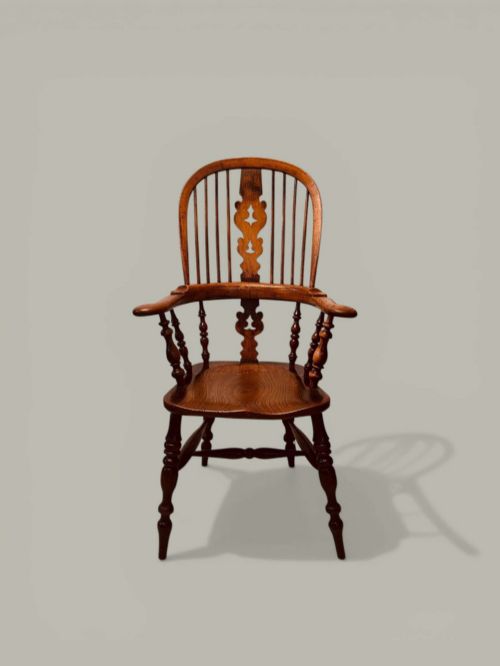
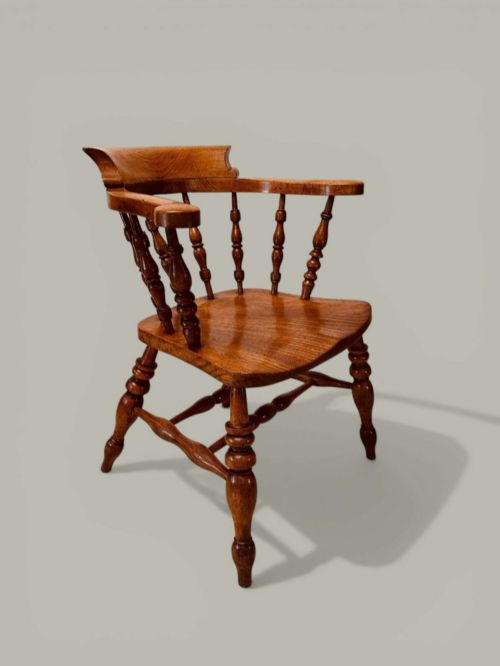
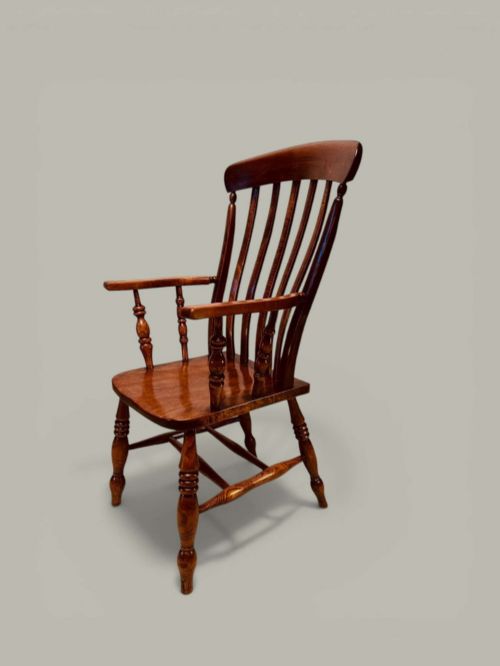
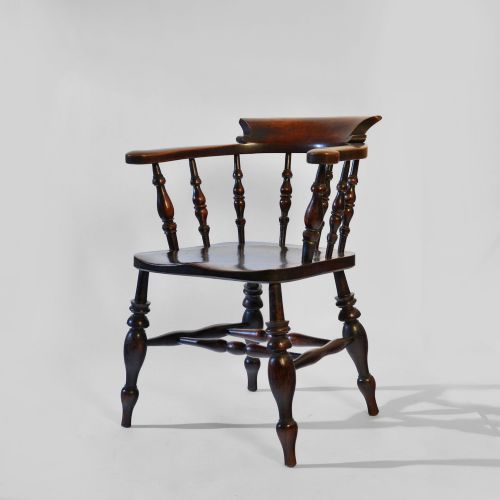
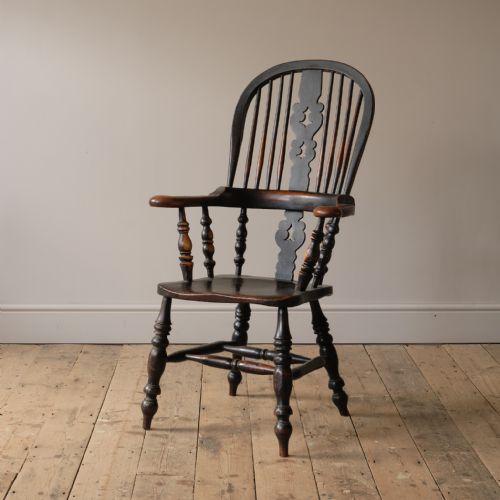
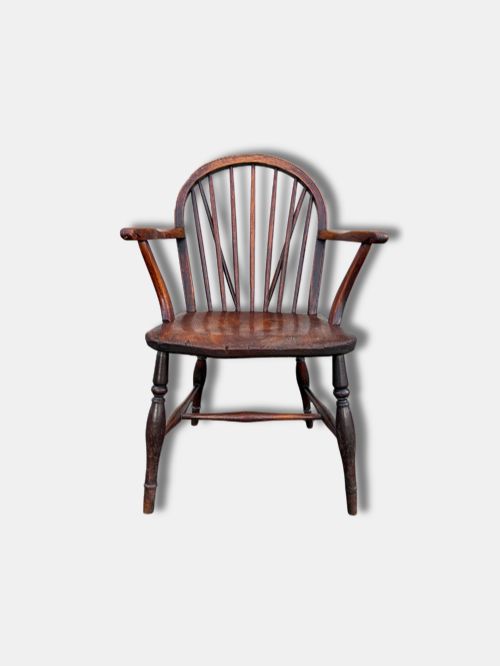
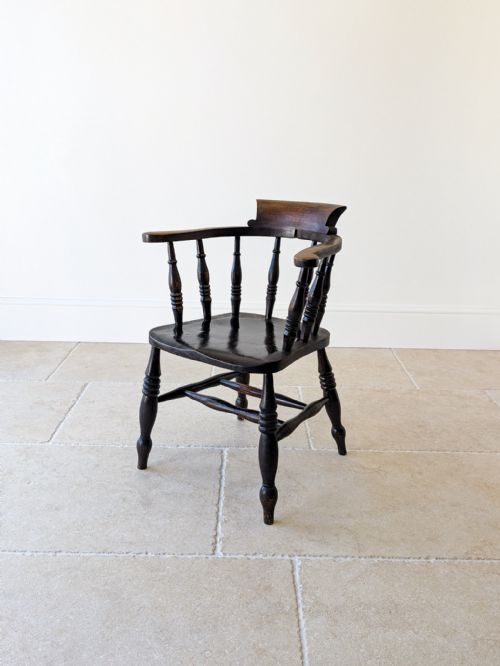
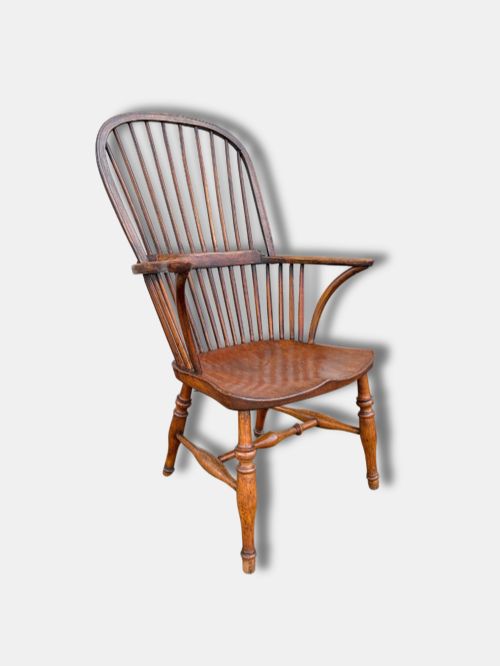
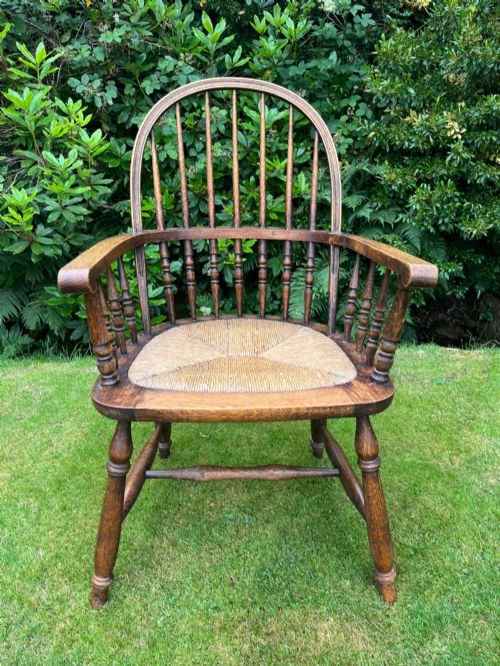
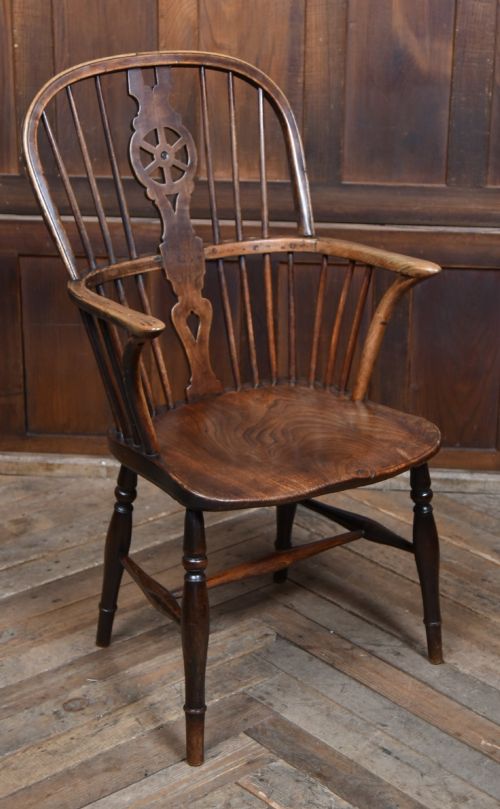
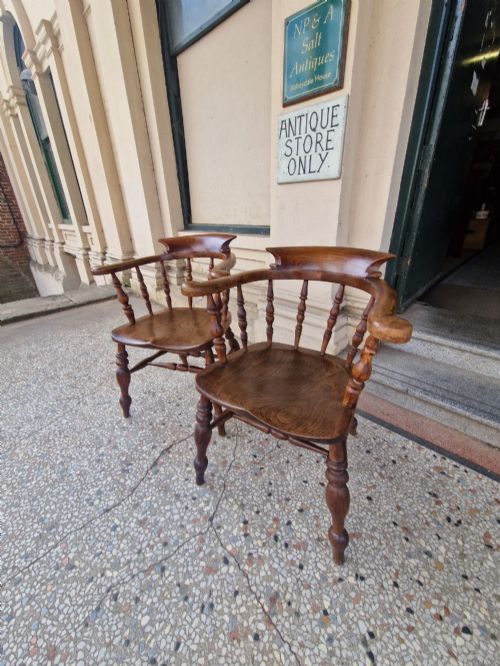
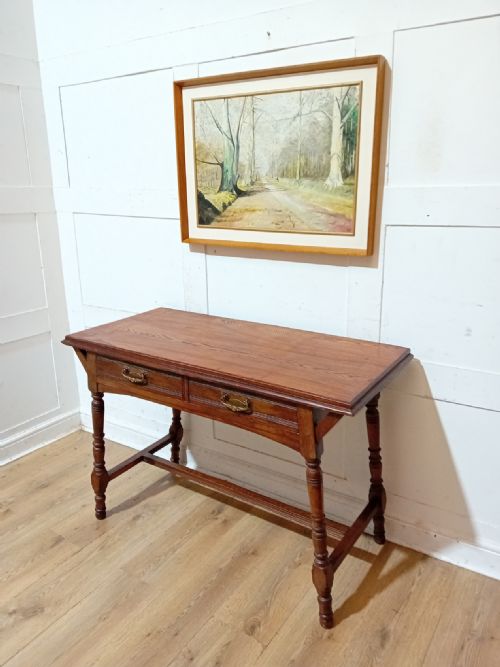
A victorian ash desk encompasses solid pedestal writing tables fitted with multiple drawers, alongside related side tables and partner pieces lined in timber. The listings also feature associated seating like Windsor chairs, captain's chairs, and smokers' bows designed to sit alongside these writing surfaces.
You are most likely to meet pedestal desks featuring nine drawers or kneehole configurations, often constructed with contrasting elm or oak elements. These workspace items date predominantly from the nineteenth century, spanning various provincial and Arts and Crafts interpretations.
The material palette extends beyond standard timber to include Hungarian ash variations and inlaid decorative details. These pieces bridge domestic utility and functional workspace furniture intended for nineteenth-century studies and libraries.
How they were made
Makers utilised solid ash and elm timbers, often combining the two woods to provide structural strength for chair seats and desk frameworks. Secondary woods such as oak and beech appear in drawer linings and internal framing.
Surfaces frequently incorporate inset leather writing panels alongside brass hardware and inlaid details. Construction methods rely on traditional joinery techniques suited to heavy provincial furniture production.
Victorian Ash Desk Retail Price Guide 2026
Typical asking prices for victorian ash desk among the pieces listed under this phrase on Sellingantiques today, from the lower quarter to the upper quarter. They describe what is for sale here now, not the wider market.
Listings demonstrate combinations of ash, elm, and brass, spanning nineteenth-century pedestal desks, writing slopes, and Windsor chairs.
What varies in quality
The distinction between tiers rests upon the selection of timber figures, particularly the use of highly grained Hungarian ash versus standard planking. Superior examples display thoughtful grain matching across multiple drawers and pedestal fronts.
Execution of turning on chair spindles and the integration of secondary woods like elm define the better items. Subtleties in proportion and the retention of original leather writing surfaces separate standard utility items from distinguished workshop output.
Liberty·Rodman and Co
The Victorian Ash Desk Glossary
- Pedestal desk
- A freestanding writing table supported by two pillars of drawers flanking a central kneehole.
- Hungarian ash
- A decorative European timber prized for its distinctive swirling grain pattern used in high-status cabinet work.
- Smoker's bow
- A low-backed wooden armchair with a rounded continuous arm rail, commonly paired with office and writing desks.
- Windsor chair
- A chair built with a solid wooden seat into which the legs and back spindles are directly inserted.
- Kneehole
- The central recessed space beneath a desk top designed to accommodate the user's legs.
Victorian Ash Desk: Frequently Asked Questions
What defines a victorian ash desk?
These pieces comprise solid pedestal writing tables featuring multiple drawers, occasionally complemented by matching leather inserts and turned supports. They reflect nineteenth-century workspace furniture built from pale indigenous hardwoods.
Many examples incorporate elm secondary timbers and show influences from regional English traditions and the Arts and Crafts movement.
How do I use a pedestal desk?
A pedestal desk provides a substantial writing surface with built-in storage flanking a central opening for seating. They suit studies and home offices requiring generous surface area and drawer capacity.
The sturdy construction accommodates daily paperwork and computer equipment while maintaining a traditional aesthetic.
Why pair ash with elm?
Cabinet-makers combined ash and elm because each timber offered distinct mechanical properties suited to heavy furniture construction. Ash provided straight-grained rigidity for frames, while tough elm resisted splitting when shaped into chair seats.
This pairing typifies regional English country furniture and Windsor seating production.
How do I identify a Victorian piece?
Nineteenth-century construction methods, specific drawer lining timbers, and characteristic hardware help establish the period. stylistic markers such as Arts and Crafts simplicity or aesthetic movement details point directly to late nineteenth-century workshops.
Comparing timber selection and joinery styles against dated examples clarifies the manufacturing era.