

Victorian Art Work
Victorian art work gathers the painted canvases, needlework samplers and wrought metal furnishings of the nineteenth century into one distinctive field.
Victorian Art Work
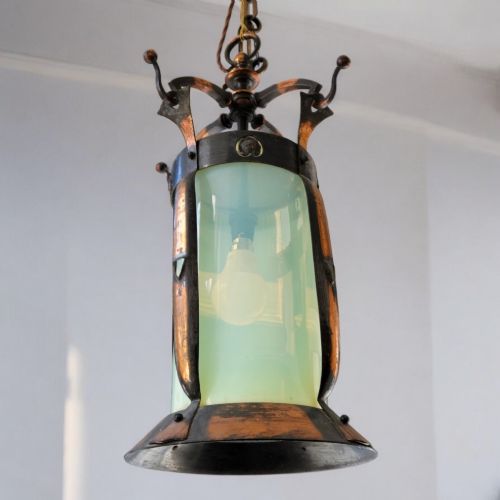
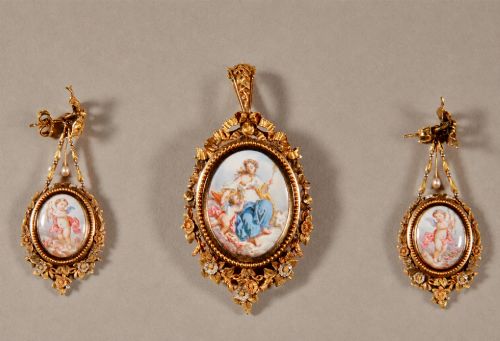
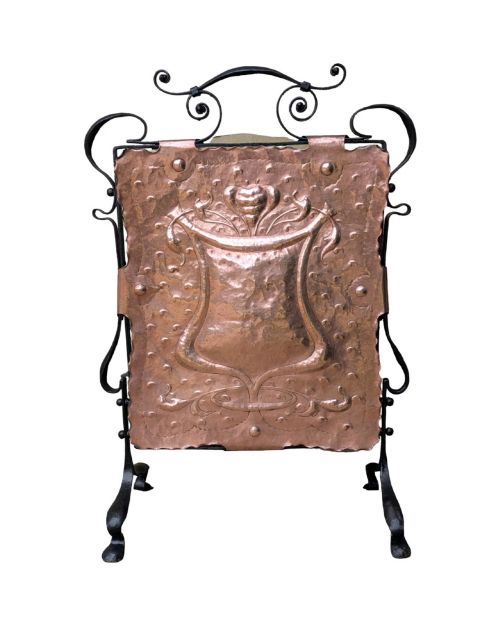
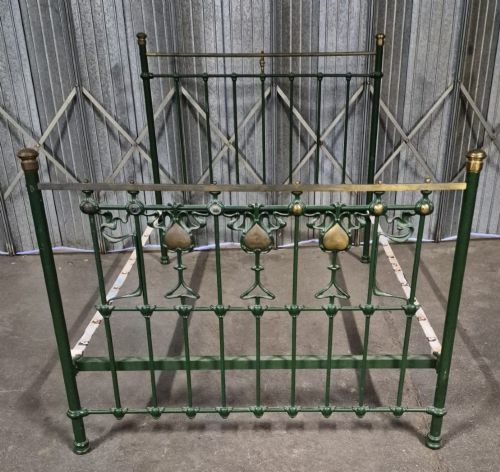
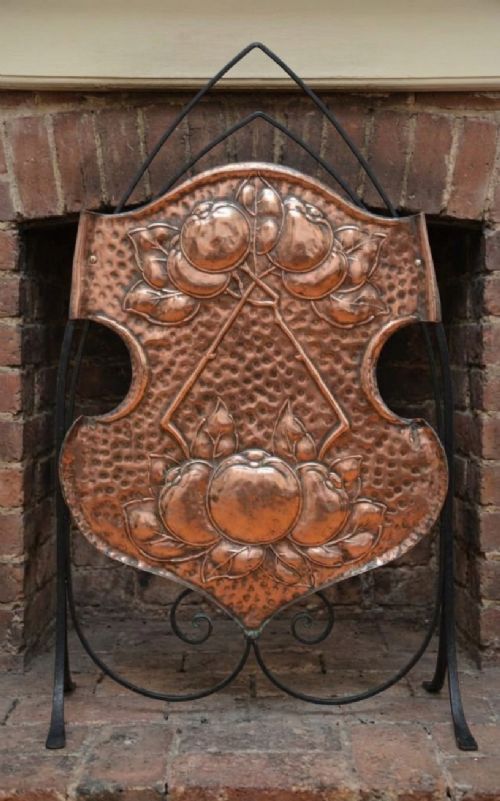
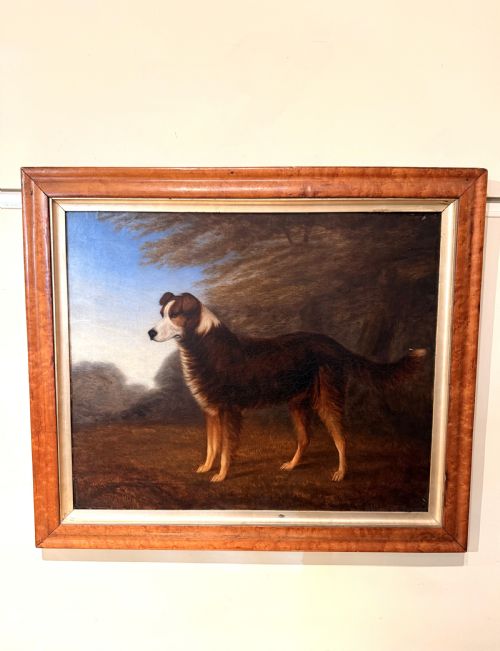
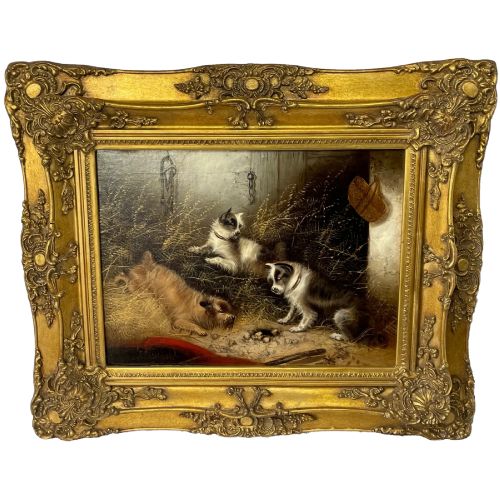
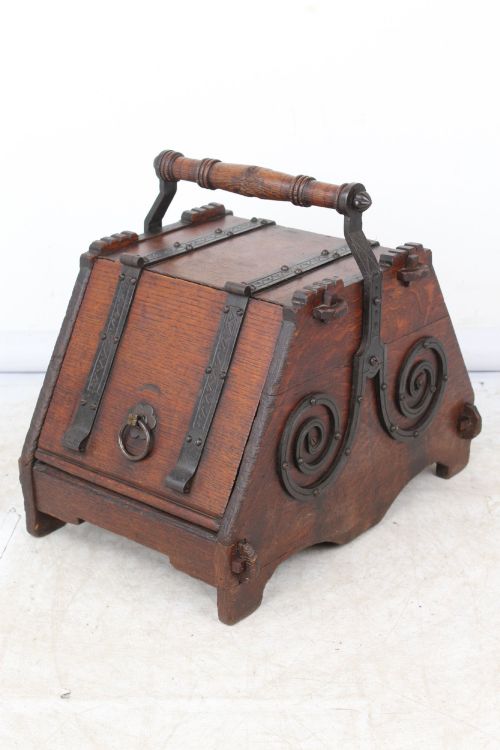
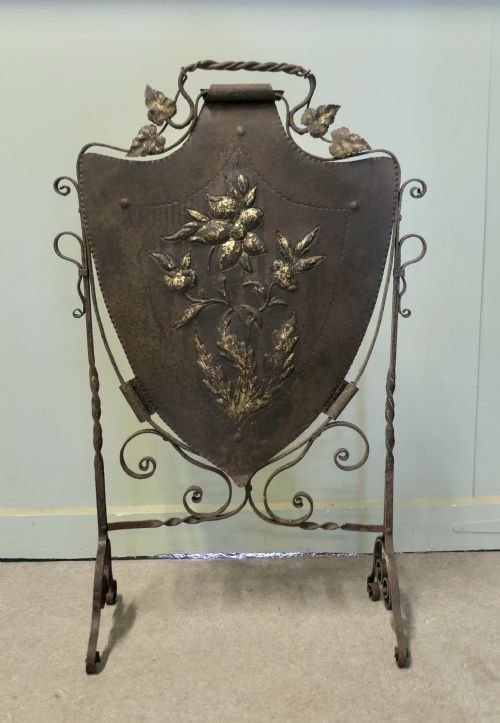
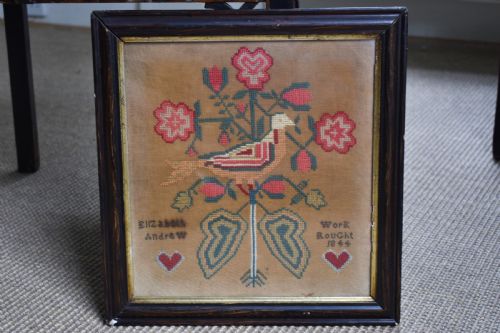
When you search for victorian art work, you encounter a diverse mix of painted canvases, needlework samplers and metal furnishings originating from the nineteenth century. The examples met on this page lean heavily towards oil paintings of animals and working scenes, alongside decorative fireside accessories in iron and copper.
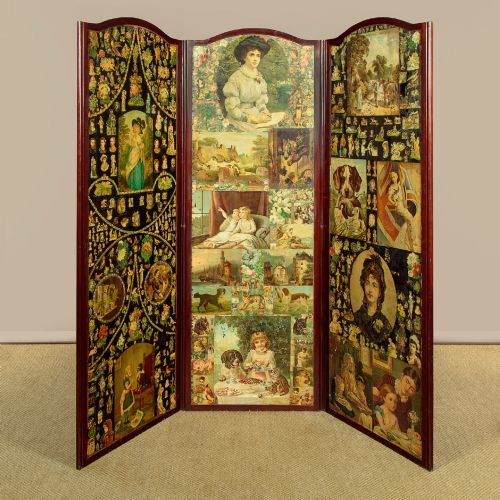
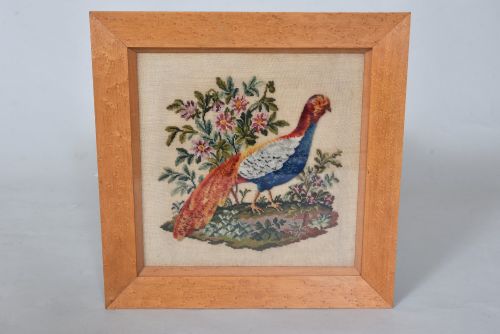
Beyond standard oils and watercolours, the category encompasses folk craft traditions such as plushwork, shell work and wool work depictions of wildlife. These items reflect the domestic and decorative priorities of nineteenth-century makers, blending utility with artistic expression.
Materials and construction
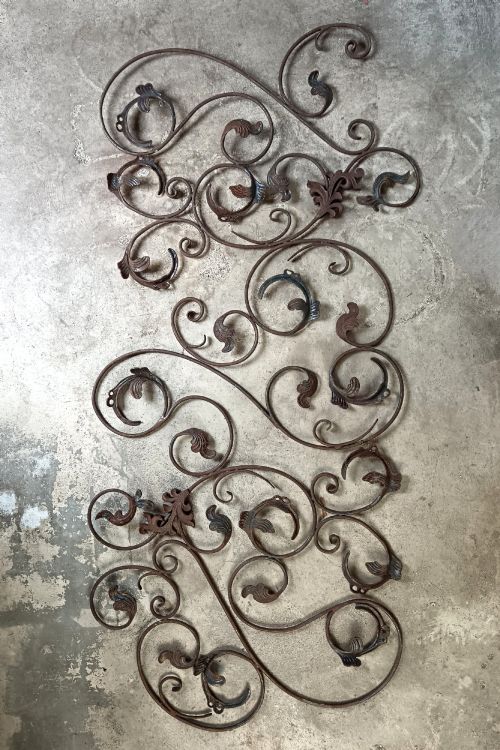
The physical evidence relies heavily on traditional media including oil on canvas, watercolour and paper, mounted alongside textiles like wool and plushwork. Metalwork pieces combine wrought iron, brass and copper, often shaped into utilitarian hearth furnishings and architectural panels.
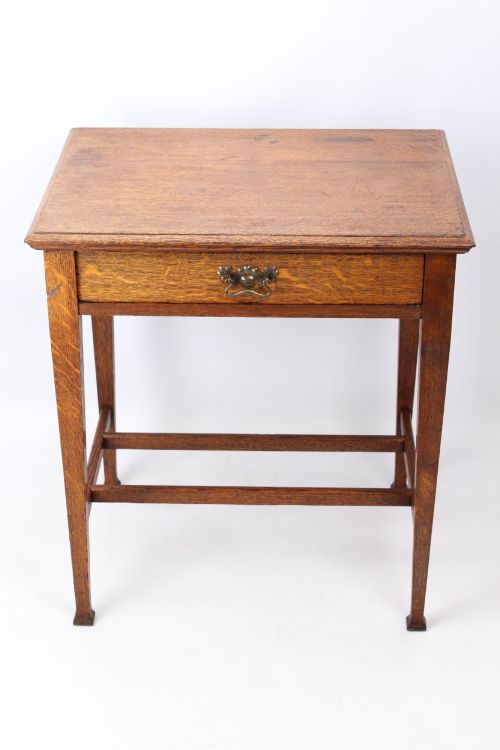
Organic materials such as oak, fruitwood and shell appear frequently in frames, furniture and folk assemblages. Construction techniques range from fine artistic brushwork to heavy smithing and detailed needle craft.
Victorian Art Work Retail Price Guide 2026
Typical asking prices for victorian art work among the pieces listed under this phrase on Sellingantiques today, from the lower quarter to the upper quarter. They describe what is for sale here now, not the wider market.
The listings combine fine art mediums like oil on canvas and watercolour with functional ironwork, copper vessels and textile works.
Distinctions in quality
Quality in these pieces is dictated by the execution of the primary craft, whether that is the precision of a painted animal subject or the structural integrity of a wrought iron fire screen. Finer works display deliberate handling of materials and greater attention to anatomical or design detail.
The distinction between standard vernacular items and superior examples lies in the harmony of material and design. Pieces associated with named artists or documented design movements display a higher tier of workmanship compared to anonymous domestic crafts.
Edward Armfield·Christopher Dresser·Herman S Melville·John Emms·John Trivett Nettleship·John Frederick Herring·John Linnell·James William Booth·Colin Graeme Roe·Adrian Jones·Louis Wain·Benedetto Salviati
The Victorian Art Work Glossary
- Plushwork
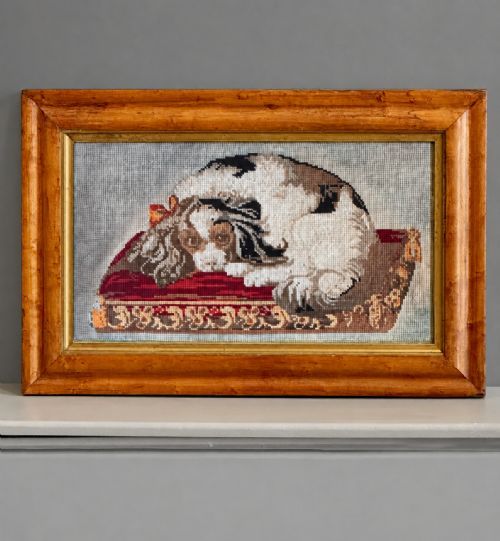
- A textile technique utilising raised pile to create textured pictorial scenes such as animal portraits. This method gives a tactile, three-dimensional quality to the finished piece.
- Andirons
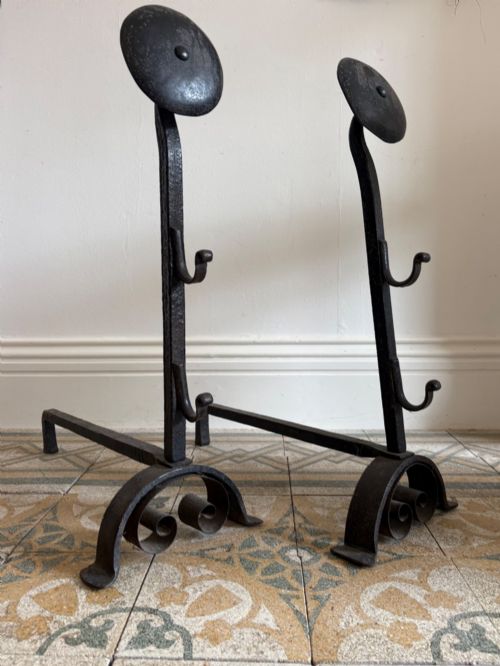
- Supporting metal bars placed in a hearth to hold logs, often highly decorative in wrought iron or brass. They form a key component of period fireplace furnishings.
- Sampler
- A piece of needlework demonstrating various stitches and patterns, frequently incorporating alphabets or pictorial motifs. They served as proof of needlework proficiency.
- Coal scuttle
- A container designed for holding domestic coal near a fireplace, commonly produced in copper or brass during the nineteenth century. These items combined functional storage with decorative display.
- Fire screen
- A decorative panel placed before a fireplace to block radiant heat when the fire was low. They were frequently executed in needlework, glass or hammered metal.
Victorian Art Work: Frequently Asked Questions
What defines a Victorian art work?
These pieces comprise paintings, decorative textiles and metal objects produced during the nineteenth century. They encompass everything from fine oil portraits of animals to domestic needlework and fireside metalwork.
Selecting a piece involves looking at the primary material and the context of its creation. The category bridges fine art and functional decorative craft.
How were needlework pieces used?
Needlework samplers and plushwork panels served as domestic decoration, often mounted in period frames to display household skill. They hung in reception rooms as expressions of contemporary taste.
Preserving these textiles requires careful placement away from direct sunlight to protect the wool and thread colours. Their survival depends on the original framing and backing protection.
What is the role of wrought iron in these pieces?
Wrought iron provided the structural foundation for heavy utility items such as fire dogs, andirons and coal buckets. Blacksmiths shaped the metal to withstand intense hearth heat while incorporating decorative scrolls.
These metal items were designed for daily service beside the hearth. Over time, their surfaces acquire a weathered patina that distinguishes period manufacture.
How do I identify Arts and Crafts influence?
Arts and Crafts pieces emphasise visible handcrafting, hammered copper surfaces and structural honesty in ironwork. The style rejects mass-produced uniformity in favour of distinct maker marks.
Matching these items to an interior involves noting the simpler, robust lines typical of the movement around nineteen hundred. They contrast with the more ornate Gothic Revival designs of earlier decades.