



Victorian Art Tiles
Victorian art tiles are decorative ceramic pieces set into furniture or framed for display, bringing rich colour and pattern into any interior.
Victorian Art Tiles
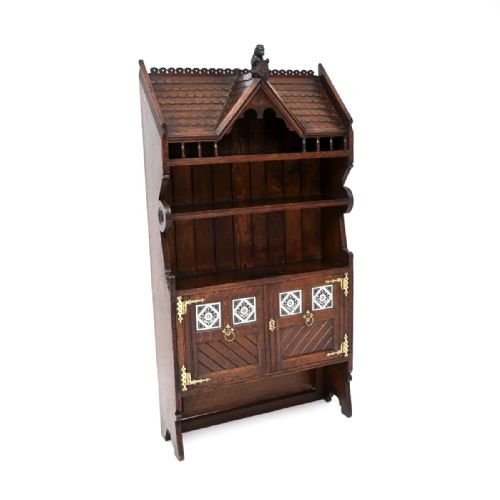
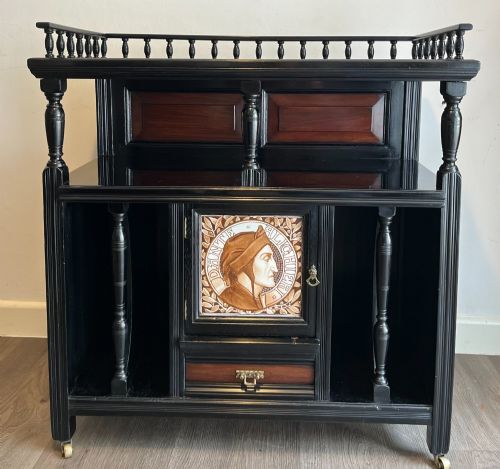
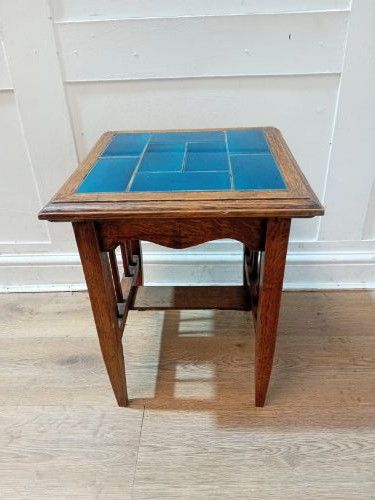
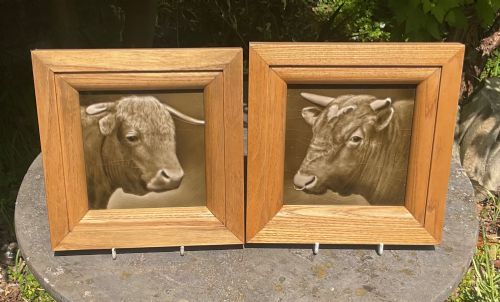
Victorian art tiles appear most frequently mounted as gallery backs on washstands, fitted into the tops of occasional tables, or framed as independent wall art. These pieces reflect the shift towards handcrafted domestic design during the nineteenth century, drawing heavily on Arts and Crafts and Aesthetic Movement ideals.
The domestic forms range from hall stands and cabinets to individual framed plaques, each incorporating glazed ceramic surfaces designed to withstand everyday use while providing visual interest. Makers utilised these tiles to elevate utilitarian furniture into artistic statements for the Victorian home.
Materials and technique
Techniques relied on precise kiln firing to fix vibrant colours and detailed pictorial or floral motifs onto the tile face. The integration of ceramic elements into wooden framing demanded careful carpentry to ensure the tiles remained secure without cracking under structural tension.
Victorian Art Tiles Retail Price Guide 2026
Typical asking prices for victorian art tiles among the pieces listed under this phrase on Sellingantiques today, from the lower quarter to the upper quarter. They describe what is for sale here now, not the wider market.
The documented periods span the nineteenth century, encompassing Victorian, Aesthetic Movement, and Arts and Crafts aesthetics.
Judging quality
Quality rests upon the clarity of the glaze, the precision of the hand-painted or transferred design, and the artistic pedigree of the designer or pottery. Pieces bearing the mark of notable ceramic artists or esteemed manufacturers exhibit superior line work and depth of colour.
The integrity of the surrounding carpentry also dictates value, particularly in furniture where tiles form an integral part of a washstand gallery or table top. Seamless joinery in supporting woods like oak or mahogany indicates a higher grade of production.
John Moyr Smith·Sherwin and Cotton·Minton·William de Morgan
The Victorian Art Tiles Glossary
- Glaze
- A vitreous layer or coating applied to ceramic ware and fused to the body through firing. This process seals the clay and imparts a glossy or matte finish that protects the design beneath.
- Pietra dura
- An artistic technique using inlaid cut and fitted irregularly shaped coloured stones to create images. This method appears on decorative panels associated with nineteenth-century marble work.
- Arts and Crafts
- A design movement originating in the nineteenth century that championed traditional craftsmanship and simple forms. It rejected mass production in favour of hand-made domestic objects.
- Aesthetic Movement
- An art movement supporting the emphasis of aesthetic values over moral or narrative themes in literature and fine art. In decorative tiles, this translated to stylised natural motifs and harmonious colour palettes.
Victorian Art Tiles: Frequently Asked Questions
What are Victorian art tiles?
Victorian art tiles are decorative ceramic surfaces produced during the nineteenth century, featuring hand-painted or printed designs inspired by the Arts and Crafts and Aesthetic Movement styles.
They were created both as standalone wall art and as functional components inset into furniture like washstands, tables, and hall stands.
How were tiled furniture pieces used?
Furniture incorporating ceramic tiles, such as washstands and side tables, served practical domestic purposes while resisting water and heat damage.
The glazed surfaces provided a durable, easily cleaned workspace in high-use areas of the Victorian home, particularly bedrooms and hallways.
How do I clean tile washstands?
Clean the ceramic tiles gently using a soft cloth and mild soapy water, avoiding harsh chemical abrasives that might dull the historical glaze.
Treat the surrounding wood frames with appropriate traditional waxes to nourish the grain without moisture reaching the tile grout.
How to identify period tiles?
Period pieces often display characteristic nineteenth-century glaze depths, maker stamps on the reverse, and stylistic markers tied to specific designers of the era.
Examining the thickness of the ceramic body and the nature of the framing helps distinguish genuine nineteenth-century production from later reproductions.