





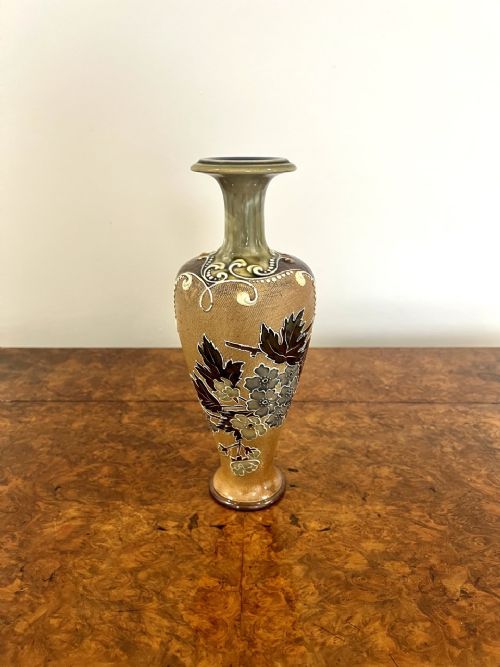


Victorian Art Nouveau Vase
A victorian art nouveau vase brings flowing natural lines and organic motifs into any room, offering a distinct transition from rigid nineteenth-century revival styles.
Victorian Art Nouveau Vase
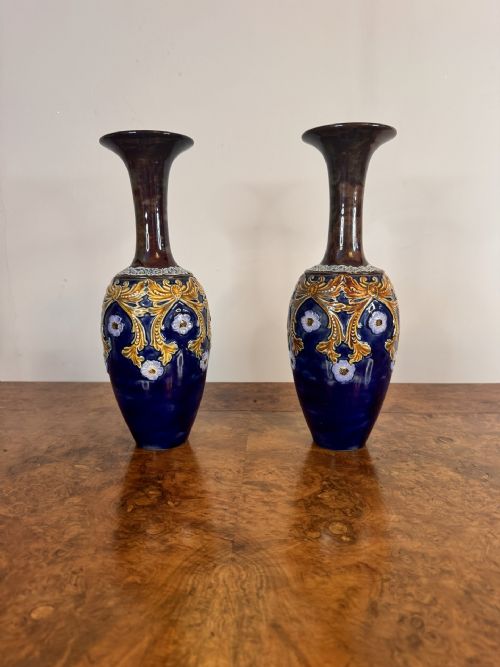
When searching for a victorian art nouveau vase, buyers encounter vessels spanning late nineteenth-century production through to the early twentieth century. The selections available here encompass studio pottery, glazed earthenware, and delicate glass forms.
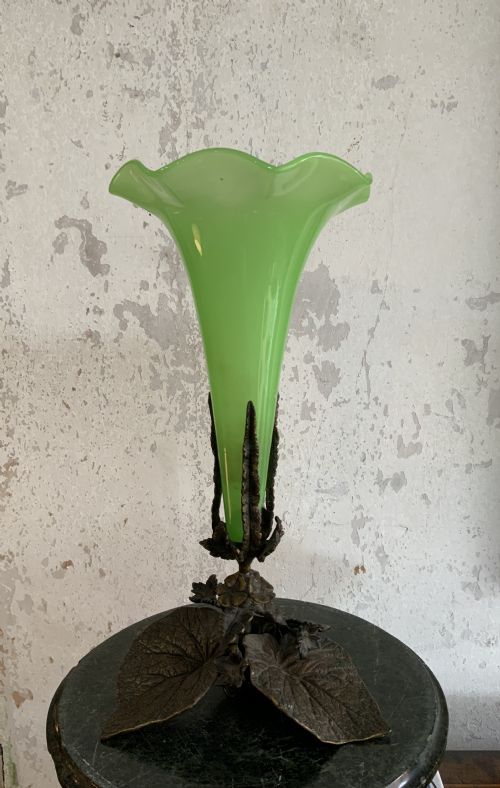
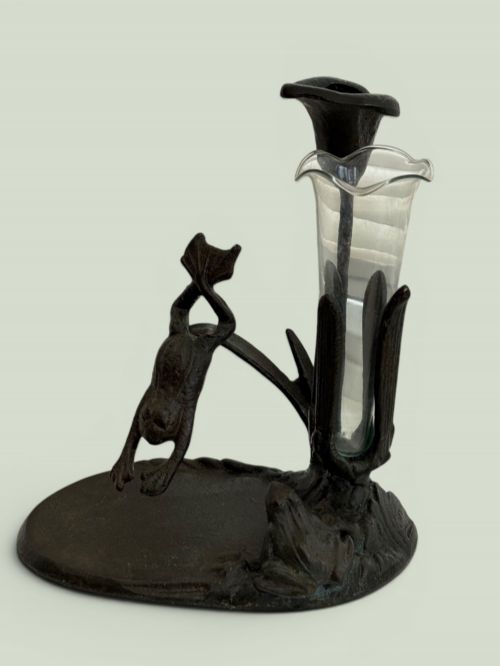
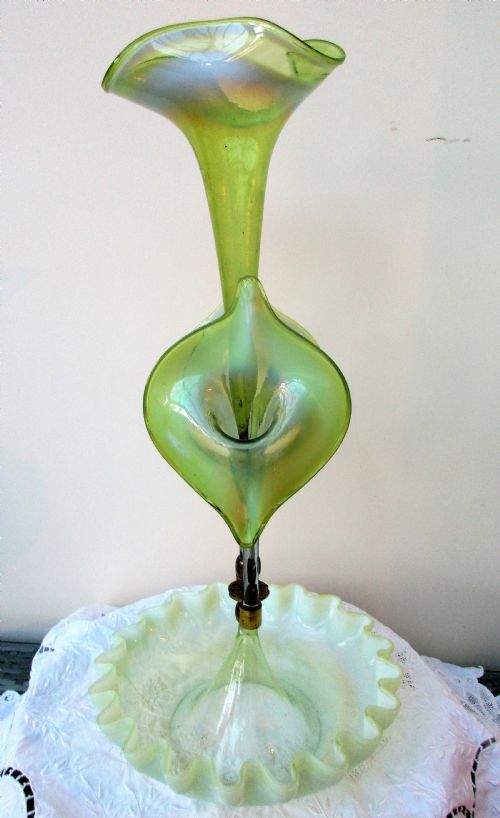
The objects take various shapes, ranging from small twin-handled vessels and tall trumpet profiles to larger umbrella stands and table centrepieces. Ceramic and stoneware bodies dominate the groupings, frequently complemented by bronze mounts and enamel decoration.
Materials and production methods
Makers utilised ceramic, stoneware, porcelain, and earthenware as the foundational bodies for these pieces, shaping them by hand or throwing them on wheels. Glaze application played a central role, creating fluid surface effects and colour gradients characteristic of the period.
Metal elements such as bronze and silver plating appear alongside glass, including uranium glass, cranberry glass, and cameo glass. Artisans also applied gold leaf and enamel details to enhance surface texture and visual depth.
Victorian Art Nouveau Vase Retail Price Guide 2026
Typical asking prices for victorian art nouveau vase among the pieces listed under this phrase on Sellingantiques today, from the lower quarter to the upper quarter. They describe what is for sale here now, not the wider market.
Sunflower motifs appear rendered in rich studio pottery, allowing owners to bring eternal summer blooms indoors regardless of the weather.
Distinctions in quality
The finest examples display crisp execution in modelled floral and sinuous motifs, demonstrating the sculptor or decorator's deliberate hand. Studio pieces bearing identifiable signatures or factory marks separate themselves from anonymous commercial production.
Surface finishes reveal the maker's technical control, particularly in the consistency of glaze reactions and the precise application of enamel or metallic detailing. The integration of mixed media, such as bronze mounts fitted securely to ceramic bodies, indicates superior craftsmanship.
Doulton Lambeth·Eliza Simmance·Sir Edmund Harry Elton·William Moorcroft·Ernst Wahliss·Baccarat·Royal Dux
The Victorian Art Nouveau Vase Glossary
- Epergne
- A tiered table centrepiece featuring multiple trumpets or baskets, typically used for holding fruit or flowers. These multi-branch vessels often combine glass and metal components.
- Stoneware
- A robust, vitrified pottery body fired at high temperatures to achieve impermeability. This dense material allows for rich, textured salt-glaze and slip decorations.
- Cranberry glass
- A rich red glass created by adding gold chloride to the molten batch. The resulting hue shades from deep crimson to lighter pink tones.
- Uranium glass
- Glass containing trace amounts of uranium oxide, which glows vividly under ultraviolet light. It appears in transparent green or yellow shades across decorative tableware and vases.
Victorian Art Nouveau Vase: Frequently Asked Questions
How do I identify a genuine piece?
Examine the base for factory stamps, impressed registration numbers, or painted artist signatures. The combination of flowing organic forms with period materials like stoneware or opaline glass provides strong contextual clues.
Familiarise yourself with the distinct weight and glaze characteristics typical of late nineteenth-century ceramic and glass bodies. Comparing pieces against documented examples by known makers clarifies attribution.
Where should I display these vases?
Position them on sturdy surfaces where adequate light can illuminate translucent glass or lustrous glazes. Placing vessels away from direct, harsh sunlight protects enamel and gold leaf details from fading.
Allow sufficient space around larger centrepieces or epergnes so their silhouettes remain unobstructed. Pairing ceramic forms with complementary wood furniture highlights the organic tones of the period.
How do I clean an antique vase?
Dust surfaces gently with a soft, dry microfibre cloth to remove everyday particles. Avoid using chemical cleaners, abrasive pads, or soaking pieces with metallic mounts or enamel decoration.
Consult a professional restorer if a vessel requires deeper cleaning due to ingrained internal residue. Aggressive washing can damage delicate studio glazes and fragile applied elements.
What defines the style?
The aesthetic draws inspiration from natural forms, featuring whiplash lines, stylised plant motifs, and asymmetrical compositions. This design language marked a deliberate departure from historic revivalism.
Craftsmen translated botanical structures into three-dimensional ceramic, glass, and metal objects. The resulting pieces emphasise fluidity and movement over rigid symmetry.