

Victorian Art Box
These Victorian art box selections bring together nineteenth-century folk pieces, wooden containers and decorative works made to hold everything from watercolours to snuff.
Victorian Art Box
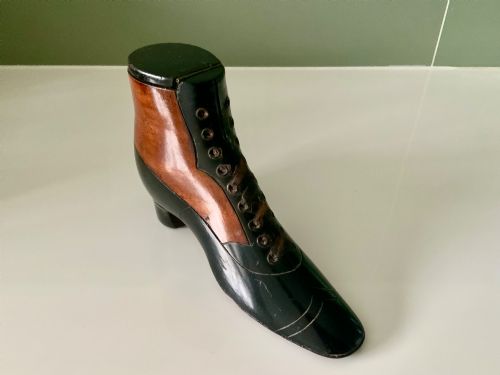
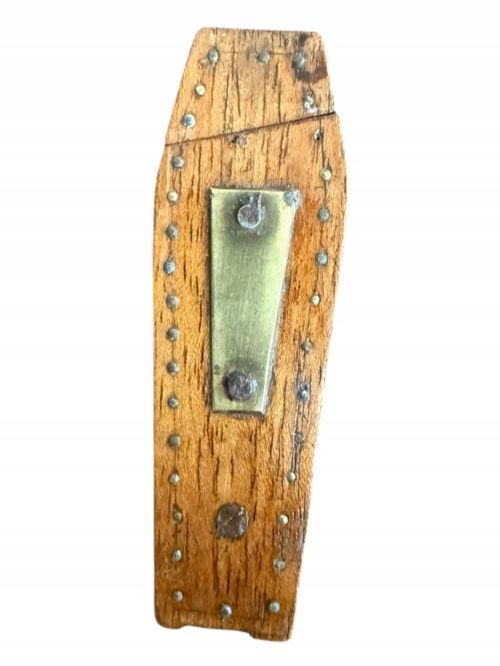
When you search for a victorian art box, you encounter a varied selection of containers, caskets, and folk objects produced during the nineteenth and early twentieth centuries. These range from functional artist paint boxes by makers such as Reeves and Son to intricate jewellery boxes, puzzle boxes, and carved wooden snuff containers.
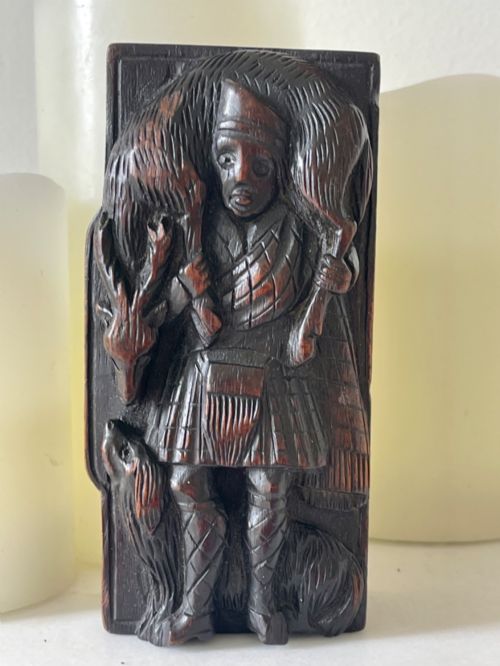
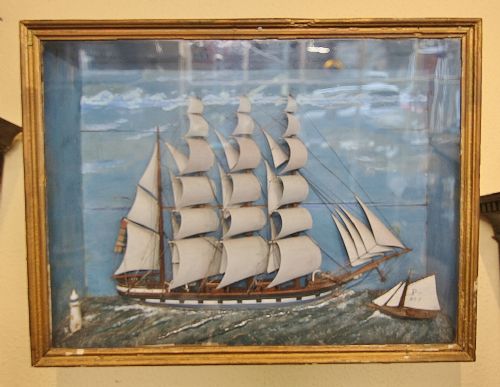
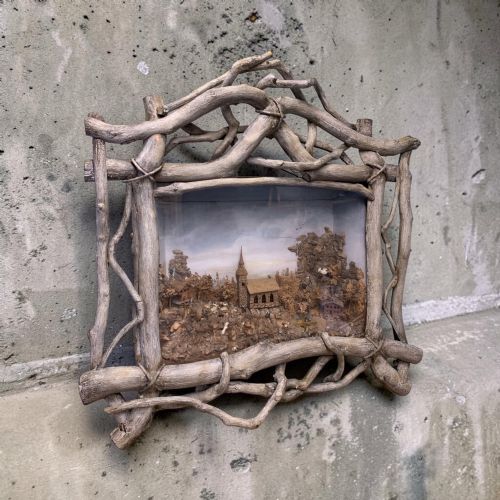
The objects span multiple styles including Arts and Crafts, Gothic Revival, Art Nouveau, and distinct regional folk art traditions from Scotland, Wales, Ireland, and England. You will also find related decorative forms such as coal scuttles, dioramas, and small chests alongside traditional lidded boxes.
Most pieces date from the Victorian period through to the Edwardian era and the interwar years, reflecting the diverse material culture of the nineteenth century. Every box serves a specific purpose, whether storing watercolours, memento mori items, or personal trinkets.
Materials and construction
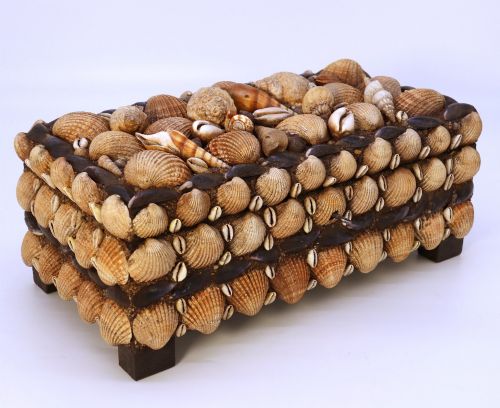
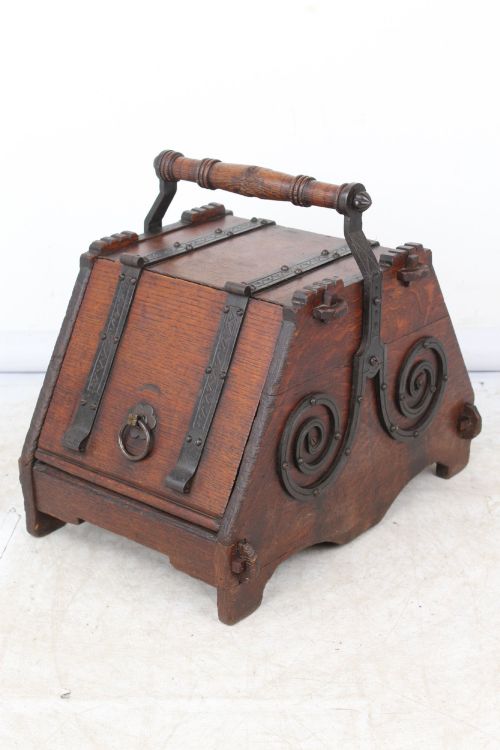
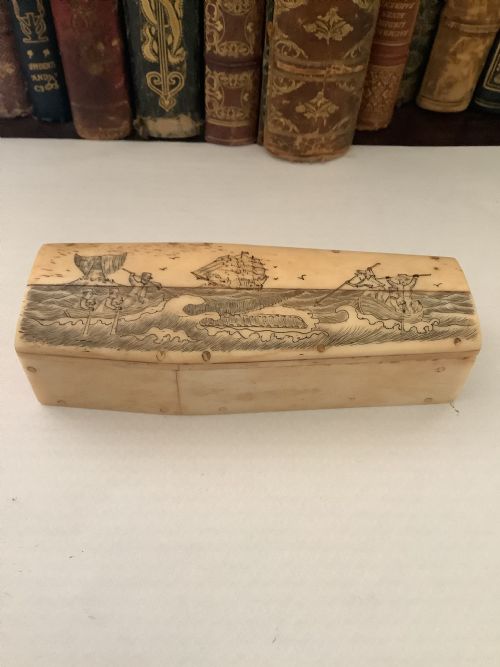
These items rely heavily on traditional timbers such as oak, mahogany, fruitwood, pine, and utilitarian deal, often shaped with hand tools and simple joinery. Artisans utilised local resources, incorporating horn, bone, shellwork, and carved slate into regional folk pieces.
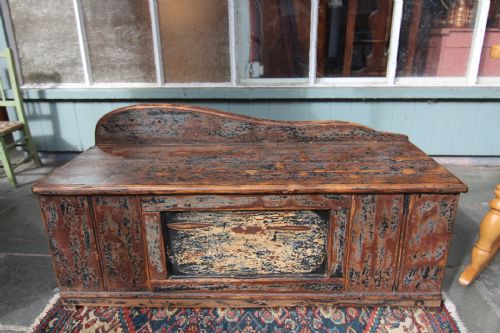
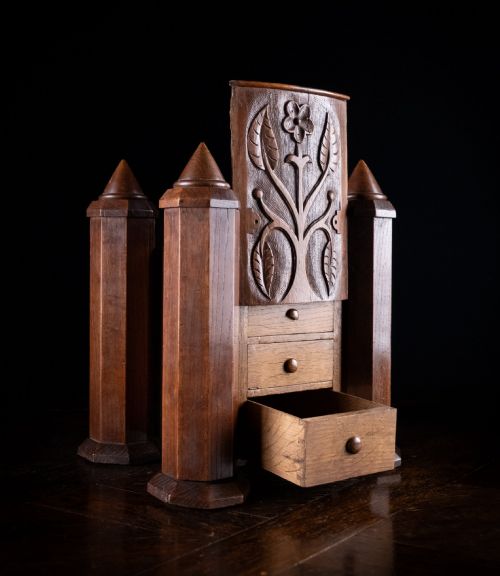
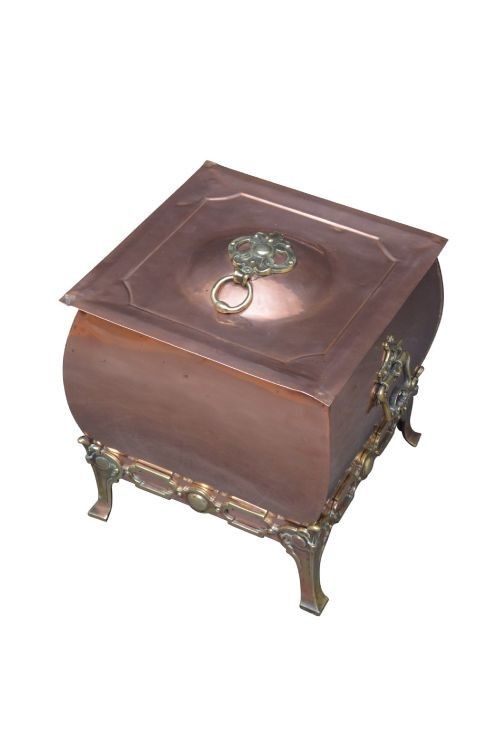
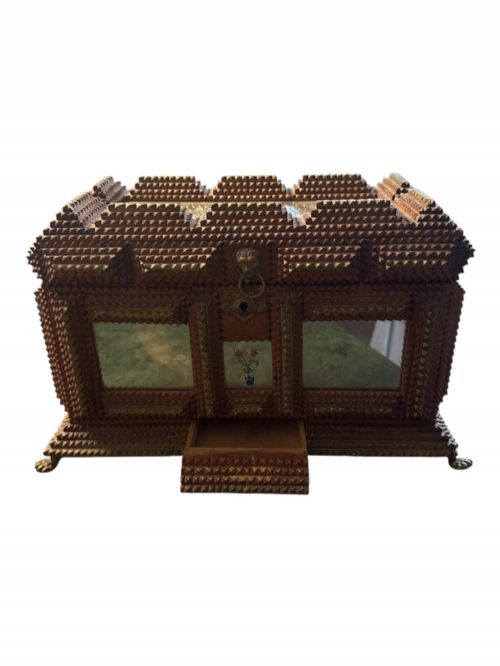
Surface decoration involves hand painting, polychrome finishes, chip carving, tramp art layering, and bone or metal inlay work. Metal elements such as brass and copper appear frequently on coal boxes, cased dioramas, and silver-mounted containers.
Victorian Art Box Retail Price Guide 2026
Typical asking prices for victorian art box among the pieces listed under this phrase on Sellingantiques today, from the lower quarter to the upper quarter. They describe what is for sale here now, not the wider market.
The selection includes regional folk art from Scotland, Ireland, and Wales alongside Arts and Crafts designs.
Judging quality in nineteenth-century boxes
Quality rests on the precision of the joinery, the depth and execution of hand carving, and the integrity of any inlay work. Pieces featuring complex mechanisms, such as puzzle boxes or clever slide lids, demand a higher level of carpentry skill.
The choice of materials and the survival of original painted or polished surfaces dictate the desirability of a piece. Finer examples display thoughtful proportion, careful attention to interior fittings like watercolour palettes, and authentic regional characteristics.
Reeves and Son·Christopher Dresser·William Hutton
The Victorian Art Box Glossary
- Tramp art
- A form of woodwork where practitioners chip-carv small pieces of wood, often from discarded cigar boxes, and layer them in geometric patterns. This technique appears on various late nineteenth-century trinket boxes.
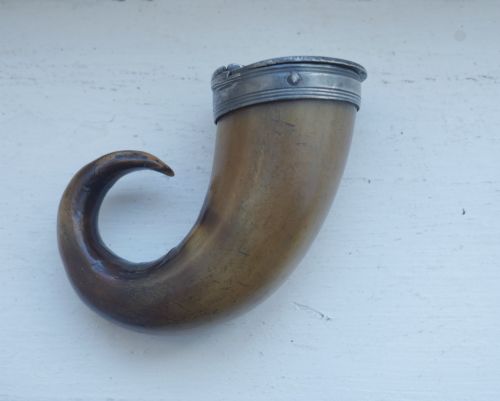
- Snuff mull
- A vessel used for holding ground tobacco, traditionally fashioned from animal horn in Scotland. These often feature hinged metal lids and mounts.
- Memento mori
- An artistic or symbolic reminder of the inevitability of death, occasionally found carved in bone or incorporated into nineteenth-century keepsakes. Such objects reflect Victorian mourning customs.
- Purdonium
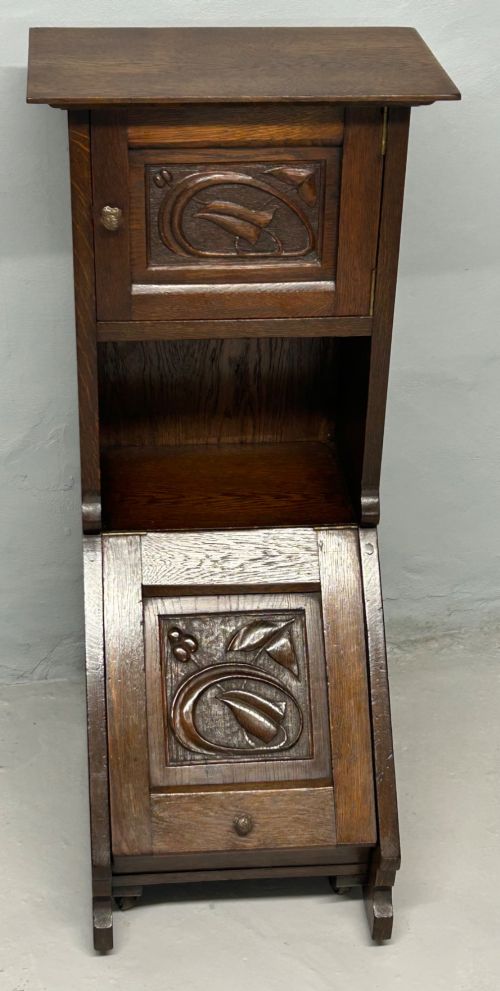
- A specialised household coal box or scuttle designed to sit in a parlour, frequently produced in oak or brass during the late nineteenth century. These items combined utility with prevailing aesthetic styles.
Victorian Art Box: Frequently Asked Questions
What were nineteenth-century art boxes used for?
These boxes primarily stored artists' materials, including ceramic palettes, brushes, and blocks of watercolour paint.
Many were custom-fitted by firms like Reeves and Son to keep delicate equipment organised for travel or studio work.
How do I identify folk art boxes?
Folk art boxes usually display hand-carved details, chip carving, or unconventional materials like shellwork and slate rather than factory production marks.
They often reflect regional traditions from Scotland, Wales, or Ireland, made by local craftspeople using available timber.
What is a puzzle box?
A puzzle box is a container with concealed sliding lids, secret compartments, or hidden latches designed to secure coins or small valuables.
Owners had to know the specific sequence of movements to open the box without forcing the wood.
How should I care for wooden boxes?
Keep wooden and painted containers away from direct sunlight and fluctuating humidity to prevent the timber from splitting or warping.
Apply a minimal amount of appropriate wax polish only when the wood appears dry, preserving the original surface patina.