





Victorian Architectural Salvage Window
These Victorian architectural salvage window pieces bring genuine period character to a room, offering authentic glass and timberwork for the discerning buyer.
Victorian Architectural Salvage Window
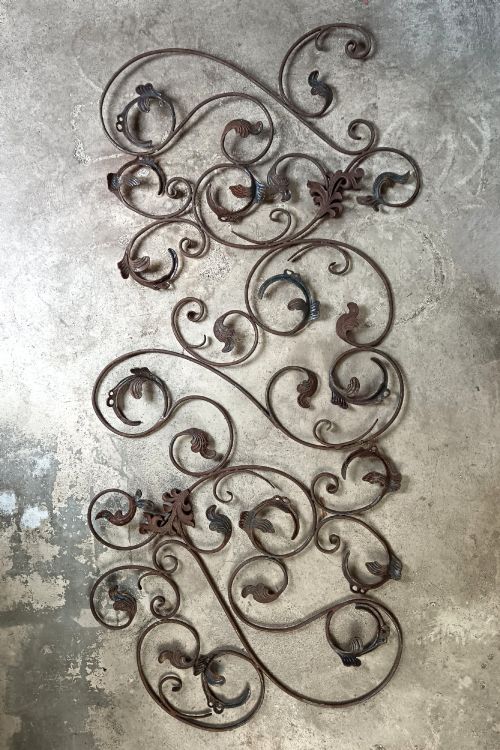
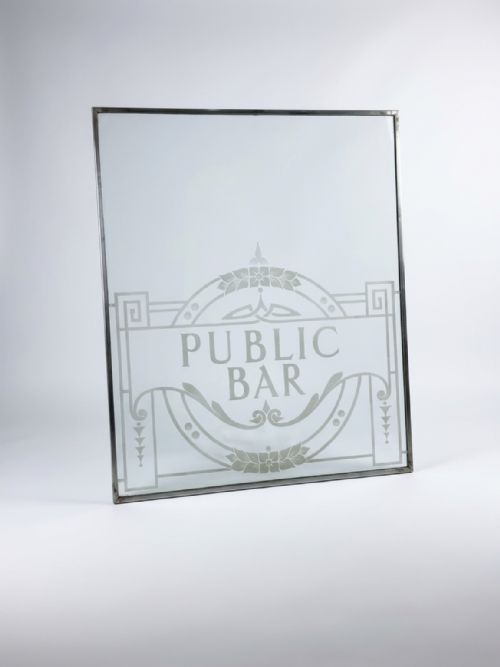
When you search for victorian architectural salvage window pieces, you encounter a diverse range of items including stained glass panels, church tracery, pub windows, and heavy iron scrolls. These survivors originate primarily from the Victorian and Edwardian eras, spanning the late nineteenth and early twentieth centuries.
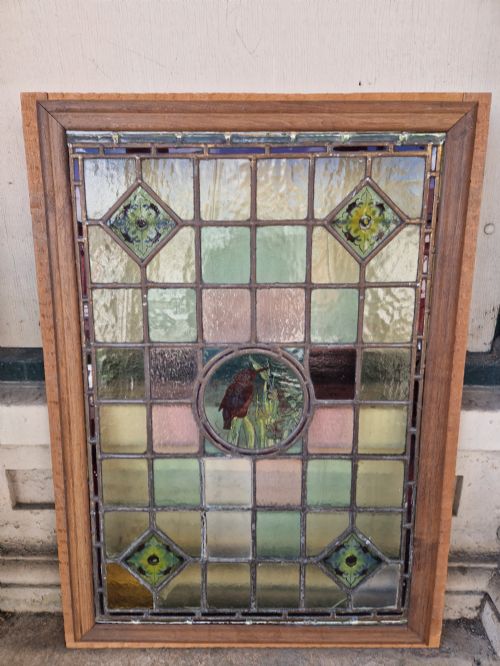
The most common forms on this page include leaded glass windows featuring hand-painted scenes, arch top church windows with square or diamond panes, and carved pine architectural fragments. They capture the decorative ambition of buildings from the 1880s through to 1910.
Buyers select these items to integrate historic texture into modern interiors, utilising authentic ecclesiastical panels, shop displays, and domestic window hardware. Each piece reflects the specific building traditions of its original period.
Materials and Construction Techniques
Glaziers and craftsmen utilised lead, timber, pine, and wrought iron to construct these architectural elements, combining structural metalwork with hand-painted glass. Leaded windows assemble individual pieces of glass within flexible lead cames, secured with solder at the joints.
Surface decoration relies on traditional glass painting and etching techniques, producing detailed countryside scenes, floral motifs, and heraldic designs. Carved wooden frames and church tracery demonstrate skilled hand woodworking in pine and heavier timbers.
Victorian Architectural Salvage Window Retail Price Guide 2026
Typical asking prices for victorian architectural salvage window among the pieces listed under this phrase on Sellingantiques today, from the lower quarter to the upper quarter. They describe what is for sale here now, not the wider market.
Listings feature items spanning from the 1880s through to the Edwardian period, incorporating pine, wrought iron, brass, and etched glass.
Assessing Quality and Execution
Quality in these pieces rests upon the artistic execution of the hand-painted glasswork and the complexity of the original design, whether depicting a detailed castle scene or botanical motifs. Finer examples display meticulous brushwork and sophisticated composition within the leaded matrix.
The architectural framing also dictates distinction, with deeply carved ecclesiastical pine tracery and robust cast iron scrollwork representing higher tiers of craftsmanship. The integrity of the original lead cames and the depth of the timber mouldings further separate standard utility pieces from exceptional decorative works.
Sir Edward Burne-Jones
The Victorian Architectural Salvage Window Glossary
- Came
- A slender grooved strip of lead used to hold together pieces of glass in a window. These strips form the geometric or organic grid of the design.
- Tracery
- The stonework or timber framing elements supporting glass in a window, often seen in Gothic Revival ecclesiastical pieces. It creates intricate decorative patterns within the arch top.
- Bullseye
- A small, circular centre piece of blown glass showing a concentric ripple pattern. They appear frequently in older glazing to let in light while distorting direct vision.
- Sash lift
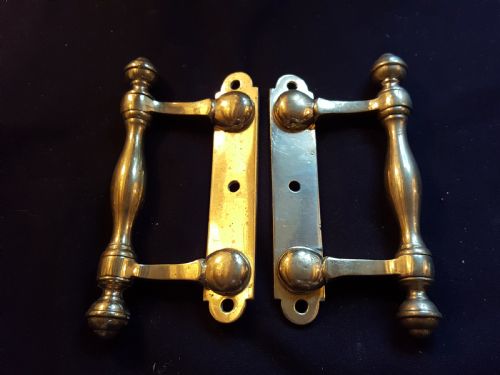
- A small metal handle attached to the lower sash of a window to aid in raising it. Brass examples from the period provide functional hardware detail.
Victorian Architectural Salvage Window: Frequently Asked Questions
How do I hang a heavy stained glass window?
Support the weight of the panel from its frame using appropriate fixings secured directly to wall studs or masonry rather than hanging it by the lead or chain alone.
Ensure the window is bracketed securely at the base to distribute the load evenly.
Can these windows be used outside?
Most salvaged leaded panels and antique timber frames suit interior display best because historic lead and delicate glass painting weather poorly when exposed to modern extremes.
Placement indoors protects the painted surfaces and fragile cames from further degradation.
What is the difference between Victorian and Edwardian glass?
Victorian panels frequently incorporate rich heraldic designs, deep ecclesiastical themes, and dense floral painting alongside traditional leaded geometry.
Edwardian pieces often lighten the palette, introducing picturesque countryside views and cleaner lines influenced by the Arts and Crafts movement.
How are church windows dated?
Stylistic indicators such as Gothic Revival tracery, arch top configurations, and the specific composition of the hand-painted scenes help establish the approximate decade.
Materials like carved pine and heavy lead cames offer additional clues regarding the manufacturing period.