



Victorian Architectural Salvage Glass
Victorian architectural salvage glass brings character to a home through period windows, lanterns, and panels shaped by century-old techniques.
Victorian Architectural Salvage Glass
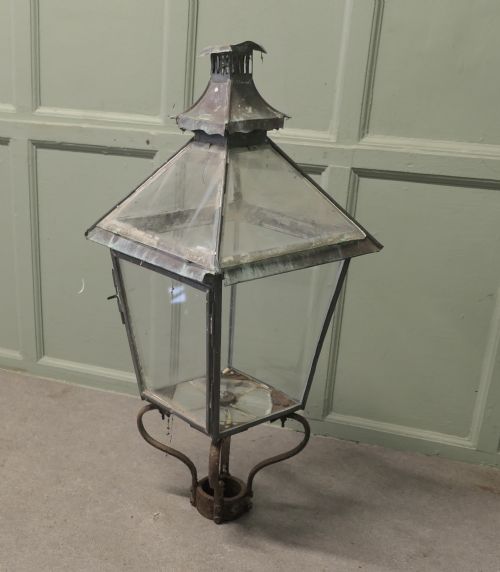
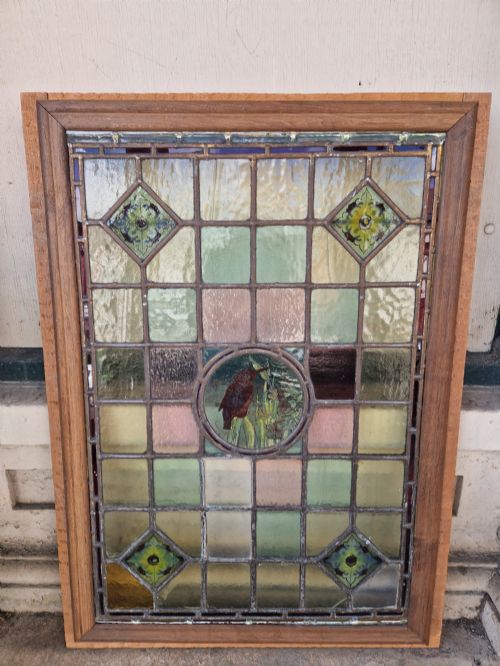
Victorian architectural salvage glass encompasses diverse elements recovered from period buildings, churches, and streets, offering a tangible link to nineteenth-century design. When exploring victorian architectural salvage glass, buyers encounter stained glass panels, leaded windows, copper lanterns, and etched glass doors.
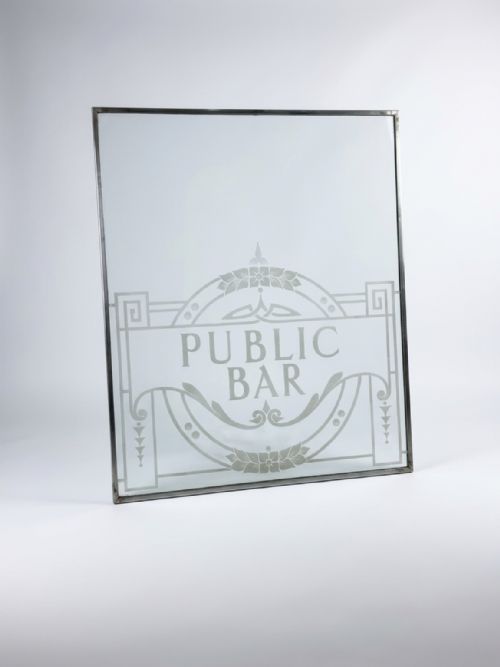
The selections span distinct periods and aesthetics, including Victorian, Edwardian, Gothic Revival, and Arts & Crafts pieces. Church windows with diamond or square panes appear alongside pub windows, street lanterns, and residential panels featuring hand-painted scenes.
Materials and Construction
Craftsmen utilised glass, lead, copper, and cast iron to build durable architectural fixtures that withstood outdoor elements and heavy interior use. Leaded glass windows relied on soldered lead cames to hold individual panes securely within rigid frameworks.
Surface decoration involved hand painting, etching, and cutting directly onto the glass surfaces. Copper lanterns combined sheet metal fabrication with protective glass panels to house illumination sources effectively.
Victorian Architectural Salvage Glass Retail Price Guide 2026
Typical asking prices for victorian architectural salvage glass among the pieces listed under this phrase on Sellingantiques today, from the lower quarter to the upper quarter. They describe what is for sale here now, not the wider market.
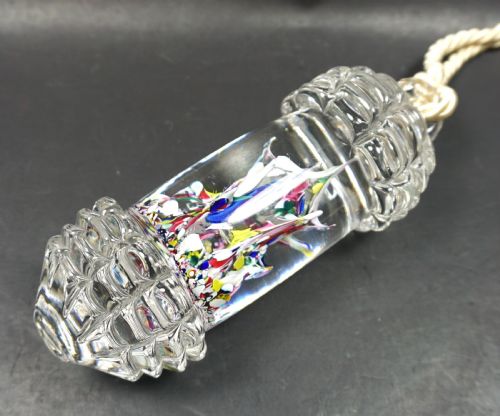
A solitary glass bell pull from Belgium invites visitors to ring changes with nineteenth-century style.
Assessing Quality and Execution
Quality in these pieces depends upon the complexity of the hand-painted details and the integrity of the surrounding lead or copper framework. Finer examples display meticulous artistic execution in painted scenes, such as landscapes, flora, or figurative designs.
The structural composition of the salvaged item dictates its resilience and historical intactness. Superior pieces retain original glass panes and robust metal structures without compromising the integrity of the design.
The Victorian Architectural Salvage Glass Glossary
- Architectural salvage
- Building components removed from older structures for reuse in new contexts. These items preserve historical craftsmanship and materials.
- Stained glass panel
- A decorative assembly of coloured or painted glass pieces joined by lead cames. They were commonly installed in domestic and ecclesiastical settings.
- Leaded glass window
- Glazing held together by a network of flexible lead strips soldered at the joints. This technique allows for intricate geometric or pictorial designs.
- Ceiling rose
- An ornamental circular moulding fixed to the ceiling around a light fitting. Glass variants provide an unusual decorative focal point.
Victorian Architectural Salvage Glass: Frequently Asked Questions
How do I install an antique stained glass window?
These panels can be hung inside existing window frames using sturdy brackets or built directly into interior partition walls. Securing the weight properly protects the historic lead cames from distortion.
Ensure adequate support surrounds the perimeter so the glass bears no undue stress from structural shifting.
Can exterior copper lanterns be wired for modern use?
Many salvaged lanterns accommodate modern electrical components with minor adjustments by a qualified electrician. The robust copper and iron housings typically provide a durable shell for contemporary lighting.
Check the internal dimensions to confirm compatibility with standard bulb fittings before undertaking conversion.
How do I identify a Gothic Revival church window?
Gothic Revival pieces often feature distinctive arched tops, pointed structural elements, and geometric patterns reminiscent of medieval architecture. They frequently incorporate heavy stone or timber surrounds originally designed for ecclesiastical buildings.
The scale and proportion usually reflect the grand entryways or tall chapel walls of nineteenth-century churches.
What maintenance does salvaged leaded glass require?
Periodic gentle cleaning with soft cloths and mild solutions preserves the painted surfaces and glass clarity. Avoid harsh chemicals that might degrade aged lead or fragile paint.
Inspect the lead cames occasionally for stability to ensure the individual glass segments remain firmly seated.