


Victorian Apprentice Sample
These victorian apprentice sample pieces are scale models and miniature furniture crafted to demonstrate mastery.
Victorian Apprentice Sample
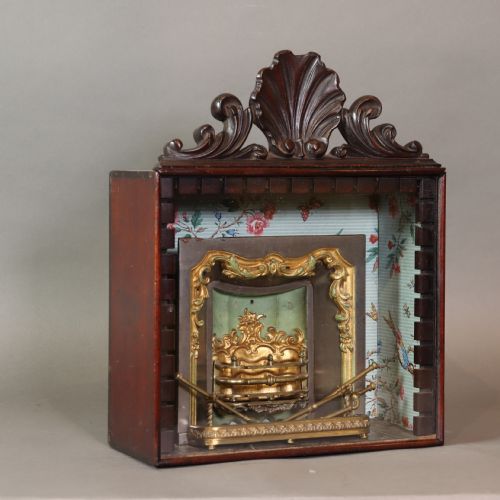
When you examine a victorian apprentice sample, you encounter miniature furniture and scale models produced during the nineteenth century. These objects include miniature chests of drawers, tables, cabinets, and items such as a single farrow plough or a miniature fireplace.
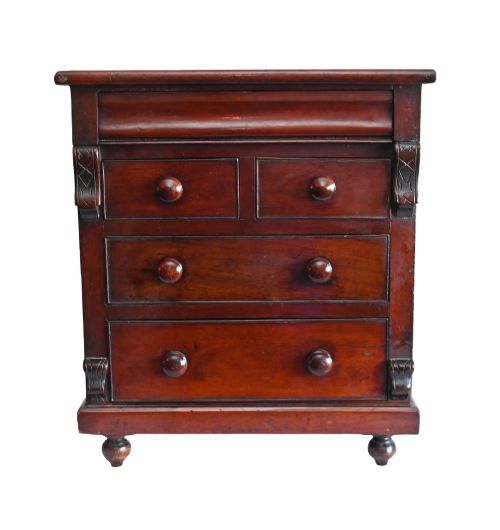
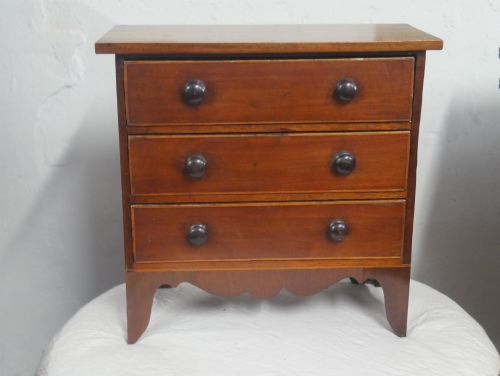
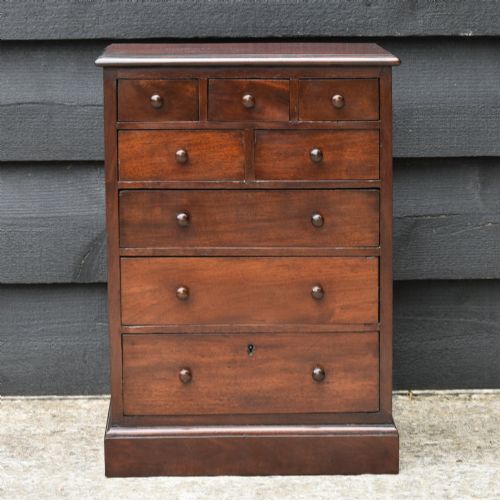
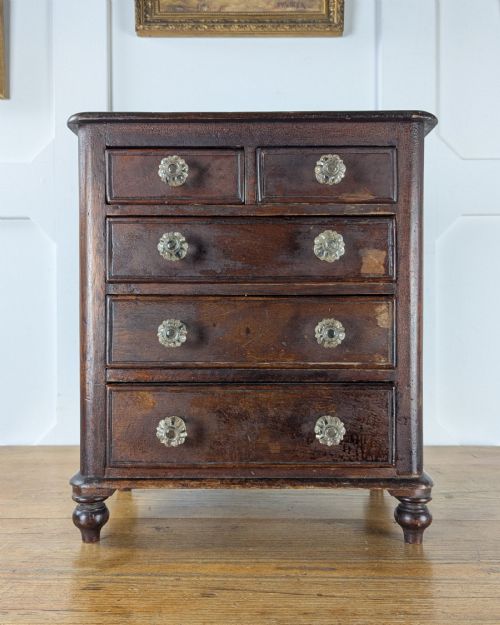
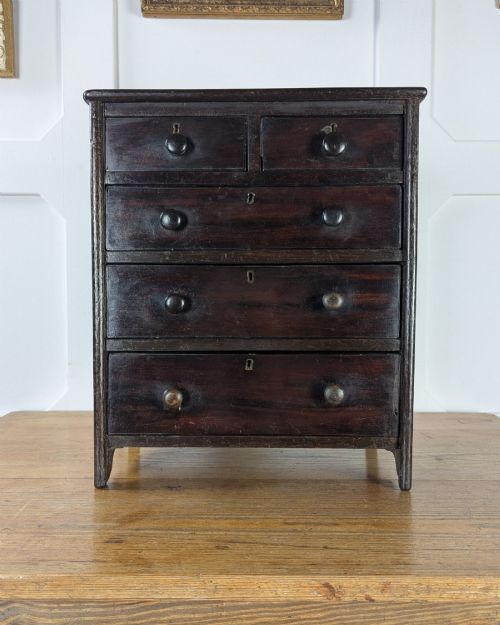
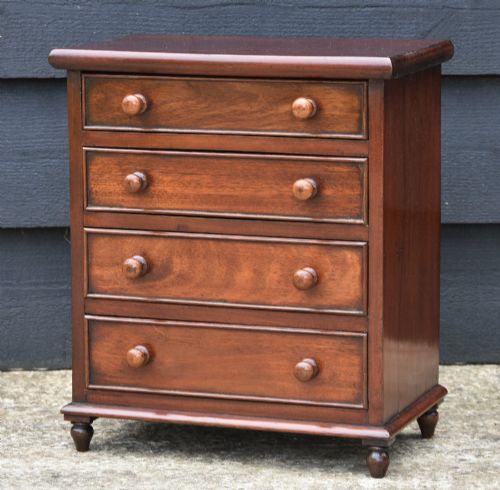
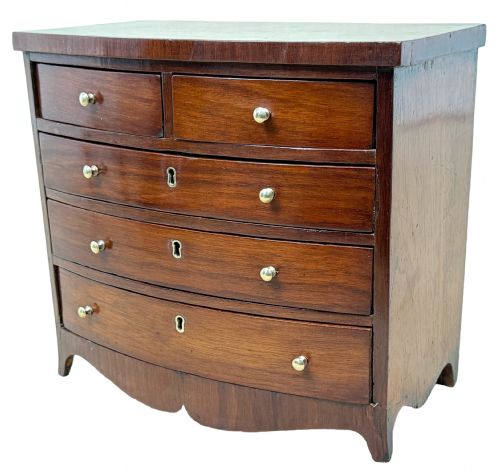
The version you are most likely to meet on this page is a miniature chest of drawers in mahogany, often featuring turned feet or a bow front. Other forms appearing in the records range from bureau bookcases and dressers to chairs and chaise longues.
Originating across the nineteenth century, these pieces encompass styles described as Victorian Folk Art, Agricultural Vernacular, and Anglo-Indian. They serve as tangible records of historical woodworking and scaling techniques.
Materials and construction
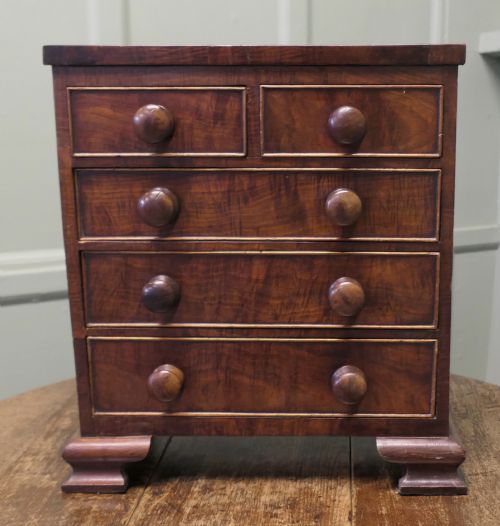
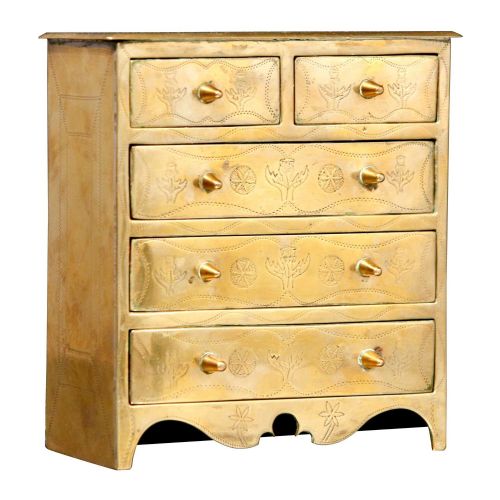
The pieces on this page are constructed primarily from timber, with mahogany appearing frequently alongside oak, pine, pitch pine, burr walnut, and ebonised wood. Secondary materials such as brass, iron, glass, and leather are utilised for hardware, fire places, and shoes.
Makers shaped these materials using traditional joinery, turning, carving, and French polishing. Examples include brass engraved details and ebonised mouldings applied to miniature cabinet work.
Among the miniature chests and tables sits a single leather shoe, reminding us that apprentices practiced on footwear as well as furniture.
Judging quality and proportion
Quality in these miniatures rests upon the fidelity of the scale reduction and the precision of the joinery. Finer examples maintain accurate proportions and display careful timber selection, such as figured mahogany or burr walnut.
The Victorian Apprentice Sample Glossary
- Apprentice piece
- A small-scale item made by a trainee to demonstrate skill to a guild or master. These objects mirror full-sized furniture in construction and detail.
- French polished
- A wood finishing technique that applies shellac in many thin coats using a rubbing pad. This process produces a high gloss surface with a deep colour.
- Bowfront
- A furniture front that curves outward in a convex shape. This form appears frequently on nineteenth-century miniature chests.
- Vernacular
- Objects made by local craftsmen using regional traditions and readily available materials. This style often lacks high academic design but displays direct utility and folk character.
- Secret drawer
- A hidden compartment built into a piece of furniture, often concealed behind a removable panel or decorative moulding. They appear in miniature chests from the nineteenth century.
Victorian Apprentice Sample: Frequently Asked Questions
What is a victorian apprentice sample?
A victorian apprentice sample is a scale model or miniature piece of furniture made during the nineteenth century. Trainees created these items to prove their technical proficiency to masters.
They replicate full-sized domestic furnishings, including chests of drawers, tables, and seating, using materials like mahogany, oak, and brass.
How were these miniature pieces used?
These items served as practical tests of skill for young craftsmen learning a trade. They recorded mastery over joinery, turning, and finishing techniques.
Salesmen also utilised portable scale models to demonstrate designs to prospective clients before ordering full-sized furniture.
What woods were used for miniature furniture?
Makers constructed these miniatures from the standard timber stocks of the nineteenth century. Mahogany is the most common material seen across these listings.
Other examples employ oak, pine, pitch pine, burr walnut, and ebonised wood, sometimes combined with brass or iron details.