
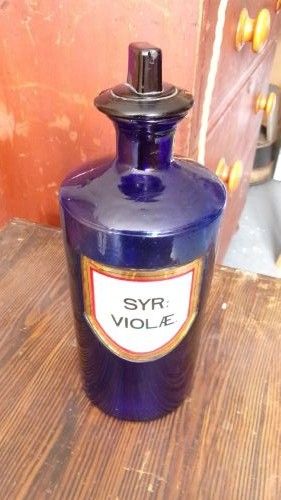


Victorian Apothecary Glass Jars
Victorian apothecary glass jars are utilitarian pharmacy vessels prized by collectors for their rich coloured glass, hand blown forms and original labels.
Victorian Apothecary Glass Jars
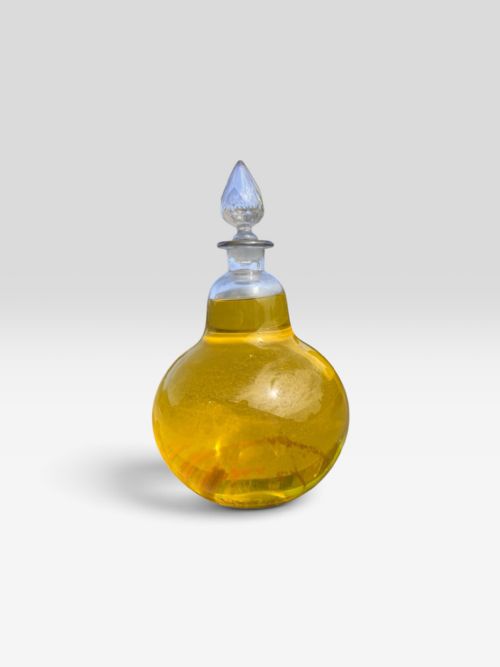
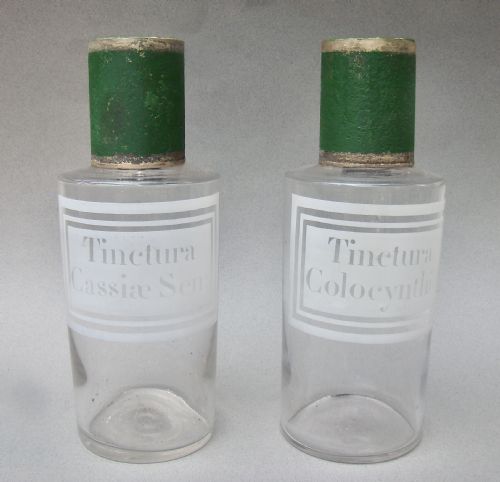
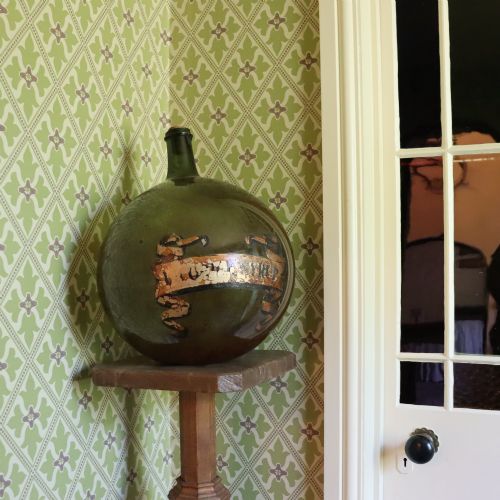
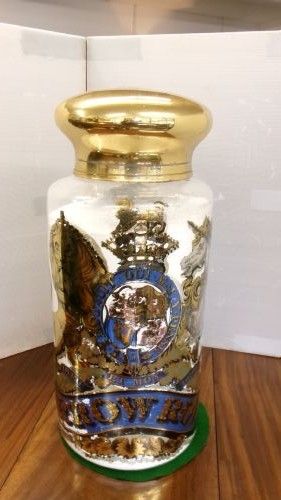
Victorian apothecary glass jars span the nineteenth century and into nineteen hundred, taking forms such as pharmacy carboys, chemist bottles, display jars with covers, and storage urns. The pieces you encounter most often on this page are nineteenth century apothecary bottles and display jars, alongside larger carboys and pairs of lidded vessels.
Makers produced these containers in sets and pairs for nineteenth century chemists and pharmacies, utilising labels for specific drugs like arrowroot or gelatine. Surviving examples range from small individual pharmacy bottles to large display carboys designed for shop windows.
Originating in domestic and continental workshops, these items include French nineteenth century pieces alongside British Victorian examples. Collectors find them used individually as decorative glassware or converted into table lamps.
Materials and methods
Glass forms the primary material, shaped through hand blowing and cut glass techniques. Makers also utilised lead crystal for heavier lidded jars and vases, producing clear, Bristol blue, and green glass variants.
Surface decoration involves gold leaf, enamel, paint, and etching. Paper labels with painted text identify contents, whilst brass elements appear on associated fittings.
Chemists once lined shop windows with glowing carboys of coloured water to signal their trade to passing townsfolk in the dark.
Assessing quality
Quality rests upon the clarity and colour depth of the glass, particularly in Bristol blue and green vessels. Hand blown examples show individual character through bubbles and irregularities in the metal.
The presence of original lids, stoppers - such as lollipop stoppers - and paper labels elevates an example. Etched decoration and cut glass facet work distinguish finer display pieces from plain utility bottles.
The Victorian Apothecary Glass Jars Glossary
- Carboy
- A large glass vessel with a narrow neck, utilised in pharmacies for holding bulk liquids or chemicals. These large display jars often sat in shop windows.
- Lollipop stopper
- A glass stopper featuring a flat, circular top resembling a lollipop, commonly found on chemist bottles and jars. It creates a tight seal for the contents.
- Bristol blue
- A deep cobalt blue glass produced in Bristol during the eighteenth and nineteenth centuries. Apothecary bottles in this colour held specific medicinal preparations.
- Mary Gregory
- A style of glass decoration featuring white enamel figures, often children in landscapes, painted on coloured glass. Pieces from this tradition appear occasionally among apothecary wares.
- Cut glass
- Glass decorated by cutting facets or patterns into the surface using a wheel. This technique adds weight and brilliance to lidded jars and vases.
Victorian Apothecary Glass Jars: Frequently Asked Questions
What did apothecary jars hold?
These vessels stored dried herbs, chemicals, ointments, and liquid medicines for dispensing in nineteenth century pharmacies. Many retain paper labels naming specific substances like arrowroot or gelatine.
Larger carboys held distilled water or bulk pharmaceuticals in the shop interior or window display.
How do I date these jars?
Dating relies on manufacturing traits, pontil marks on the base, and stylistic cues associated with the nineteenth century and nineteen hundred. Hand blown pieces with irregular bubbles often indicate earlier production.
Label styles, stopper types, and glass colours such as Bristol blue or deep green also help narrow the period of creation.
Are original stoppers important?
Original stoppers and matching lids significantly influence the completeness and character of an apothecary jar. Finding a piece with its correct lollipop stopper or fitted cover remains a priority for collectors.
Replacements do occur due to the fragile nature of glass, so matching stoppers add to the integrity of the vessel.
How can I display them at home?
Apothecary jars suit placement on open shelving, windowsills where light catches the coloured glass, or styled in cabinet groups. Sets of pharmacy bottles look effective arranged together by size or hue.
Some larger carboys and jars function as standalone decorative objects or table lamps in domestic interiors.