




Victorian Animal Etching
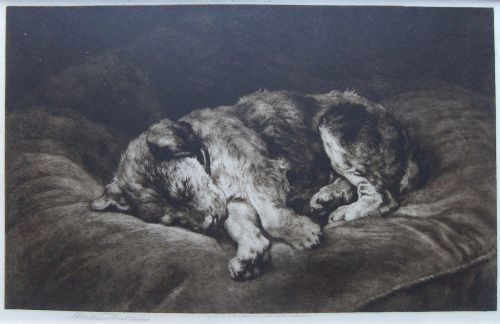
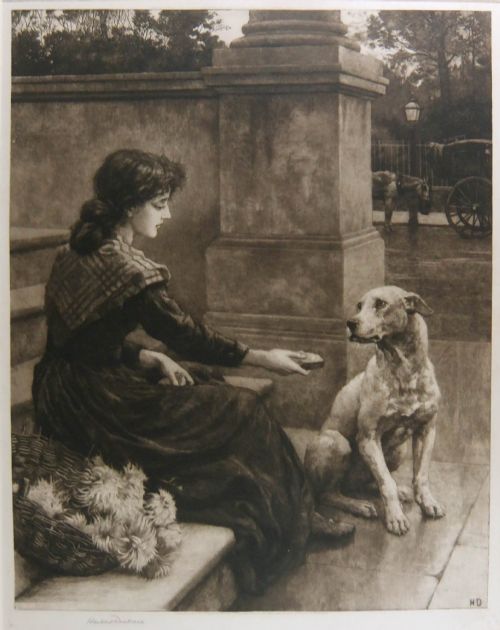
These Victorian animal etching works capture domestic dogs and fierce big cats in fine ink on paper and vellum.
Victorian Animal Etching
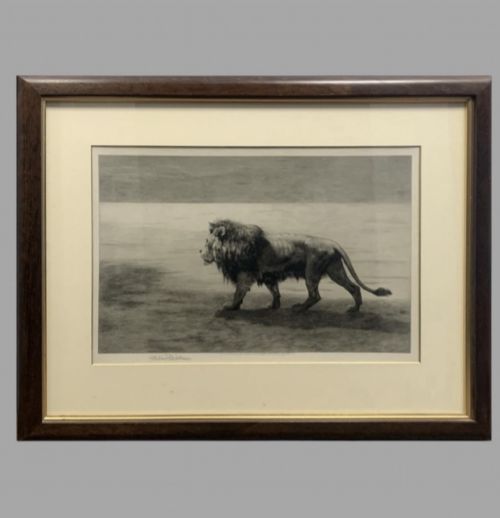
When you search for Victorian animal etching, you encounter a specialised selection of prints and engravings focusing primarily on dogs and large felines. The pieces range from intimate domestic animal studies to dramatic depictions of lions and leopards.
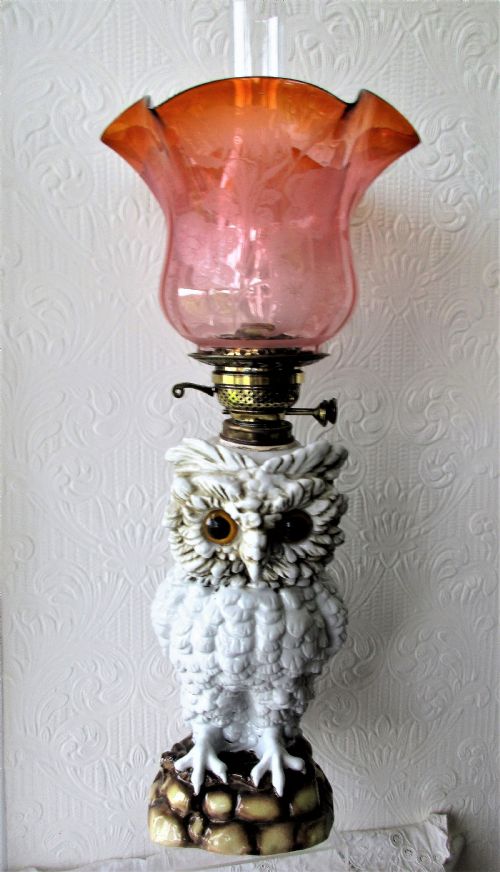
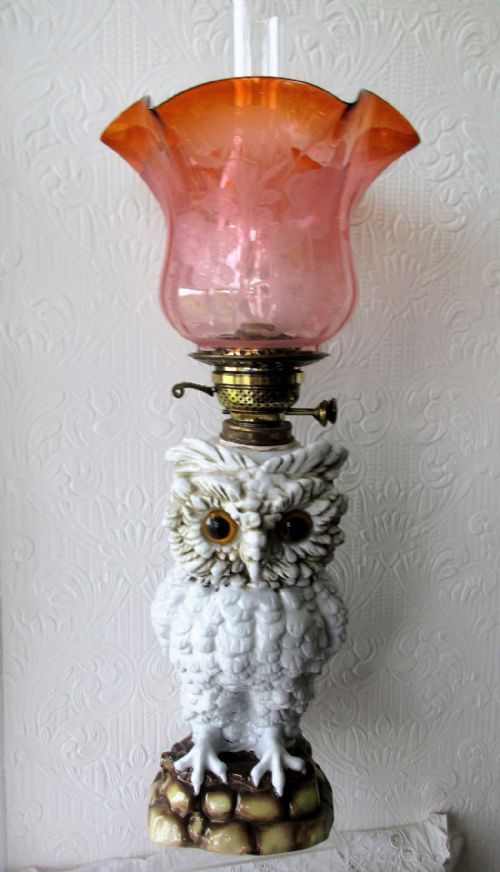
The items found here include original drypoint etchings and signed artist proofs on vellum and paper, alongside related decorative pieces like porcelain oil lamps and centrepiece bowls with animal themes. Herbert Dicksee emerges as the principal artist represented through works produced around the turn of the nineteenth and twentieth centuries.
Buyers will most frequently meet British canine subjects such as bulldogs alongside majestic big cats rendered in detailed monochrome ink. These works reflect the period's intense fascination with wildlife study and domestic pet portraiture.
How these pieces were made
Makers produced these works using traditional ink printing techniques on paper and vellum surfaces, often utilising drypoint methods to score fine lines directly into the metal plate. This technique creates the velvety burr characteristic of authentic period impressions.
Framed examples utilise glass to protect the delicate paper works, mounted within wooden or gilt wood frames that complement the monochromatic tones of the ink. Related decorative objects combine moulded porcelain or Bohemian glass with painted animal motifs.
Victorian Animal Etching Retail Price Guide 2026
Typical asking prices for victorian animal etching among the pieces listed under this phrase on Sellingantiques today, from the lower quarter to the upper quarter. They describe what is for sale here now, not the wider market.
Several grumpy British bulldogs stare out from these antique frames, guarding the room with permanent Victorian determination.
What varies in quality
The distinction between standard prints and superior examples rests upon the presence of artist signatures, proof designations, and the clarity of the inked impression on the vellum or paper surface. Signed artist proofs demonstrate greater direct involvement from the creator.
The condition of the supporting frame, whether gilt wood or plain wood, and the preservation of the underlying glass protect the delicate ink work from degradation over time. Consistency in the preservation of fine animal details marks the finer items.
Herbert Dicksee·Sitzendorf
The Victorian Animal Etching Glossary
- Etching
- A printmaking process where acid bites lines into a metal plate to hold ink. Artists then press these plates onto paper to produce the final image.
- Drypoint
- A printmaking method where the artist scratches the image directly into the metal plate using a sharp needle. This creates a raised ridge of metal called a burr that holds extra ink during printing.
- Vellum
- A fine parchment material prepared from calfskin. It provides a smooth, durable surface that absorbs ink differently than standard paper.
- Artist Proof
- An impression of a print taken before the final edition is produced, retained by the artist for personal review. These often carry higher value due to their early pull from the plate.
Victorian Animal Etching: Frequently Asked Questions
What is a drypoint etching?
A drypoint etching is a print created by scratching an image directly into a metal plate with a sharp needle. The process leaves a distinct burr of metal that catches ink to produce soft, rich lines.
This technique differs from traditional acid-etched prints by offering a more immediate, velvety texture on the paper or vellum.
Who was Herbert Dicksee?
Herbert Dicksee was a notable British artist renowned for his detailed etchings of lions, tigers, and domestic dogs. His works often capture the expressive qualities and textures of animal coats.
Signed proofs and original editions by this artist form a prominent part of nineteenth and early twentieth century print collections.
How do I identify a Victorian print?
Identifying a Victorian print involves examining the paper quality, the printing technique, and any signature or publishing marks present on the sheet. Period pieces often utilise heavy rag paper or vellum with distinct plate marks.
Comparing the style of the animal depiction and framing details helps confirm the late nineteenth or early twentieth century origin.