


![Pen and Ink Sketch - Female Nudes by William Edward Frost [1810-1877]](https://www.sellingantiques.co.uk/photosnew/dealer_kendallhouse/dealer_kendallhouse_full_1758970795762-8493507346.jpg)


Victorian Academic Art Study
Victorian academic art study pieces are rigorous works from the nineteenth century that capture the meticulous draftsmanship and classical training of the period.
Victorian Academic Art Study
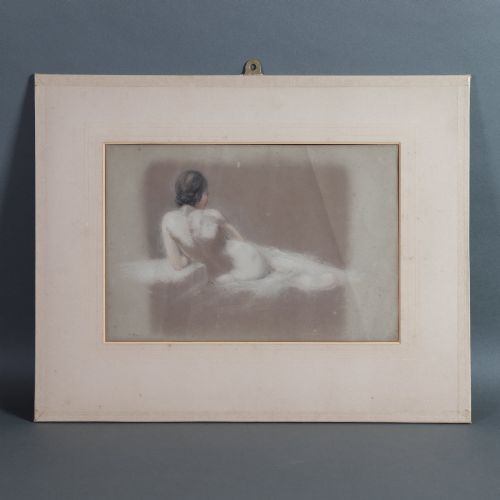
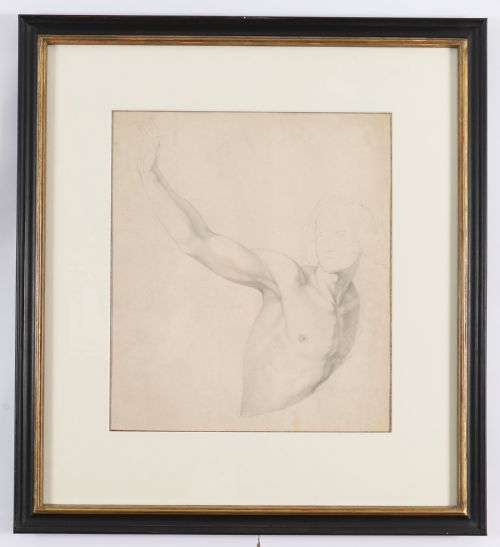
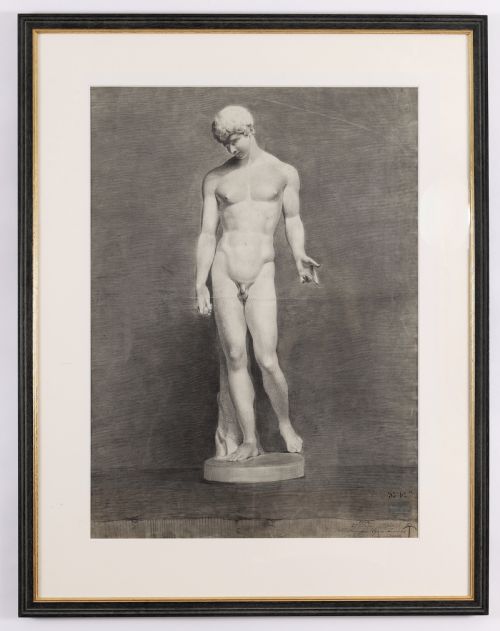
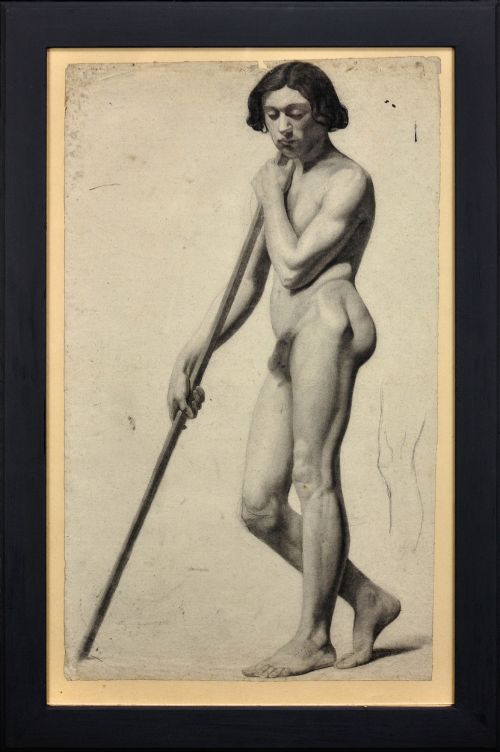
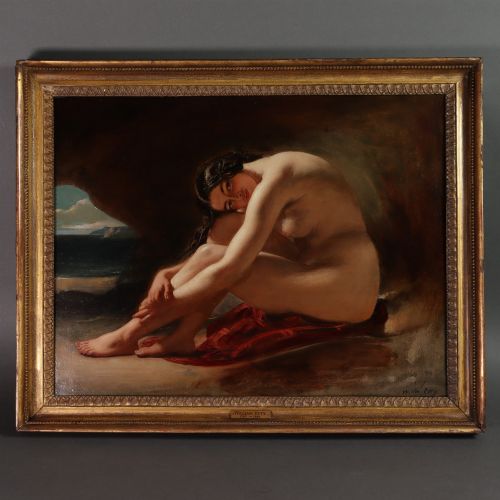
A Victorian academic art study represents the foundational training of nineteenth-century artists through rigorous exercises in drawing, painting, and sculpture. These pieces focus heavily on the human form, portraits, and classical sculpture reproductions.
Buyers encountering this category will find a mixture of original drawings, paintings, plaster casts, and bronze figures spanning the nineteenth century. The selection leans strongly towards detailed figure studies and portraits executed within academic institutions.
Distinctions in execution and depth
Quality rests upon the sureness of the line, the accuracy of anatomical proportions, and the mastery of tonal gradations. Stronger works demonstrate a confident handling of shadow and light that reveals the artist's rigorous training.
The sophistication of the composition and the preservation of the delicate media further separate pieces. Works that maintain crisp detail in graphite or charcoal without smudging reflect superior execution.
Listings feature works from the nineteenth century utilising graphite, charcoal, chalk, watercolour, oil, and bronze.
William Etty·Henry Arthur Roberts·William Edward Frost·John Macallan Swan·Theobald Chartran·George Richmond
The Victorian Academic Art Study Glossary
- Academic Realism
- A style of painting and drawing produced under the influence of European academies of art. It combines realistic depiction with classical subject matter and strict technical standards.
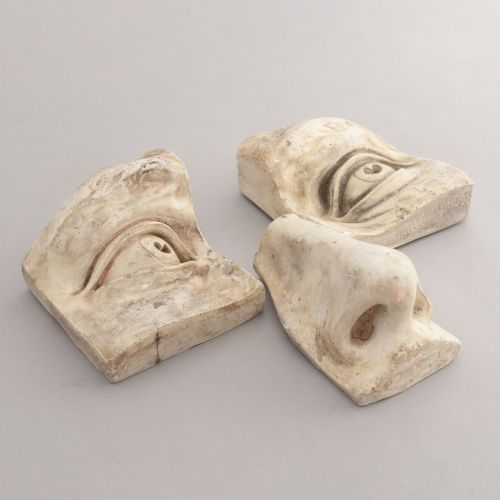
- Plaster Cast
- A sculpture made by pouring plaster into a mould, commonly used in nineteenth-century art schools for students to draw from antique statues.
- Grisaille
- A painting executed entirely in shades of grey or neutral greyish-brown. It is often used for decorative purposes or as a monochromatic study.
- Life Study
- An artwork created by observing a live model directly. These studies formed the core curriculum of nineteenth-century art education.
Victorian Academic Art Study: Frequently Asked Questions
What is a Victorian academic art study?
It is an artwork or sculptural exercise produced during the nineteenth century within an institutional training framework. These pieces emphasise anatomical accuracy and classical techniques.
They record the rigorous methods artists used to master the human figure and portraiture before working on major finished paintings.
How were these studies used?
Students and established artists produced them to hone their technical skills in drawing from life or classical sculpture. They served as preparatory exercises or teaching aids in art schools.
Many pieces reflect the curriculum of European and British institutions focused on Neoclassical and Academic Realism traditions.
How do I care for paper drawings?
Keep works on paper away from direct sunlight to prevent fading of graphite, charcoal, and watercolour media. Maintain stable indoor humidity to protect the paper substrate.
Framing with UV-resistant glass helps preserve fragile chalk and pastel drawings from atmospheric degradation.
How are periods identified?
Dating relies on stylistic markers, artist signatures, inscriptions, and period framing techniques. Nineteenth-century academic pieces often display specific technical conventions aligned with Victorian educational practices.
Paper watermarks and biographical dates of the recorded artists further narrow the window of creation.