

Victorian 9ct Gold Bracelet
A victorian 9ct gold bracelet offers enduring craftsmanship, tactile weight, and sentimental charm, spanning flexible curb links, rigid bangles, and ornate gate designs.
Victorian 9ct Gold Bracelet
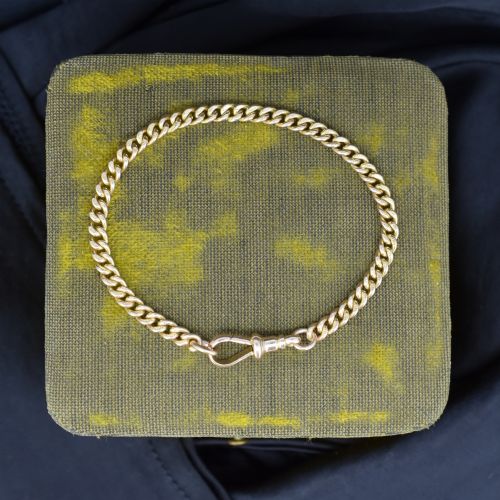
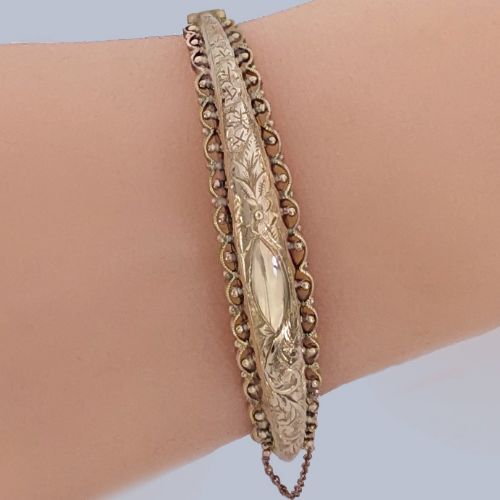
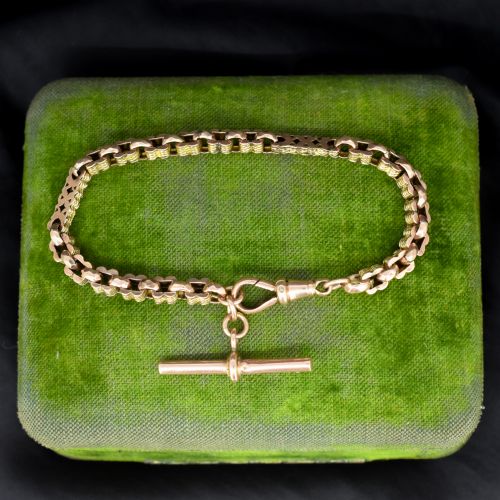
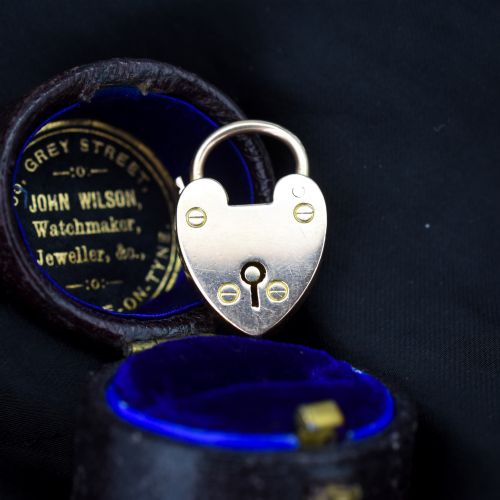
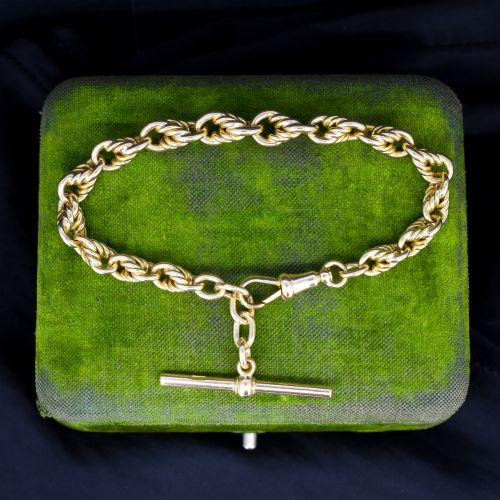
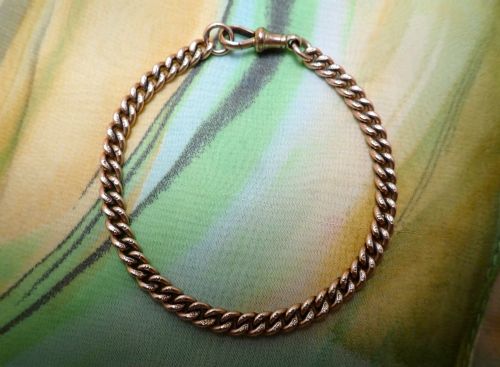
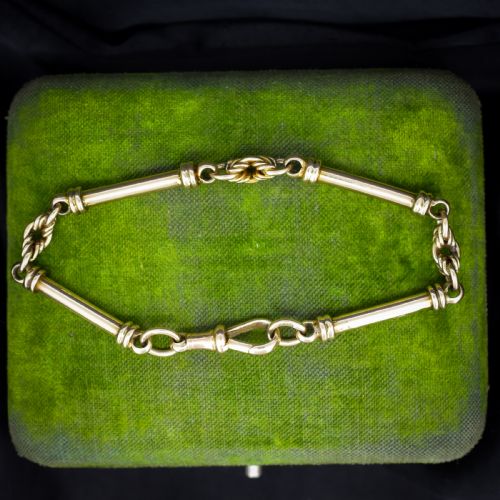
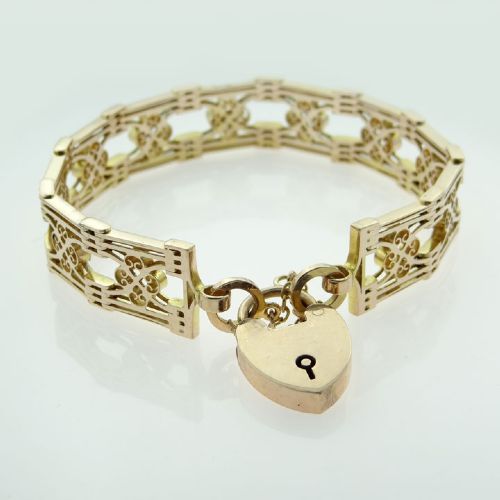
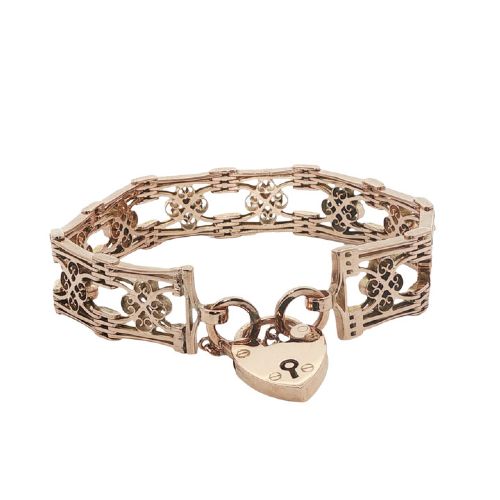
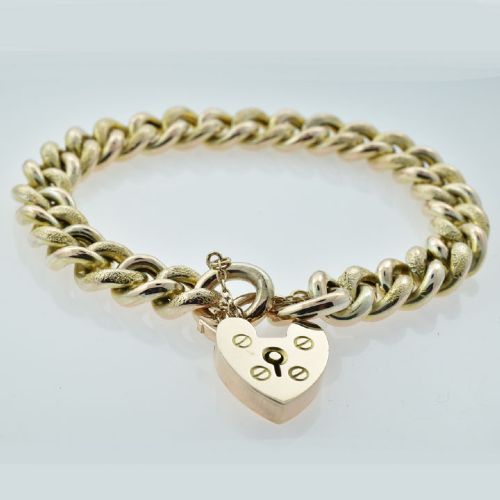
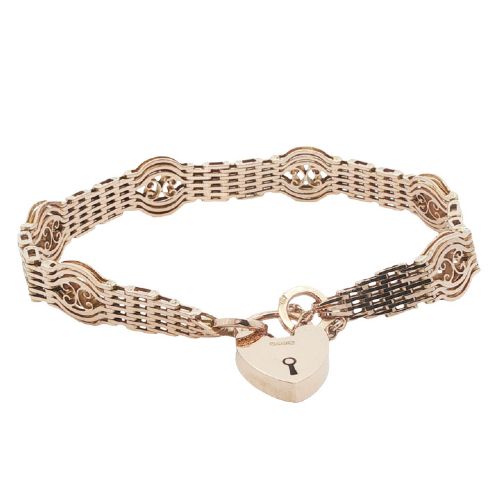
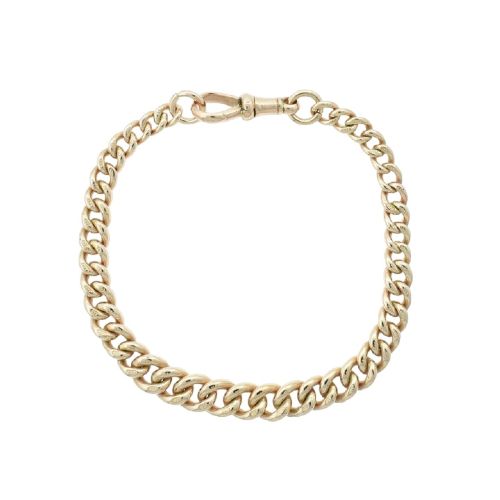
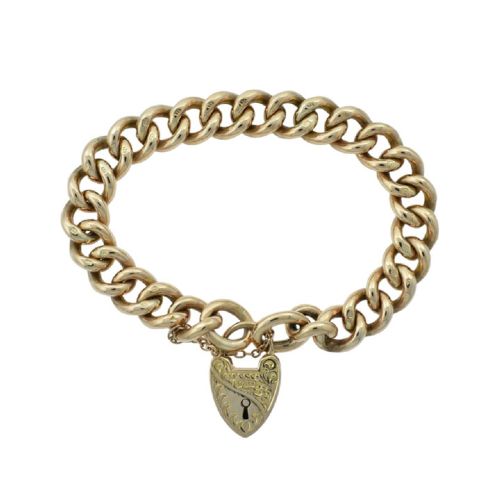
A victorian 9ct gold bracelet encompasses a diverse range of historic forms, including robust curb chains secured with heart padlocks, multi-bar gate links, hinged bangles, and watch chain adaptations featuring T-bars. These pieces originate predominantly from the Victorian and Edwardian eras, with occasional examples extending into the early twentieth century.
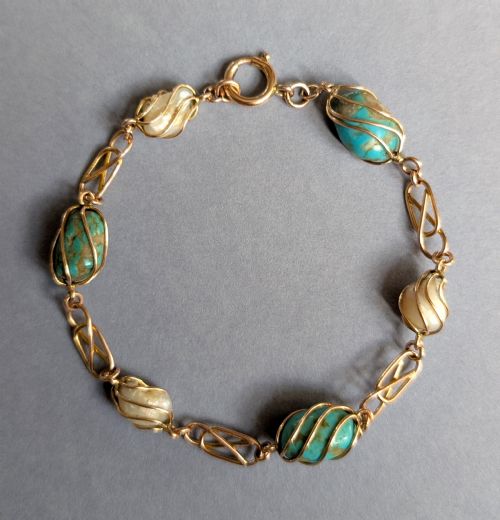
The buyer meets various configurations on this page, from half-engraved rose gold curb links adorned with seed pearls and turquoise to solid yellow gold snake serpent wrap-around bangles and gemstone panel bracelets set with amethyst, citrine, or garnet.
Materials and Technique
Goldsmiths utilised 9ct gold in both rose and yellow hues, shaping the metal into hollow or solid tubular bars, woven mesh, and interlocking curb links. Structural components often involved hand engraving, rope twist wirework, and secure closures such as dog clips, bolt rings, and sprung heart padlocks.
Gemstones including turquoise, seed pearls, diamonds, amethysts, and rubies were integrated into settings using cluster, bezel, and double-heart motifs. Many items incorporated safety chains and hinged mechanisms to ensure durability during daily wear.
Victorian 9ct Gold Bracelet Retail Price Guide 2026
Typical asking prices for victorian 9ct gold bracelet among the pieces listed under this phrase on Sellingantiques today, from the lower quarter to the upper quarter. They describe what is for sale here now, not the wider market.
Current listings feature items fabricated in 9ct rose gold and 9ct yellow gold, incorporating gemstones such as turquoise, seed pearls, amethyst, and garnet across the Victorian and Edwardian periods.
Assessing Craftsmanship
Quality rests upon structural integrity, starting with the thickness and weight of the gold links, where heavier examples maintain rigidity and resist denting. The crispness of hand engraving on curb links and the precision of the joinery on gate links distinguish finer workshop output.
Gemstone selection and setting security further separate standard production from superior pieces, particularly in elaborate cluster and double-heart designs where matching natural pearls or turquoise cabochons required careful selection.
The Victorian 9ct Gold Bracelet Glossary
- Gate Link
- A style featuring multiple parallel metal bars connected by vertical links, mimicking traditional pasture gates. This design provides structural flexibility and was popular during the late nineteenth century.
- Heart Padlock
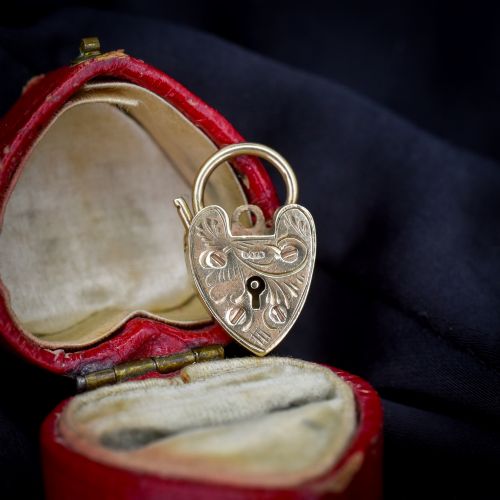
- A clasp shaped like a small padlock, frequently engraved with foliate motifs and utilised to secure curb chain bracelets. These padlocks often functioned as functional fastenings and sentimental tokens.
- Dog Clip
- A secure snap hook fastening equipped with a spring-loaded gate, commonly found on watch chain bracelets. It allows the wearer to attach charms, fobs, or pendants safely.
- T-Bar
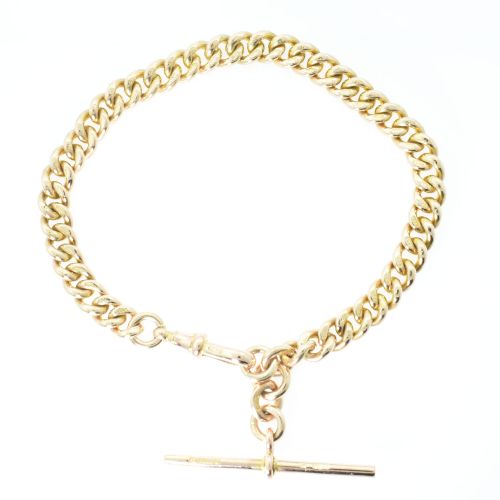
- A short horizontal metal bar suspended from a central chain drop, originally designed to secure pocket watches through a waistcoat buttonhole. In bracelet form, it remains as a decorative toggle.
- Seed Pearl
- Tiny, naturally occurring pearls measuring under two millimetres in diameter, often pierced and threaded onto silk or wire to form floral clusters and crescent motifs.
Victorian 9ct Gold Bracelet: Frequently Asked Questions
How do I wear a antique padlock bracelet?
Secure the heart padlock by pressing its spring mechanism to open the bail onto the designated jump ring of the curb chain. Ensure any attached safety chain is fastened alongside the main clasp for added security during daily wear.
Store the bracelet flat in a dedicated jewellery box when not in use to prevent the heavy links from kinking or scratching softer gold surfaces.
What is an albert bracelet?
An albert bracelet is adapted from nineteenth-century pocket watch chains, retaining characteristic elements such as graduated curb links and a dangling T-bar. These pieces were originally worn by men and women alike as symbols of status and utility.
Today, they are worn directly around the wrist, offering a substantial weight and a distinct historic profile compared to standard dress bracelets.
How do I care for turquoise set in gold?
Turquoise is a porous gemstone that reacts negatively to harsh chemical dips, ultrasonic cleaners, and prolonged immersion in water. Clean the gold and stones gently using a soft, dry cloth after wearing to remove natural skin oils.
Avoid wearing turquoise jewellery while swimming, gardening, or applying cosmetics to preserve the natural colour and prevent matrix discoloration.
How can I date my gold bracelet?
Dating relies upon examining hallmarks stamped into the metal, fastener styles such as dog clips or spring padlocks, and characteristic gemstone arrangements like double-heart motifs. Pieces from the nineteenth century often feature dense hand engraving and hollow tubular construction.
Later Edwardian and twentieth-century variations introduce lighter gauges, machine stamping, and different clasp technologies while retaining historic aesthetic influences.