
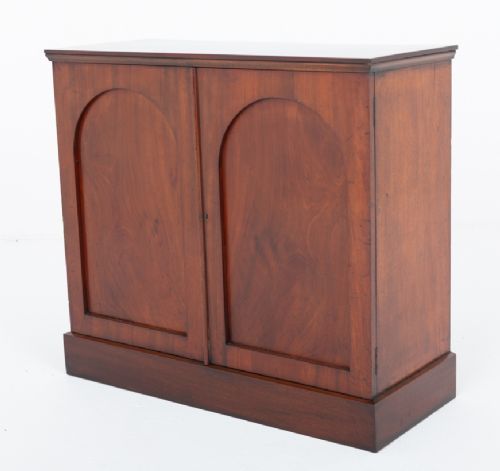
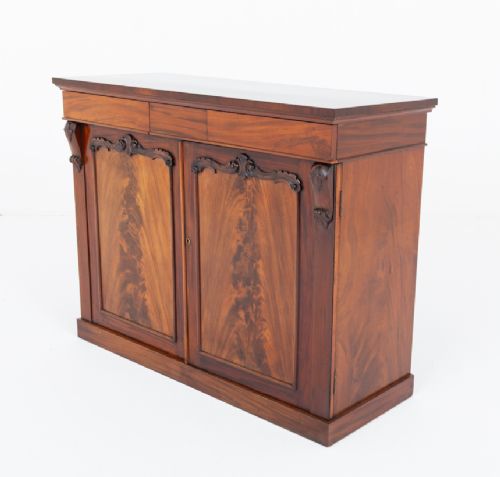
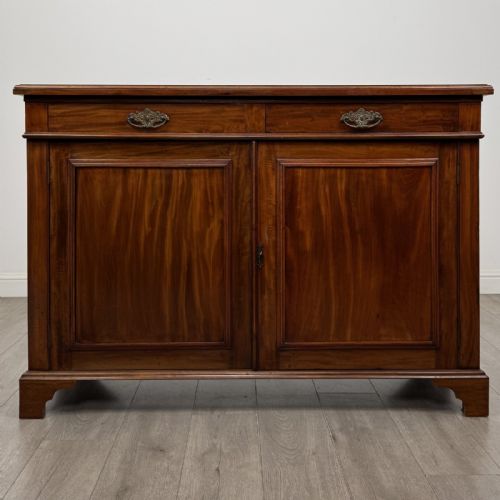
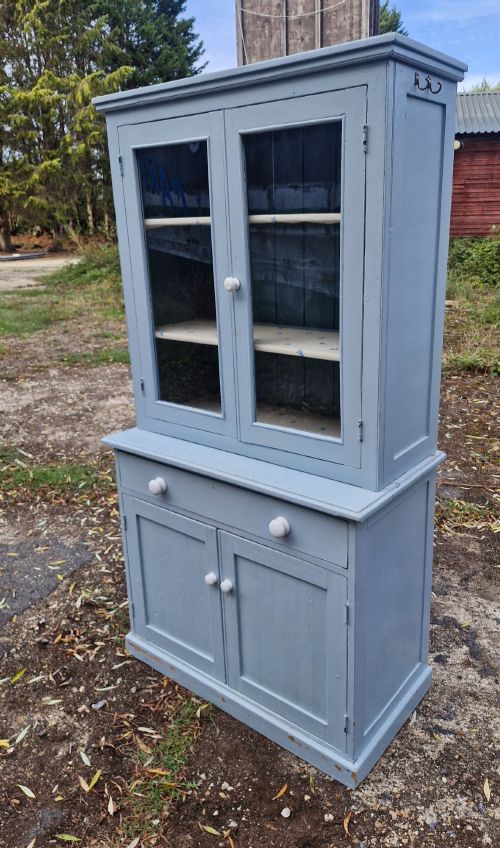
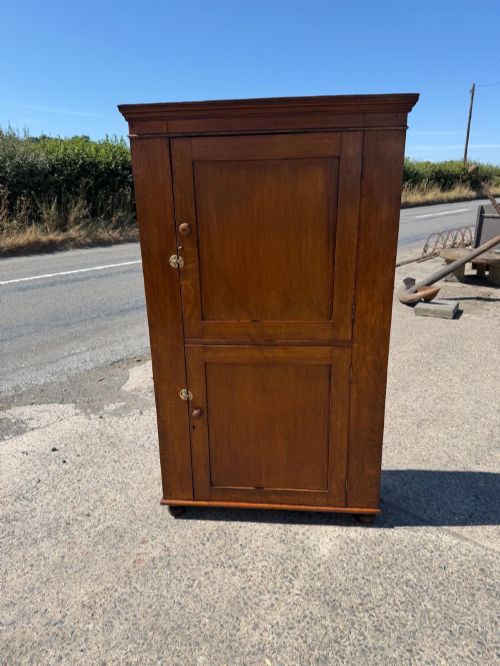
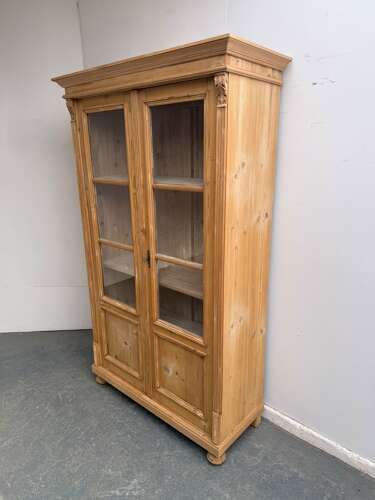
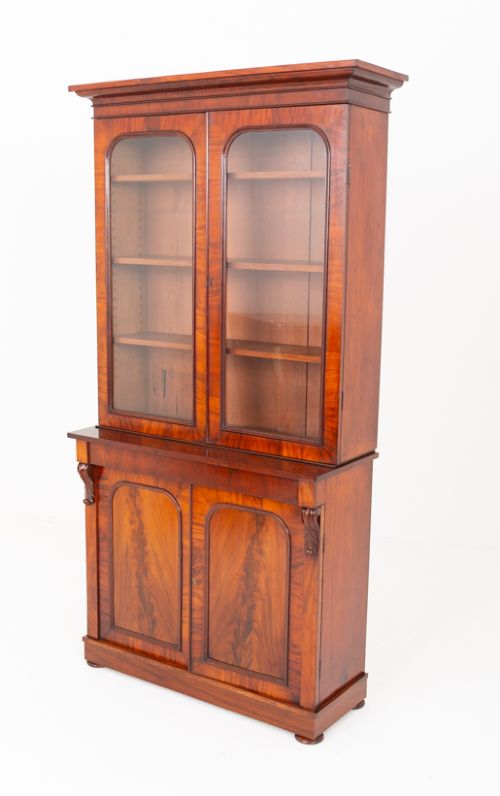
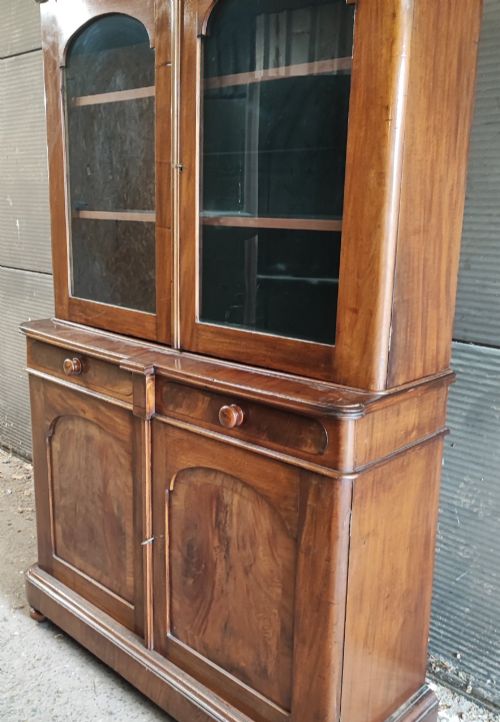
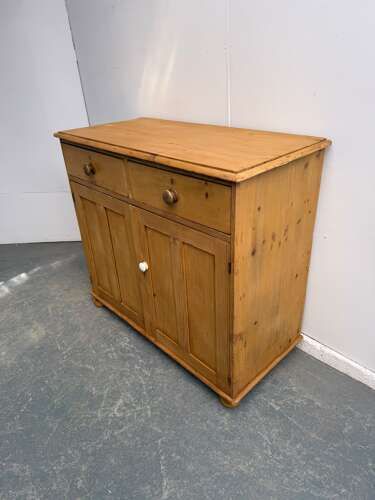
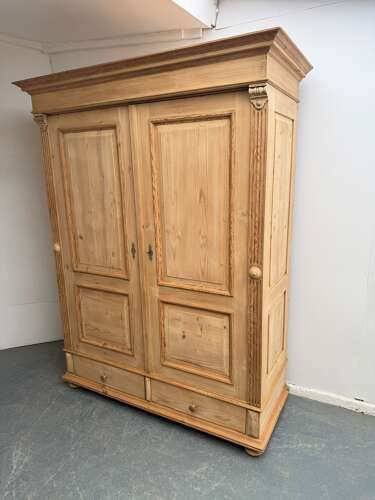
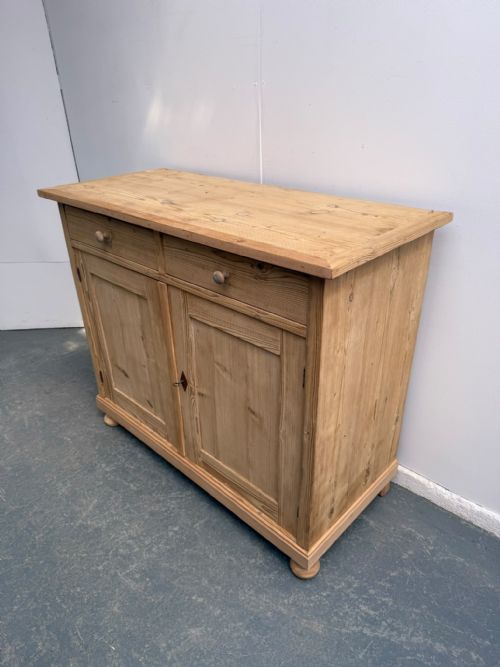
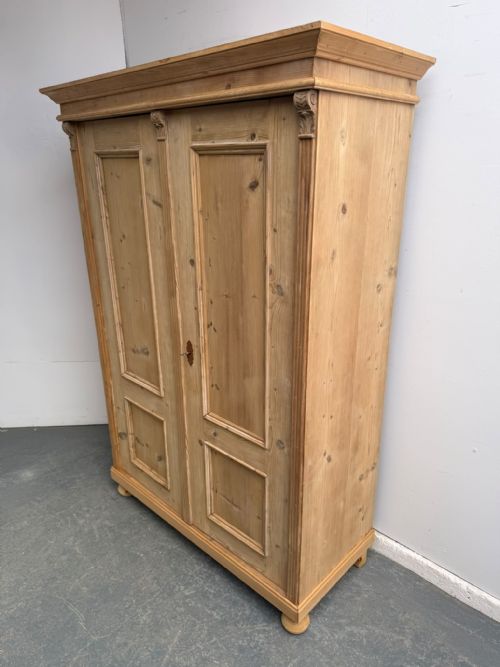
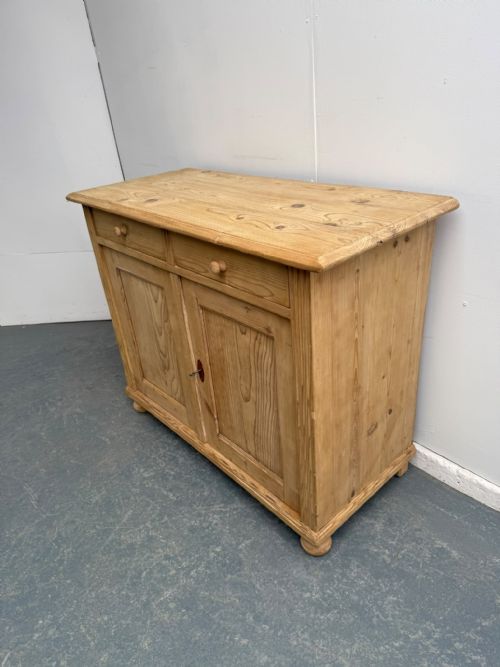
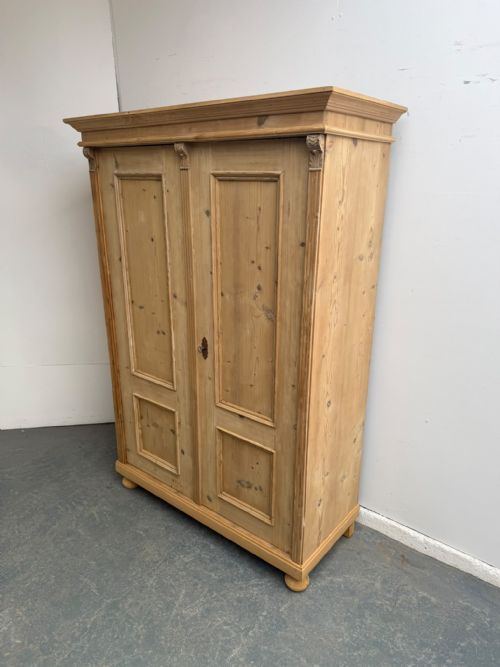
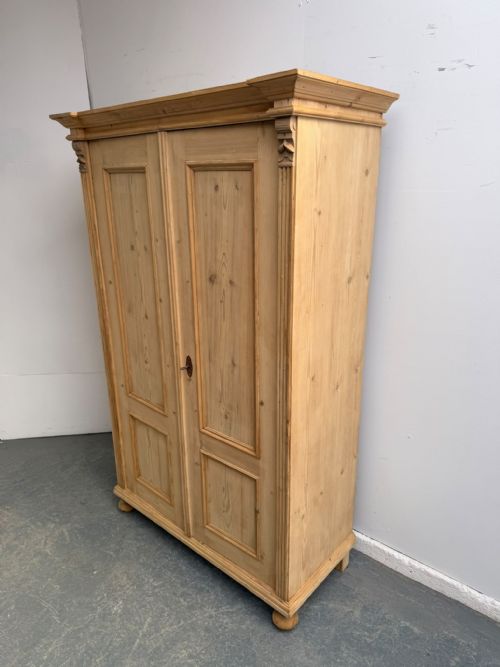
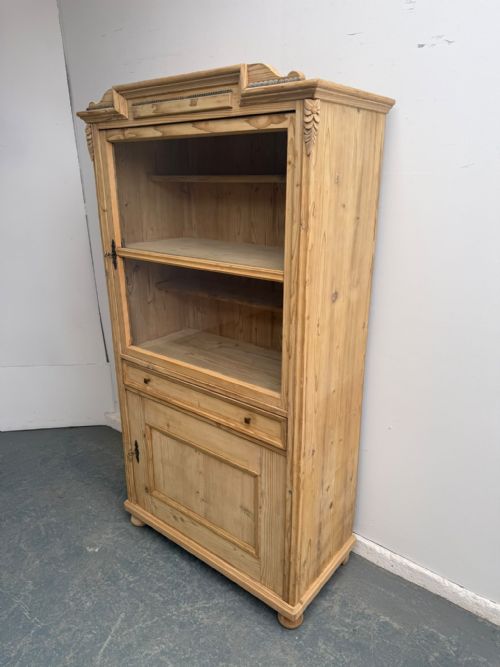
Victorian 2 Door Cabinet
When you search for a victorian 2 door cabinet, you are looking for sturdy storage defined by period timber and practical proportions.
Victorian 2 Door Cabinet
A victorian 2 door cabinet encompasses a wide variety of storage furniture originating predominantly from the nineteenth century, including side cabinets, pier displays, and bookcases. These items were designed to fulfil domestic storage needs in parlours, dining rooms, and studies, offering enclosed shelving behind dual doors.
The version most frequently encountered on this page is the mahogany or walnut side cabinet, often featuring glazed or panelled doors. These pieces reflect the functional requirements of nineteenth-century households, balancing display utility with secure compartment storage.
Origins span standard British cabinetmaking traditions alongside occasional regional variants, dating from the early decades of the Victorian era through to the end of the nineteenth century. The enduring appeal lies in their adaptability to modern interiors while retaining period timber surfaces.
How they were made
Construction relies heavily on dense hardwoods such as mahogany and walnut, frequently enhanced by burr veneers, rosewood, or oak. Cabinetmakers utilised solid timber frames combined with stable secondary woods, applying hand-polished finishes to accentuate the natural grain.
Decorative elements often include brass mounts, marquetry inlay, and ebonised details, particularly on pieces intended for formal reception rooms. Glazed doors incorporate wooden glazing bars, whilst internal shelving is frequently adjustable to accommodate books and tableware.
Listings span the entire Victorian era alongside surrounding decades, utilising primary materials such as mahogany, walnut, oak, and pine.
What varies in quality
The standard of timber selection significantly divides the range, with figured mahogany and burr walnut commanding greater visual depth than plain pine or stained alternatives. Superior examples display carefully matched veneer grains across both doors and symmetrical inlay work.
The refinement of internal fittings, original brass hardware, and the crispness of carved ornamentation separate utilitarian storage pieces from high-status display furniture. Structural integrity in the door hinges and the smoothness of drawer operation further define the upper tier of craftsmanship.
Edwards and Roberts
The Victorian 2 Door Cabinet Glossary
- Burr walnut
- A prized timber harvested from the wart-like growths on walnut trees, yielding highly figured, swirling grain patterns used for decorative veneer.
- Ormolu
- Gilded bronze ornamentation applied to furniture, popular in high-status nineteenth-century pieces for mounts and feet.
- Pier cabinet
- A low display cabinet designed specifically to fit against the narrow wall space, or pier, between two windows.
- Secretaire
- A cabinet or desk featuring a pull-down writing flap that conceals small drawers and pigeonholes.
- Marquetry
- The art of applying decorative pieces of veneer to a structure to form intricate patterns and floral designs.
Victorian 2 Door Cabinet: Frequently Asked Questions
What is a victorian 2 door cabinet used for?
These cabinets were originally utilised in nineteenth-century homes for storing books, display items, china, or household linens. Today, they serve equally well in living spaces as media units, sideboards, or general display storage.
The enclosed lower or upper compartments keep contents dust-free, while glazed doors allow for the exhibition of collectables or glassware within modern rooms.
How do I date a victorian cabinet?
Dating relies on observing timber choices, construction techniques, and stylistic shifts between the early and late nineteenth century. Earlier pieces often feature solid flame mahogany, while later decades embraced ebonised finishes and elaborate marquetry.
Examining secondary woods inside drawers and the style of the brass hardware also helps narrow down the decade of manufacture within the broader Victorian period.
Are the shelves adjustable?
Many bookcase and display variants feature adjustable wooden shelving supported by traditional wooden racks or metal pins. This adaptability made them practical for storing volumes of varying heights.
Not all cupboards feature this mechanism, as utility sideboards often relied on fixed horizontal partitions to divide the interior space effectively.
How do I care for antique timber?
Maintenance requires keeping the wood away from direct heat sources and sudden humidity changes to prevent timber splitting or veneer lifting. Regular dusting with a soft, dry cloth preserves the polished surface.
Applying a traditional beeswax polish periodically helps nourish the grain of hardwoods like mahogany and walnut without building up excessive residue.