



Vestibule Light Fixture
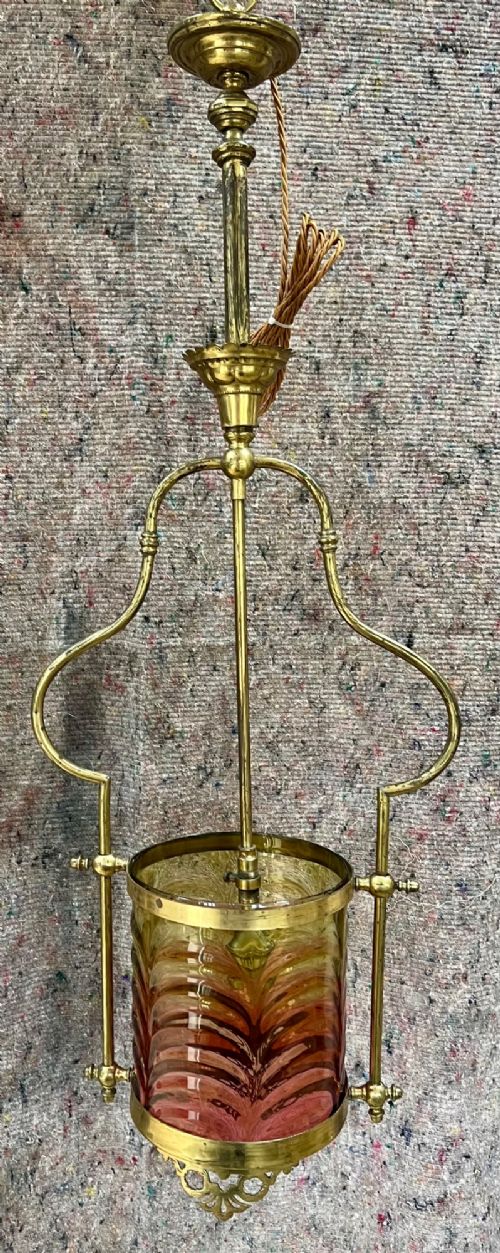
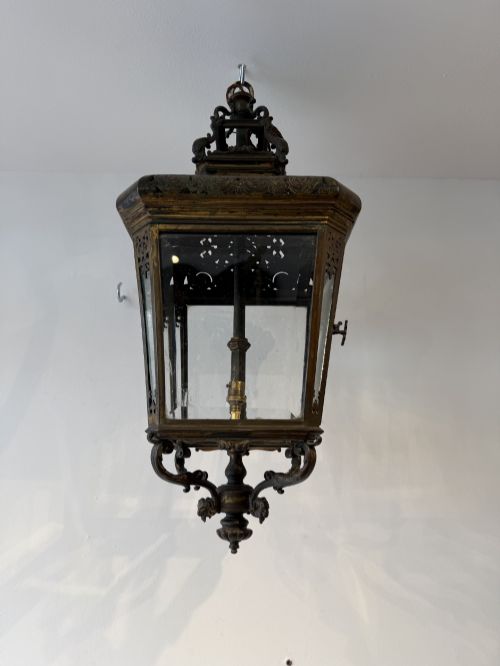
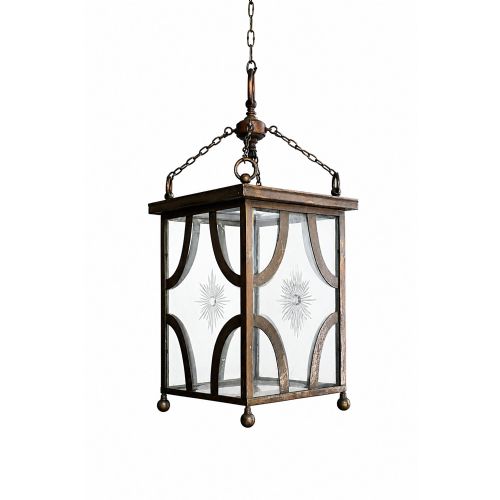
A vestibule light fixture sets the tone for an entrance, bringing brass, bronze and cut glass together in a welcoming overhead source.
Vestibule Light Fixture
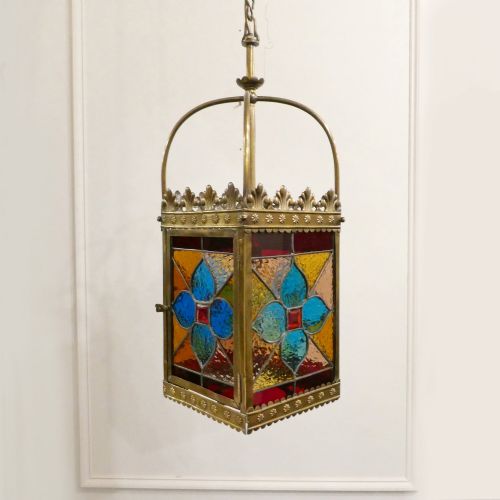
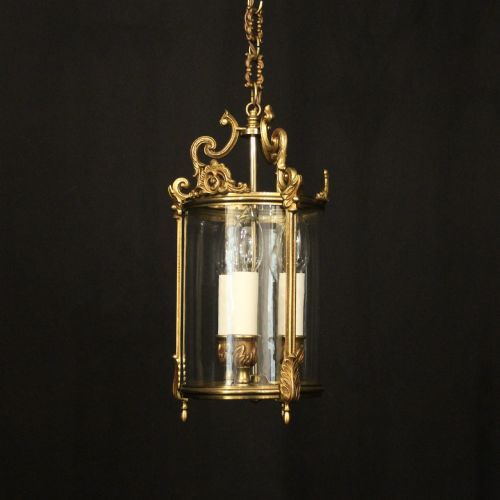
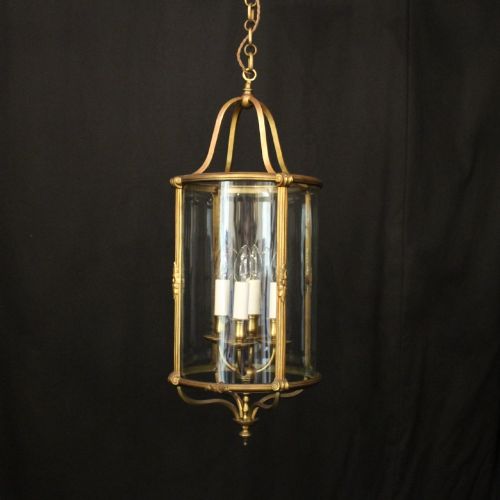
A vestibule light fixture serves primarily as a hanging lantern or pendant light designed for hallways, corridors and entryways. These pieces typically take the form of hall lanterns or ceiling lights suspended to illuminate compact spaces with architectural presence. Buyers seeking a vestibule light fixture will encounter various configurations from the nineteenth century onwards, including Edwardian examples and later twentieth-century iterations.
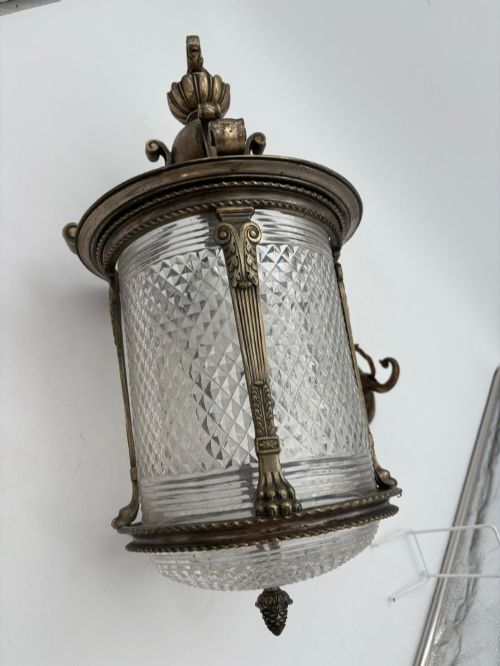
The selection ranges from restrained brass frames to ornate French gilt bronze models adorned with cut glass panels. Many items reflect distinct historical revivals such as French Rococo, Louis XVI, and Victorian and Gothic styles. This mix of periods and origins ensures that each hanging lantern or ceiling lighting piece possesses a distinct character suited to traditional or eclectic interiors.
How they were made
Makers constructed these fixtures using robust metals such as brass, bronze, silvered bronze, gilded bronze, and wrought iron to form the structural cage or frame. Steel and cast iron also appear, occasionally shaped by blacksmiths into hexagonal or twin-light lanterns. These metallic mounts provide the durable armature required for overhead suspension.
Glass forms the secondary component, featuring cut glass panes and panels that diffuse the internal illumination. Artisans combined metalwork and glass through precise framing techniques, securing delicate crystal or plain glass within heavy cast or forged metal housings.
Vestibule Light Fixture Retail Price Guide 2026
Typical asking prices for vestibule light fixture among the pieces listed under this phrase on Sellingantiques today, from the lower quarter to the upper quarter. They describe what is for sale here now, not the wider market.
Listings for this phrase feature materials ranging from simple brass and wrought iron to silvered bronze and cut glass.
What varies in quality
The distinction between tiers rests upon the fineness of the metal casting and the precision of the glass cutting. Heavier bronze frames with deep chasing and fire-gilding stand apart from simpler brass or iron assemblies.
The integration of the glass elements within the metal framework dictates the overall refinement. Thick, heavily cut glass panels fitted tightly into bespoke metal channels represent a higher standard of construction than standard sheet glass held by basic clips.
The Vestibule Light Fixture Glossary
- Hall lantern
- A hanging light fixture designed specifically for entrance halls and corridors, usually featuring glass panels within a metal frame. These pieces often hang from a chain or fixed rod.
- Cut glass
- Glass decorated by grinding facets or patterns into the surface using a wheel, creating brilliant light refraction. This technique adds considerable weight and sparkle to lantern panels.
- Gilded bronze
- Bronze metal coated with a thin layer of gold or gold leaf, providing a rich, permanent metallic sheen. It appears frequently on formal French revival light fixtures.
- Silvered bronze
- Bronze treated with a silver finish to achieve a cooler, reflective metallic surface. This finish patinates distinctively over decades of exposure.
- Wrought iron
- Iron beaten and bent by hand into decorative shapes while hot, prized for its tactile surface texture. Blacksmiths utilised this material for robust, sculptural hanging lanterns.
Vestibule Light Fixture: Frequently Asked Questions
How high should I hang my vestibule light fixture?
Suspension height depends primarily on the ceiling clearance and the dimensions of the hallway. Most vestibule light fixtures require enough headroom for people to pass underneath comfortably.
In standard hallways, the bottom of the lantern usually sits at least seven feet above the floor to maintain safe passage and proper visual proportion.
Can these antique lanterns take modern bulbs?
Most antique hall lanterns accommodate standard modern electrical fittings with appropriate rewiring. Professional electricians can adapt the interior sockets to suit contemporary LED or incandescent lamps safely.
Retaining the original internal wiring is rarely practical for daily use, so updating the electrical components ensures both safety and compliance.
Are bronze and brass fixtures heavy?
Cast bronze, brass and iron lanterns possess substantial weight due to the density of the metal and thick glass panels. Installing them requires secure anchorage into ceiling joists or solid masonry rather than standard plaster.
Checking the weight of the specific fixture before purchase ensures that the ceiling box and mounting hardware can support the load permanently.
How do I clean cut glass panels?
Cleaning cut glass requires removing the panels from the metal frame if possible, or wiping them carefully in situ with a mild glass cleaner. Harsh chemicals should be avoided to protect antique metal patinas adjacent to the glass.
Regular dusting with a soft cloth keeps the facets bright and maintains the light refraction without risking damage to historic fixings.