



Vernis Martin Table
A vernis martin table brings exquisite French lacquerwork and gilded mounts into a room, offering both a functional surface and a dramatic focal point.
Vernis Martin Table
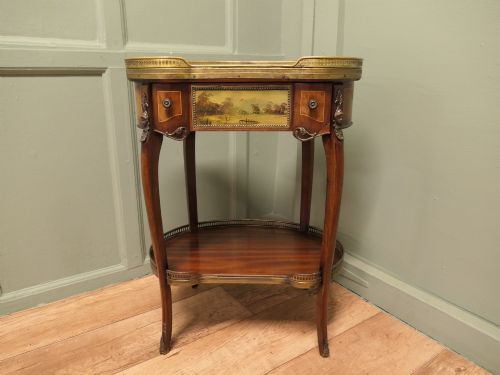
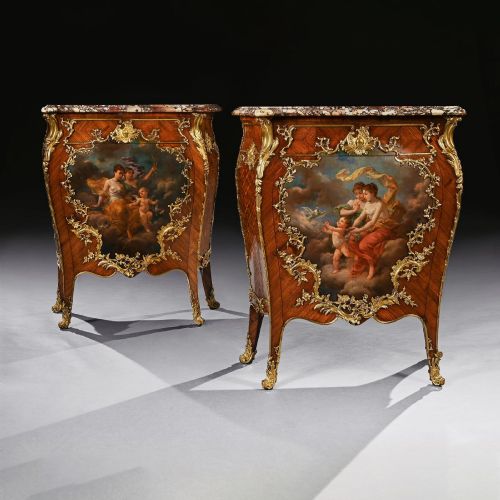
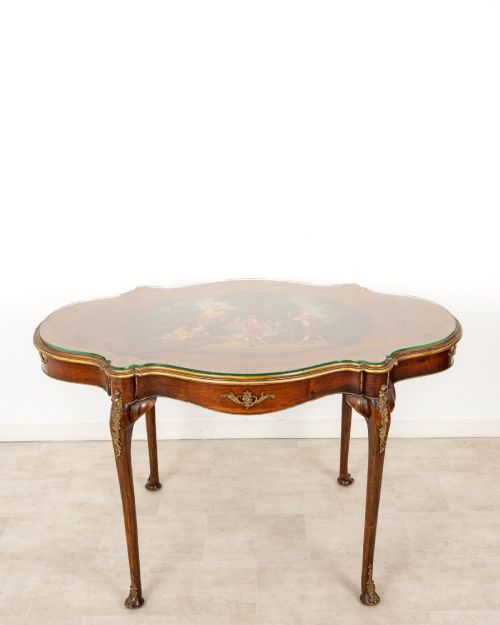
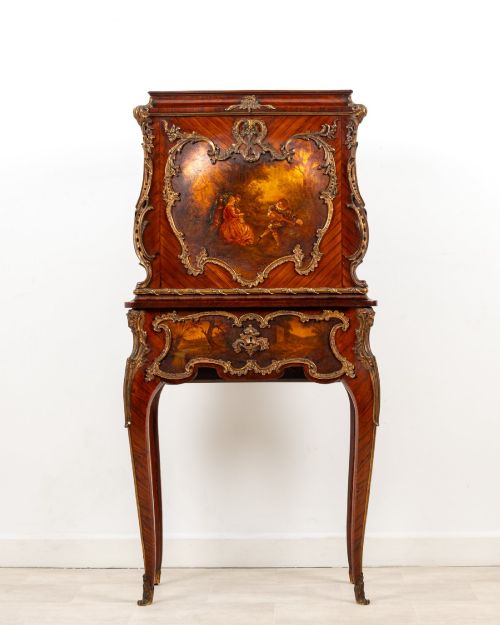
When you search for a vernis martin table, you encounter decorative French furniture adorned with simulated Japanese lacquer panels. These pieces typically manifest in styles such as French Rococo Revival and Louis XV, drawing on nineteenth-century craftsmanship.
Buyers are most likely to meet pieces finished with gilt bronze or ormolu mounts, pairing the distinctive lacquer panels with rich wood foundations like kingwood.
How they were made
The construction of these pieces relies on timber frameworks, notably kingwood, which provides a stable base for decorative surface treatments. Skilled artisans applied specialised lacquer varnishes to produce the signature glossy panels seen across the collection.
Metalwork forms an integral part of the fabrication, utilising cast ormolu and gilt bronze mounts to accent the edges, corners, and legs. Glass and marble elements also appear in select pieces to complete the composite structures.
Vernis Martin Table Retail Price Guide 2026
Typical asking prices for vernis martin table among the pieces listed under this phrase on Sellingantiques today, from the lower quarter to the upper quarter. They describe what is for sale here now, not the wider market.
Listings feature pieces spanning the nineteenth century and Edwardian period, utilising ormolu, kingwood, marble, and lacquer.
What varies in quality
The refinement of the painted lacquer panels separates standard interpretations from superior examples. Finely executed pictorial scenes on the panels display greater depth and control than simpler decorative flourishes.
The standard of the ormolu and gilt bronze mounts dictates the overall polish of the piece. Crisp, sharply chased metalwork demonstrates a higher grade of craftsmanship than soft or heavily polished castings.
The Vernis Martin Table Glossary
- Vernis Martin
- A type of simulated Japanese lacquer developed in eighteenth-century France by the Martin brothers. The technique involves layering varnishes to achieve a glossy, translucent finish often decorated with pastoral or orientalist scenes.
- Ormolu
- Gilt bronze mounted onto furniture or clocks as decorative hardware. This method involves applying a gold amalgam to a bronze base, creating a durable golden sheen.
- Kingwood
- A dense, richly figured timber native to Brazil, prized by cabinetmakers for its striking grain patterns. It is frequently utilised in veneered French furniture from the nineteenth century.
- Louis XV Style
- A revival design movement characterised by asymmetric scrollwork, cabriole legs, and naturalistic motifs. This aesthetic heavily influences the framing of nineteenth-century lacquer furniture.
- Centre Table
- A freestanding table designed to be viewed from all sides rather than pushed against a wall. These pieces often feature detailed mounts and polished tops suitable for placement in the middle of a room.
Vernis Martin Table: Frequently Asked Questions
What is a vernis martin table?
A vernis martin table is a piece of nineteenth-century French furniture decorated with glossy, multi-layered lacquer panels that imitate Asian lacquerwork. These tables often incorporate gilt bronze mounts and styles reminiscent of the Louis XV period.
They serve as decorative surface furniture designed to bring colour and historical revival aesthetics into a traditional interior setting.
How do I care for lacquer panels?
Lacquer surfaces require gentle handling to preserve the delicate varnished finish and any underlying painted scenes. Keep them away from direct sunlight and excessive moisture to prevent the varnish from degrading.
Dust the surface lightly with a dry, soft cloth, avoiding commercial polishes or harsh chemical cleaners entirely.
What periods do these tables come from?
The pieces listed on this page date predominantly from the nineteenth century, including Victorian and Edwardian examples. Makers working during this era frequently revived earlier French monarchical styles, particularly Louis XV and Louis XVI.
Dates recorded in the inventory stretch from the mid-nineteenth century up to the early twentieth century.
Where were these tables placed originally?
These tables were designed for formal reception rooms and parlours in grand homes, where their ornate lacquerwork and gilt mounts could catch the light. Centre tables stood in the middle of rooms to display decorative objects or serve as focal points.
Smaller occasional tables were easily moved to serve guests during social gatherings.