



Vernacular Wood Armchair
A vernacular wood armchair brings the honest craft of country workshops and regional makers directly into a modern room.
Vernacular Wood Armchair
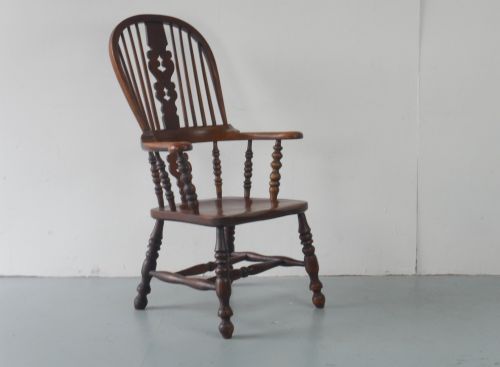
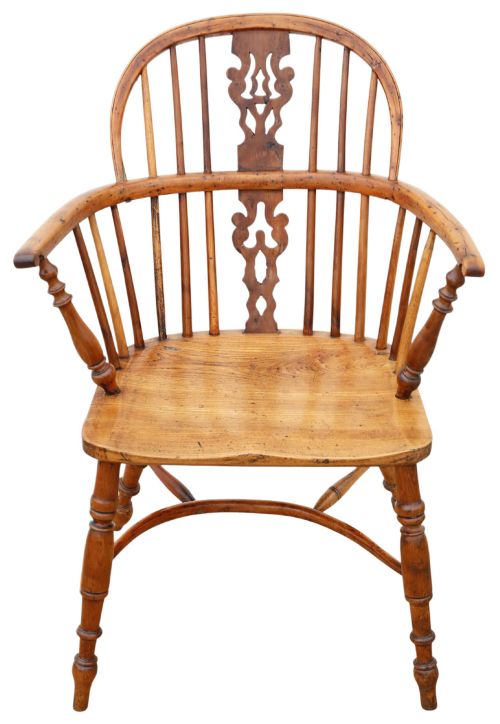
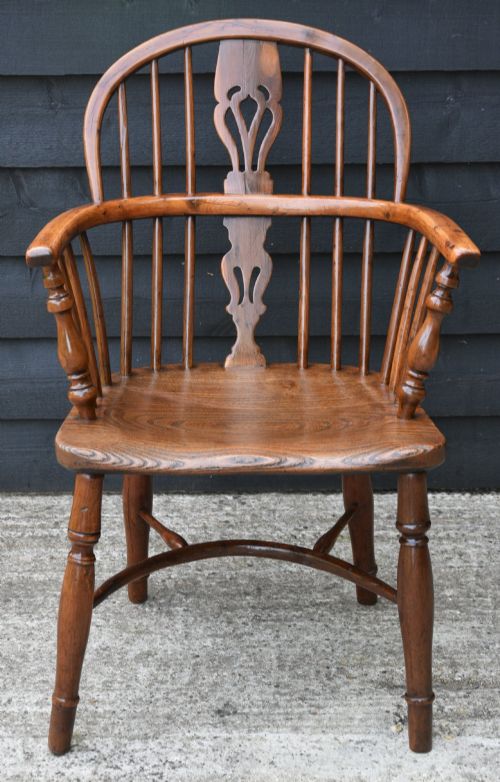
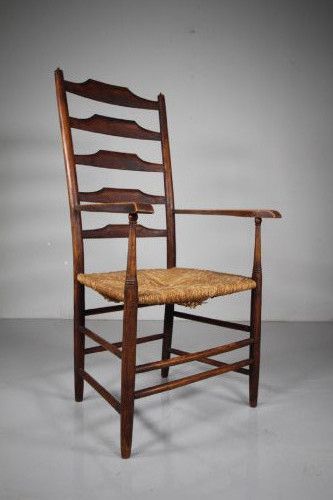
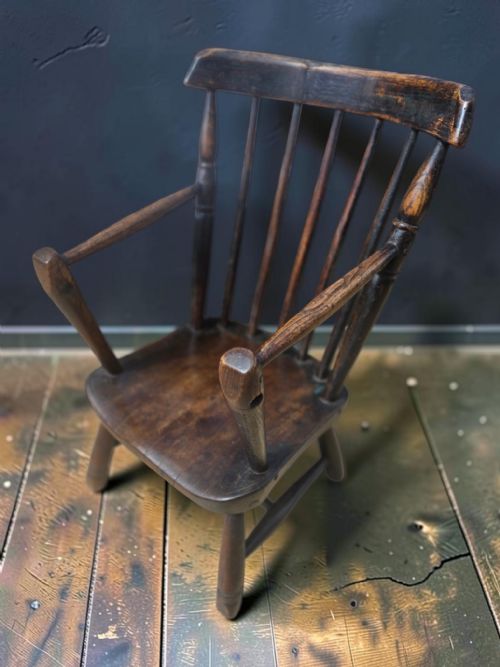
A vernacular wood armchair is a piece of seating furniture shaped by regional traditions rather than metropolitan fashion, relying on local timber and time-tested joinery. When you search for a vernacular wood armchair, you encounter rural seating made across the British Isles from the seventeenth century through to the Edwardian period.
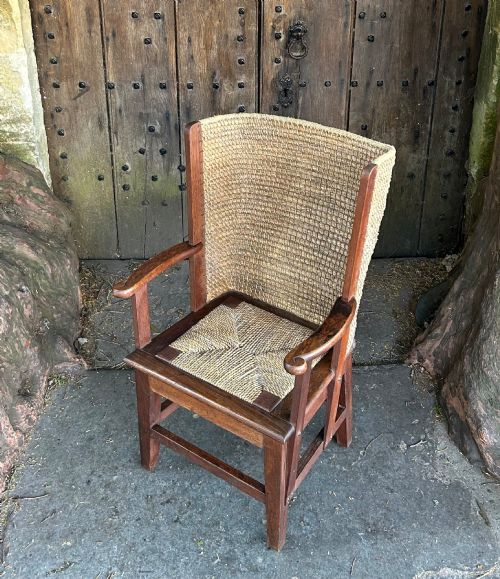
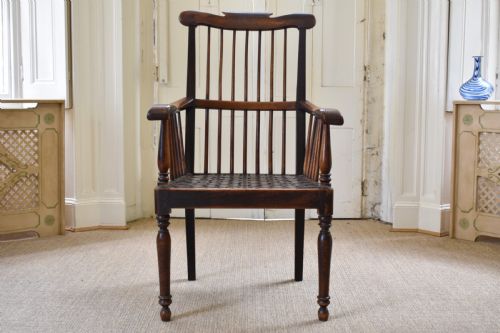
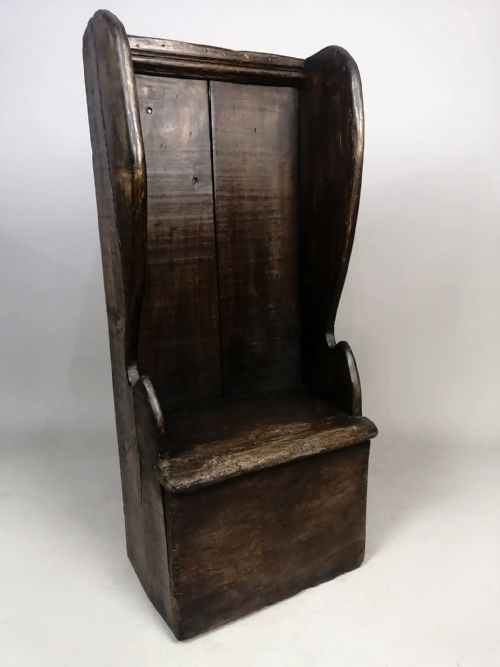
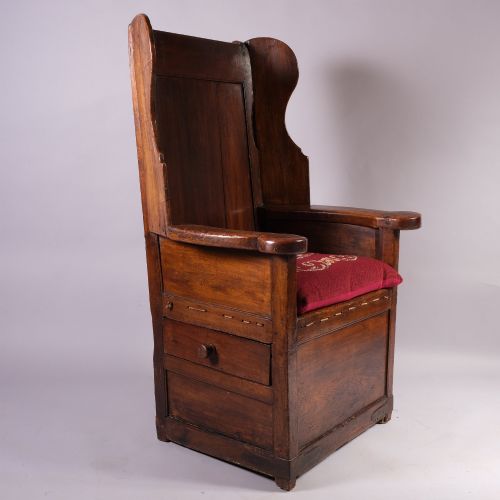
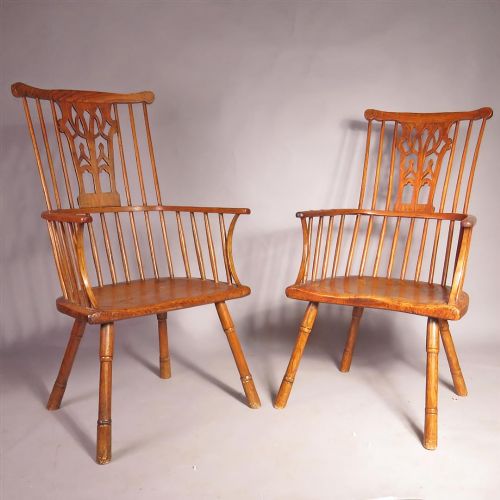
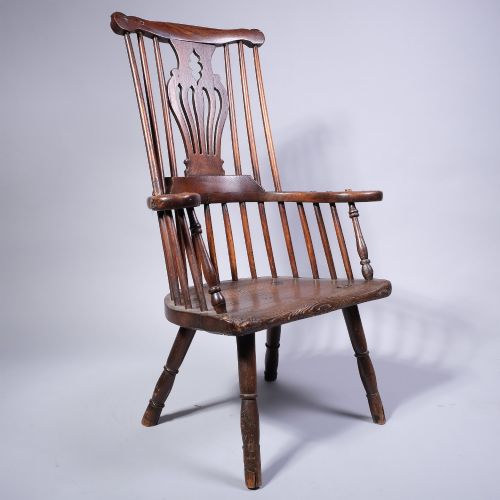
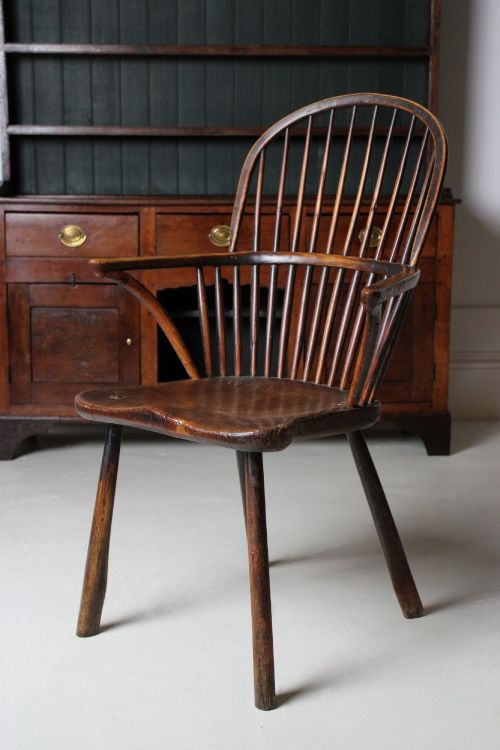
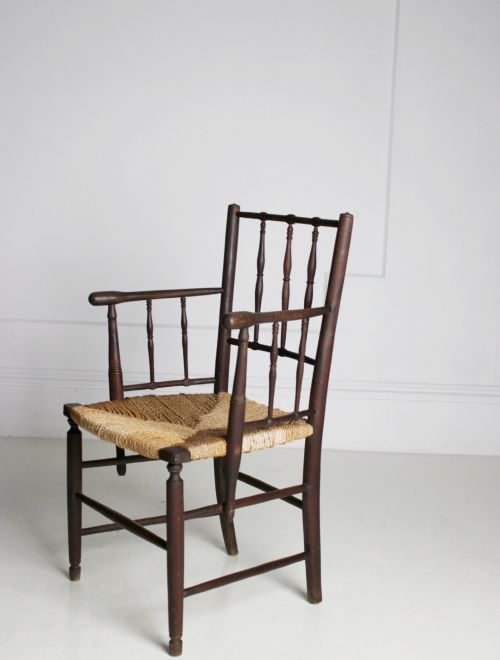
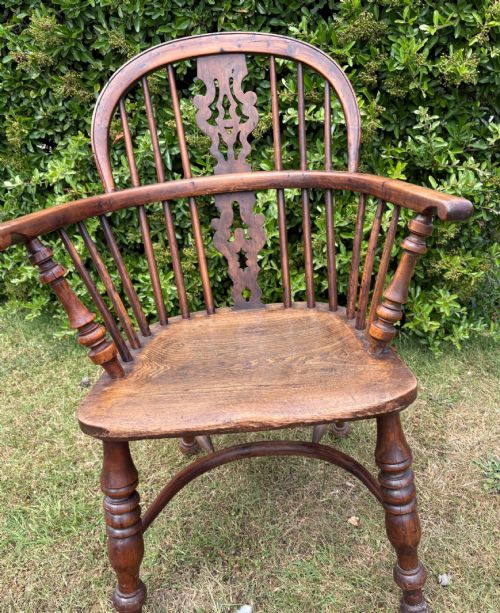
The most common forms on this page include Windsor chairs with hoop backs, comb backs, and low backs, alongside stick backs, lambing chairs, and regional variations such as Orkney chairs and Welsh armchairs. These pieces span periods from the seventeen hundreds through the nineteenth century, taking in Georgian and Victorian eras.
Makers utilised native hardwoods like elm, ash, yew, fruitwood, laburnum, and beech, often combining multiple timbers in a single seat to serve different structural needs. Childrens armchairs and rocking chairs also appear alongside full-sized carvers and dining chairs.
How they were made
Makers constructed these chairs using green woodworking techniques and traditional frame construction, turning spindles on pole lathes and bending wood with steam. Seats were typically carved from a single solid block of elm or other dense timber to form a comfortable saddled dish.
Legs and stretchers were wedged and tenoned directly into the underside of the seat, creating a rigid underframe without metal fixings. Backs incorporated ash or yew spindles, hooped arm bow sections, and occasionally solid splats, secured with wedges for lasting strength.
Vernacular Wood Armchair Retail Price Guide 2026
Typical asking prices for vernacular wood armchair among the pieces listed under this phrase on Sellingantiques today, from the lower quarter to the upper quarter. They describe what is for sale here now, not the wider market.
Listings feature regional variations including Welsh, Scottish, Thames Valley, and West Country vernacular chairs spanning three centuries.
What varies in quality
Quality rests in the balance of the proportions, the selection of timber grain, and the integrity of the original construction rather than decorative finish. A superior chair demonstrates careful matching of contrasting woods, such as a rich yew bow paired with a figured elm seat.
The degree of wear to the feet, arms, and seat edges reveals the honesty of the piece and how many generations used it daily. Original surface patination, whether bare scrubbed timber, early paint, or old stain, separates untouched examples from those altered by later intervention.
Philip Clissett·Duncan McKellar·Gabbitass Worksop
The Vernacular Wood Armchair Glossary
- Windsor chair
- A chair built with a solid wooden seat into which the legs and back-bow are separately inserted. They often feature comb backs or hoop backs.
- Comb back
- A Windsor chair style where the top rail resembles the teeth of a comb, rising above a low back rail with vertical spindles.
- Lambing chair
- A high-backed vernacular chair, often featuring solid wooden wings to shield the sitter from draughts near a hearth.
- Broadarm
- A vernacular armchair featuring one exceptionally wide, flat arm designed for writing or resting items.
- Stick back
- A chair construction method where turned or cleft vertical wooden spindles form the back rest without a central shaped splat.
Vernacular Wood Armchair: Frequently Asked Questions
What is a vernacular armchair?
A vernacular armchair is a piece of regional seating built by local rural makers using native timbers and traditional methods rather than following metropolitan design trends.
These chairs reflect the specific habits, tools, and available woods of districts ranging from the Thames Valley to Welsh valleys and Scottish workshops.
How do I identify a Windsor chair?
A Windsor chair is defined by its solid wooden seat slab, which serves as the central anchor for the legs below and the back spindles above.
Unlike framed chairs, the structural components are tenoned directly into holes bored through the thick seat base.
What woods were used?
Makers selected native British hardwoods depending on local availability and the structural demands of different parts of the chair.
Elm was chosen for seats because its interlocking grain resisted splitting, while ash, yew, beech, and fruitwood provided strength for bent hoops, spindles, and legs.
How do I live with antique country chairs?
Living with these chairs involves placing them away from direct heat sources and rapid temperature fluctuations that can dry out old timbers.
Regular gentle dusting and occasional feeding with suitable wax help preserve the original surface patination and keep the dry wood stable.