

Vernacular Furniture Armchair
These vernacular furniture armchairs are honest domestic seats built by local hands from sturdy native woods.
Vernacular Furniture Armchair
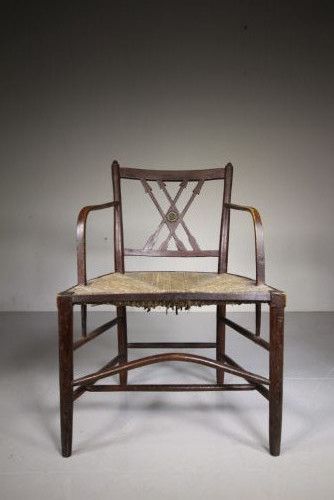
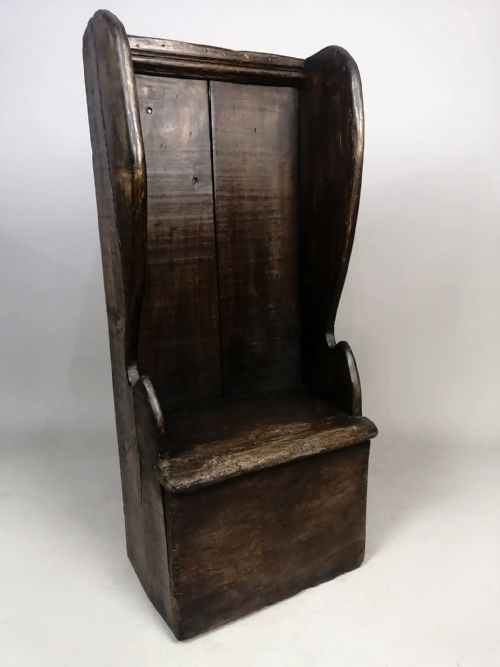
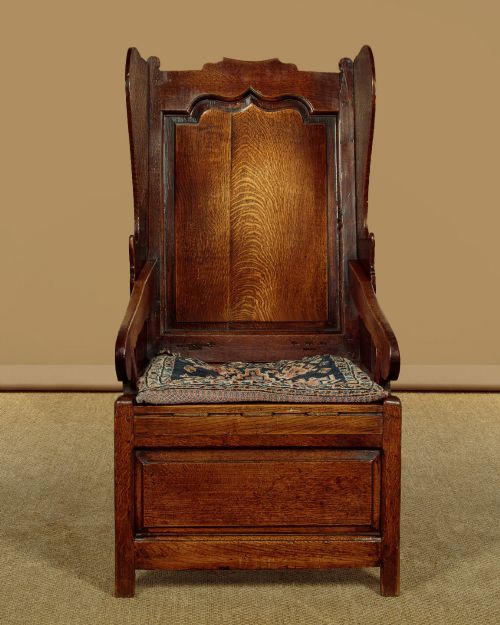
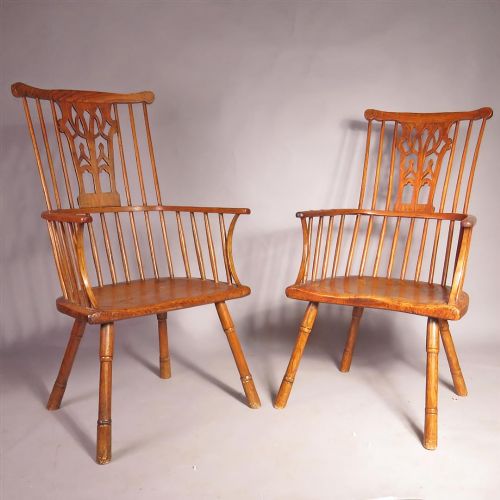
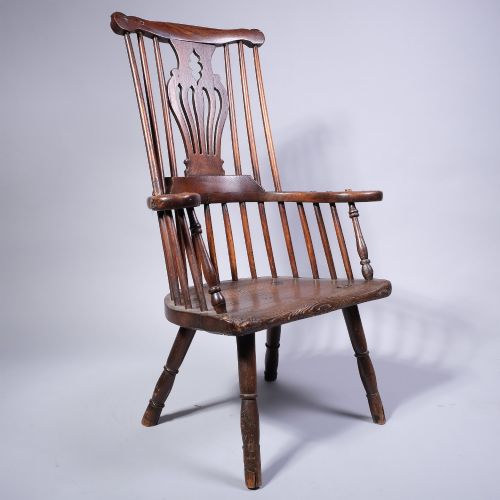
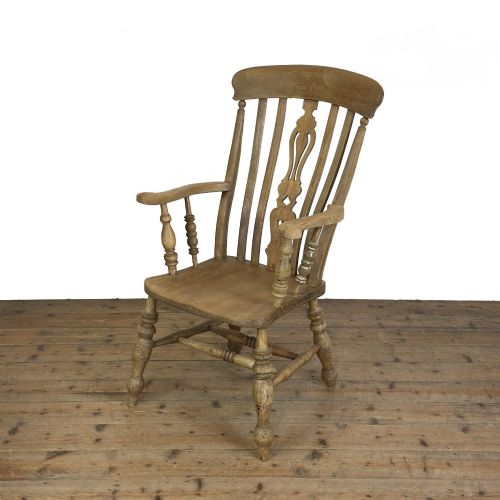
When searching for a vernacular furniture armchair, buyers encounter unpretentious seating shaped by regional traditions rather than metropolitan fashion. The pieces span periods from the seventeenth century through to the early twentieth century, taking forms such as Windsor chairs, stick backs, and lambing chairs.
The domestic forms include both full-sized seating and smaller chairs intended for children. Regional origins stretch across English, Welsh, Scottish, and Swedish workshops, bringing local building habits into each individual seat.
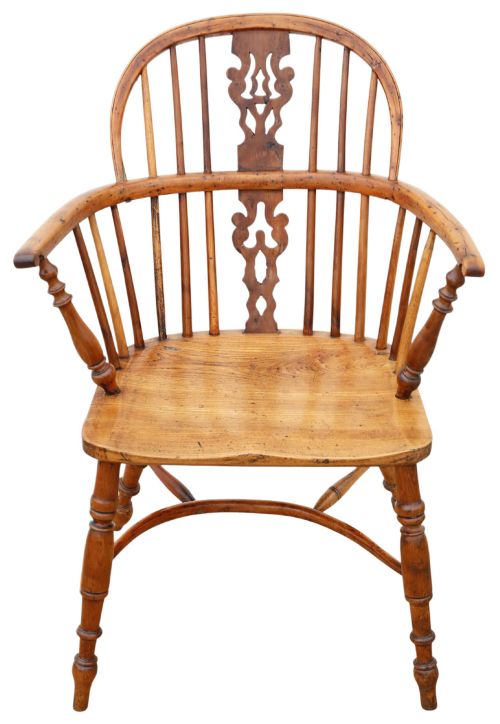
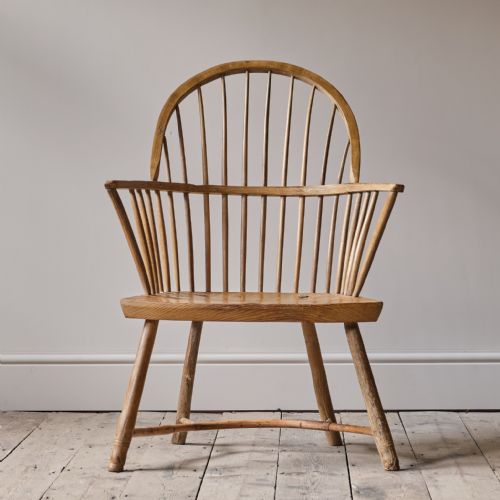
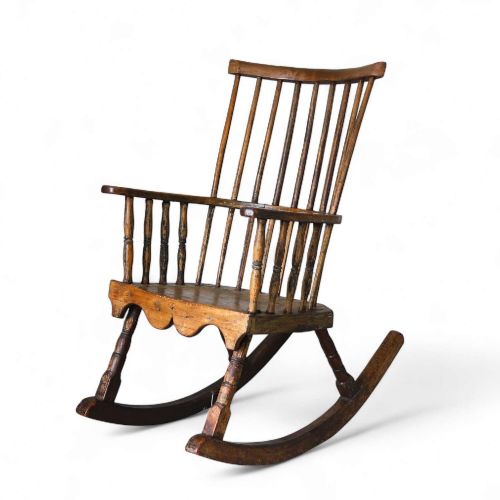
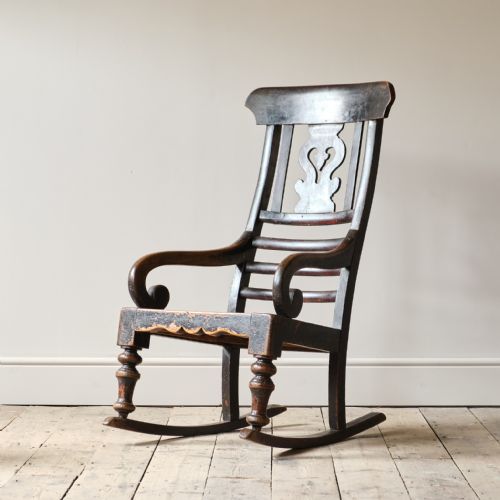
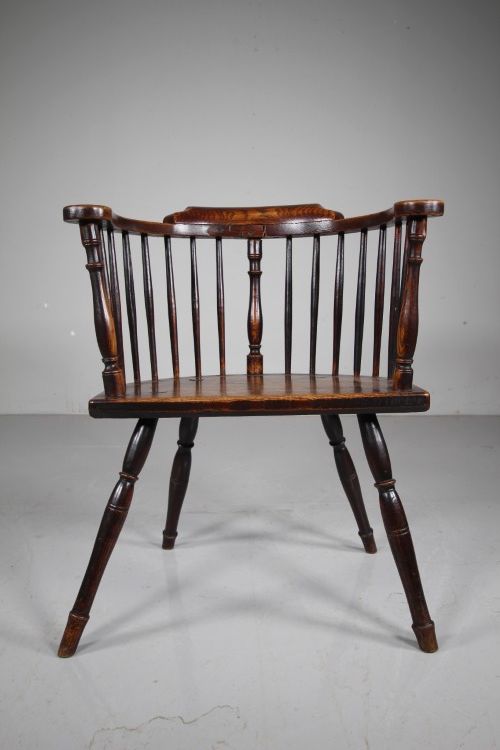
Most examples met on this page belong to the eighteenth and nineteenth centuries. These include high-backed Windsor chairs, low-back iterations, comb backs, and rocking variants.
Construction and Materials
Maker construction relies on native timbers selected for specific structural duties. Elm provides durable seats, ash supplies tough bending spindles, and yew offers rich grain for prominent bows and arms.
Additional woods such as oak, fruitwood, laburnum, beech, pine, and sycamore appear across frames and panel seats. Combinations of these woods give individual chairs contrasting tones and distinct local character.
Joinery methods utilise traditional techniques such as bodging, where turned legs and spindles fit directly into thick plank seats. Surfaces often display traces of early paint or retain the natural texture of unadorned timber.
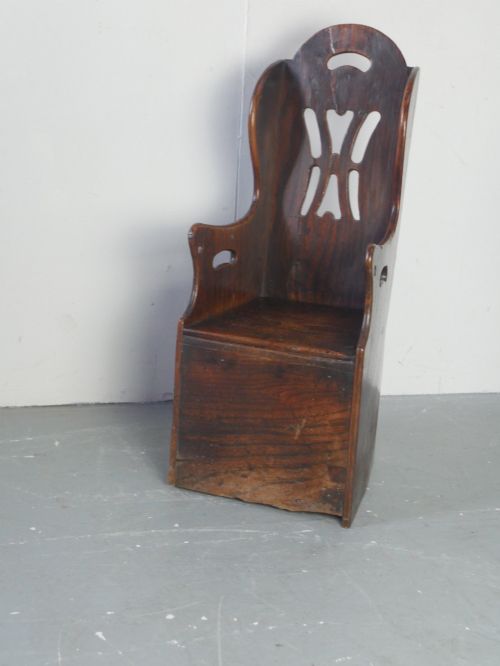
Potty chairs allowed eighteenth-century toddlers to join family seating while managing domestic training without interrupting the household routine.
Judging Quality
Quality rests upon the harmony of the timber selection and the retention of original surfaces. Chairs constructed with contrasting woods show deliberate artisan choices rather than random salvage.
Proportion and stance separate standard examples from finer items. A balanced bow, well-turned spindles, and an untouched patina elevate a piece above altered or heavily restored equivalents.
The Vernacular Furniture Armchair Glossary
- Windsor chair
- A chair built with a solid wooden seat into which the legs and back sticks are independently inserted. The design relies on a heavy saddle-shaped seat for stability.
- Comb back
- A chair back featuring an upper headrest rail supported by vertical sticks that resemble the teeth of a comb. This style appears frequently on eighteenth-century regional seating.
- Lambing chair
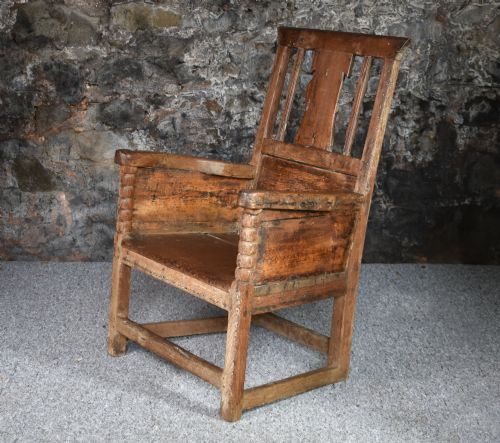
- An enclosed wooden armchair designed with solid wings and sides to shield the occupant from drafts. Early versions often incorporate a lower storage compartment or small writing surface.
- Stick back
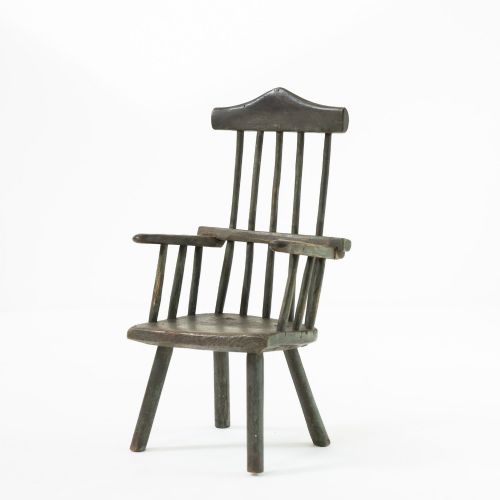
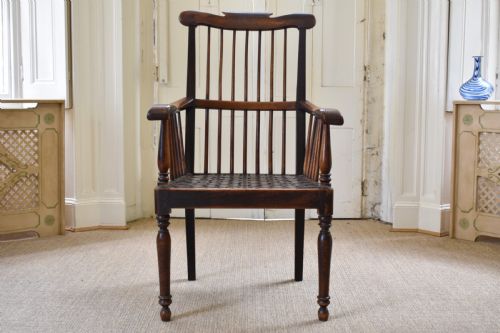
- A seat constructed using plain or shaped wooden rods fitted into a bored wooden seat. These chairs represent an unpretentious approach to domestic seating.
- Broadarm
- A Windsor chair featuring an extended, flat wooden armrest designed to serve as a writing surface. This regional variation occurs primarily in Yorkshire pieces.
Vernacular Furniture Armchair: Frequently Asked Questions
What is a vernacular armchair?
A vernacular armchair is a regional seat built by local joiners using native woods without following urban design standards.
These chairs prioritize utility and local building traditions over courtly fashion, resulting in diverse regional styles.
How do I identify a Windsor chair?
A Windsor chair has a solid thick seat that holds the legs below and the back spindles above.
Instead of a traditional framed framework, the structural components slot directly into bored holes within the wooden seat plank.
Where were these chairs made?
These chairs originated in rural workshops across England, Wales, Scotland, and Sweden.
Local makers utilised whatever native timber grew nearby, leading to distinct regional variations in wood choice and structural form.
How do I care for antique timber?
Keep antique wooden chairs away from direct heat sources and sudden humidity changes to prevent timber splitting.
Apply a microcrystalline wax sparingly to nourish the dry wood and maintain the historic surface finish.