
Vernacular Armchair
A vernacular armchair carries the honest utility of past centuries, built by regional makers from local woods to suit domestic life.
Vernacular Armchair
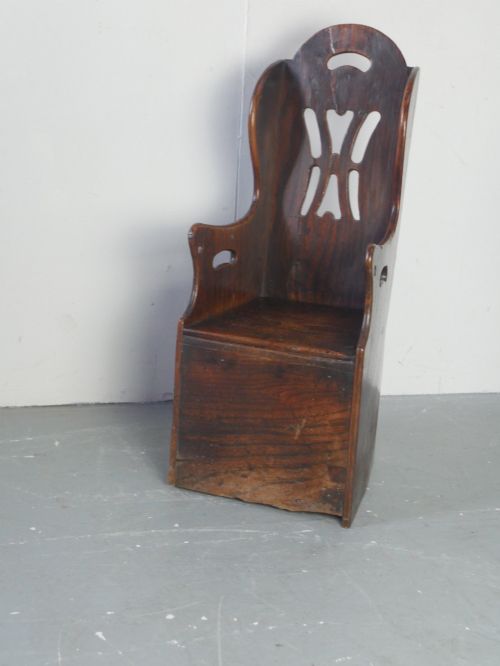
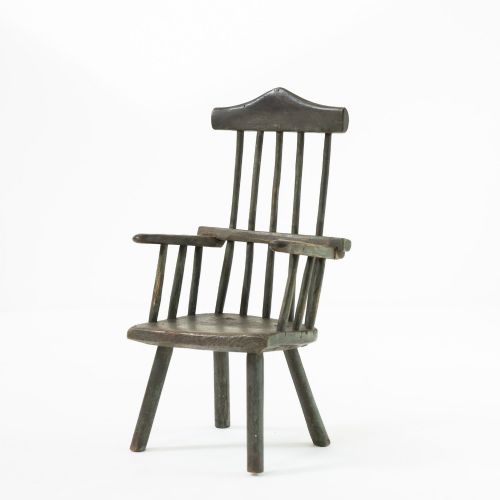
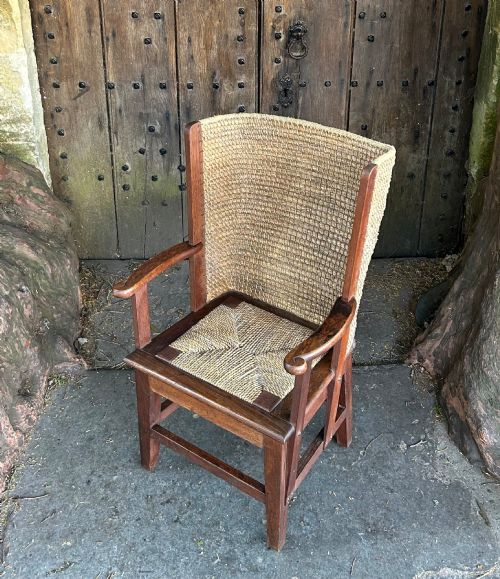
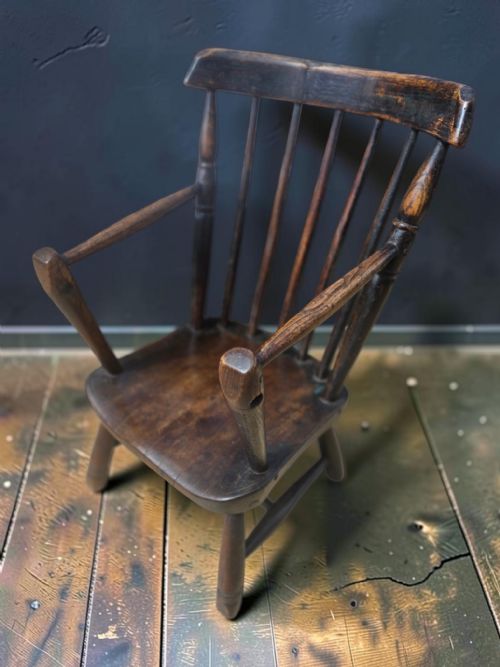
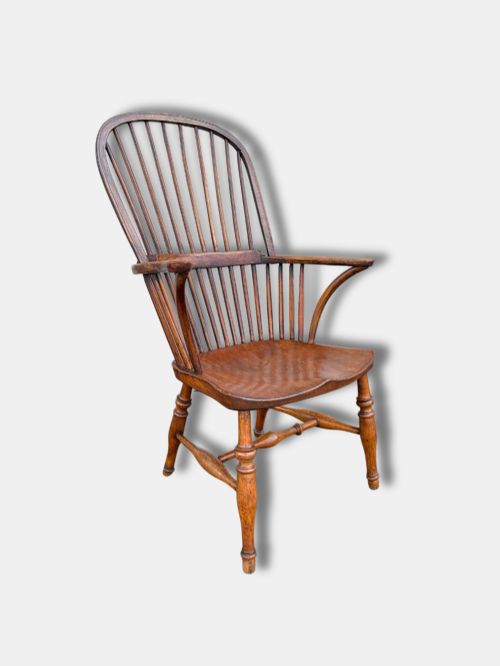
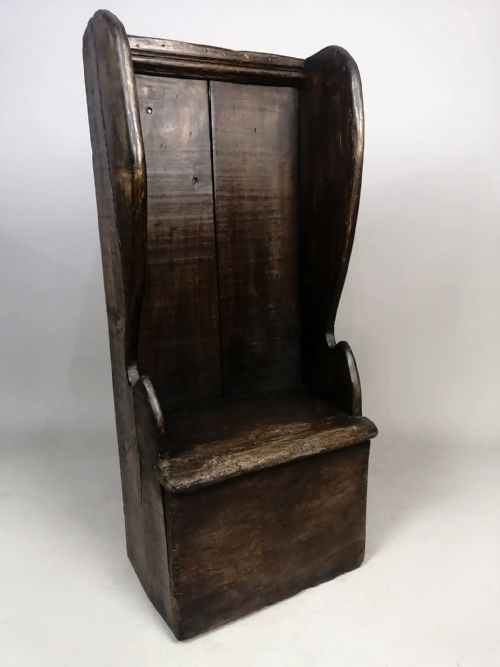
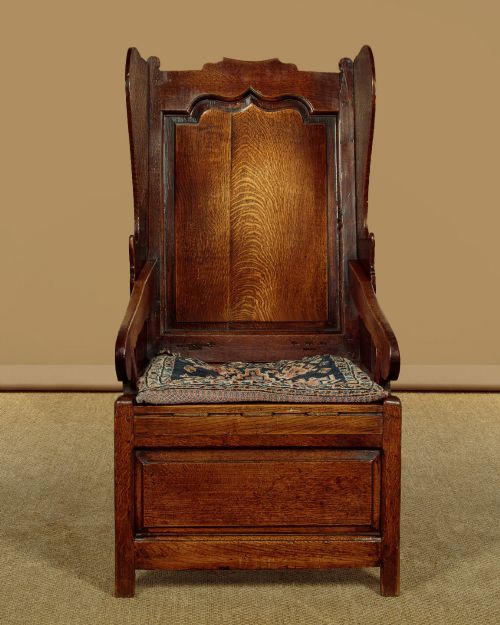
A vernacular armchair represents a regional seating tradition shaped by local timber and practical necessity rather than strict academic design. These chairs emerge from the eighteenth and nineteenth centuries, spanning diverse regional forms from English Windsor models to Scottish Orkney chairs and Welsh lambing seats.
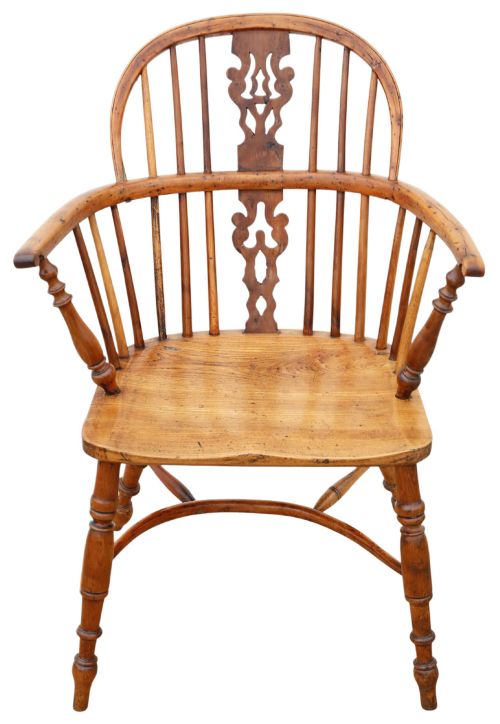
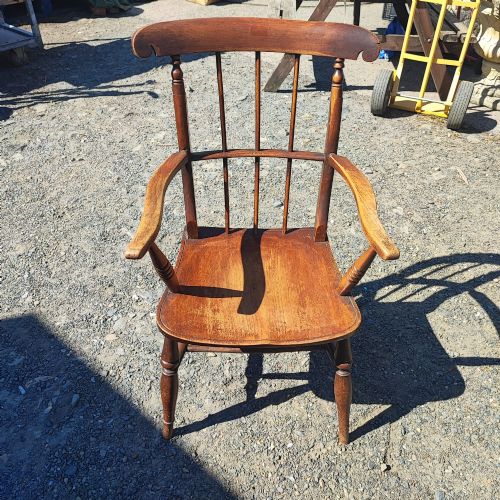
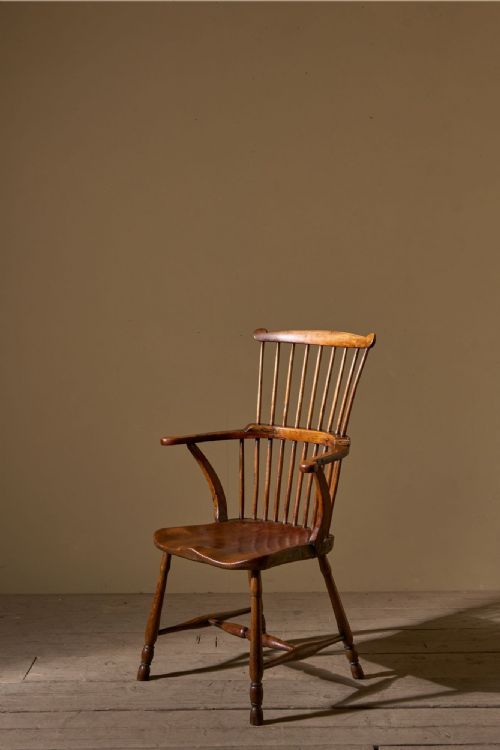
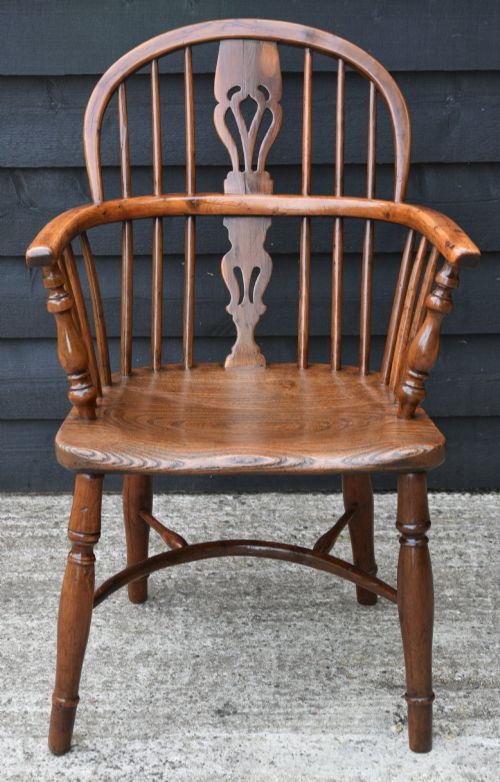
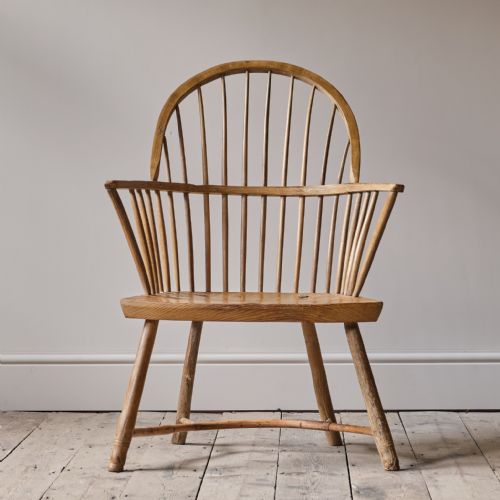
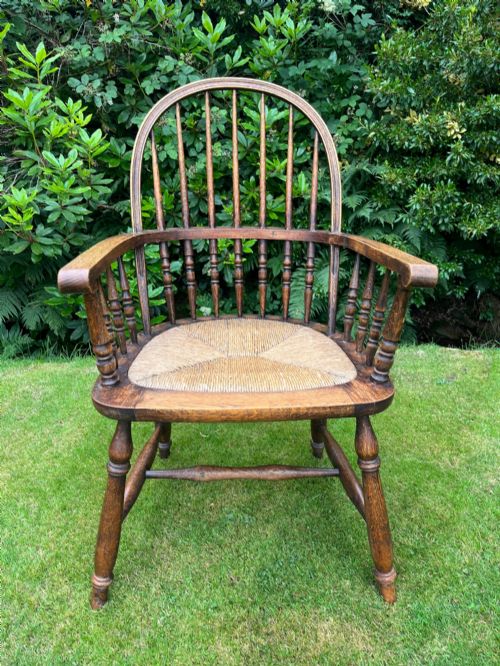
The version most commonly met on this page is the nineteenth century Windsor or country arm chair, frequently constructed with a combination of elm, ash, and yew. Makers built these pieces for everyday household service, resulting in sturdy proportions and varied stick-back, hoop-back, or comb-back formations.
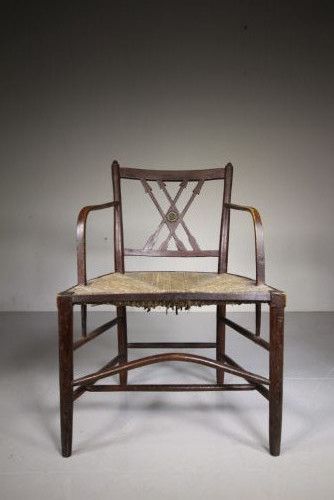
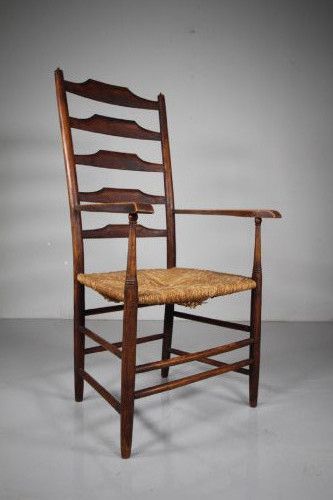
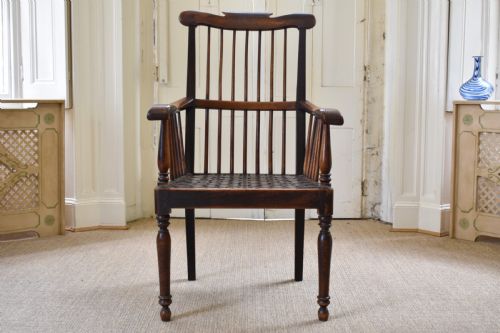
Regional variations appear distinctly across the selection, including Thames Valley windsors, West Country child chairs, and northern ladder backs. Each example displays the specific structural traits favoured by local joiners working with available materials.
Materials and construction
Makers selected native British timbers for specific structural properties, combining dense fruitwoods, laburnum, or yew for members with resilient elm for carved solid seats and flexible ash for steam-bent hoops and spindles. Paint or dark stain often finished the surfaces, while rush provided traditional seating material for ladder backs.
Construction relied on time-tested green woodworking and bodging techniques where turned legs and spindles locked into thick wooden seats using wedged tenon joints. This method allowed green wood to dry and tighten naturally around dry components, creating durable joints without metal fasteners.
Listings feature eighteenth and nineteenth century periods alongside Victorian and Edwardian examples.
Quality factors
The standard of a vernacular armchair depends heavily on the select choice of timbers and the balance of its proportions, where secondary woods indicate utilitarian economy and primary selections like figured yew or laburnum reflect finer commission work. Original surface treatments, such as early paint or undisturbed patinated wax finishes, elevate the integrity of a piece.
Structural harmony also dictates quality, separating standard workshop output from exceptional artisan pieces. The taper of turned spindles, the comfort of the saddle-shaped seat, and the retention of original components without excessive replacement parts define superior craftsmanship.
Philip Clissett·Gabbitass Worksop maker
The Vernacular Armchair Glossary
- Windsor chair
- A chair built with a solid wooden seat into which the legs and back spindles are independently inserted. This form relies on turned or bentwood components to create a supportive backrest.
- Comb back
- A Windsor chair variation where the top rail resembles the teeth of a comb, extending above the main spindle line. It provides extra height and support for the user's head.
- Lambing chair
- An enclosed wooden armchair designed with solid high sides and wings to shield the occupant from draughts. These seats often incorporate under-seat storage boxes.
- Orkney chair
- A traditional Scottish seating form characterised by a high back woven from oat straw over a wooden frame. They originate from island domestic traditions.
- Stick back
- A chair design featuring plain turned or cleft sticks forming the back support without elaborate comb rails or hoops. The simplicity reflects regional rural craftsmanship.
Vernacular Armchair: Frequently Asked Questions
How were these chairs used historically?
People utilised these sturdy chairs around hearths, in farmhouse kitchens, and for daily domestic tasks. Their robust construction suited continuous family life.
Enclosed forms like lambing chairs protected sitters from cold draughts in unheated rooms, while smaller child versions accommodated younger household members.
How do I date an antique country chair?
Dating relies on observing tool marks, timber selection, construction methods, and design evolution across periods. Eighteenth-century models often feature panel backs or thick solid elm seats with early turning.
Nineteenth-century examples frequently display steam-bent hoop backs and factory-influenced lathe work. Original surface paint or wear patterns also provide clues to age.
How should I care for a wooden country chair?
Maintain the wood by placing the chair away from direct heat sources and strong sunlight, which cause timber to dry and split. Apply microcrystalline wax occasionally to nourish the surface.
Avoid harsh liquid cleaners that strip historical patination and finish. Gentle dusting preserves the original character of the antique timber.