



Venetian Glass Wall Mirror
These venetian glass wall mirror examples combine silvered plates and glass frames, bringing luminous depth and historic Italian craftsmanship to any interior.
Venetian Glass Wall Mirror
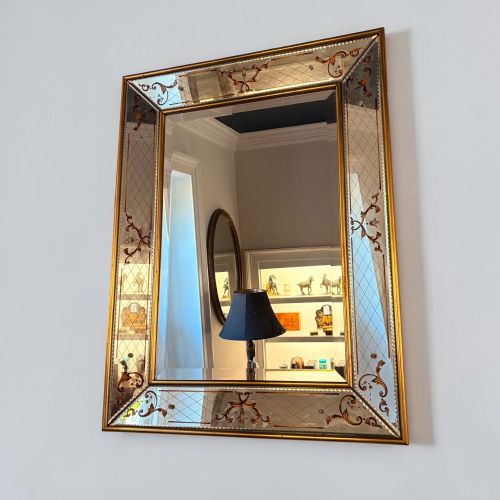
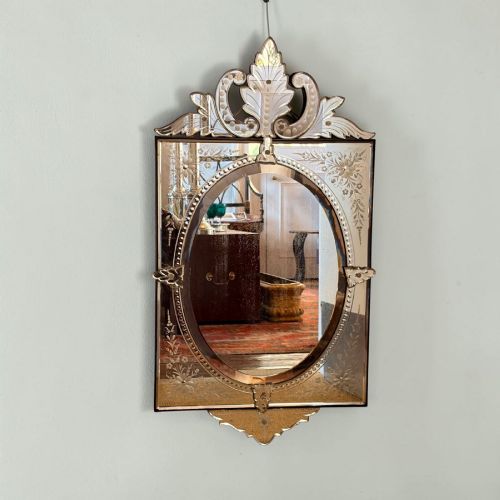
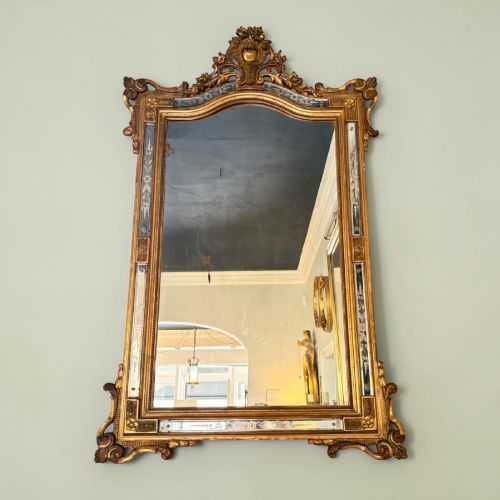
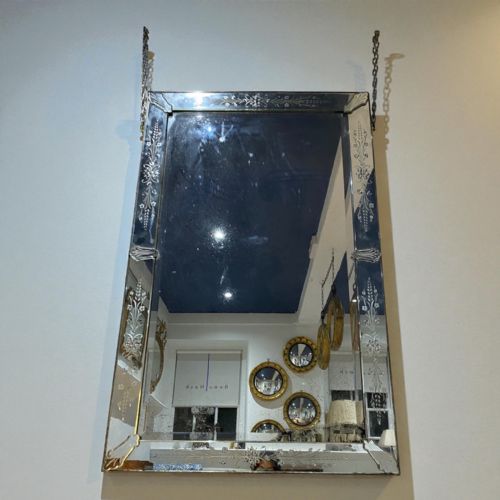
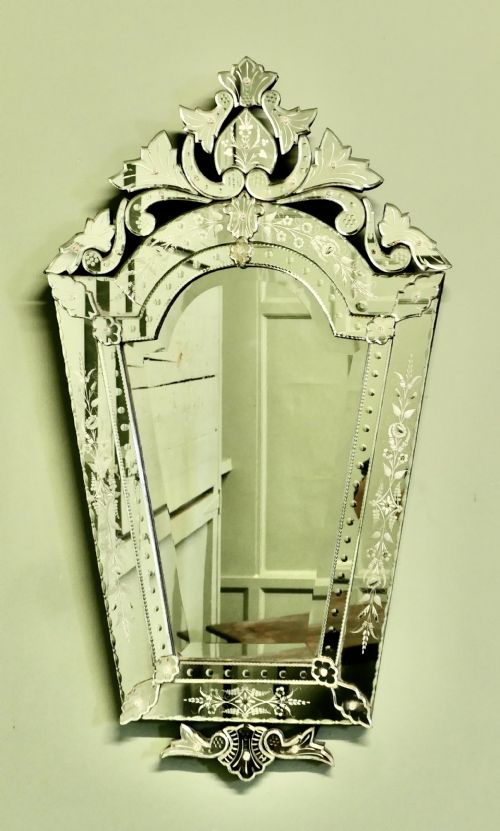
A venetian glass wall mirror brings distinct glasswork and reflective plates to interior spaces, drawing on traditions of Italian craftsmanship. The pieces available here span several distinct periods, most notably the nineteenth century, alongside examples from the eighteenth century, nineteen-twenties, and nineteen-thirties.
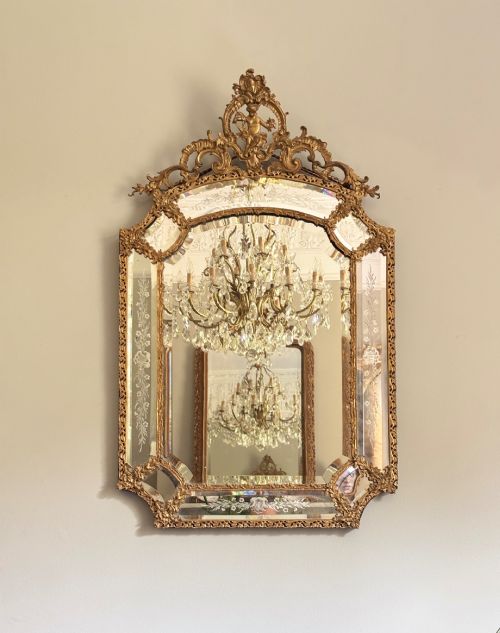
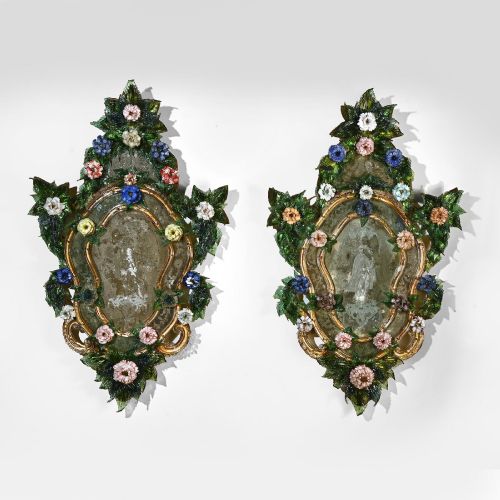
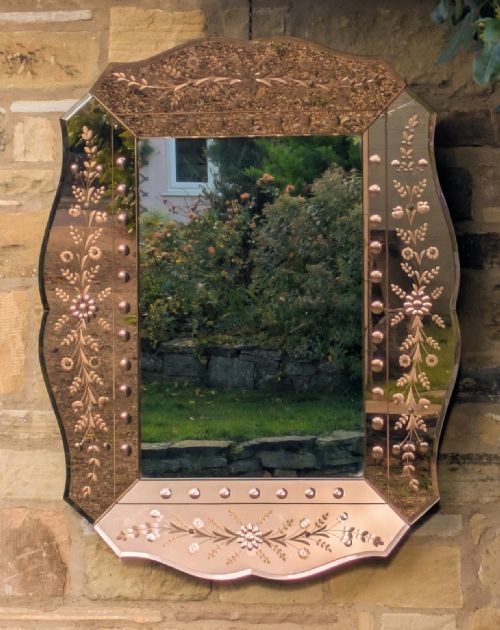
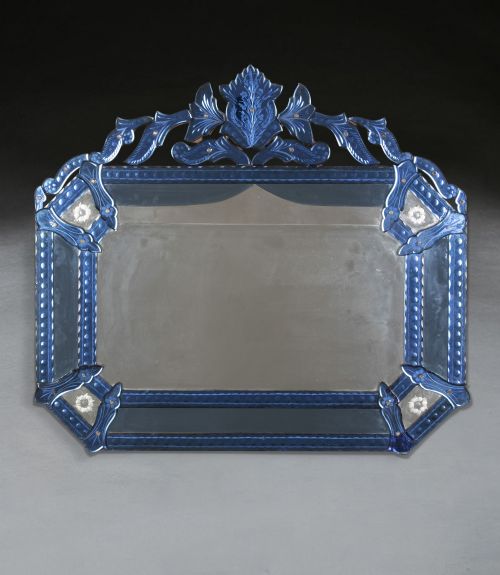
Buyers encounter various forms, ranging from large cushion mirrors and pier glasses to examples featuring margin edges, engraved plates, and coloured glass borders in shades like ruby red, peach, and cobalt blue. Styles frequently reference Venetian Rococo and French Rococo taste, alongside Art Deco and Victorian interpretations.
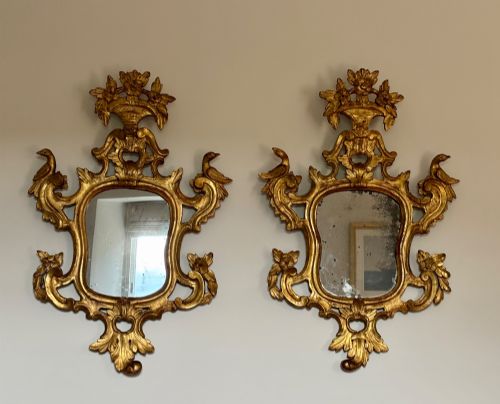
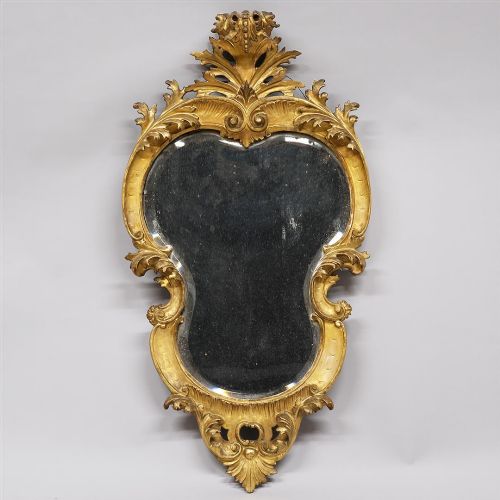
Many of these wall mirrors incorporate wooden or giltwood elements, often carved or painted to support the intricate glass frames. Pieces range from simple wall mirrors to pairs and grander scaled works originating from Italian workshops.
Materials and Construction Techniques
The construction of a venetian glass wall mirror relies on combining glass, mirror glass, and mirrored glass elements fixed upon wooden structures, gesso, and giltwood frames. Artisans utilise gold leaf and silver-leaf alongside hand-painted and polychrome finishes to adorn the supporting frames.
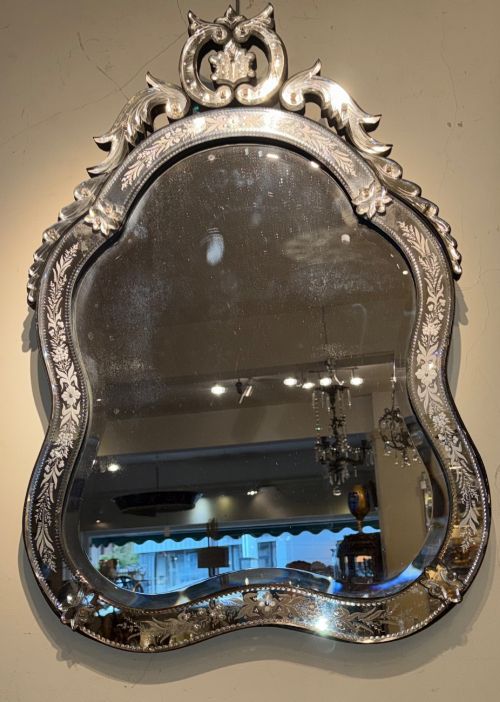
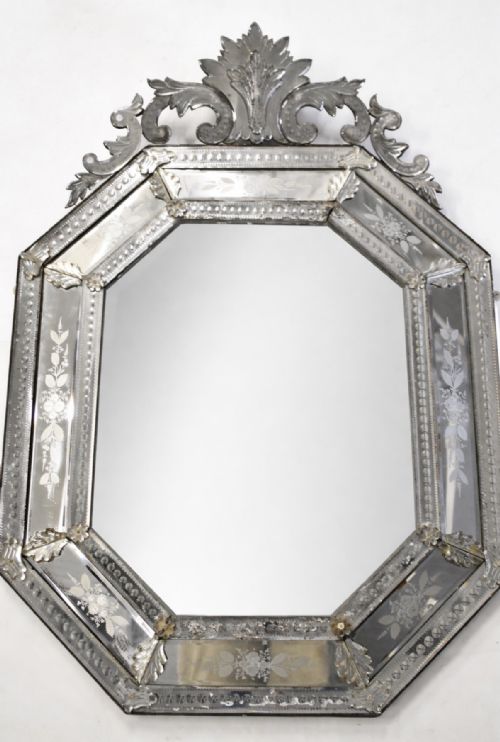
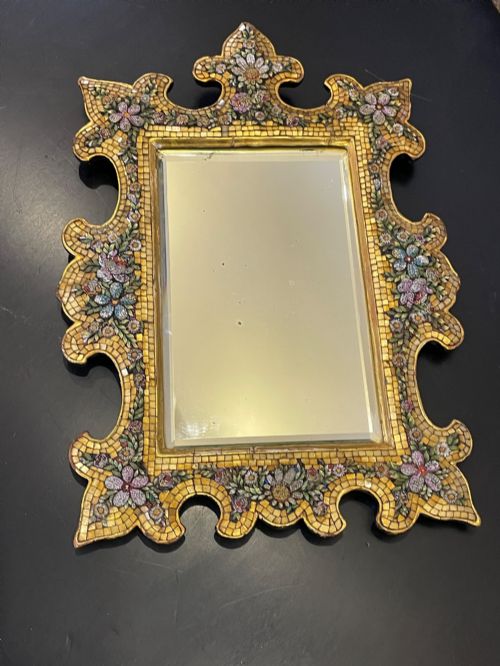
Makers cut, etch, and engrave the glass plates by hand, creating delicate floral and geometric motifs across the main mirror and surrounding margin panels. Coloured glass sections, including ruby red and cobalt blue borders, are integrated alongside eglomise panels and micro mosaic details.
Carved gilt-wood and ebonised wood components provide structural stability while enhancing the decorative programme. Foxed plates and bevelled edges frequently appear, demonstrating period manufacturing methods and ageing processes.
Venetian Glass Wall Mirror Retail Price Guide 2026
Typical asking prices for venetian glass wall mirror among the pieces listed under this phrase on Sellingantiques today, from the lower quarter to the upper quarter. They describe what is for sale here now, not the wider market.
One eighteenth-century Venetian mirror retains a very small, secretive blue glass margin that likely reflects a glassmaker's playful colour test.
Evaluating Quality and Execution
Quality in a venetian glass wall mirror rests upon the depth and precision of the hand-engraving and cutting on the glass plates. Finer examples display crisp, intricate motifs that show steady handwork rather than mechanical uniformity.
The complexity of the frame construction dictates the standard of the piece, particularly where carved giltwood, polychrome painting, or applied micro mosaic details are involved. Superior works integrate the glass elements seamlessly with the wooden armature, maintaining structural integrity across complex cushion profiles.
The richness of the materials, from genuine gold leaf and silver-leaf to uncommon coloured glass borders like cobalt or peach, separates standard items from exceptional ones. Preservation of the original glass plates and margins further elevates the standing of a mirror.
The Venetian Glass Wall Mirror Glossary
- Cushion mirror
- A mirror featuring a convex profile where glass panels are angled outwards from the centre towards the frame, creating multiple reflective planes. These pieces often maximise ambient light in smaller rooms.
- Eglomise
- A technique where gold or silver leaf is applied to the rear of glass and then etched or painted. It adds a lustrous, metallic backdrop to decorative panels.
- Margin mirror
- A mirror design where the central reflective plate is surrounded by smaller, separately framed glass borders, frequently etched with floral or geometric patterns. These borders enhance the visual complexity of the piece.
- Gesso
- A plaster-like mixture applied to wooden frames as a smooth base for gilding or painting. It allows craftsmen to carve fine relief details before applying gold leaf.
- Foxing
- The natural ageing process in antique mirrors where the silver backing oxidises, producing dark spots and a characteristic mottled patina. Collectors value this as evidence of age.
- Pier glass
- A tall, narrow mirror designed specifically to hang on the wall space between windows. These pieces often feature decorative painted or carved frames.
Venetian Glass Wall Mirror: Frequently Asked Questions
How do I hang a heavy antique mirror safely?
These wall mirrors require professional assessment of the wall structure and appropriate weight-bearing fixings to support the wooden and glass frames safely.
Consult a specialist art handler to ensure the weight is distributed evenly across secure wall studs rather than relying on standard picture hooks.
What is eglomise glass?
Eglomise is a decorative technique involving the application of gold or silver leaf to the reverse side of a glass panel. Artisans then etch or paint designs onto the metal leaf to create shimmering, layered panels.
This method appears frequently in nineteenth-century and early twentieth-century decorative pieces to add depth and texture.
How should I clean my antique Venetian mirror?
Dust the frame and glass gently with a dry, soft cloth, avoiding commercial chemical cleaners that can damage silvering or painted surfaces. Moisture must be kept away from the wooden backing and edges.
For stubborn marks on the glass, use a barely damp cloth with mild soap, drying the area immediately afterwards.
How do I identify a reproduction from an antique?
Examine the glass plates for hand-cut inconsistencies, edge bevels, and natural foxing patterns that indicate age rather than modern manufacturing. The timber construction behind the frame should show appropriate tool marks and period fastenings.
Checking the quality of the giltwood, gesso, and engraving helps determine whether the piece belongs to the eighteenth, nineteenth, or early twentieth century.