



Venetian Glass Lighting
Venetian glass lighting brings warmth and colour into a room through hand-blown forms that capture light in ways plain glass never manages.
Venetian Glass Lighting
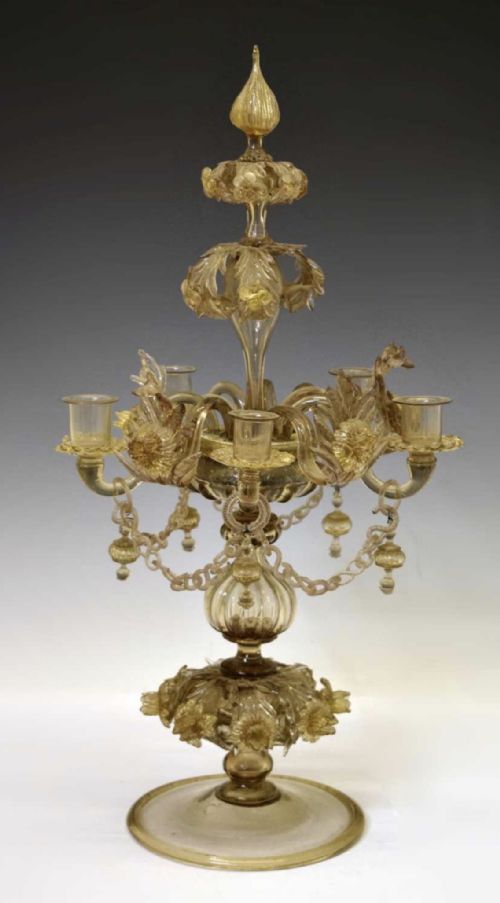
Venetian glass lighting encompasses delicate chandeliers, table lamps, candelabras and pendant lights originating from Italy. These fixtures span periods from the Victorian era and the nineteenth century through to the 1910s, 1920s and 1930s. Buyers searching this phrase seek the distinct artistry of Murano production.
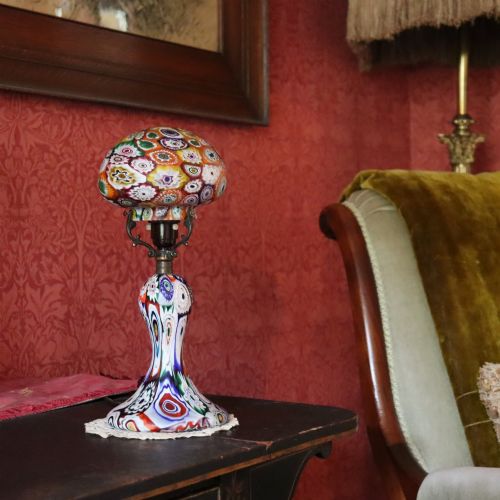
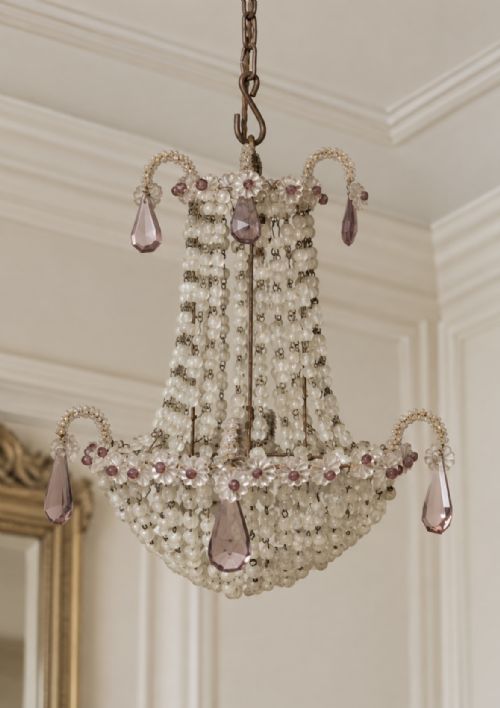
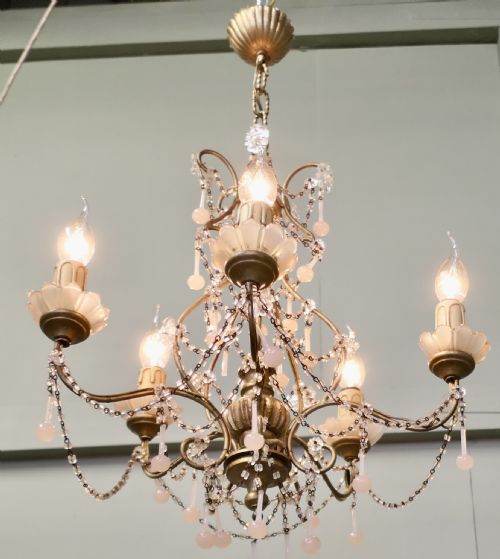
The most common examples on this page are chandeliers featuring multiple branches, often styled in traditional Italian Venetian or Art Deco designs. Figural galleon chandeliers and purple or pink glass configurations appear alongside millefiori and beaded creations. Smaller table lamps and caged pendants also represent the category.
Makers such as Fratelli Toso emerge among the attributed pieces from the early twentieth century. Forms range from simple five and six branch fixtures up to large twelve branch statement pieces. Each item carries the characteristic handle of Italian craftsmanship across diverse historical periods.
Materials and methods
Makers relied on blown glass, crystal, Murano glass, millefiori glass and beaded glass to build these fixtures. Metal and brass provided the internal frames and structural support necessary to secure the glass branches and pendants. Artisans manipulated molten material by hand to achieve organic curves and complex shapes.
Techniques included fusing multi-coloured rods together to create intricate millefiori patterns seen in specific lamps. Glass blowers shaped delicate purple, pink and clear elements while hot, attaching them to metal armatures. Caged pendants utilised protective wirework or metal enclosures around blown glass vessels.
Venetian Glass Lighting Retail Price Guide 2026
Typical asking prices for venetian glass lighting among the pieces listed under this phrase on Sellingantiques today, from the lower quarter to the upper quarter. They describe what is for sale here now, not the wider market.
Listings feature periods spanning from Victorian and nineteenth-century designs to the 1930s, utilising blown glass, brass and millefiori.
Assessing quality
Quality rests in the complexity of the glasswork and the ambition of the form. A twelve branch chandelier or a detailed galleon design demands significantly more skill from the glassblower than a standard single-bulb pendant. The depth of colour and clarity of the Murano material distinguish superior examples.
Attribution to known workshops elevates certain pieces beyond standard production work. The precision of the assembly, particularly how securely the glass components attach to the metal or brass frames, separates masterworks from simpler domestic items.
Fratelli Toso
The Venetian Glass Lighting Glossary
- Millefiori
- A glasswork technique involving the production of glass canes with multicoloured patterns that appear when cut in cross-sections. This method creates dense floral mosaics within the glass body.
- Murano glass
- Glass manufactured on the Venetian island of Murano, renowned for centuries of traditional techniques. Artisans here developed distinct methods for colouring and shaping blown glass.
- Candelabra
- A branched candlestick or light fitting designed to hold multiple candles or bulbs. These fixtures often feature elaborate arms spreading outwards from a central stem.
- Pendant light
- A solitary light fixture that hangs from the ceiling by a cord, chain or metal rod. Caged versions enclose the glass shade within a protective metal network.
- Chandelier
- A branched ornamental light fixture suspended from the ceiling. Venetian versions typically support numerous curved glass arms and decorative pendants.
Venetian Glass Lighting: Frequently Asked Questions
What periods do these lights come from?
The selection includes pieces spanning the Victorian era and the nineteenth century, alongside twentieth-century examples from the 1910s, 1920s and 1930s. Art Deco and Mid-Century Italian influences also appear.
Specific dates on listings reflect the stylistic traits and manufacturing periods recorded by dealers. Earlier nineteenth-century designs sit alongside robust 1930s production.
How do I hang a large chandelier?
Large chandeliers require substantial ceiling support due to the combined weight of glass branches, metal frames and crystal pendants. Professional installation ensures the fixture hangs securely from a joist or ceiling rose.
Electrical wiring must be adapted to meet modern safety standards while preserving the original metal components. Qualified electricians familiar with antique fixtures should handle the hanging process.
What is Murano glass?
Murano glass is produced on the Venetian island of Murano, which has served as the centre of Italian glassmaking for centuries. Artisans there pass down specialised blowing and colouring techniques through generations.
Pieces originating from this island often display distinctive colour saturation and intricate cane work. This heritage distinguishes Venetian lighting from standard European glass production.
How do I clean Venetian glass lighting?
Cleaning requires removing dust with a soft, dry cloth or a feather duster before applying any liquid. Delicate glass arms and beaded strands demand gentle handling to prevent accidental breakage.
Avoid harsh chemical cleaners that might damage historical metal or brass frames. Mild soap and water applied sparingly work best for stubborn dirt on glass surfaces.