



Venetian Cabinet
A venetian cabinet brings painted romance and rich walnut into a room, offering both display space and practical storage.
Venetian Cabinet
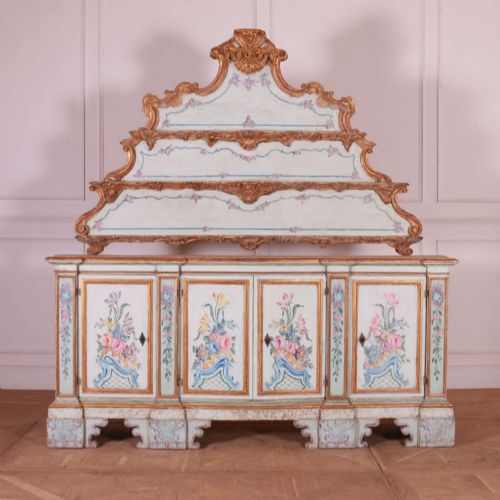
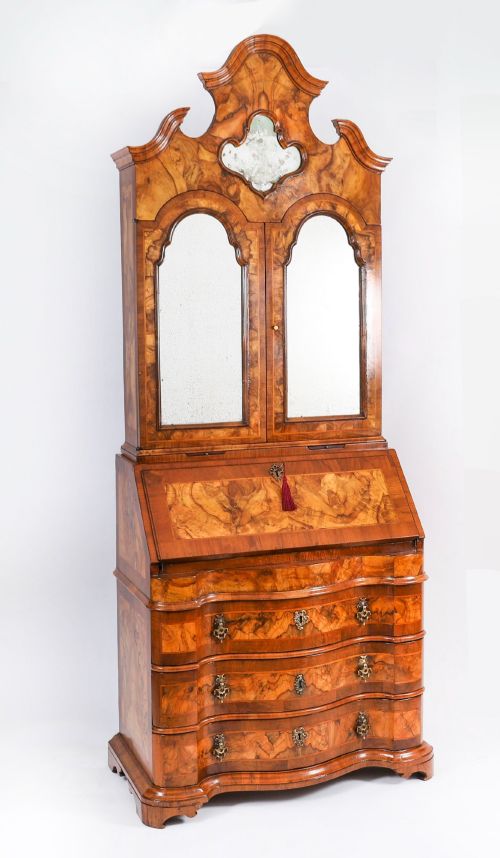
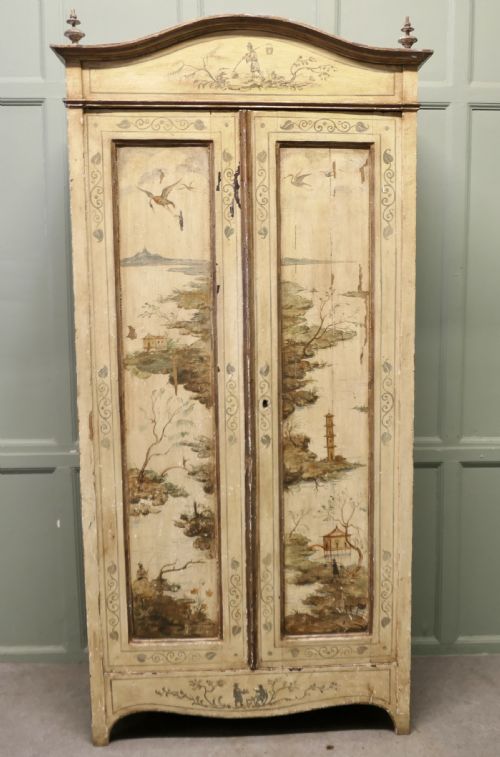
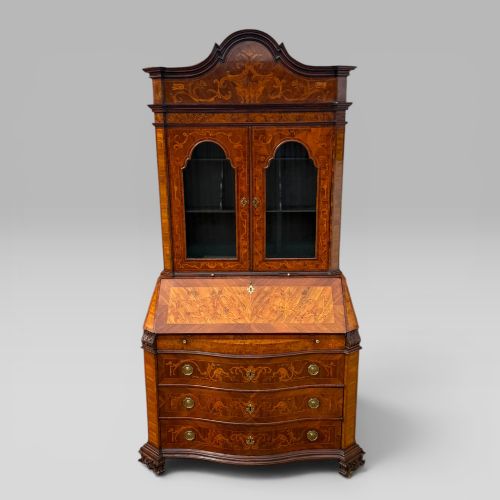
When you search for a venetian cabinet, you encounter a varied group of furniture including bureau bookcases, sideboards, side cabinets, and cupboards. These pieces originate primarily from the eighteenth and nineteenth centuries, reflecting distinct periods of Italian craftsmanship.
Makers and designers referenced in these listings include firms such as Pauly et Cie, connecting individual pieces to established stylistic traditions of the later nineteenth century. Alongside these, numerous pieces reflect the enduring influence of Venetian Rococo and Chinoiserie aesthetics.
How they were made
Makers utilised solid timbers and veneers such as walnut, burr walnut, and tulipwood, often constructing structural frames with dovetail joints and panelled doors. Marquetry details added decorative complexity to bureau bookcases through contrasting wood selections.
Surface decoration frequently involved intricate paintwork, lacquer work, and giltwood finishes, depicting outdoor scenes and floral motifs. Metal fittings in brass complemented the painted wood and polished timber surfaces.
Venetian Cabinet Retail Price Guide 2026
Typical asking prices for venetian cabinet among the pieces listed under this phrase on Sellingantiques today, from the lower quarter to the upper quarter. They describe what is for sale here now, not the wider market.
Travelling bureaux allowed eighteenth-century owners to take their paperwork on the road, proving that desk jobs predate modern commuting.
What varies in quality
The distinction between ordinary and exceptional pieces lies in the finesse of the painted decoration and the selection of timber veneers. Finely figured burr walnut and delicate, hand-painted Chinoiserie scenes elevate a bureau bookcase or side cabinet significantly.
Structural integrity and the retention of original surfaces govern the standing of each piece. Cabinets that preserve their eighteenth-century painted finishes or patinated walnut without heavy intervention command greater appreciation among collectors.
Pauly et Cie
The Venetian Cabinet Glossary
- Bureau bookcase
- A dual-purpose furniture form featuring a sloping desk flap above or below shelving enclosed by doors. It combines writing functions with extensive display space.
- Burr walnut
- Timber taken from the warted growths on walnut trees, prized for its swirling, highly figured grain patterns. It was frequently used for veneering high-status eighteenth and nineteenth-century cabinets.
- Chinoiserie
- European interpretations of Chinese and East Asian artistic traditions, popular in furniture decoration during the eighteenth and nineteenth centuries. It typically involves painted or lacquered motifs of figures and landscapes.
- Giltwood
- Timber that has been coated with a thin layer of gold leaf or gilt powder. This technique was used to highlight carved details on mirrors, console tables, and decorative cupboards.
- Marquetry
- The art of applying small pieces of veneer to a structure to form decorative patterns and pictures. Makers used various coloured timbers to create intricate pictorial scenes on furniture surfaces.
Venetian Cabinet: Frequently Asked Questions
What is a venetian cabinet?
A venetian cabinet encompasses various storage and display forms originating from Venice, ranging from painted sideboards to walnut bureau bookcases.
These pieces often feature distinctive decorative treatments such as lacquer work, giltwood, or elaborate figural paintings.
How do I identify an eighteenth-century piece?
Eighteenth-century examples typically display construction methods consistent with the period, such as hand-cut dovetails and native timber usage like walnut.
Stylistic indicators include authentic Venetian Rococo carving and original painted surfaces that show natural age-related patination.
Where were these cabinets placed?
Historically, such furniture stood in the principal reception rooms and private chambers of grand Italian residences.
Bureau bookcases served studies and libraries, while sideboards and painted cupboards functioned in dining spaces and salons.
How should I care for painted wood?
Painted and lacquered surfaces require stable indoor humidity levels and protection from direct sunlight to prevent cracking or fading.
Dusting gently with a dry, soft cloth is sufficient for routine maintenance without the need for harsh polishes.