




Venetian Architectural Painting
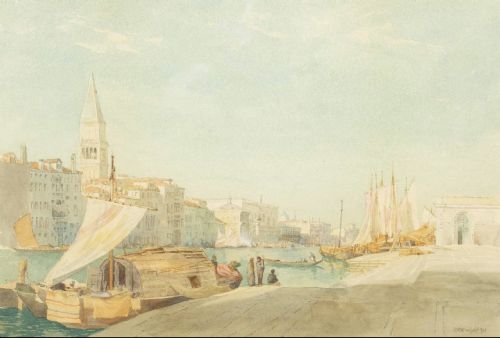
Venetian architectural painting captures the enduring appeal of the lagoon city through watercolours, oils and panels.
Venetian Architectural Painting
Venetian architectural painting encompasses depictions of the Grand Canal, bridges and palazzos across various periods.
The pieces on this page appear in watercolours, oil paintings and panels spanning the nineteenth and twentieth centuries.
Subjects frequently centre on specific landmarks such as the Bridge of Sighs and Santa Maria della Salute.
How they were made
Artists utilise oil paint and watercolour pigment applied to canvas, paper and wooden panels.
Mixed media and pastel and gouache paintings with ink pen drawings also record the city's built form.
Materials span paper, canvas, wood, oil paint, watercolour pigment and ink.
What varies in quality
The finesse of brushwork and the handling of light distinguish the execution across different hands.
Subtlety in capturing atmospheric depth separates accomplished works from simpler topographical records.
Thomas Ellison·Richard Henry Wright·Vittore Zanetti Zilla·Hercules Brabazon Brabazon·David Law·Emanuele Cappello·Wilfred Knox·Alfred Pollentine·John D. Walker·Helen Donald-Smith
The Venetian Architectural Painting Glossary
- Watercolour pigment
- A colourant ground with a water-soluble binder, used on paper to achieve translucent washes.
- Oil on canvas
- Pigment mixed with drying oil applied to a woven fabric support stretched over a wooden frame.
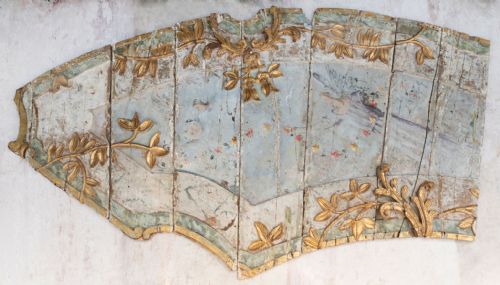
- Architectural panel
- A rigid wooden board or panel depicting buildings and structural elements.
- Gouache
- An opaque water-based medium that provides solid blocks of colour and dense highlights.
Venetian Architectural Painting: Frequently Asked Questions
What periods do these paintings date from?
The works span the nineteenth century through the Edwardian era and mid-twentieth century.
Dating relies on stylistic conventions and materials recorded in the evidence.
What subjects appear most often?
Depictions focus on the Grand Canal, the Bridge of Sighs and Santa Maria della Salute.
Venetian waterways and gondolas also recur frequently as primary subjects.
Which materials were used by artists?
Artists worked with oil paint, watercolour pigment, pastel, gouache and ink.
Supports include canvas, paper and wooden panels.
How do watercolours and oils differ?
Watercolours offer translucent washes on paper while oil paintings provide rich pigment on canvas.
Both techniques capture the specific light and architecture of Venice.