



Veneered Wood Furniture
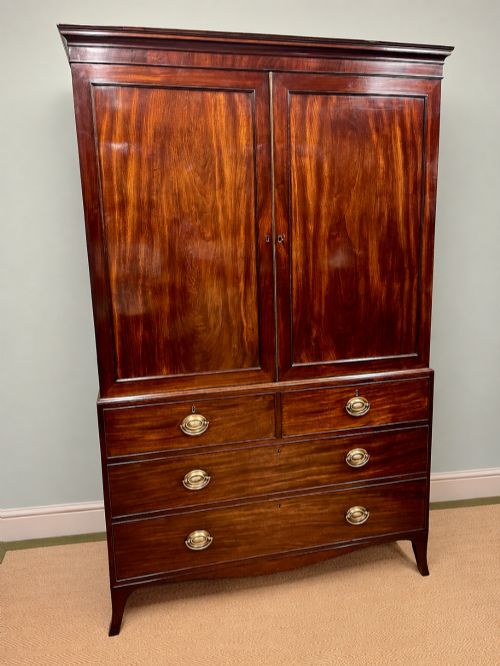
Veneered wood furniture brings together centuries of cabinet-making skill, using thin slices of figured timber over a stable carcase.
Veneered Wood Furniture
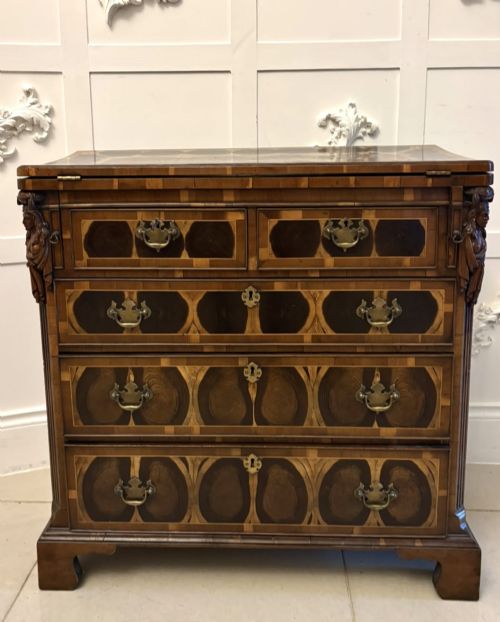
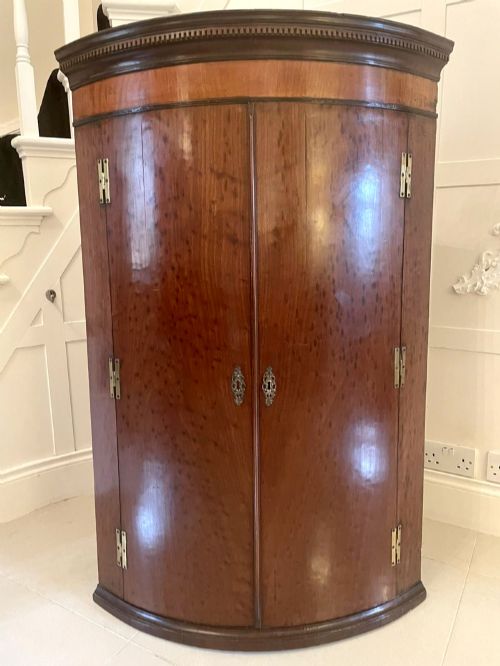
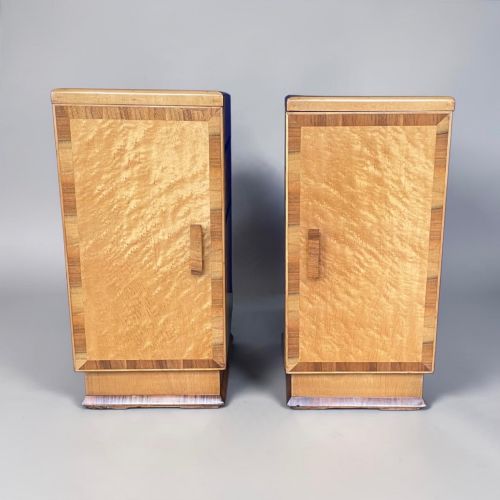
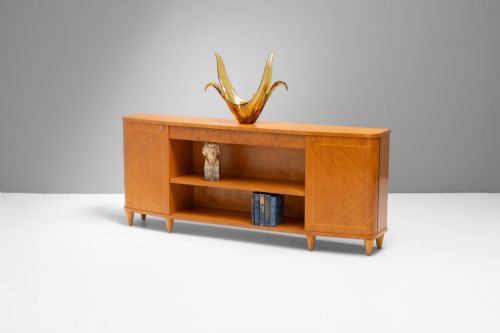
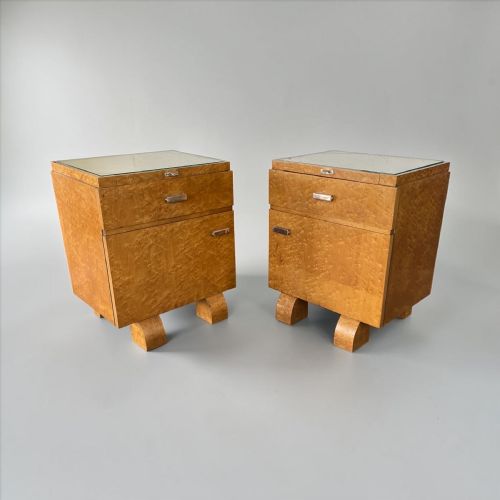
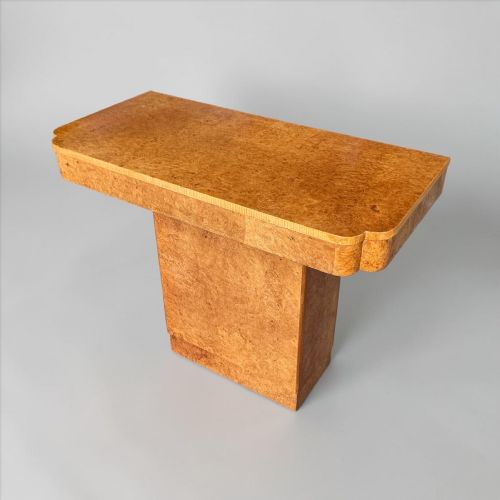
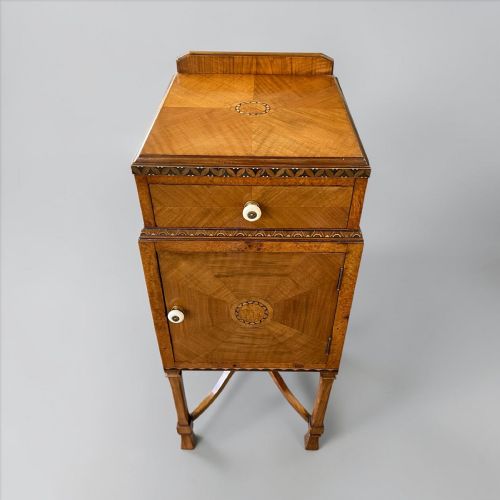
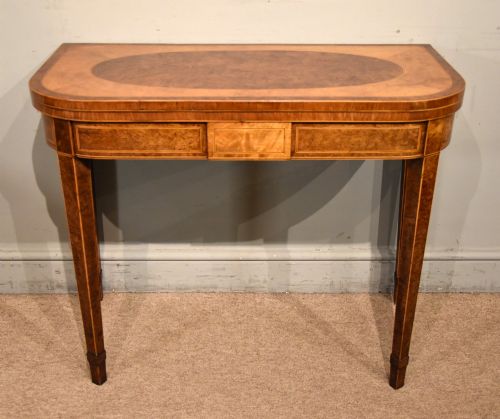
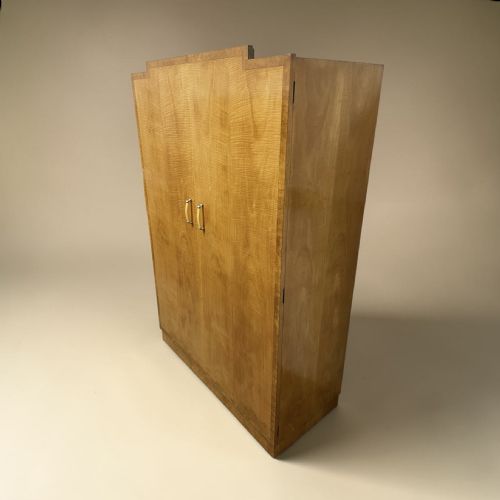
When you search for veneered wood furniture, you encounter pieces that showcase decorative grain patterns across surfaces like chests of drawers, tables, and cabinets. These items span periods from the seventeenth century through to the Art Deco era of the nineteen-thirties.
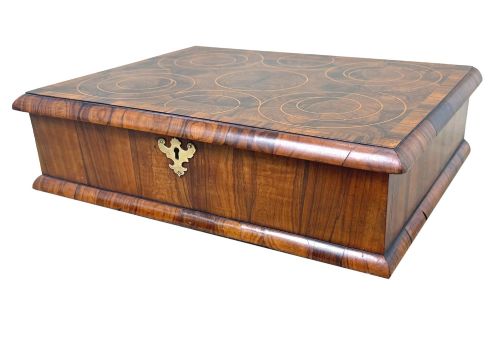
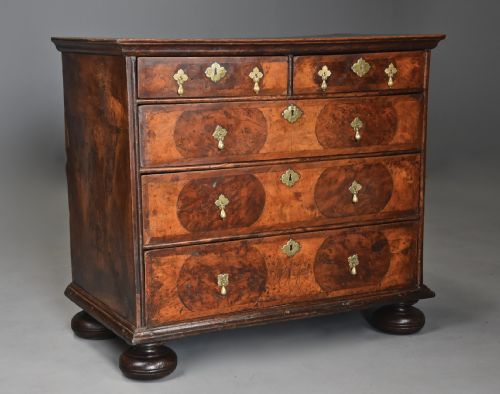
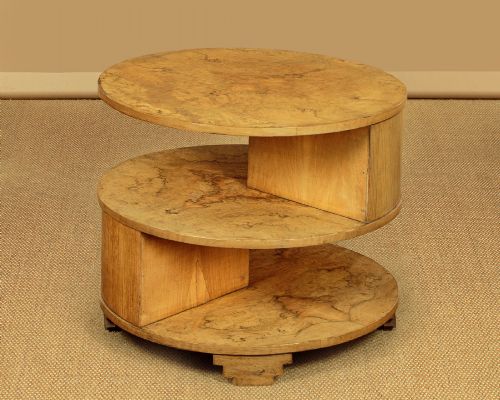
The selection ranges from early oyster-veneered surfaces in laburnum and walnut to twentieth-century blonde satinwood and birch creations. Formats include bedside tables, sideboards, desks, and occasional tables originating from British, Scandinavian, and continental workshops.
Materials and construction
Cabinet-makers applied thin timber slices, known as veneers, to a secondary wood carcase to display rich natural figures such as burr yew, plum pudding mahogany, and amboyna. Inlays of boxwood, holly, and ebony often added geometric or contrasting borders to the main panels.
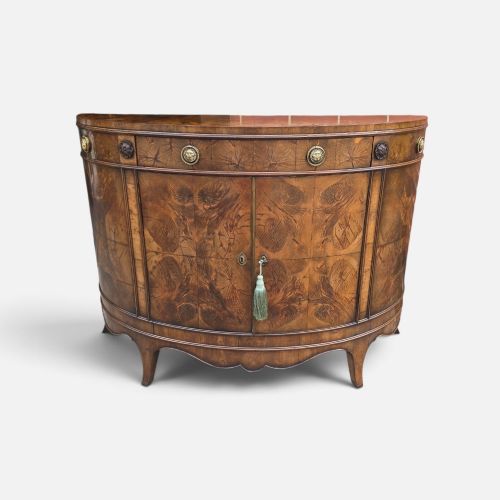
Makers utilised brass handles, glass doors, and marble tops to complement the timber surfaces. Oyster cutting sliced small branch wood transversely to produce concentric circular patterns, while parquetry arranged geometric wood blocks across tabletops and cabinet fronts.
Veneered Wood Furniture Retail Price Guide 2026
Typical asking prices for veneered wood furniture among the pieces listed under this phrase on Sellingantiques today, from the lower quarter to the upper quarter. They describe what is for sale here now, not the wider market.
Listings feature seventeen-thirties pieces alongside nineteen-thirties Art Deco designs, spanning walnut, mahogany, birch veneer, and brass.
Evaluating quality and execution
Quality rests on the selection of the timber veneer and the precision of its layout across the piece. Symmetrical matching of grain patterns requires considerable skill from the artisan.
The integrity of the underlying construction and the condition of the surface finish dictate the standing of an item. Superior examples maintain intact veneers with harmonious colouration and minimal disturbance over time.
Heal’S·Bowman Brothers·Hille
The Veneered Wood Furniture Glossary
- Veneer
- A thin layer of figured wood applied to a stable underlying carcase to provide a decorative surface. This technique allows makers to display striking grain patterns that solid timber planks cannot achieve.
- Oyster cutting
- A method of slicing small branches transversely to produce small, circular or oval pieces showing annual growth rings. These are arranged closely together to form complex patterns.
- Parquetry
- A geometric mosaic of wood pieces used for decorative surfaces on floors and furniture. Makers arrange contrasting timbers to create patterns such as cubes or chequers.
- Carcase
- The main structural body or frame of a piece of furniture before drawers, doors, and surface veneers are applied. It provides the stability and support for the outer decorative layers.
- Biedermeier
- A central European style spanning the nineteenth century characterised by utilitarian comfort and clean lines. It often highlights blonde domestic woods with minimal carving.
Veneered Wood Furniture: Frequently Asked Questions
How do I care for veneered surfaces?
Keep wooden items away from direct sunlight and excessive heat sources to prevent the thin timber layers from lifting or drying out. Dust regularly with a soft, dry cloth and avoid harsh chemical polishes.
Maintain a stable room humidity to protect both the surface veneer and the underlying carcase structure from expansion and contraction.
What is oyster veneering?
Oyster veneering involves slicing small branches or roots across the grain to produce small, circular discs with intricate growth rings. Artisans fit these pieces together closely to cover tabletops, boxes, and drawer fronts.
This technique gained popularity during the seventeenth century, particularly during the William and Mary period, using timbers like laburnum, olive, and walnut.
Are these pieces made of solid wood?
The main structure is usually built from a secondary timber carcase, which is then covered with thin slices of decorative veneer on the visible exterior surfaces. This method provides stability and prevents warping while displaying expensive or highly figured woods.
Examining the edges and interior helps reveal the underlying construction and the thickness of the applied timber layer.