





Veneered Coffee Table
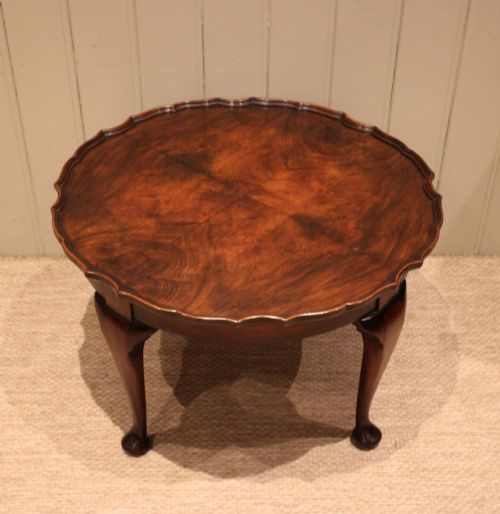
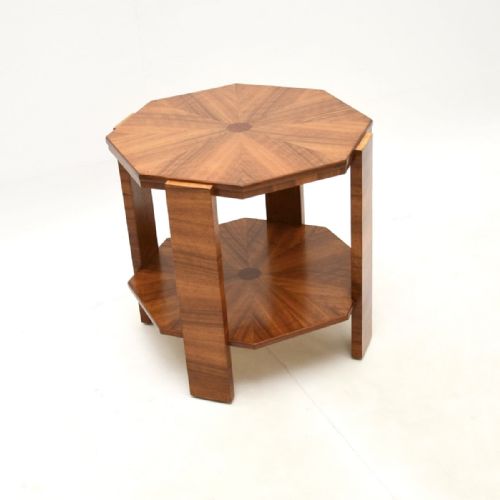
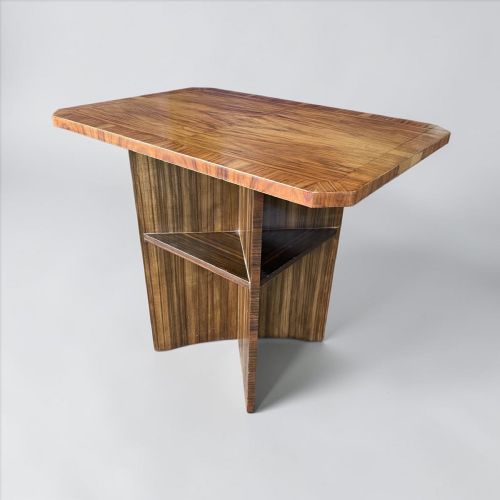
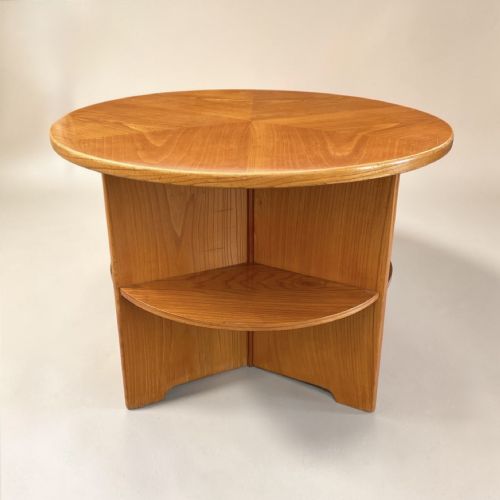
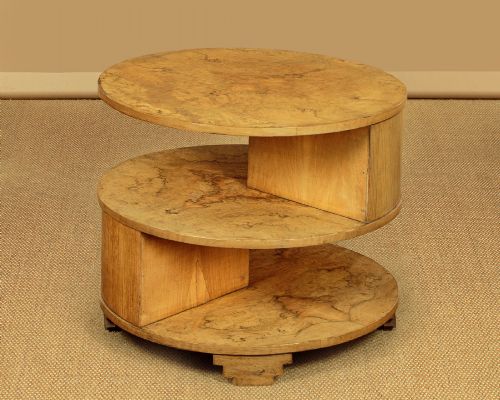
A veneered coffee table brings warmth and rich grain patterns into a room, dominated by Art Deco designs from the early decades of the twentieth century.
Veneered Coffee Table
A veneered coffee table is a low surface designed for sitting rooms, frequently appearing in forms like occasional tables, side tables, and centre tables. When you search for a veneered coffee table, you encounter pieces that span the nineteenth century through to the mid-twentieth century, though the early twentieth century dominates.
The Art Deco period supplies a large portion of these items, alongside revivals such as Georgian, French, and Biedermeier styles. Walnut forms the most common base for these surfaces, accompanied by diverse occasional tables and circular formats.
Makers utilised various secondary timbers and structural woods beneath the decorative layers, resulting in sturdy items with distinct historical character. The overall shape ranges from simple circular tops to elaborate two-tier arrangements.
How they were made
Cabinet makers applied thin slices of decorative timber over stable secondary woods to create complex grain patterns without warping the structure. Walnut, burr walnut, birch, maple, and rosewood serve as the primary visible surfaces on these pieces.
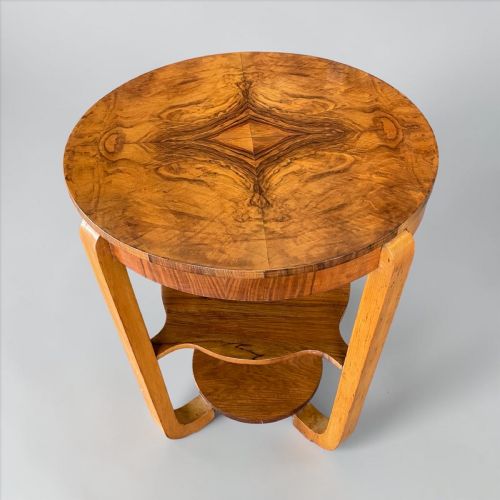
Selected sections like oyster veneer, burr elm, and alder root required careful sawing and placement to achieve symmetrical or striking visual effects across the tabletop. Brass fittings occasionally appear as structural or decorative accents on specific revivals and Deco designs.
Veneered Coffee Table Retail Price Guide 2026
Typical asking prices for veneered coffee table among the pieces listed under this phrase on Sellingantiques today, from the lower quarter to the upper quarter. They describe what is for sale here now, not the wider market.
Materials recorded span from traditional mahogany and alder root to specialised Scandinavian birch and elm.
What varies in quality
The distinction between standard items and exceptional pieces rests upon the complexity and figuring of the timber veneers used. Highly figured burr walnut, birds eye maple, and satin birch require superior selection and matching by the cabinet maker.
Construction methods also separate ordinary tables from finer examples, particularly where multi-tier designs or marquetry work demand precise joinery. The thickness and stability of the applied wood layer dictate longevity and visual depth.
The Veneered Coffee Table Glossary
- Veneer
- A thin layer of superior wood adhered to a base surface to provide decorative grain patterns. This technique allows makers to utilise striking timbers economically while maintaining structural stability.
- Burr walnut
- A growth deformity in walnut trees that produces complex, swirling grain patterns highly prized in cabinet making. It appears frequently on Art Deco tables.
- Marquetry
- The art of applying pieces of veneer to a structure to form decorative patterns and pictures. French revival pieces often display this detailed craft.
- Oyster veneer
- Circular pieces of wood cut transversely from small branches to create distinctive concentric rings. This method creates a characteristic patterned surface across the top.
- Two-tier
- A furniture design incorporating an upper surface and a lower shelf supported by legs. This configuration provides extra storage space on occasional tables.
Veneered Coffee Table: Frequently Asked Questions
How do I clean a veneered surface?
Dust regularly with a soft, dry cloth to prevent dirt buildup on the delicate grain. Avoid excess moisture and harsh chemical sprays that might penetrate the surface layers.
Apply a suitable natural wax periodically to nourish the wood and maintain its subtle sheen. Gentle care preserves the historical integrity of the timber over decades of daily use.
What periods do these tables represent?
The selection spans from the nineteenth century through the Edwardian era and into the mid-twentieth century. Art Deco examples from the interwar years form a substantial portion of the available designs.
Revival styles such as Georgian, Biedermeier, and French aesthetics also appear frequently. Each era brings distinct proportions and specific decorative wood choices to the domestic interior.
Where should I place a low table?
Position the piece centrally in a seating area to serve as a practical surface for daily items. It functions well adjacent to sofas or armchairs within a living room.
Ensure adequate clearance around the edges to maintain room flow and highlight the timber grain. Smaller occasional versions also suit corners or hallways as lamp tables.
Are these pieces solid wood?
Most examples utilise a stable secondary hardwood base beneath a decorative outer layer of fine timber. This construction method prevents warping while displaying expensive grain patterns.
Appreciating the distinction between the core structure and the surface veneer helps understand historical furniture production methods. Different woods provide both the necessary strength and the desired visual appearance.