

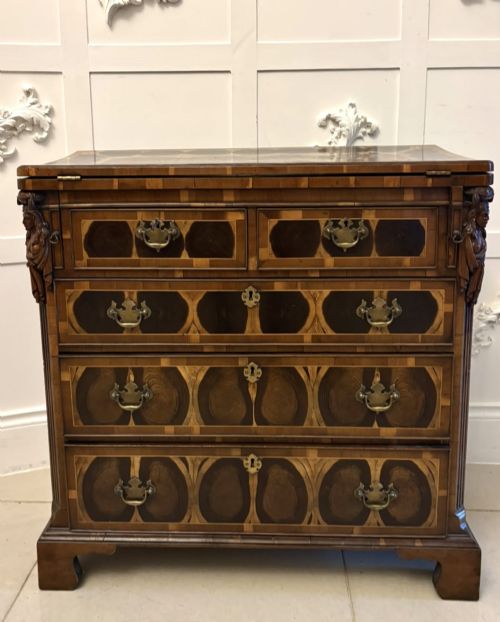
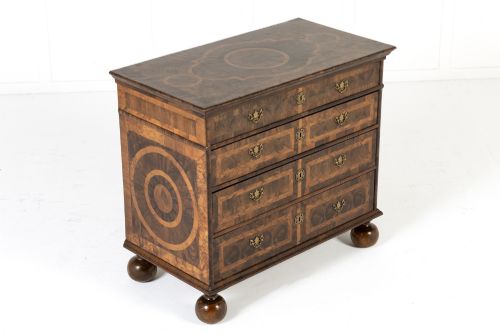
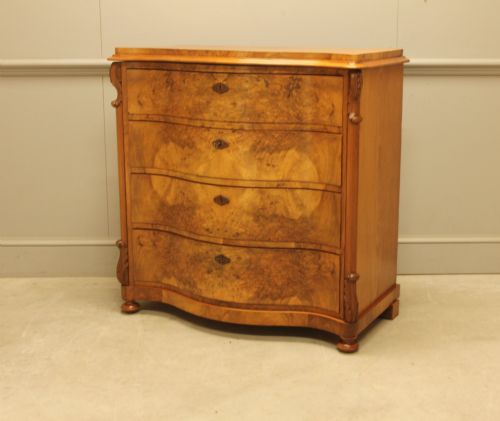
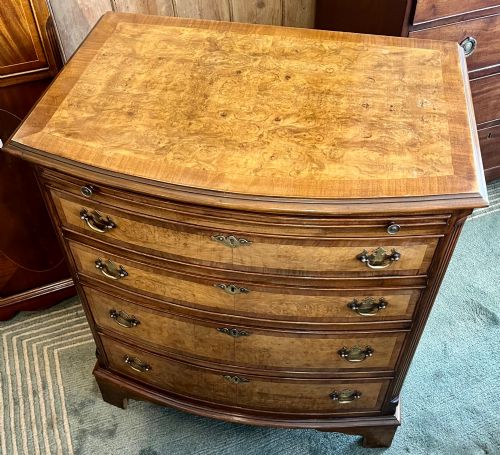
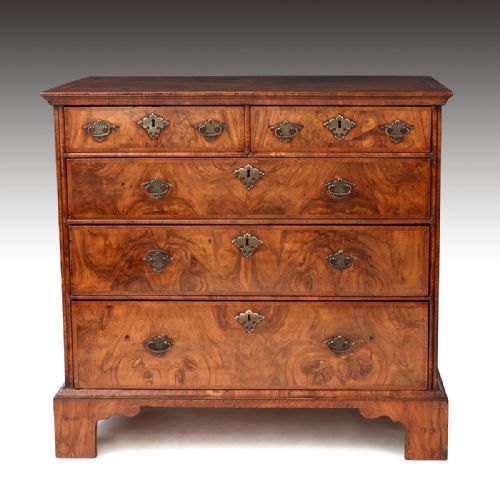
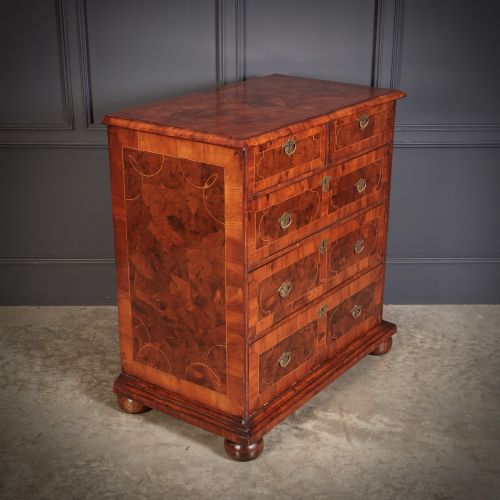
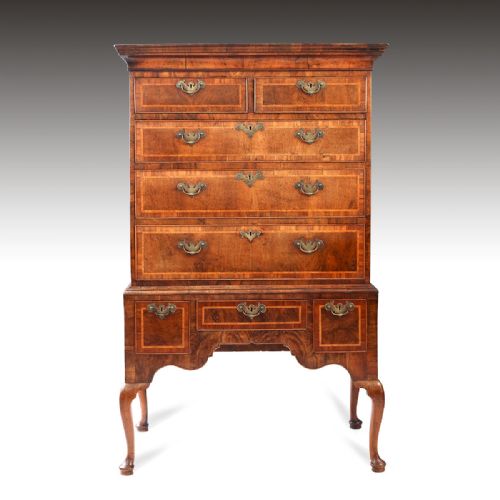
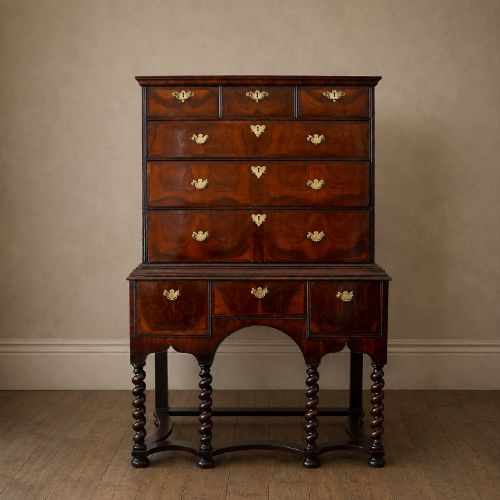

Veneered Chest of Drawers
When you select a veneered chest of drawers, you invite a masterwork of timber craft into your room.
Veneered Chest of Drawers
A veneered chest of drawers provides essential storage while displaying intricate timber surfaces across seventeenth-century, eighteenth-century, and nineteenth-century forms.
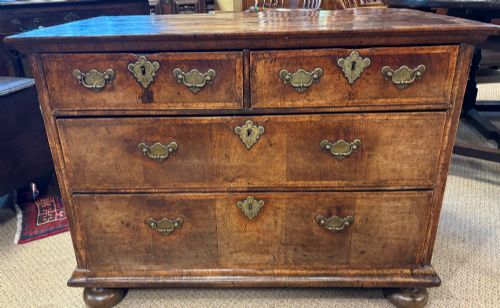
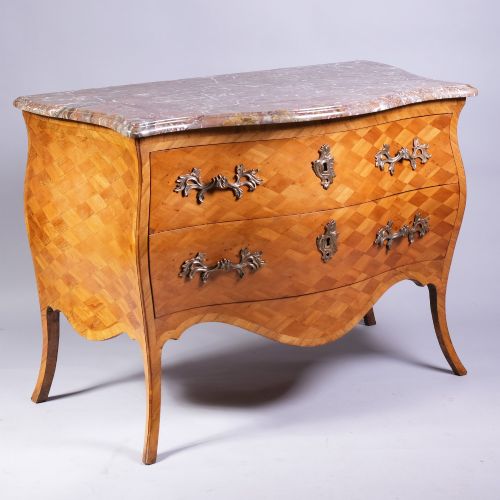
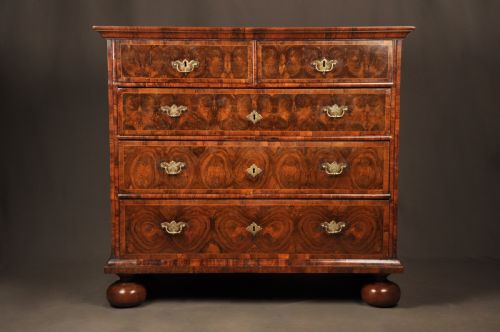
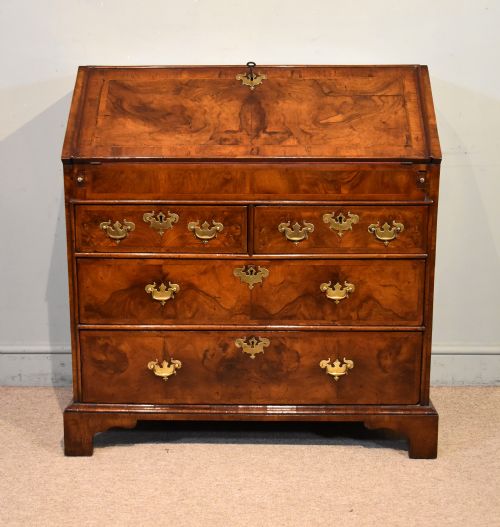
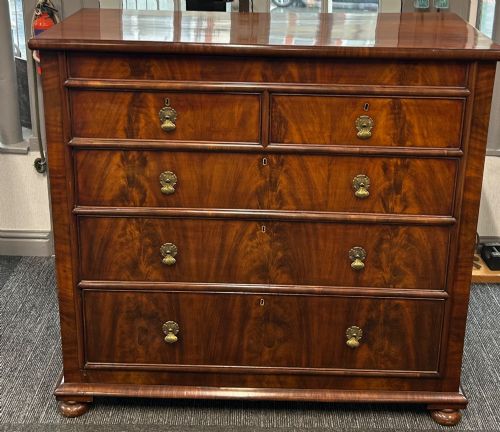
The versions met most often on this page range from early walnut and laburnum oyster pieces on stands to later mahogany and burr walnut commodes.
Cabinet makers utilised these decorative veneers to transform standard storage into focal points of domestic architecture.
How they were made
Craftsmen applied thin slices of decorative timber like walnut, laburnum, yew, and flame mahogany onto stable secondary woods such as oak and pine.
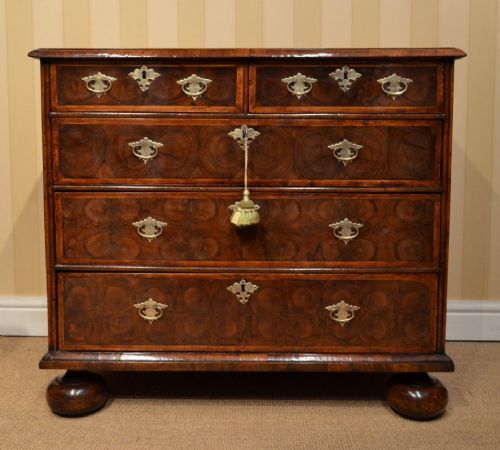
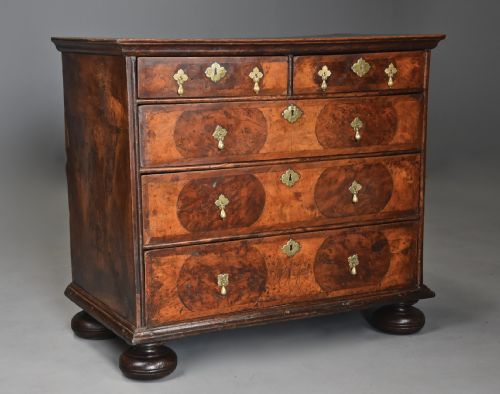
Circular cross-sections of branches created distinctive oyster patterns, while other surfaces employed bookmatched or quarter-veneered panels secured with animal glues.
Brass handles and escutcheons completed the construction, providing functional contrast to the figured wood surfaces.
Veneered Chest of Drawers Retail Price Guide 2026
Typical asking prices for veneered chest of drawers among the pieces listed under this phrase on Sellingantiques today, from the lower quarter to the upper quarter. They describe what is for sale here now, not the wider market.
Branch timber sliced like carrots creates the mesmerizing concentric circles known as oyster veneer.
What varies in quality
The tier of a piece depends on the choice of timber and the precision of the veneer matching across the drawer fronts and top.
Master craftsmen aligned grain patterns symmetrically to create coherent visual movement, whereas lesser examples display disjointed timber selection.
The survival of original surfaces and patination elevates an example far above one with heavily restored or replaced sections.
The Veneered Chest of Drawers Glossary
- Veneer
- A thin layer of figured wood applied to a structural carcass. This technique allowed cabinet makers to display expensive timbers economically.
- Oyster veneer
- Circular sections sliced transversely from small branches or roots. These cross-cuts produce concentric rings resembling oyster shells.
- Cross-banding
- A narrow strip of veneer laid perpendicular to the main grain. This technique frames drawer fronts and tabletops.
- Commode
- A low cabinet with drawers or doors originating in France. Nineteenth-century examples frequently feature marble tops.
- Chest on stand
- A form where a drawer section rests upon an elevated base with legs. Early eighteenth-century walnut examples often use this configuration.
Veneered Chest of Drawers: Frequently Asked Questions
How do I date a walnut chest?
Examine the drawer construction, timber selection, and overall proportions of the piece. Seventeenth and early eighteenth-century examples frequently employ oyster veneers on oak carcasses.
Later Victorian and Edwardian pieces show different interior construction methods and softer secondary woods like pine. Comparing the hardware and foot style also helps determine the correct period.
Where should I place a commode?
A marble-topped commode functions effectively in a bedroom or hallway as a surface for lamps and decorative objects. Nineteenth-century French pieces bring height and proportion to living spaces.
Ensure the piece sits away from direct heat sources to protect the delicate timber veneers from drying out.
How do I care for antique veneer?
Maintain stable humidity levels in the room to prevent the veneer from lifting or cracking. Apply a microcrystalline wax periodically to nourish the historic timber surface.
Avoid placing wet items directly onto the wood or marble tops to prevent water rings and staining.