






Valley Landscape Art
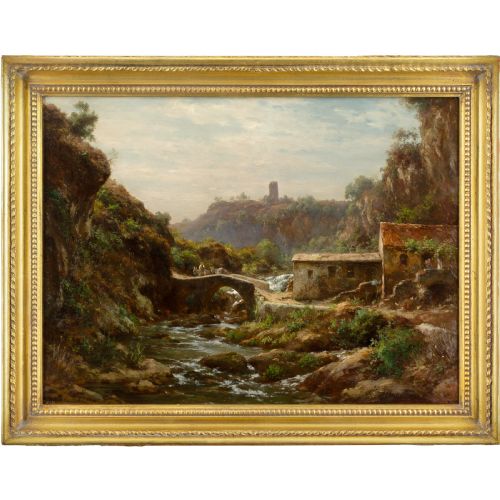
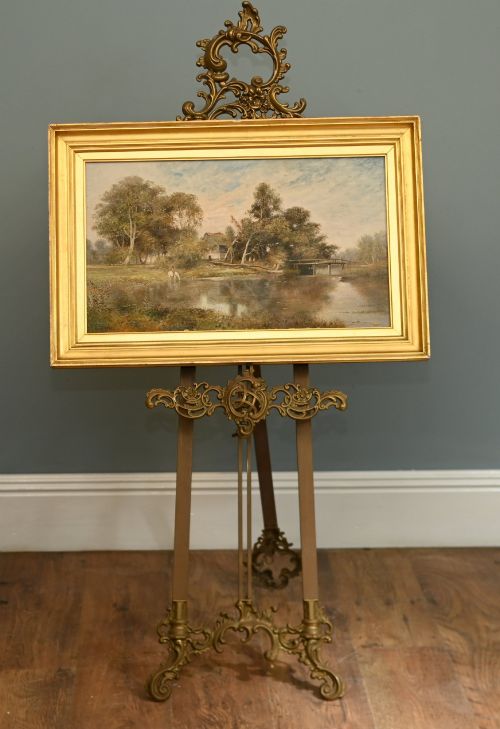
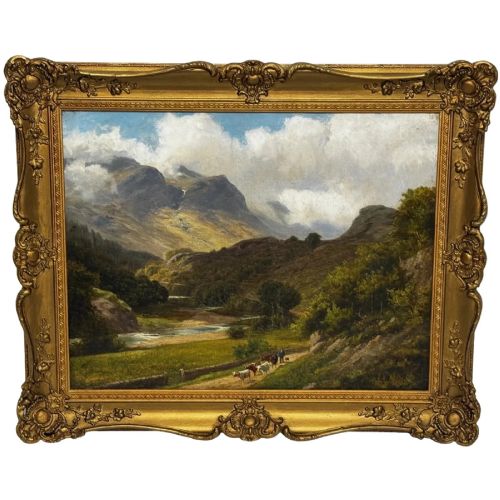
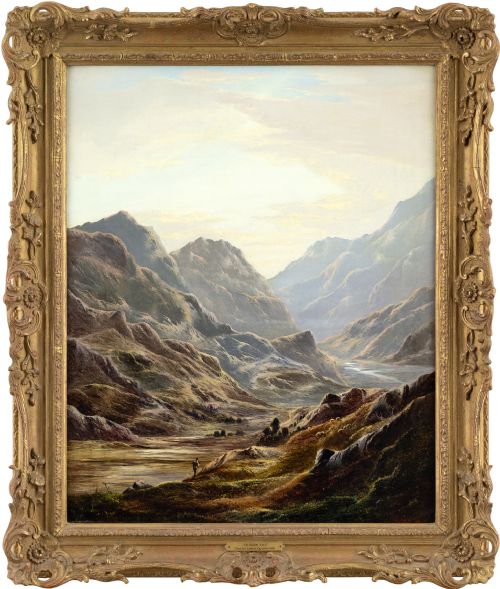
Valley landscape art captures river valleys and mountain glens in oil and watercolour from the nineteenth and early twentieth centuries.
Valley Landscape Art
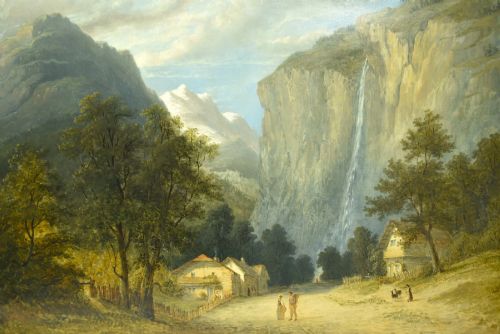
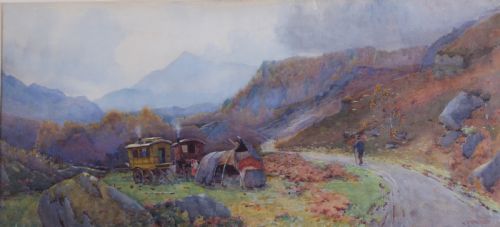
Valley landscape art encompasses oil paintings and watercolours depicting pastoral scenes, river valleys, and mountain passes. Buyers seeking this phrase encounter depictions of Thames views, Welsh valleys, and Yorkshire dales.
The selections span the nineteenth century, the Victorian period, and early twentieth-century British movements. Pieces originate from named artists and studio painters working in oil on canvas, oil on wood panel, and watercolour on paper.
Materials and methods
Artists painted on canvas, prepared wood panels, and heavyweight paper supports. Pigments were worked in oil and watercolour, sometimes finished with a protective layer of varnish.
Framing often utilised gilt wood moulding to complement the composition. Works were executed both in the studio from preliminary sketches and plein air on location.
Valley Landscape Art Retail Price Guide 2026
Typical asking prices for valley landscape art among the pieces listed under this phrase on Sellingantiques today, from the lower quarter to the upper quarter. They describe what is for sale here now, not the wider market.
Geese frequently inhabit the foregrounds of these quiet river scenes, supervising the artists from the water.
Distinctions in quality
Quality rests in the handling of light, atmospheric perspective, and topographical accuracy. Stronger works demonstrate confident brushwork and balanced composition within the valley setting.
Condition of the pigment and the paper or canvas surface influences overall integrity. Intact original frames and clear signatures from recorded painters elevate individual examples.
Alfred Young Nutt·Charles Leslie·William Mellor·Harold Lawes·Reginald Grange Brundrit·Ernest Higgins Rigg
The Valley Landscape Art Glossary
- Oil paint
- A slow-drying medium made by combining pigments with oils such as linseed. It allows for rich colour saturation and textured impasto application.
- Watercolour
- A paint consisting of water-soluble pigments suspended in a gum arabic binder. Applied in translucent washes to paper supports.
- Plein air
- The practice of painting outdoors directly from the subject. This method captures transient effects of natural light and weather.
- Gilt
- A thin layer of gold leaf applied to wood or gesso frames. It provides a decorative metallic finish characteristic of period framing.
Valley Landscape Art: Frequently Asked Questions
What periods do these paintings date from?
The available works span the nineteenth century through to the 1930s. This includes Victorian productions and early twentieth-century British pieces.
Datings derive from artist active years and stylistic markers recorded in the titles.
Which materials were used for these artworks?
Painters employed oil on canvas, oil on wood panels, and watercolours on paper. Gilt frames frequently accompany the canvases.
Supports reflect the standard studio and plein air practices of the period.
Where do the landscape scenes typically originate?
Compositions depict British locations including Welsh valleys, Yorkshire dales, and the Thames Valley. European scenes from Switzerland and France also appear.
Artists recorded specific regional topography with varying degrees of topographical detail.
How should I display a vintage painting?
Position paintings away from direct sunlight and excessive humidity to protect the pigment and canvas or paper. Maintain stable indoor temperatures.
Ensure wall fixings securely support the weight of the frame and backing.