

Uzbekistan
These pieces from uzbekistan are historic textiles and wall hangings reflecting rich Central Asian traditions.
Uzbekistan
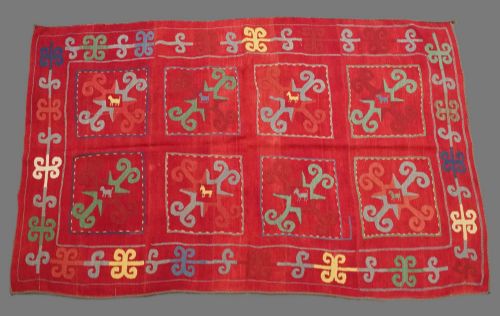
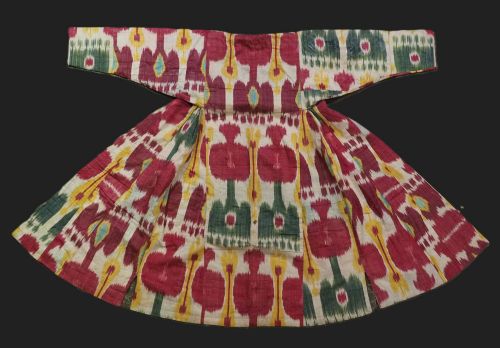
When you examine pieces associated with uzbekistan, you encounter textiles and wall hangings originating from Central Asia. These items span from the mid nineteenth century into the early twentieth century.
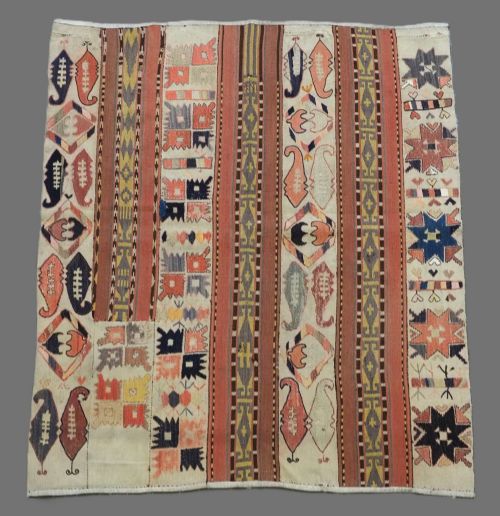
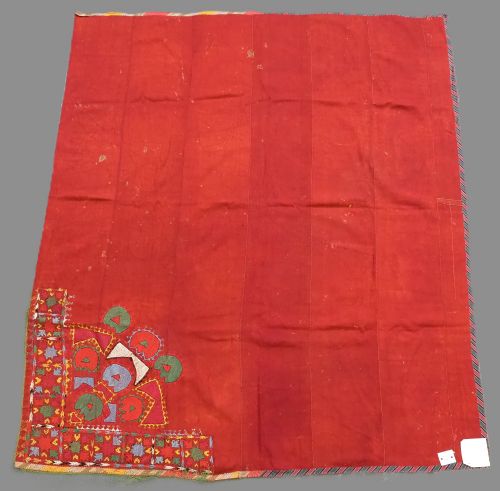
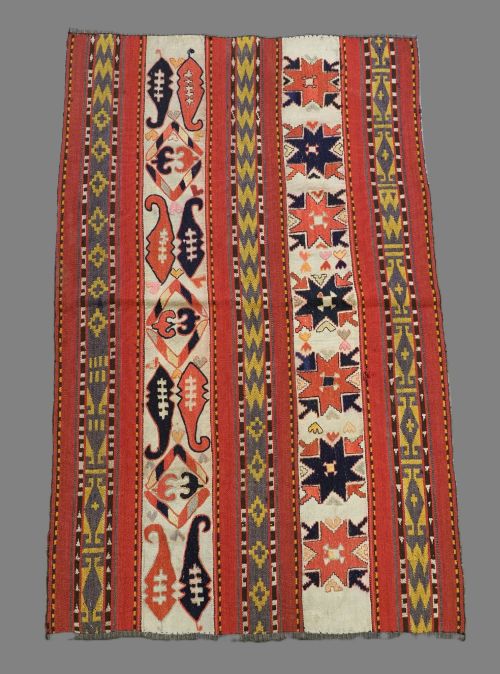
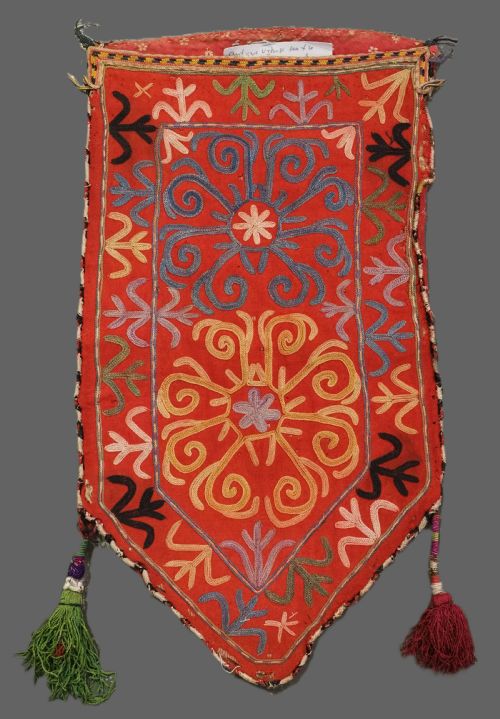
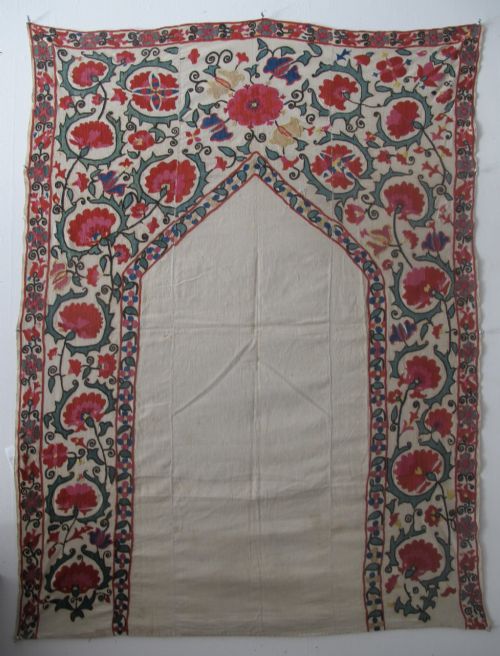
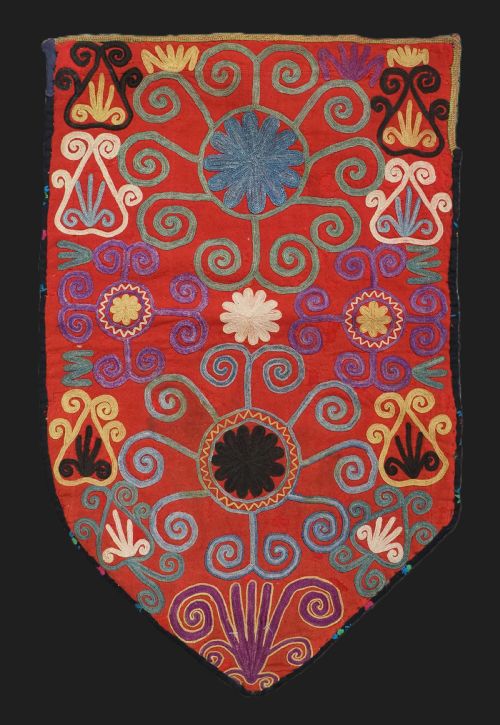
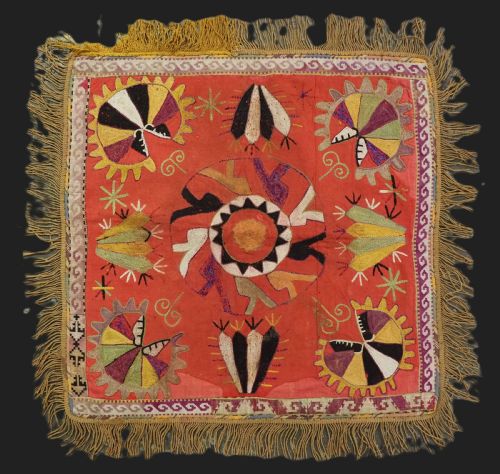
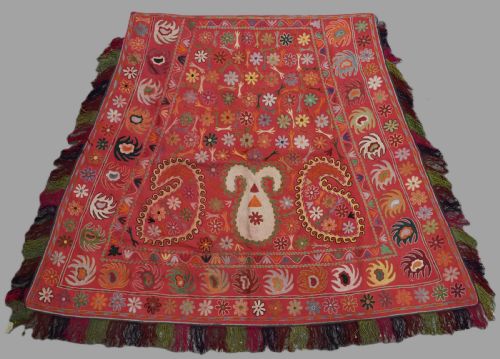
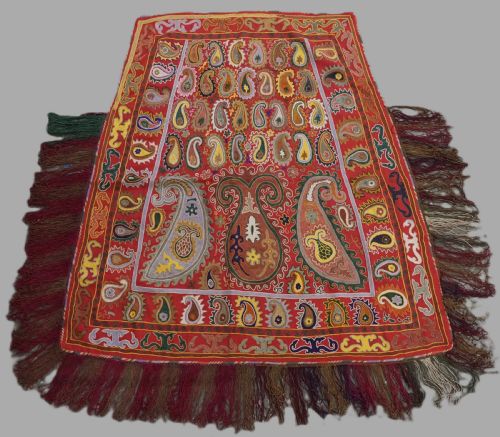
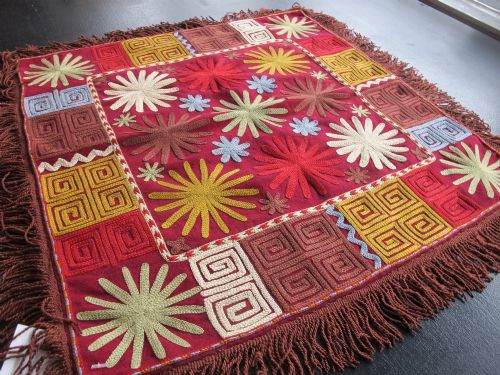
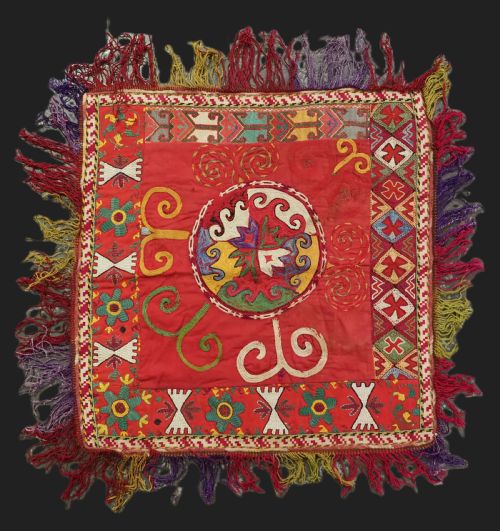
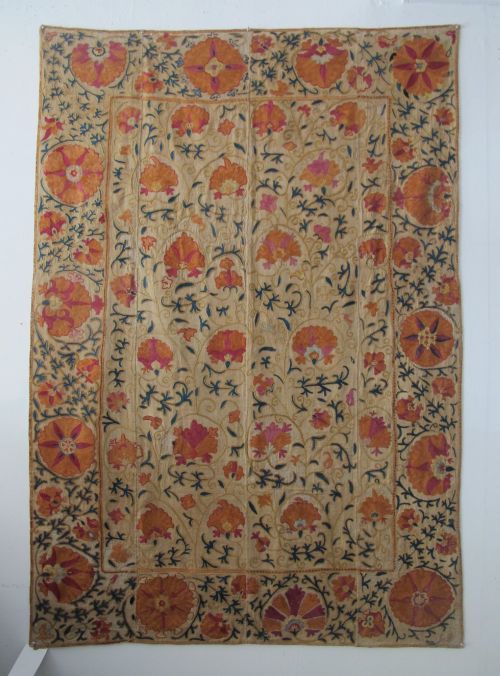
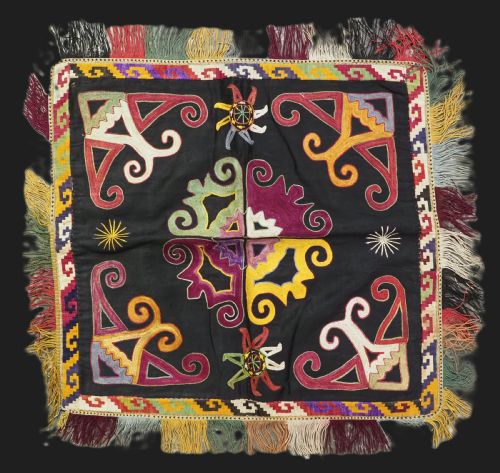
The selections on this page frequently include suzanis, embroidered horse covers, and tribal panels. Dowry embroideries and wall hangings represent common forms among these textile works.
Regional variations appear across different groups such as the Lakai tribe and centres like Shakrisabz. Each textile demonstrates distinct regional styles rooted in traditional practices.
How they were made
Artisans worked primarily with silk, cotton, and wool grounds, often incorporating velvet, camel hair, and silver thread. Embroidery and weaving formed the core techniques for creating these complex patterns.
Makers utilised vibrant threads to construct detailed motifs on woven backdrops. Panels were occasionally constructed in multiple strips, reflecting traditional construction methods.
Uzbekistan Retail Price Guide 2026
Typical asking prices for uzbekistan among the pieces listed under this phrase on Sellingantiques today, from the lower quarter to the upper quarter. They describe what is for sale here now, not the wider market.
Some horse covers were made double faced so the animals looked splendid from every possible angle during ceremonies.
What varies in quality
The execution of the embroidery dictates much of the distinction between examples. Full work panels display dense needlework that covers significant portions of the ground material.
Design complexity and the handling of natural colour palettes contribute to the visual strength of individual pieces. Precision in traditional motifs separates standard items from exceptional examples.
The Uzbekistan Glossary
- Suzani
- An embroidered textile panel produced in Central Asia, traditionally made as part of a bride's dowry. These large hangings feature bold floral or geometric motifs.
- Ikat
- A dyeing technique where yarns are pattern-dyed before weaving, creating characteristic hazy edges on the fabric. Panels and purses frequently employ this method.
- Ilgich
- A specific type of hanging embroidery or wall hanging associated with tribal groups. These items served decorative and ceremonial purposes within the home.
- Torba
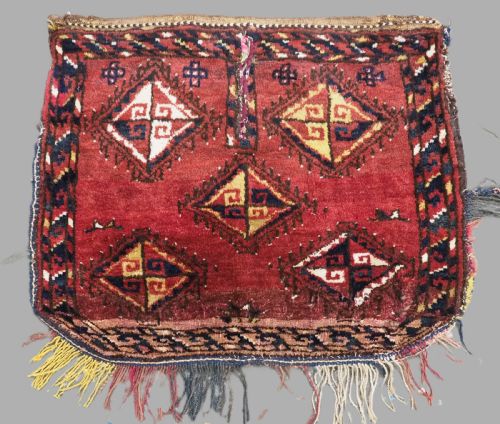
- A small bag or hanging piece used in nomadic and tribal settings. Examples often display careful embroidery and wool construction.
- Kilim
- A flatwoven textile or rug made without a pile. These pieces provide structured geometric designs across various panels and covers.
Uzbekistan: Frequently Asked Questions
What is a suzani?
A suzani is a large embroidered textile created by women in Central Asia as part of traditional dowry preparations. These panels were hung on walls or used to wrap items.
They display elaborate needlework using silk threads on cotton or linen foundations. Floral and geometric motifs dominate these traditional hangings.
How do I care for antique textiles?
Historic textiles require protection from direct sunlight to prevent fading of natural dyes. Mounting them correctly relieves tension on fragile old fabrics.
Professional cleaning should be consulted when dust accumulates. Keeping them in stable humidity conditions preserves the silk and cotton fibres.
How are regions told apart?
Regional attribution relies on specific design traits, colour choices, and embroidery stitches. Towns like Shakrisabz and Tashkent developed distinct visual vocabularies.
Tribal groups such as the Lakai incorporate particular geometric symbols into their work. Comparing stitch density and palette helps identify the origin.