



Uzbekistan Wool Rug
An uzbekistan wool rug brings tactile Central Asian tribal history into a room through heavy embroidery and flatweave panels.
Uzbekistan Wool Rug
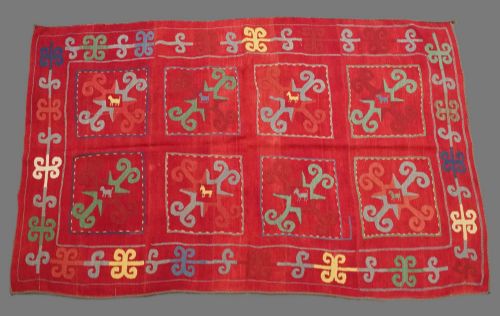
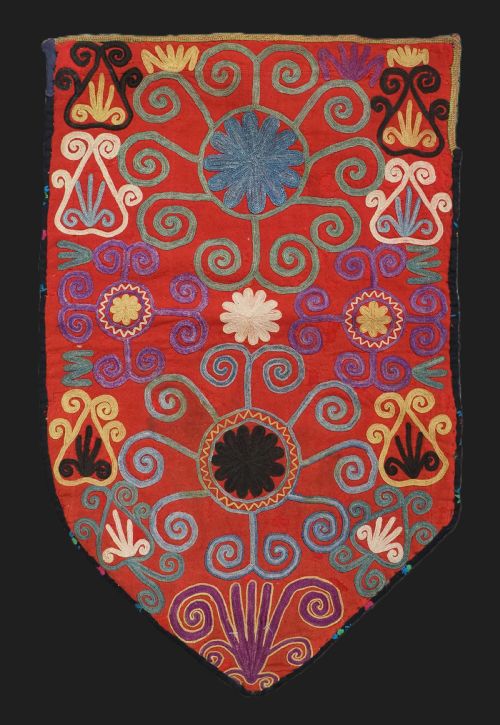
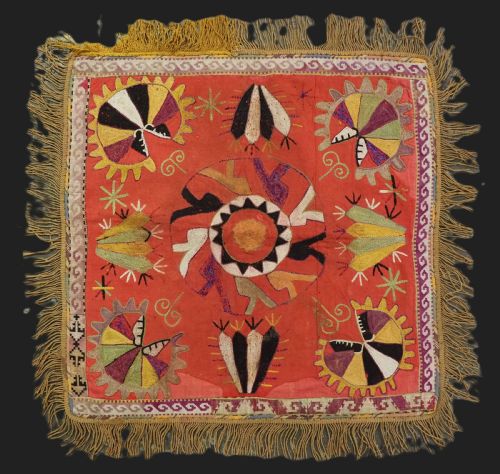
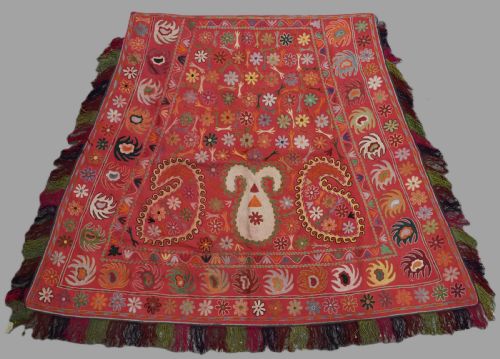
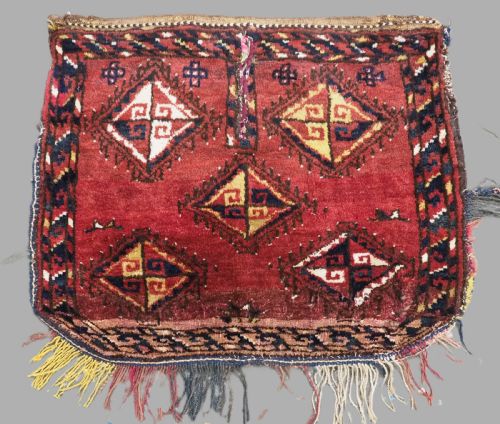
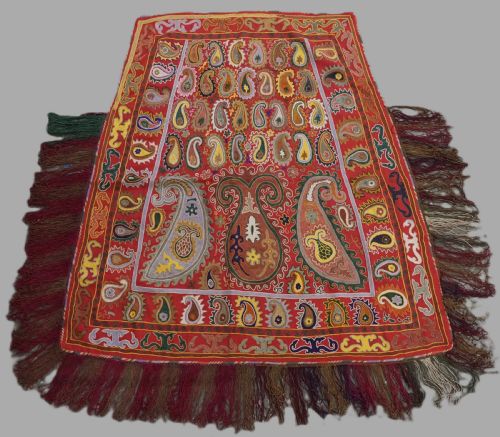
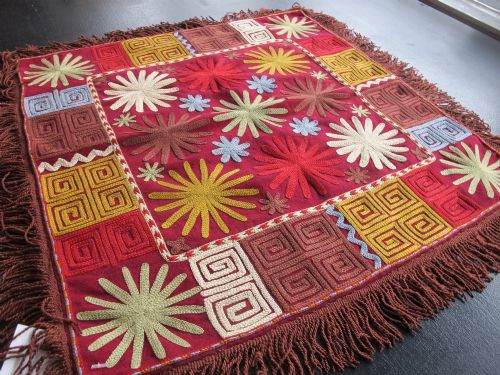
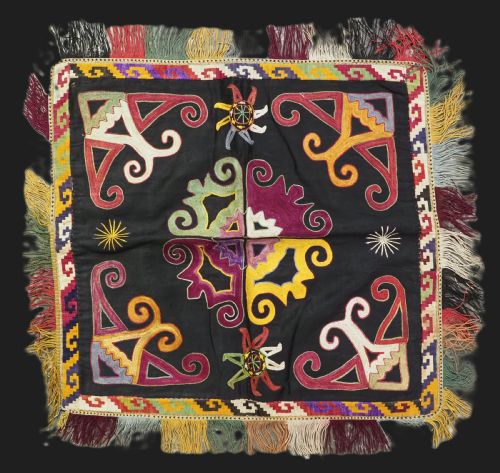
When buyers search for an uzbekistan wool rug, they encounter pieces originating from Central Asian tribal makers across the nineteenth and early twentieth centuries. These textile works span wall hangings, dowry embroideries, horse covers, and kilim panels.
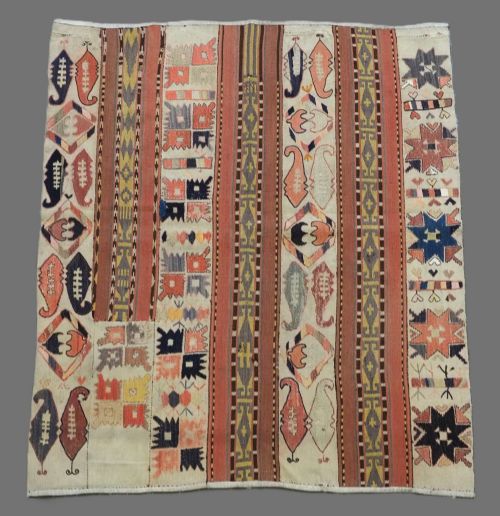
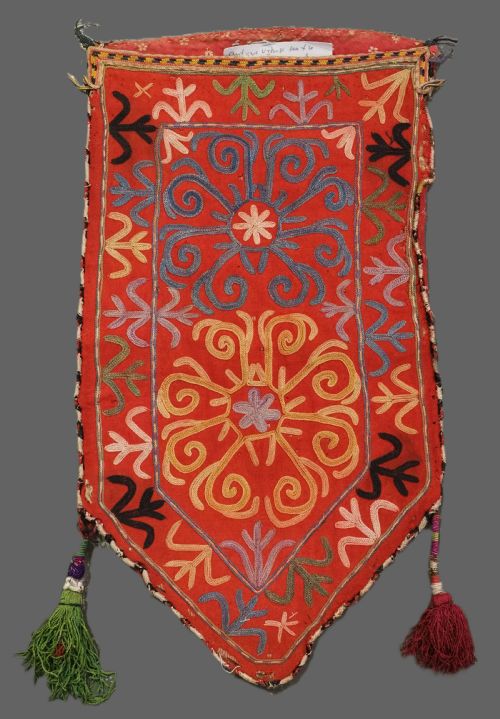
The selections on this page centre on pieces from roughly 1880 to 1920, often attributed to the Lakai tribe and the Kungrad region. Forms range from double-faced ilgich panels to tent bands and ceremonial saddle covers.
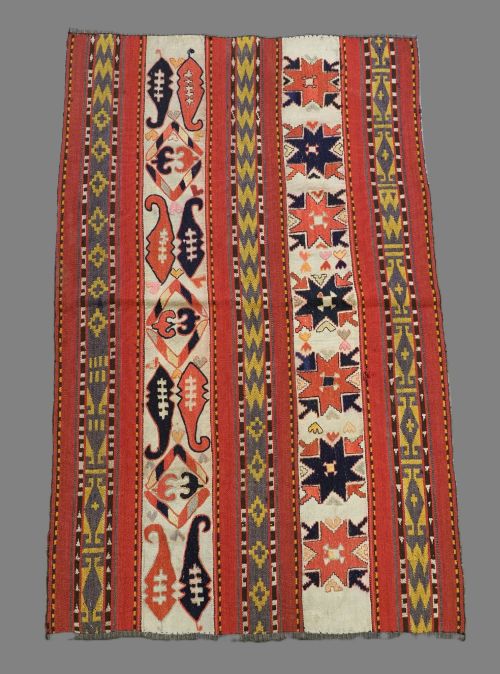
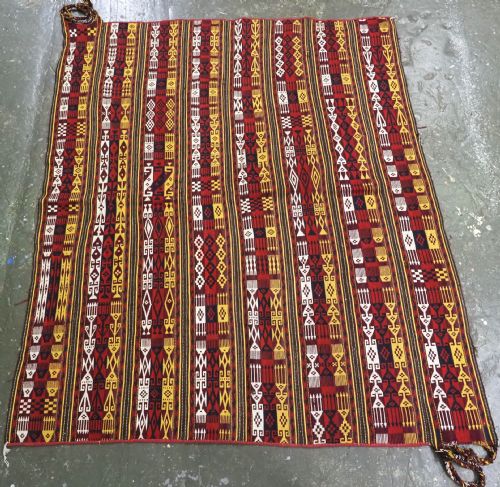
Makers utilised various formats, including wall hangings made in multiple strips and embroidered kilims with repeat designs. Each object reflects nomadic and regional textile traditions of Uzbekistan.
Materials and construction methods
Artisans built these textiles primarily using wool, cotton, silk, and camel hair. Wool and camel hair provide the durable ground fabrics, while silk and cotton threads form dense surface embroidery.
Construction techniques include flatweaving in strips for kilim panels and complex needlework for tribal ilgich and saddle covers. Panels such as the Kungrad region kilims are constructed from distinct sections joined together.
Uzbekistan Wool Rug Retail Price Guide 2026
Typical asking prices for uzbekistan wool rug among the pieces listed under this phrase on Sellingantiques today, from the lower quarter to the upper quarter. They describe what is for sale here now, not the wider market.
Several pieces started life as gear for horses before finding a second career as wall art.
Judging quality in tribal textiles
Quality rests in the density of the embroidery and the crispness of the tribal motifs. Intricate needlework on double-faced pieces and ceremonial horse covers demonstrates superior technical skill.
The choice of ground material also distinguishes examples, with camel hair grounds and unusual repeat designs marking out distinctive pieces. Condition and the integrity of the original strips or borders complete the assessment.
The Uzbekistan Wool Rug Glossary
- Ilgich
- A Central Asian embroidered wall hanging often created as part of a dowry. These pieces display traditional tribal motifs and dense needlework.
- Kilim
- A flatwoven textile panel produced without a pile. Examples from Uzbekistan include pieces made in multiple strips or on camel hair grounds.
- Torba
- A small hanging bag or tent furnishing. These items are associated with regional weaving traditions in locations such as Shakrisabz.
- Gajeri
- A type of tribal flatweave or rug, sometimes adapted from tent bands. They represent utilitarian nomadic weaving repurposed for domestic use.
Uzbekistan Wool Rug: Frequently Asked Questions
What is an ilgich?
An ilgich is a traditional Central Asian embroidered textile created for use as a wall hanging or as part of a dowry. Makers produced these panels with detailed needlework.
These pieces reflect the textile traditions of tribes such as the Lakai in Uzbekistan. They were designed to decorate domestic spaces.
How were these textiles used?
Nomadic and regional communities utilised these textiles as wall hangings, ceremonial horse covers, saddle rugs, and tent furnishings. Each item served a practical or ritual function in daily life.
Horse covers and saddle rugs played roles in tribal ceremonies and processions. Wall panels and kilims decorated the interior of tents and houses.
How do I date an uzbekistan wool rug?
Dating relies on stylistic analysis, material combinations, and structural characteristics typical of the late nineteenth and early twentieth centuries. Pieces from this era often exhibit specific tribal colour palettes and traditional embroidery methods.
Comparing structural details like strip construction and wool quality helps establish the period. Most pieces date from the decades between 1880 and 1920.
Where did these pieces originate?
These textiles originate from Uzbekistan in Central Asia, with specific pieces linked to regions such as Shakrisabz and makers like the Lakai tribe. Local workshops and nomadic groups produced them for domestic and ceremonial use.
Geographic attributions depend on specific design motifs, weaving structures, and regional embroidery styles. Shakrisabz is particularly noted for torba ilgich production.