


Uzbekistan Silk Wall Art
Uzbekistan silk wall art brings rich Central Asian textile traditions into a modern interior.
Uzbekistan Silk Wall Art
When you search for uzbekistan silk wall art, you encounter traditional Central Asian textiles, including dowry embroideries, suzanis, and ikat panels. These pieces originate from Uzbekistan and surrounding regions, reflecting indigenous tribal and regional designs.
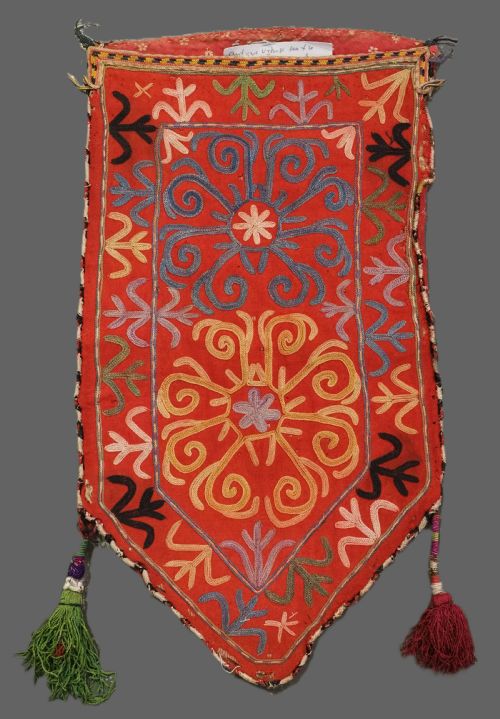
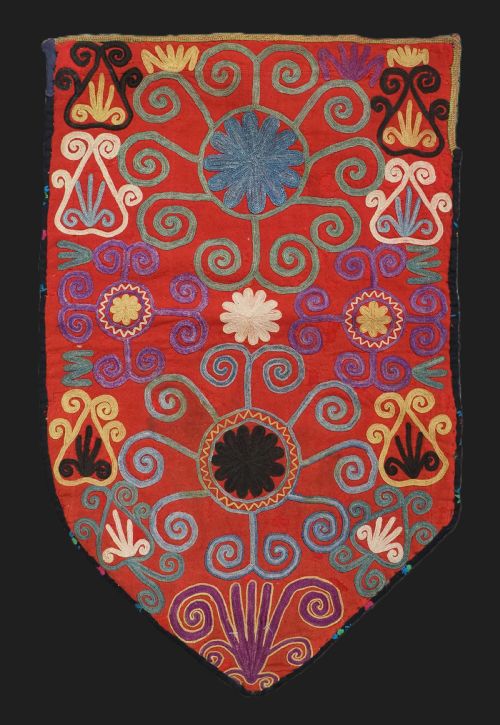
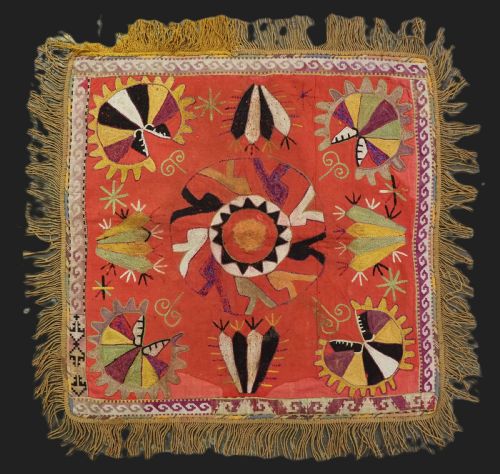
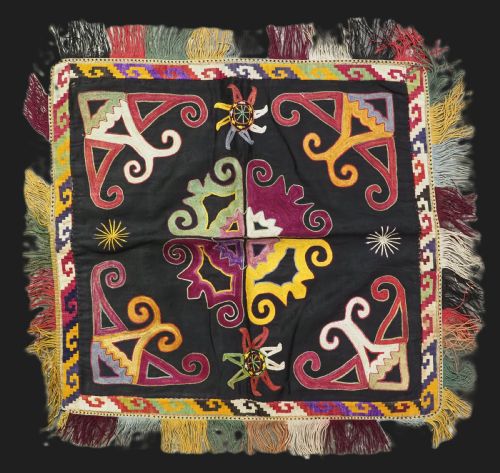
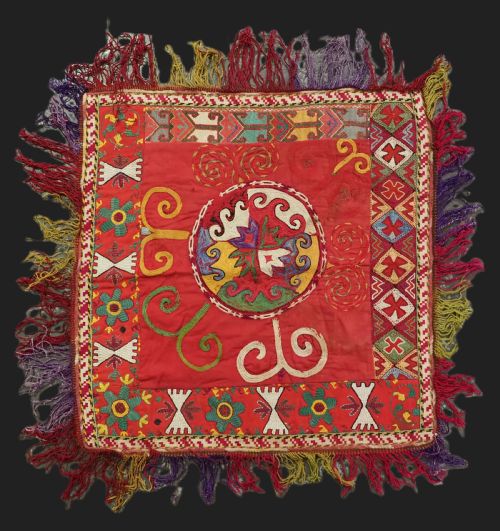
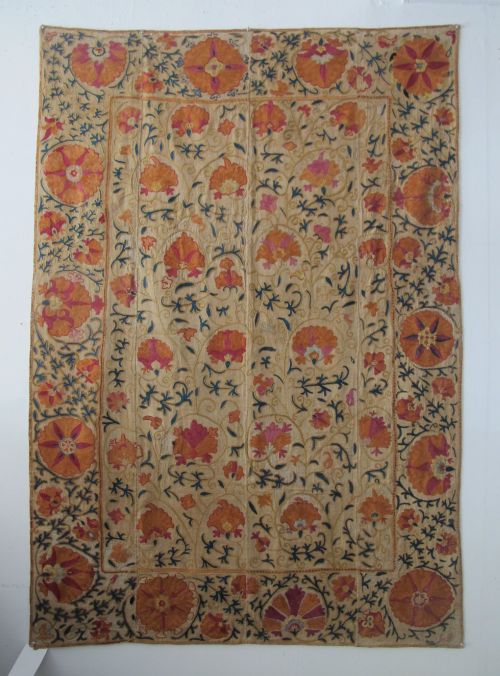
The pieces listed on this page frequently include antique Lakai tribe ilgich works, ceremonial horse covers, and Nurata or Tashkent suzanis. These objects served as domestic furnishings or ceremonial items before their transition to wall display.
Most examples date from the mid-nineteenth century to the early twentieth century, spanning periods such as eighteen fifty, eighteen ninety, nineteen hundred, and nineteen twenty. They display distinct Central Asian traditional styles associated with specific tribal groups.
How they were made
Makers utilised natural fibres, predominantly silk embroidery threads worked upon cotton, wool, or linen foundations. Artisans executed dense needlework to create intricate patterns across the surface of the textiles.
Ikat panels involve a resist-dyeing technique applied to warp threads before weaving, producing characteristic blurred pattern edges. Embroidered suzanis and ilgich pieces rely on specialised stitchwork executed by hand to form vibrant pictorial and geometric motifs.
The listings on this site show works utilising silk, cotton, wool, and linen across Central Asian traditional styles.
What varies in quality
The distinction between tiers of work rests upon the density of the stitchwork and the complexity of the design layout. Full work suzanis and finely embroidered ilgich panels demonstrate superior handwork compared to simpler or more sparsely decorated examples.
Colour saturation and the preservation of the original silk, cotton, wool, and linen materials dictate the overall visual impact. Superior pieces maintain vibrant palettes and structural integrity across the textile.
The Uzbekistan Silk Wall Art Glossary
- Suzani
- An embroidered textile from Uzbekistan, traditionally produced as part of a bride's dowry. These large hangings feature bold floral and geometric designs worked in silk.
- Ikat
- A dyeing and weaving technique where threads are tie-dyed before the loom process. This method yields distinct, slightly feathered pattern outlines.
- Ilgich
- A specific form of Central Asian embroidery, frequently associated with the Lakai tribe. These items functioned as dowry pieces or wall hangings.
- Torba
- A small hanging bag or trapping produced by tribal groups in Central Asia. They display traditional regional motifs.
- Lakai Tribe
- A Central Asian tribal group known for distinctive geometric and figurative embroidery styles. Their work often utilises vibrant silk threads on dark foundations.
Uzbekistan Silk Wall Art: Frequently Asked Questions
What is uzbekistan silk wall art?
These items comprise traditional Central Asian textiles, including suzanis, ikat panels, and tribal dowry embroideries adapted for display. They originate from regions such as Uzbekistan and reflect historic textile techniques.
Most examples employ silk embroidery on cotton, wool, or linen foundations, dating from the nineteenth and early twentieth centuries.
How do I hang a textile safely?
Mounting requires careful distribution of weight to avoid placing stress on the historic silk, cotton, or wool fibres. Professional conservation framing or specialised sleeve methods help protect the textile during display.
Direct sunlight and excessive humidity should be avoided to preserve the natural silk threads and dyed foundations.
How do I distinguish regional styles?
Different areas, such as Nurata, Tashkent, or Shakrisabz, developed distinct embroidery layouts and colour palettes. Tribal groups like the Lakai utilised specific geometric and figurative motifs that separate their work from urban suzanis.
Examining the density of the stitchwork and the specific material combinations provides clues to the origin of each piece.